
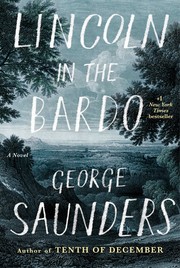
Lincoln in the Bardo
2,032-word summary 9 min read 368 pages in the book
- First published
- 2017
- Publisher
- Random House
- Pages
- 368
- ISBN
- 9780812995343
Reading options
What's inside (12 sections)
I read Lincoln in the Bardo because a Booker winner made of ghosts sounded impossible. George Saunders published his first novel in 2017 with Random House. My reading follows the 368 page hardcover. Over one February night in 1862, Willie Lincoln dies, his father visits the crypt, and cemetery ghosts squabble toward letting go. Told in 166 voices with borrowed history, it is strange, funny, and devastating about love that must release.
February 1862 holds the Civil War under a year old and the Lincolns in the White House with two sick boys. Eleven year old Willie dies of typhoid and is laid in a Georgetown crypt. Newspapers report the president returns alone several times to hold his boy's body. From that documented seed Saunders grows wildflowers of invention. The cemetery fills with voices. The boy lingers in the bardo, Tibetan for transitional state, unwilling to accept death. Tendrils creep toward him. Time runs short in both worlds.
Form as grief technology
The book's collage method deserves craft attention because it risks more than it shows. Historical excerpts, some genuine and some invented by Saunders without flags, interleave with ghost testimony in unattributed fragments. Readers must assemble authority from style rather than citation. That demand mirrors mourning's confusion about which voices to trust. Doctors. Clergy. Memory. All sound certain. Few agree. By refusing to mark real versus made sources, Saunders implicates historiography itself. Every Lincoln biography is also ghost story told by survivors with agendas. Read footnotes as characters. They are.
The 166 voice count intimidates but resolves into handfuls that matter. Vollman, Bevins, and Thomas carry narrative while others color. That hierarchy emerges around page fifty for patient readers. Before that, fog. The fog is intentional apprenticeship in cemetery listening. Tune ears or leave. Most who stay report the second half reading faster than the first, as faces stabilize and stakes clarify around Willie's fading. Structure thus performs theme. Persevere through noise and persons emerge. Grief works the same way. Static first. Features later. Saunders composed the difficulty deliberately. Trust the tuning.
Hans, Roger, and the Reverend
Three ghosts anchor the chorus. Hans Vollman, printer with a young wife he never bedded before dying, loiters from thwarted desire. Roger Bevins III, young man mourning a lover's rejection before his own death, watches with tender attention. The Reverend Everly Thomas fears damnation for sins he can not name. They narrate Willie' plight, bicker like roommates, and gradually reveal their own attachments keeping them stuck. Wives. Lovers. Pews. Each clings to unfinished business with comic specificity that never mocks. Longing is funny until it is yours. Then it is bardo.
Their mission becomes saving Willie from the tendrils by convincing him he is dead. That paradox drives the middle. Ghosts who deny their own deaths must preach acceptance to a child. Vollman's bluster, Bevins's gentleness, and Thomas's trembling take turns with limited success. Willie listens, plays, and drifts back to waiting for father. Those scenes ache because every reader knows waiting rooms where hope outstays facts. The ghosts stage interventions they themselves refuse. Hypocrisy as hospice. It works fitfully, which is honest about helping. Advice outruns example always.
The 166 voice chorus around them mixes historical excerpts, real and invented, with ghost testimony. Newspaper clippings. Memoirs. Made up diaries presented straight. That collage technique dazzled critics and irritates some readers who want stable narration. Fragments arrive unattributed, then resolve into speakers pages later. Patience required. Payoff delivered in accumulation rather than plot. The cemetery becomes America talking over its dead. Gossip, grief, and invoices. Saunders conducts the noise into music through rhythm rather than outline. Listen for beat, not map.
Historical excerpts as chorus
The borrowed historical voices deserve craft praise for how they build Lincoln without explaining him. Newspaper clippings praise and damn in period diction. Memoirs contradict on details of crypt visits. Made up sources blend seamlessly with real ones, daring scholars to sort. That blurring is the point about history itself. Archives argue. Biographers select. Saunders stages that selection visibly by juxtaposing accounts that can not all be true. Readers assemble a president from fragments the way citizens always do. No single Lincoln emerges. Many flicker. Grief holds them together loosely.
What the excerpts cost in momentum they repay in authority. Early pages feel choppy as voices cycle without anchors. Trust the accumulation. By midpoint the chorus steadies into rhythms that carry emotion efficiently. Short bursts. Contrasting tones. Occasional long testimony that lands like aria. That musical structure suits cemetery subject where many speak briefly and none stay. The book teaches its reading method through doing. Sample widely. Hold lightly. Let patterns sing through noise. Students of historical fiction should study the technique. Facts as found poetry. Sources as ghosts.
Lincoln grieves and resolves
Lincoln's thread runs through as monumental sorrow in plain sentences. He sits with Willie's body, touches his hair, and speaks promises the ghosts overhear. He returns to war decisions with a father's fresh knowledge that every casualty list holds someone's Willie. Saunders never makes him saint or symbol. He shows a tired man doing impossible math between private loss and public slaughter. That restraint honors history better than hagiography. Grief does not ennoble automatically. It hollows and sometimes fills differently.
The novel's hinge comes when Lincoln, holding his boy among stones, chooses to continue the war toward emancipation rather than settlement. Ghosts watch this resolve form and find their own releases mirrored in his. Vollman recalls his wife without clutching. Bevins blesses rather than binds. Thomas confesses into quiet. Those parallel lettings go form the book's emotional architecture. The living must bury to govern. The dead must release to depart. Neither motion completes the other, but each permits it. Form mirrors content across veil. Elegant and earned.
Willie's fate stays tenderly ambiguous in mechanism but clear in direction. He moves on. How exactly, through whose help and toward what light, Saunders renders in images rather than doctrines. Tendrils. Light. A small hand held. That poetic vagueness frustrates theologians and satisfies mourners. Grief wants direction more than map. The boy goes where love can not follow yet. Fathers remain to finish work. That separation, stated plainly by ghosts who envy it, carries the book's final tears. Staying hurts worse than going. Lincoln stays.
What soars and what fragments
What soars is form serving feeling at every turn. The chorus, which sounds like gimmick in summary, performs grief's actual texture. Many voices. Contradictory memories. Facts plus inventions. Anyone who sat shiva or waked knows funerals sound exactly like this. Saunders, master of short fiction, scales his gifts to novel through accumulation rather than arc. Moments cohere into motion. Zadie Smith called it masterpiece. The Booker agreed. Both right about ambition realized. Nothing else reads like it. Everything human feels like it.
What fragments is patience for 166 speakers across one night. Readers wanting continuous narrative may drown in attributions and snippets. Early chapters demand trust that faces will emerge from fog. They do, Vollman first, but the onboarding taxes. Punctuation experiments and shifting perspectives compound difficulty the PW audio review noted even star narrators must work to carry. Print readers should persevere past page fifty where rhythms settle. Audio listeners get 166 actors helping. Either way the bardo opens to those who wait. It does not hurry for skimmers.
Length at 368 pages suits single night scope with century depth. No bloat, though some historical excerpts repeat points about Lincoln's grief that ghosts already made. Those repetitions mimic mourning's loops deliberately. Come back to the crypt again. Say it differently. The technique risks tedium for thematic gain. Most readers will forgive because each return deepens. Grief circles before it lands. So does this book. Land it does, softly and finally.
Willie as still point
Willie Lincoln's portrayal deserves reverence as the book's quiet center around which 166 voices orbit. Eleven, sick, and bewildered, he clings to his father with love that death interrupts but can not sour. His chapters, brief and plain amid baroque ghost speeches, cut through with child's directness. Where are we. When is supper. Is father coming. Those questions ground cosmic machinery in boyish need. Saunders resists making him symbol by keeping him specific. A boy who liked horses and hated spelling. Particulars save him from becoming Idea of Innocence. He remains Willie, not lesson.
His interactions with ghosts show generosity beyond years as he comforts spirits older and sadder. He listens to Vollman's regrets. He asks Bevins about stars. Those kindnesses, offered without understanding their cost, model the empathy the book preaches through structure rather than speeches. Children teach the dead how to feel forward. That reversal of expected guidance flows naturally from Willie's openness. Adults complicate. Boys ask. Answers matter less than asking with love. Remember his voice when chorus overwhelms. Smallest speaker. Largest heart.
Emancipation haunting every page
The Civil War context deserves explicit framing because ghosts debate what the living war means. News from battlefields filters into cemetery through new burials daily. Young soldiers arrive confused about causes they died for half understanding. Slaves' ghosts speak rarely but devastatingly when they do about freedom Lincoln hesitates to declare fully. Those voices indict delay with patience that shames urgency. The bardo holds all ranks together in death that life segregated. Privates beside presidents. That democracy of dirt comments silently on war aims. What dies together should free together. Lincoln hears it through stone.
His movement toward emancipation during the single night gives the book its historical spine beneath supernatural flesh. Ghosts watch resolve form in a man who entered grieving father and exits war president with terrible clarity. Saunders handles this transformation without speechifying by filtering it through watchers who misunderstand half of what they see. They report gestures, tears, and departures. Readers assemble meaning from fragments as historians do. No Gettysburg preview. Just a father standing straighter leaving crypt. Enough to change centuries. Small motions. Vast consequences. That proportion humbles.
Saunders's short gifts scaled up
Readers of Tenth of December will recognize tools Saunders brings to novel length and marvel at scaling. Voices instead of single narrators. Collar grabbing openings. Empathy extended even to minor demons. Those story skills expand across 166 speakers without thinning because each gets distinct diction in few lines. A printer's lust. A boy's stars. A reverend's tremble. Distinct in breaths. That compression shows short form training serving long ambition. Nothing wastes. Every ghost earns breaths through specificity. Aspiring writers should study how little text creates whole persons here. Two lines can live.
Cemetery as America in miniature
Oak Hill's residents cross class and race lines that life enforced, creating democracy the nation preached but rarely practiced. Businessmen beside slaves. Matrons beside soldiers. That mingling comments quietly on war aims without speeches. What dies together should free together. Ghosts share fences that the living would never share streets across. Saunders lets the arrangement speak without underlining. Readers attentive to who lies near whom will map social history in burial plots. Segregation persists even here in sections, but voices mingle across aisles in ways bodies never did alive. Death integrates what life divided. Note the arrangement.
Who should enter the bardo
Give Lincoln in the Bardo to literary fiction readers who want form made feeling, to Saunders fans ready for his novel after stories, to history lovers open to ghosts. It suits quiet weeks with evenings for voices. Do not give it to readers needing linear plot or single narrator. Pair it with Tenth of December for Saunders range, or with actual Lincoln biographies for seed versus flower.
At 368 pages I read it in three sittings, marking Vollman pages. Lincoln starts holding a dead boy in a crypt and ends holding a war's purpose with steadier hands, while Willie starts waiting and ends released. That double motion, father toward duty and son beyond reach, is why the novel won its prizes past novelty. Love holds on. Love lets go. Both at once. That is bardo. That is all. Readers finishing should sit quietly before shelving, letting cemetery voices fade naturally rather than shutting them mid sentence. They earned the linger.
FAQ
When was Lincoln in the Bardo published?
Random House published it in February 2017. The hardcover runs 368 pages and the ISBN is 9780812995343.
Did it win the Booker Prize?
It won the 2017 Man Booker Prize as Saunders's first full length novel after story collections.
Who anchors the ghost chorus?
Hans Vollman, Roger Bevins III, and Reverend Everly Thomas, narrating Willie's plight and their own stuck loves.
Similar books
The Valley of Vengeful Ghosts
A grieving therapist buys a model home in a rainy valley where the walls leak ghosts.
2,035-word summary · 9 min read
Sing, Unburied, Sing
A Mississippi family drives to Parchman prison while ghosts press close, and a dying grandmother holds the house together.
2,871-word summary · 13 min read
Hamnet
Agnes Hathaway holds her Stratford family together while her husband works in London, until plague takes eleven-year-old Hamnet in 1596.
3,164-word summary · 14 min read
Beloved
Sethe lives with the memory of killing her child to save her from slavery until a young woman named Beloved arrives.
2,586-word summary · 11 min read

Violeta
A woman born in 1920 writes her life story to her grandson, from one pandemic to another, through wealth, ruin, passion, and dictatorship in South America.
2,555-word summary · 11 min read

Lisey's Story
Two years after her novelist husband dies, Lisey Landon follows a trail of clues into his childhood and the other world that made him a writer.
1,998-word summary · 9 min read

Sophie's Choice
A young Southern writer in 1947 Brooklyn befriends a brilliant, unstable couple and slowly learns the story of the Polish Catholic woman at the center of their…
2,798-word summary · 12 min read
The Lowland
Two brothers grow up beside a marshy lowland in Calcutta, and the choices of the younger one draw the older into a life of duty, distance, and quiet grief that…
2,213-word summary · 10 min read

We Are Okay
Marin fled San Francisco after her grandfather vanished and stopped answering anyone. When Mabel visits her college dorm, she has to say what happened.
2,253-word summary · 10 min read
Her Fearful Symmetry
Twins Julia and Valentina inherit a London flat above Highgate Cemetery from an aunt they never met, then find a ghost in it and a family secret.
2,057-word summary · 9 min read

The Storyteller's Secret
A New York journalist goes to India to learn why her grandmother loved a British officer, and why a family servant kept the truth for forty years.
2,270-word summary · 10 min read
Stones from the River
Trudi Montag is born a dwarf in a small German river town in 1915 and grows up to keep the town's library and its secrets, from the First World War to the…
2,818-word summary · 13 min read

Ivanhoe
A disinherited Saxon knight, a great tournament, a besieged castle and a trial by combat. Scott's most famous novel, set in England in 1194.
2,834-word summary · 13 min read
Euphoria
Three anthropologists in 1930s New Guinea turn fieldwork into a love triangle, and a real history breathes behind them.
2,048-word summary · 9 min read

A Spool of Blue Thread
Four generations of the Whitshank family in Baltimore, and the silences, resentments and quiet love they hand down without ever saying so.
2,408-word summary · 11 min read

Wide Sargasso Sea
Jean Rhys gives the first Mrs. Rochester a Caribbean childhood, a marriage built on money and suspicion, and a voice that Charlotte Bronte left in the attic.
2,021-word summary · 9 min read
The Sisters Brothers
Two hired killers ride from Oregon to Gold Rush California to murder a prospector, and find their trade, their brotherhood, and the frontier myth coming apart.
2,095-word summary · 9 min read
The Silence of the Girls
Briseis, queen of Lyrnessus, is captured by Achilles and narrates the Trojan War from inside the Greek camp, where women are prizes and survival is its own…
2,098-word summary · 9 min read
The Pilot's Wife
Kathryn Lyons's husband dies in a plane crash, and the investigation reveals a secret life that forces her to rethink their marriage.
2,006-word summary · 9 min read

The Birth of Venus
A Florentine merchant's daughter trains as an artist, marries a man who hides a secret, and survives Savonarola's bonfire of the vanities.
2,404-word summary · 11 min read
Mother Night
Howard W. Campbell Jr., a Nazi propagandist and American spy, tells the story of his double life from an Israeli prison cell while waiting to be tried for war…
1,988-word summary · 9 min read

Bring Up the Bodies
Thomas Cromwell sets out to destroy Anne Boleyn, building a case from rumor and revenge while Henry VIII waits to marry Jane Seymour.
2,066-word summary · 9 min read

And Every Morning the Way Home Gets Longer and Longer
An elderly grandfather, his son, and his grandson share memories and fears as the old man's mind begins to fade, in a short novel about grief and love.
2,078-word summary · 9 min read

The Tiger's Wife
A young doctor in a war-scarred Balkan country chases the stories her grandfather left behind, including a deathless man and a deaf girl who loved an escaped…
2,232-word summary · 10 min read
The Storm Sister
Ally D'Aplièse loses her father and her lover within weeks, then follows a brass frog and a Norwegian biography into Anna Landvik's music and the world of…
2,376-word summary · 11 min read
The Clockmaker's Daughter
A London archivist finds a Victorian satchel holding a photograph, a sketchbook and a letter, then follows them to Birchwood Manor, where a young woman died in…
2,886-word summary · 13 min read
Family of Liars
The prequel to We Were Liars: Carrie Sinclair finally tells the story of the summer of 1987, the boy who died on Beechwood Island, and the lie her family built…
2,072-word summary · 9 min read

The Little Paris Bookshop
A Paris bookseller who prescribes novels as medicine finally opens a twenty one year old letter from his lost love and sails south through France to find her.
2,050-word summary · 9 min read

A Long Petal of the Sea
A pregnant widow and her brother-in-law marry for passage on a ship of Spanish exiles bound for Chile, then spend decades building and losing homes together.
2,016-word summary · 9 min read