
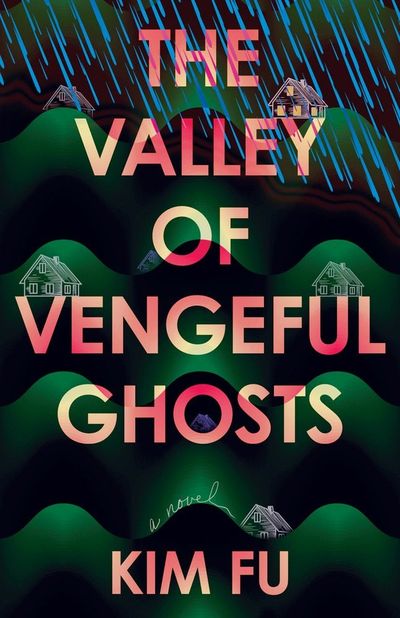
The Valley of Vengeful Ghosts
2,035-word summary 9 min read 240 pages in the book
- First published
- 2026
- Publisher
- Tin House
- Pages
- 240
- ISBN
- 9781963108699
Reading options
What's inside (14 sections)
I read this in two sittings, mostly because putting it down felt like leaving a tap running. Fu writes grief as a physical place: damp walls, strange drips, rooms that seem to rearrange their own shadows. Eleanor buys a house to obey her dead mother. The house starts obeying something else.
At 240 pages it is short enough to read in an evening. It stayed with me for a week. That ratio tells you most of what matters.
Eleanor alone
Eleanor worked as a therapist while her mother ran her life. Meals, laundry, money, decisions: all handled from above with love that functioned as control. When her mother dies, Eleanor inherits cash and one instruction. Buy a house. She does, impulsively, in a valley development with a bad history and worse drainage.
Fu sketches Eleanor's helplessness with dry precision. She can diagnose everyone except herself. She treats clients over video calls from rooms that smell of wet plaster. She hires workmen she cannot evaluate and bureaucrats she cannot charm. Every adult task arrives slightly too fast for her.
The mother's absence structures everything. Flashbacks show a woman both smothering and indispensable, the kind of parent whose death leaves practical holes as well as emotional ones. Eleanor's grief has a practical texture: forms she cannot fill, repairs she cannot judge, loneliness with a to-do list attached.
The house that leaks
The model home sits in a valley-turned-construction site with a shadowy past the developers paved over. Then the rain starts and does not stop. Water finds every crack. Ceilings stain. Floors warp. Eleanor mops and mops while the valley fills like a bowl.
Fu uses the leak brilliantly. Each new stain maps to something Eleanor refuses to face. A client's story echoes down a hallway. A workman's shrug hides a warning. Bureaucrats cite codes while the foundation shifts. The line between haunting and water damage stays deliberately thin for most of the book.
The ghosts, when they come, feel earned rather than pasted on. Figures from Eleanor's past and present appear at edges: in mirrors, at the treeline, in dreams that leave wet footprints. Fu never confirms the rules. Some manifestations read as psychological, others refuse that reading. The ambiguity holds because Eleanor herself stops trusting her own categories.
Clients and workmen
Eleanor keeps working through the flood, and her clients' stories braid into her own. A woman who cannot leave her husband. A man cataloging slights. Their sessions, held over glitchy video while rain hammers the roof, mirror Eleanor's own stuckness back at her. The therapist analyzed in session after session makes for uncomfortable, funny reading.
The workmen and officials form a chorus of unhelpfulness. Each knows one small piece of the valley's history and guards it. One knows about the soil. One knows about the permits. One knows what stood here before the development. Eleanor has to assemble the valley's past the way she assembles her clients' histories: from fragments people drop when tired.
A late revelation about the land reframes the whole book. I will not spoil it, but it connects the development's cheerful brochures to something much older and angrier. The theft underneath the suburb gives the ghosts their logic, such as it is.
What she buried
The HISTORY press calls this a book about grief and guilt, and the guilt half matters more than the marketing suggests. Eleanor has buried things besides her mother: professional mistakes, a relationship's end, choices from her twenties that curdled. The house's pressure squeezes them up one by one.
Her buried secret, when it surfaces, is genuinely dark rather than merely sad. Fu does not excuse it. Eleanor's reckoning with what she did, and why her mother's management may have enabled it, forms the book's hardest chapters. The prose stays cool while the content burns.
The ending refuses full catharsis. Rain stops or does not. The house stands or does not. Eleanor changes in ways that feel durable without feeling tidy. Readers who need the mystery solved and the mold remediated will leave hungry. I admired the restraint, though I understand the frustration.
Short, strange, worth it
Fu writes beautiful sentences that never show off. The valley's damp gets into everything, including the syntax. Short chapters keep the pages turning. The Belletrist pick and the best-of lists make sense: this is accessible literary horror, scary the way grief is scary.
My complaints are minor. A few client stories blur together. One bureaucrat subplot ends with a shrug. And at 240 pages, some readers will wish the valley's history got more room. But the book knows exactly what it is. A woman, a house, rain, ghosts, and the slow work of facing what you buried. Recommended for fans of quiet horror and anyone who has ever been afraid of their own basement.
Fu's toolkit
Readers of Lesser Known Monsters of the 21st Century will recognize the method. Fu takes speculative premises and treats them with realist patience, letting strangeness accumulate instead of announcing itself. The ghosts here work the way the transformations worked there: gradually, then all at once. Her award history makes sense. Few writers blend modes this smoothly.
The therapist protagonist is a smart choice for this toolkit. Eleanor professionalizes other people's inner lives while mismanaging her own, which gives every session a double meaning. Fu, who writes about work with unusual attention, makes the video-call therapy scenes feel true: the lag, the performed empathy, the notes typed after sign-off. Labor grounds the uncanny.
Her sentences deserve their praise. Plain diction, exact images, no wasted motion. Water gets a dozen different descriptions across the book without repeating once. Grief gets rendered through objects rather than adjectives. A stained ceiling says more than any monologue about loss. This is craft you can study.
Short books, long shadows
At 240 pages, the novel sits in the sweet spot between novella and doorstop. Nothing pads. Every client, workman, and stain serves the whole. Readers tired of bloated literary horror will appreciate the discipline. The book respects your evening.
Shortness has costs. The valley's deeper history arrives mostly in summary, and one client's arc ends just as it gets interesting. A longer book could have given the development's victims their own chapters. But expansion might have diluted the pressure-cooker effect. The present shape feels deliberate rather than thin.
Compare it to other grief-horror of recent years and Fu's restraint stands out. Where others escalate to spectacle, she holds on damp and dread. The scariest image involves standing water and a familiar voice. No special effects required. That confidence in quiet marks her as one of the form's best current practitioners.
Reading weather
Best read on a rainy night, obviously, with the heating on and no basement trips planned. The book's atmosphere does half the work, and meeting it halfway pays off. Tea helps. Company helps more, though Eleanor would remind you that company cannot fix everything.
Content guidance: grief, parental death, drowning imagery, a genuinely dark buried secret, some body horror via water damage and decay. Nothing exploitative, all of it load-bearing. Sensitive readers should know the child-danger thread runs through the middle chapters.
I closed the book listening to my own house settle. That is the review, really. Fu makes the familiar strange and then, worse, makes it familiar again. The valley stays with you like damp in walls.
Water as verdict
Every ghost story picks an element, and Fu picks water with total commitment. Rain, leaks, damp, rot, drowning: the book soaks its imagery until pages feel humid. Water here means grief that seeps past every defense. You can mop grief. You cannot fix the crack it enters through.
The valley's bowl geography makes the metaphor physical. Everything flows down to Eleanor, literally and emotionally. Runoff from other people's lives pools at her foundation. The development promised drainage and views. It delivered a basin that collects weather and history alike. Setting as destiny, rendered in mud.
Swimming and drowning images recur with intent. Clients describe sinking feelings. Eleanor dreams of wading. A child's pool game turns ominous in retrospect. Fu never overplays these echoes. They accumulate like moisture readings, individually ignorable, collectively damning. By the final chapters even a running tap sounds threatening.
The endless downpour also justifies the book's claustrophobia economically. Nobody can leave easily. Roads flood. Appointments cancel. The world narrows to house, valley, rain. That narrowing focuses attention the way snowed-in mysteries use blizzards. Weather as locked door is an old trick that still works when done this well.
Therapy on trial
The book's slyest move is putting therapy itself on the couch. Eleanor practices a helping profession while drowning, and Fu explores that contradiction without cruelty. The sessions show real skill alongside real avoidance. She can guide a client through panic while postponing her own reckoning indefinitely.
Her clients function as distorted mirrors, each reflecting a piece she will not face. The woman who cannot leave. The man who catalogs wrongs. The teenager who watches everything. Together they form a composite portrait of stuckness that includes the therapist. Eleanor's notes on them read increasingly like notes to herself.
Professional ethics get a quiet workout too. How present must a helper be? What happens when the listener needs rescue more than the speaker? The book raises these questions inside scenes rather than essays. A canceled appointment here, a blurred boundary there. Nothing scandalous. Everything telling.
The video-call frame adds modern texture. Glitches interrupt breakthroughs. Faces freeze mid-feeling. The mediated intimacy of remote therapy suits a book about distance and damp. Screens fog like windows. Connection buffers. Fu captures pandemic-era care dynamics without ever naming them directly.
Grief, honestly rendered
What elevates the book above competent ghost stories is the grief work. Eleanor's mourning follows no stages. It loops, stalls, disguises itself as practicality. Some days she functions. Some days the cereal aisle undoes her. Anyone who has lost a managing parent will recognize the specific disorientation of inheriting tasks you never learned.
The mother's portrayal avoids both sainthood and villainy. She controlled because she feared. She feared because she loved, badly. Eleanor's anger at her arrives late and all at once, which feels true to how these reckonings actually happen. You defend the dead until one day you cannot, and then everything reorganizes.
The buried secret, when it fully surfaces, recontextualizes the grief rather than replacing it. Eleanor must mourn the mother she had while facing what that mother enabled. Both truths fit. Neither cancels the other. The book's emotional maturity shows in refusing to choose between love and judgment.
For readers carrying their own damp losses, this book may hit hard. It offers no comfort beyond company: someone else has stood in a leaking house and felt the walls close in. Sometimes company is enough. Fu seems to know exactly how much is enough, and stops there.
The development's shadow
The valley's construction-site history deserves attention as more than backdrop. Developers promising dream homes on unstable ground form a very modern ghost story, one where the haunting is disclosure failure and shoddy foundations. Eleanor bought marketing, not land. The rain merely enforces the contract's fine print.
Fu connects the development to older thefts smartly. This ground held other lives before the bulldozers, and the book suggests the valley remembers what paperwork forgot. Without spoiling specifics, the land's past involves the same dynamics as its present: powerful interests, displaced people, papered-over costs. History as water table, seeping upward.
The bureaucrats Eleanor battles embody a particular modern helplessness. Each official owns one fragment of responsibility and wields it as shield. Permits, codes, jurisdictions: the language of care with care removed. Her fury at these encounters will resonate with anyone who has fought a system designed to exhaust complainants.
What makes it horror rather than satire is the book's refusal to wink. The development is not a metaphor Eleanor can defeat by understanding it. It is wet, expensive, and hers. No revelation dries the walls. That material stubbornness separates Fu from writers who use houses as mere symbols. This house bills monthly.
FAQ
When was it published?
Tin House published it on March 3, 2026. It runs 240 pages with ISBN 9781963108699.
Is it part of a series?
No. It is a standalone novel and a Belletrist Book Club pick.
Who haunts the book?
Therapist Eleanor, her dead mother, shady workmen and officials, and the ghosts of clients past and present.
Similar books

Lisey's Story
Two years after her novelist husband dies, Lisey Landon follows a trail of clues into his childhood and the other world that made him a writer.
1,998-word summary · 9 min read
The Mothers
Nadia hides abortion from church Mothers while Luke and Aubrey circle for years.
2,078-word summary · 9 min read

Sing, Unburied, Sing
A Mississippi family drives to Parchman prison while ghosts press close, and a dying grandmother holds the house together.
2,871-word summary · 13 min read
Lincoln in the Bardo
Willie Lincoln dies in 1862 and lingers while 166 cemetery voices squabble his father toward release.
2,032-word summary · 9 min read

Bag of Bones
A blocked novelist returns to his Maine lake house after his wife dies and faces a custody fight and old ghosts.
2,616-word summary · 12 min read

The Only Good Indians
Four Blackfeet men who killed a pregnant elk are hunted by her spirit a decade later, and the only person who can end the cycle is a teenage girl who was not…
2,010-word summary · 9 min read

A Head Full of Ghosts
A broke Massachusetts family lets a reality TV crew film their daughter's exorcism, and fifteen years later the only survivor tries to explain what really…
2,588-word summary · 12 min read

We Are Okay
Marin fled San Francisco after her grandfather vanished and stopped answering anyone. When Mabel visits her college dorm, she has to say what happened.
2,253-word summary · 10 min read
Her Fearful Symmetry
Twins Julia and Valentina inherit a London flat above Highgate Cemetery from an aunt they never met, then find a ghost in it and a family secret.
2,057-word summary · 9 min read
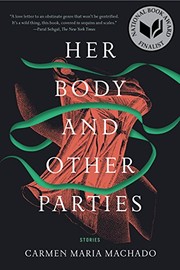
Her Body and Other Parties: Stories
Eight stories where bodies, medicine and old fairy tales get taken apart, with a green ribbon running through the whole book.
2,997-word summary · 13 min read

A Spool of Blue Thread
Four generations of the Whitshank family in Baltimore, and the silences, resentments and quiet love they hand down without ever saying so.
2,408-word summary · 11 min read

The Pilot's Wife
Kathryn Lyons's husband dies in a plane crash, and the investigation reveals a secret life that forces her to rethink their marriage.
2,006-word summary · 9 min read
And Every Morning the Way Home Gets Longer and Longer
An elderly grandfather, his son, and his grandson share memories and fears as the old man's mind begins to fade, in a short novel about grief and love.
2,078-word summary · 9 min read

The Tiger's Wife
A young doctor in a war-scarred Balkan country chases the stories her grandfather left behind, including a deathless man and a deaf girl who loved an escaped…
2,232-word summary · 10 min read
Family of Liars
The prequel to We Were Liars: Carrie Sinclair finally tells the story of the summer of 1987, the boy who died on Beechwood Island, and the lie her family built…
2,072-word summary · 9 min read

The Little Paris Bookshop
A Paris bookseller who prescribes novels as medicine finally opens a twenty one year old letter from his lost love and sails south through France to find her.
2,050-word summary · 9 min read
The Accidental Tourist
Grieving Macon writes travel guides for haters of travel, then Muriel intrudes.
2,252-word summary · 10 min read
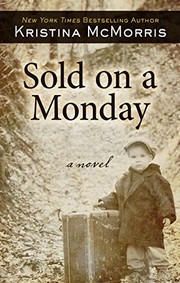
Sold on a Monday
A reporter hides a Depression photo of children for sale and must face the cost.
2,501-word summary · 11 min read

Kitchen
Orphan Mikage finds home in a kitchen with Yuichi and Eriko after loss.
2,597-word summary · 12 min read

Anna Dressed in Blood
Ghost hunter Cas meets Anna, the ghost who kills back.
2,622-word summary · 12 min read
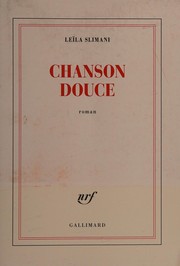
The Perfect Nanny
A trusted nanny kills two children, and the book traces how love and class hid warning signs.
2,200-word summary · 10 min read

The Broken Girls
A journalist revisits her sister's murder while a restored boarding school gives up a girl missing since 1950.
2,579-word summary · 11 min read

The Berry Pickers
A four year old vanishes from a Maine blueberry camp in 1962, and two families carry the loss for decades until Joe and Norma face the truth.
2,606-word summary · 12 min read
We Are All Completely Beside Ourselves
Rosemary tells of twin sister Fern, a chimp raised as family, and research fallout.
2,058-word summary · 9 min read
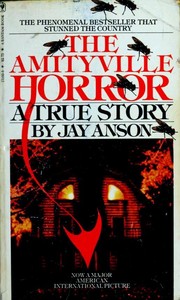
The Amityville Horror
The Lutz family flees 112 Ocean Avenue after 28 days of cold spots, voices, and flies, following DeFeo murders.
2,088-word summary · 9 min read
Later
Boy Jamie Conklin sees dead people who must answer truthfully, pulling him into NYPD cases and a drug crew's greed.
2,009-word summary · 9 min read

How to Sell a Haunted House
Siblings Louise and Mark must empty puppet filled parents house that fights back.
2,085-word summary · 9 min read
Gallant
Mute Olivia Prior returns to Gallant manor where ghouls walk and a shadow Recommends.
2,081-word summary · 9 min read
Duma Key
After losing his arm, Edgar Freemantle paints on a Florida island and learns his pictures can open doors for something hungry.
2,530-word summary · 11 min read
A Tale for the Time Being
A diary by bullied Tokyo teen Nao washes up in Canada, pulling novelist Ruth into her family past.
2,148-word summary · 10 min read