
Reading options
What's inside (6 sections)
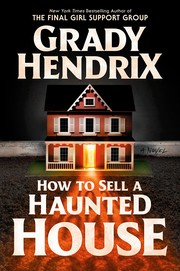
I read How to Sell a Haunted House with all lights on and still checked closets, which tells you Hendrix did his job. Berkley published it January 17, 2023, a 432 page hardcover with ISBN 9780593201268. It is a standalone horror novel about siblings Louise and Mark clearing puppet filled parents house that fights back. If you like horror with heart, sibling fights that feel real, and puppets that should never move, open carefully. Pupkin waits.
Louise Joyner left Charleston, built a life, had a daughter, divorced. She returns after parents die to sell the house stuffed with father academic career and mother lifelong puppet obsession. She does not want to deal with brother Mark, who never left, gets fired a lot, resents her success. They must empty the house together because it will take more than paint and memories to sell. Some houses do not want to be sold. Their home has other plans. Pupkin, a creepy puppet with stumpy legs and nubbin arms, stars in childhood shows and now in nightmares. He moves when no one looks. Then when looked at. Then he talks.
Siblings as heart give the book weight beyond scares. Louise is competent, controlled, angry at parents for loving puppets more than people? Actually mother loved puppets as art and comfort. Mark is charming, flaky, wounded by being left. They revert to fifteen instantly. Who got bigger room. Who Mom liked best. Who failed most. Hendrix writes sibling dialogue with painful accuracy. Teasing that covers love. Fights that reopen old cuts. Louise thinks Mark never grew up. Mark thinks Louise abandoned. Both right. Both hurt. Clearing parents house forces sorting objects and grievances together. Keep, toss, donate. Each object asks who we were. Each answer differs. That sifting is grief work horror fans know. It hurts more than ghosts at first. Then ghosts join.
Pupkin and puppets
Pupkin as monster deserves detail because he is truly nightmare fuel. Stumpy fabric legs. Nubbin arms. Button eyes. Felt mouth sewn in smile that opens wider than should. He starred in mother childhood show with lessons about sharing. Now he moves. First small things. Turned chair. Open book. Then bigger. Footsteps in attic. Whispers in walls. Then attacks. He does not just scare. He possesses other puppets, dolls, figures into an army. A puppet that is truly stuff of nightmares, as Times says, because he is familiar turned wrong. Childhood friend as killer. Hendrix taps a primal fear. Toys watch. They remember being loved and left. Pupkin wants Louise and Mark to play forever as puppets themselves. No thanks. Burn him? He returns. Drown him? He floats. Listen to him? That works partly, which is worse. He has reasons. Hear them and shiver more.
Puppet lore runs deep and fun for horror nerds. Mother collected, performed, taught. Father studied? Actually father academic. The house is museum of felt. Each puppet has name, show, trauma. Hendrix gives puppet interludes, backstories in show voice that turn dark. A bunny who teaches sharing then eats. A clown who laughs then bites. These shorts break main narrative like old TV episodes. Some readers skim. Do not. They plant rules. Puppets need players. Attention feeds. Neglect starves into rage. Louise and Mark fed Pupkin love as kids, then left for lives. He waited. Now he demands show. That demand mirrors parent grief. Kids leave. Parents wait. Houses keep. Play again or else. Creepy and sad together is Hendrix signature. Laugh while scared. Cry while laughing. Then check closet.
Parents house as museum of lives needs attention because clearing is the true plot. Academic papers stacked. Puppet stages dusty. Childhood rooms preserved. Louise wants to sell fast to fund daughter future. Mark wants to keep because house is all he has. Realtor says declutter. They cannot. Every box holds Mom voice. Every puppet holds Dad laugh? Actually Dad tolerated? Details emerge slowly. Parents loved oddly but fully. Mother performed for kids when young, then for no one. Father supported though embarrassed. Their deaths, close together, leave twins? Actually siblings untethered. Sorting becomes eulogy. Keep the teapot though chipped. Toss the bills. Donate puppets? Cannot. Pupkin forbids. That forbidding forces siblings to face what parents left unsaid. We loved you differently. Forgive us. Forgive each other. Horror that ends in forgiveness hits harder than jumps. Jumps fade. Forgiveness stays. Even with puppets watching.
Sibling horror done right
Sibling horror done right needs praise because Hendrix nails it after Exorcism friendship and Southern Book Club parenthood. This one is about being stuck as kids together after parents die. Louise and Mark know exactly how to hurt. She calls him loser. He calls her snob. Both true sometimes. Both unfair always. Their fights escalate from sniping to throwing objects to saying unsayable about who Mom loved best. Then danger forces teamwork. Mark distracts Pupkin with childhood song while Louise smashes stage. Louise distracts with fire while Mark grabs sister? Actually niece? Details blur purposefully in chaos. What stays is pattern. Fight, danger, cooperate, fight softer. By end they do not become best friends. They become siblings who can call. That modest repair feels true for adults with history. No hug fixes decades. Shared survival softens. Take it.
Childhood horrors as adult triggers work throughout. Basement dark. Attic sounds. Doll eyes following. Hendrix forces confrontation with efficiency and humor. Louise, competent adult, screams at a puppet and hates herself. Mark, slacker brother, stands firm when it matters and surprises both. Their dynamic flips. Responsible one panics. Flaky one steadies. That flip teaches that roles from childhood lie. People grow unevenly. Let siblings surprise at thirty. Mine did during a parent illness. Annoying little brother became steady driver. I became weepy mess. We laugh now. Hendrix captures that shift without speeches. Just show who drives at night while other navigates. Who holds flashlight. Small acts rewrite old stories. Play your new part. Let them play theirs.
Fair criticism is real. At 432 pages, middle clutter slows. Sorting boxes repeats. Puppet shorts interrupt momentum for some. Pupkin rules stay vague. Why this house. Why these siblings. Answers come late and partly. Gore, puppet bites, vomit, may repel sensitive though purposeful. Family grief themes may overwhelm horror fans wanting scares only. Still, balance lands for most. Heart plus horror is Hendrix brand for a reason. He cares about people puppets haunt. So will you, after 400 pages with Louise and Mark. You will want them to sell and to keep. Both impossible. Choose together, as they do, imperfectly. That choice is the true sale. Let go of house. Keep sibling. Pupkin watches from rearview. Drive anyway.
Who should read. Adults who love horror with heart fit best. Fans of Exorcism friendship, Southern Book Club parenthood will feel trilogy completion though standalone. Pair with Final Girl Support Group next for more Hendrix siblings? Actually final girls. Read with lights on and sibling on phone. Discuss who gets parents puppets in your family. Laugh. Shiver. Call brother after. Tell him about Pupkin. He will check closet too. That shared scare is the book gift beyond pages. Houses haunt. Siblings help sell, or keep, together. Listen for felt footsteps. Smile. Then run.
Parents, puppets, and grief work
Parents as puppet lovers need tenderness because the book mourns them while scaring with their collection. Mother performed shows for kids when young, then for empty rooms. Father supported though embarrassed, building stages, driving to gigs. Their deaths, close together, leave house full of felt witnesses. Louise remembers mother voice through Pupkin routines. Mark remembers father laugh at shows. Those memories hurt more than hauntings at first. Sorting puppets means deciding which voices to keep. Keep one small bear that comforted fevers. Donate the chorus. Burn Pupkin? Try. He returns. Grief returns too, no matter how staged. The book honors that return. Do not rush clearing after parents die, if you can. Sit among boxes. Listen for laughs in felt. Cry when a puppet you forgot waves from shelf. That waving is memory, not ghost, though Hendrix blurs. Let it blur. Love haunts kindly before horror hijacks. Hold the kind haunting first. It sustains through scary nights. Call sibling to sort together. Do not sort alone if you can help it. Grief shared halves. Puppets shared halve too. Even Pupkin.
Grief work as plot engine deserves naming for readers who came for scares and stayed for tears. Louise avoids home because home means parents gone. Mark stays because leaving means admitting they are gone. Both strategies fail. Avoidance brings nightmares. Staying brings stagnation. Clearing together forces middle path. Touch each object. Decide. Keep, toss, donate. Each decision practices letting go while honoring. Therapists recommend similar for bereaved. Hendrix dramatizes with puppets that refuse boxes. What will not box is unresolved love. Pupkin embodies that. He demands show because parents never finished his story. Finish by listening, then closing. Louise and Mark stage one last show for Pupkin, saying goodbye properly. That goodbye works where burning failed. Ritual, not fire, releases. Try it with your own Pupkins. Write the unsent letter. Perform the silly song. Say thanks and goodbye out loud. Houses lighten. Siblings breathe. Drive on with rearview clear, mostly. Pupkin waves from memory, not backseat. Wave back kindly. Keep driving.
Puppets that persist
Puppet persistence beyond burning needs lore logic because readers ask why fire fails. Hendrix rules imply attention feeds. Puppets live on being watched, played, loved. Burning watched puppet releases energy into watcher. Drowning watched puppet soaks watcher dreams. Only unwatched neglect starves, but neglect angers too. Catch twenty two. Louise learns to bore Pupkin by refusing show while acknowledging pain. I see you hurt. I will not play your script. That boundary starves performance while honoring feeling. It works slowly, which frustrates horror pacing. Stay with slowness. Real hauntings, grief, addiction all yield to boredom plus care, not force. Stop feeding drama. Feed people instead. Call sibling instead of screaming at felt. Cook instead of burning. Puppets watch, bored, then quiet. Quiet is win. Not silence of grave. Quiet of toy on shelf, loved and left. Achieve that shelf. Place Pupkin high where kids cannot reach but can see. Nod mornings. Move on with day. Hauntings fade when shows end and love remains as memory, not demand. Practice with your own haunted objects. Photos, letters, gifts from gone. Display kindly. Do not perform daily. Nod. Move. Live. They watch proudly, not hungrily, when released from starring roles. Give them retirement. Take center stage yourself, with sibling beside. Play new show called next week. Invite parents memory as audience, not directors. They clap from wherever. Hear it. Smile. Drive on.
Childhood rooms as museums close the theme with detail worth savoring. Louise old room preserved with posters. Mark room with trophies. Parents kept both as shrines while living around them. Returning adults feel twelve instantly. Smells trigger. Louise smells strawberry shampoo and cries. Mark smells old sneakers and laughs. Those sense hits bypass adult armor. Hendrix knows. He stages sorting scenes by smell first. Open box. Inhale. Decide with nose before head. Keep the blanket that still smells. Toss the textbook that smells of fear. Noses know what hearts hide. Trust them while checking with sibling. Does this smell like love or duty. Keep love. Donate duty. Burn neither in anger. Anger smoke stains. Sort calmly with music on. Dance once among boxes. Parents would want dance more than perfect sale. Sell house eventually, yes. Keep dance first. That order heals. Houses sell. Memories keep dancing if let. Let them. Play song parents loved. Move boxes to beat. Laugh at Pupkin face in corner. He taps foot despite himself. Even haunted felt loves music. Play on.
Childhood rooms as museums close the theme with detail worth savoring. Louise old room preserved with posters. Mark room with trophies. Parents kept both as shrines while living around them. Returning adults feel twelve instantly. Smells trigger. Louise smells shampoo and cries. Mark smells sneakers and laughs. Those sense hits bypass adult armor. Hendrix knows. He stages sorting scenes by smell first. Open box. Inhale. Decide with nose before head. Keep the blanket that still smells. Toss the textbook that smells of fear. Noses know what hearts hide. Trust them while checking with sibling. Keep love. Donate duty. Sort calmly with music on. Dance once among boxes. Parents would want dance more than perfect sale. Sell house eventually. Keep dance first. That order heals.
FAQ
When was it published?
Berkley published it January 17, 2023. The hardcover runs 432 pages with ISBN 9780593201268.
Is it part of a series?
No. It is a standalone horror novel.
Who should read it?
Adults fit best. There is puppet horror, grief, and gore.
Similar books
My Best Friend's Exorcism
Abby fights to save possessed best friend Gretchen in 1988 Charleston Satanic Panic horror.
2,115-word summary · 9 min read
A Head Full of Ghosts
A broke Massachusetts family lets a reality TV crew film their daughter's exorcism, and fifteen years later the only survivor tries to explain what really…
2,588-word summary · 12 min read
Hard Luck
Rowley has a girlfriend, so Greg turns to a Magic 8 Ball, a family Easter hunt and the school yearbook for answers.
2,586-word summary · 11 min read
Chainsaw Man, Vol. 1: Dog and Chainsaw
A broke teenage devil hunter and his chainsaw dog get a second life, a government leash, and a fight that stops mid-swing in Fujimoto's horror comedy.
2,584-word summary · 11 min read
Act Your Age, Eve Brown
Eve Brown crashes into a Lake District bed and breakfast, breaks the owner's arm, and talks her way into his kitchen. A grumpy-sunshine romance about work,…
2,474-word summary · 11 min read
George's Marvellous Medicine
George stirs a brew of dozens of household chemicals and gives it to his grumpy grandmother, and the medicine works far better than anyone planned.
2,014-word summary · 9 min read

2 States: The Story of My Marriage
A Punjabi boy from Delhi and a Tamil Brahmin girl from Chennai meet at IIM Ahmedabad, and turn a love marriage into a campaign to convince two families.
2,634-word summary · 12 min read
The Zombie Survival Guide: Complete Protection from the Living Dead
Max Brooks's deadpan survival manual explains the Solanum virus, the only ways to destroy the living dead, fortifying a home, and the outbreaks history quietly…
2,650-word summary · 12 min read
Dial A for Aunties
A wedding photographer accidentally kills her blind date, and her mother and three aunties help her hide the body during the biggest wedding of their careers.
2,076-word summary · 9 min read

Cold Sassy Tree
In 1906 Georgia, fourteen-year-old Will Tweedy watches his widowed grandfather marry a much younger woman three weeks after his grandmother's funeral.
2,154-word summary · 10 min read
Beezus and Ramona
Nine year old Beezus tries to be a good older sister while four year old Ramona turns every ordinary day into a disaster, until a tenth birthday forces honesty.
2,062-word summary · 9 min read

Warm Bodies
Zombie R eats Perry, spares Julie, and starts turning human again.
2,366-word summary · 11 min read

Anna Dressed in Blood
Ghost hunter Cas meets Anna, the ghost who kills back.
2,622-word summary · 12 min read
Vera Wong's Unsolicited Advice for Murderers
A widowed teashop owner pockets a flash drive from a dead man and mothers her suspects into confessing.
2,564-word summary · 11 min read
The Broken Girls
A journalist revisits her sister's murder while a restored boarding school gives up a girl missing since 1950.
2,579-word summary · 11 min read
The Amityville Horror
The Lutz family flees 112 Ocean Avenue after 28 days of cold spots, voices, and flies, following DeFeo murders.
2,088-word summary · 9 min read
Mr. Wrong Number
After a fire and a wrong-number text, Olivia falls for a stranger who is closer than she thinks in this funny Omaha rom com.
2,248-word summary · 10 min read
Later
Boy Jamie Conklin sees dead people who must answer truthfully, pulling him into NYPD cases and a drug crew's greed.
2,009-word summary · 9 min read

Holidays on Ice
Six Christmas pieces, from a Macy's elf stint to a feral family newsletter. Sedaris at his sharpest and most sentimental.
2,410-word summary · 11 min read
Gallant
Mute Olivia Prior returns to Gallant manor where ghouls walk and a shadow Recommends.
2,081-word summary · 9 min read
Cabin Fever
Greg Heffley gets snowed in with his family before Christmas while dodging blame for school property damage.
2,221-word summary · 10 min read
This Is Not About Us
Sisters Sylvia and Helen Rubinstein feud over apple cake in linked stories spanning divorces, bat mitzvahs and three generations of family life.
2,064-word summary · 9 min read
The Valley of Vengeful Ghosts
A grieving therapist buys a model home in a rainy valley where the walls leak ghosts.
2,035-word summary · 9 min read
The Ugly Truth
Greg faces puberty, a school lock-in and Uncle Gary's wedding while Mom returns to college in Wimpy Kid book five.
2,766-word summary · 12 min read
The Hypnotist's Love Story
A hypnotherapist falls for a widower whose ex keeps watching from the shadows.
2,490-word summary · 11 min read
The Humans
An alien borrows Andrew Martin's life to erase a proof, then a dog, peanut butter, and a tired family win him over.
2,959-word summary · 13 min read
Tales of a Fourth Grade Nothing
Nine-year-old Peter Hatcher tries to get through fourth grade while his toddler brother Fudge steals every scene.
2,469-word summary · 11 min read
Sing, Unburied, Sing
A Mississippi family drives to Parchman prison while ghosts press close, and a dying grandmother holds the house together.
2,871-word summary · 13 min read
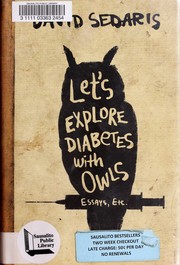
Let's Explore Diabetes with Owls
Sedaris gets French dental work, feeds a kookaburra in Australia, shops for a stuffed owl in London, and survives China, airports and a colonoscopy.
2,538-word summary · 11 min read

Heart-Shaped Box
A washed-up rock star buys a haunted suit online and must face the vengeful ghost attached to it.
2,980-word summary · 13 min read