
Reading options
What's inside (9 sections)
I picked up Tales of a Fourth Grade Nothing because a friend who teaches third grade told me it was the one book her class always finished. She said the turtle part destroyed them every year. I had read Are You There God? It's Me, Margaret as a kid and remembered Judy Blume as warm and direct. I expected something similar here. What I found was funnier and more annoyed, in a good way.
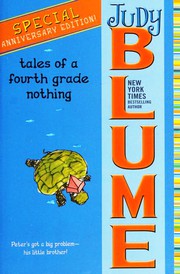
Tales of a Fourth Grade Nothing by Judy Blume was first published in 1972 by Dutton. The edition most kids meet now is the Puffin paperback, 160 pages with ISBN 9780142408810. It is book 1 in the Fudge series and it is written for ages 8 to 12. The whole story is told by Peter Warren Hatcher, who is nine and in fourth grade.
Peter lives with his family in an apartment building in New York City. His father Warren works in advertising. His mother Anne keeps the apartment running. That little brother is Farley Drexel Hatcher, called Fudge. He is two and a half at the start and turns three during the book.
The setup is simple. Peter wants a normal fourth grade life. He wants his room left alone. He wants his parents to notice when he does something right. Fudge wants attention all the time and gets it. He cries loud. He laughs loud. He throws food. He repeats what Peter says. Grown ups think he is cute. Peter knows better.
Dribble arrives
The book opens at a birthday party. Peter goes to his best friend Jimmy Fargo's party and guesses how many jelly beans are in a jar. He wins. The prize is a tiny green turtle in a glass bowl.
Peter names him Dribble. He carries him home like treasure and puts the bowl on his dresser. He promises his mother he will take care of him alone. His mother is not thrilled about a turtle in the house, but she agrees.
Then Fudge sees Dribble.
Peter tells him straight, that is my turtle, do not touch him. Fudge laughs like crazy. That laugh shows up a lot in this book. It means trouble is coming.
I liked this opening because it gives Peter something small that is fully his. Dribble fits in a bowl. Peter takes the job seriously.
Fudge is fascinated. He stands on chairs to peek. Peter starts keeping his bedroom door latched. That latch matters later.
They live high up with an elevator man who knows everyone. Jimmy Fargo lives close enough to walk to. Blume drops a detail and moves on.
Dribble is small, but he carries the whole book.
The Yarbys sleep over
Warren works on an account for Juicy-O, a drink company that sends crates to their apartment. His client is Howard Yarby, the company president. Mr. Yarby and his wife are coming to New York and Warren invites them to stay with the Hatchers instead of a hotel. Anne cleans. She moves Fudge's crib into Peter's room so the guests can have Fudge's room. Peter hates sharing. He offers to sleep on the couch. His mother says no.
The day they arrive goes wrong fast. Anne puts flowers in the middle of the table. Two go missing. Fudge is chewing. Anne pulls a rose petal from his mouth and has to call the doctor. Peter tastes a flower while his mother is busy with Fudge. It tastes awful.
Mrs. Yarby makes a big fuss over Fudge when they arrive. She brings him a windup train that makes a lot of noise. She brings Peter a picture dictionary, the kind he liked when he was four. She admits she does not know what big boys like. Peter thanks her and tries to be polite.
Fudge ruins it. He runs into Peter's room and brings out Peter's old worn out picture dictionary, the same kind. Mrs. Yarby gets cold and says her gift is returnable, as if Peter planned it. Anne smooths it over.
Dinner is worse. Fudge is supposed to sleep. He comes out carrying Dribble in his bowl during the roast beef and shows him to Mrs. Yarby. She yells to get that thing away from her. Peter puts Dribble back. On his way back he hears the Yarbys say that if they had children they would teach them manners.
Then dessert. Fudge runs out in a rubber gorilla mask from Halloween. Mrs. Yarby screams. Anne spills coffee.
Morning brings more. Peter wakes to find Dribble crawling on his arm and Fudge standing over his bed. An hour later Fudge is playing loudly with the new train. The Yarbys announce after breakfast that they are moving to a hotel.
Warren loses the account, or at least it cools. He seems almost relieved to have those guests out. Peter feels guilty and angry at once.
This chapter sets the pattern for the book. Fudge makes a mess. Adults laugh or sigh. Peter cleans up or takes the blame.
Eat it or wear it
After the Yarbys leave, Fudge stops eating. First he pretends to be a dog. He will only eat off the floor. Then he refuses food altogether.
Anne worries. She takes him to doctors. They all say the same thing. Nothing is wrong. He will eat when he is hungry. Anne does not believe it. She coaxes. She makes special meals. The apartment fills with tension around the table.
Peter watches this with growing irritation. He eats his meals. Nobody praises him for it. All the attention goes to the kid who will not eat.
The fix comes from Warren. One night he puts a bowl of cereal in front of Fudge and tells him to eat it or wear it. Fudge tests him. Warren pours the bowl over his head. Cereal everywhere. Milk down his face.
Fudge eats after that.
The phrase sticks in the family. Eat it or wear it. Reading the scene now, it plays as funny and a little harsh. Warren is at the end of his rope.
I had mixed feelings here. On one hand, it is satisfying to see a parent set a limit. Peter has waited chapters for someone to set one. On the other hand, the book treats dumping food on a toddler as a comic win. A modern parent reading aloud might pause. I did.
Still, the chapter nails how food battles take over a house. The worry. The wasted meals. The sibling who sits quietly and wonders why being easy gets him nothing.
Teeth, parties and errands
The middle of the book is a string of small disasters. They come fast. That is the point. Life with Fudge is one thing after another.
Peter and his friends end up watching Fudge for a few minutes in Central Park. They look away. Fudge climbs the jungle gym and tries to fly. He jumps. He knocks out his two front teeth. Blood and crying. Peter is sure he will be blamed. The adults focus on Fudge, of course. Fudge, missing teeth and lisping, loves the attention.
Then Fudge turns three. Anne invites three little friends for a short party. It is chaos. One kid bites. One eats too much. One is scared of everything. Presents get grabbed. Cake gets smeared. Peter helps and counts the minutes until it ends. So does Anne. The relief when the last guest leaves is so strong you can feel it on the page.
One Saturday Anne takes both boys out to run errands. At the dentist, Fudge will not open his mouth until the dentist makes it a contest with Peter. At the shoe store, Fudge will not try shoes on until Peter pretends to try the same kind.
Peter is embarrassed to be used as bait, but he also likes being the example that works. It is one of the few times his age feels like power instead of a burden.
There is not much plot here in the usual sense. Just a mother trying to get through a list while a toddler tests every stop.
A fair criticism belongs here. These chapters repeat the same beat. Fudge refuses. Peter performs. Fudge complies. The first time it is funny. The third time I wanted Blume to give Peter a win that had nothing to do with Fudge.
Posters, bikes and bears
School finally pushes Peter past his limit. His class does a project on the city. His group gets transportation. They make a poster with pictures and labels. Peter brings it home to finish. Fudge gets into his room and scribbles all over it.
Peter is furious. This is school, not home. This counts. Anne actually punishes Fudge this time with a spanking, a rare moment in the book where Fudge faces a clear consequence. Peter does not enjoy it as much as he thought he would. The poster is still ruined. He has to face his group and explain that his baby brother drew on their work.
Then Anne leaves town. She goes to Boston to help her sister Linda with a new baby. Warren is in charge. He takes the boys to his office on a day Peter has off school. A client for Toddle-Bike, a company that makes little bikes, needs a young child for a commercial. Fudge gets picked. Peter is stuck watching his brother become famous while he sits on the side.
Fudge will not ride at first. Then they ask Peter to show him how. Peter rides the small bike around, feeling silly, and Fudge decides he wants to do it because Peter did it.
The movie day follows. Warren takes both boys to see a G rated film about bears. Fudge jumps in every puddle on the way and arrives soaked. In the theater he talks. He throws popcorn. Peter thinks he is too young for movies. Then Fudge goes quiet watching the bears. Peter starts to enjoy the film too. He turns to ask about popcorn and Fudge is gone.
Fudge thought the bears were real. He leaves his seat to find them. The theater stops the film. The lights come up. Staff search. They find him, but Peter's heart is pounding the whole time. They do not tell Anne when she gets back.
The day Fudge ate Dribble
Peter says he will never forget Friday, May tenth. He comes home from school and goes to check Dribble, the way he always does. The latch on his door is unhooked. A chair is pushed up near it. The bowl is empty.
He searches his room. His stomach drops. He asks his mother. She asks Fudge. Fudge smiles and giggles in that way that means he knows something. They press him. He shouts that he ate him.
At first Peter thinks it is a joke. Then he understands. Fudge swallowed Dribble.
Anne panics. She calls for help and they rush Fudge to the hospital. Peter feels split. He worries Fudge will need an operation. He also burns because nobody seems sad about Dribble.
At the hospital they x ray Fudge. You can see Dribble in there. The doctor gives Fudge castor oil and milk of magnesia to help him pass the turtle. He tells Peter gently that he will need a new turtle. Peter hears what that means. Dribble will not live through this.
Fudge has to stay overnight. Grandma comes to stay with Peter. If the turtle does not come out, the doctors say they may have to operate. In the middle of the night the phone rings. Fudge no longer has a turtle inside him. Peter no longer has Dribble.
The next morning Fudge comes home to presents. Everyone is so glad he is all better that they load him with gifts. Peter is disgusted. Fudge ate his pet and gets toys for surviving it. That night Warren comes home with the biggest box of all. Peter assumes it is for Fudge. It is for him.
Warren and Anne tell Peter they saw how he handled a hard couple of days. They call him a good sport. Peter says he does not want another turtle. Nothing can replace Dribble that fast.
He reaches into the box and feels something warm and soft and furry. A puppy. Just for him. Warren tells Fudge plainly that this dog belongs to Peter. Fudge nods and repeats it in his toddler way. Warren jokes the puppy will grow too big for Fudge to swallow.
Peter names him Turtle.
I cried a little at that name, even knowing it was coming. It is Peter keeping Dribble with him without pretending a new pet fixes the loss. The puppy does not erase what happened, and Blume does not pretend it does.
Parents should know this chapter hits hard. Dribble dies. Peter grieves while everyone celebrates Fudge.
What creaks and what still holds
No honest retelling can skip the parts that drag. The book is episodic by design. Each chapter is one Fudge stunt. Readers who want a building mystery may get restless around the middle.
The parents bothered me more on reread. Warren and Anne love Peter, I believe that, but they spend most of their energy managing Fudge. They laugh off behavior that needs a firm no. The late gift of a puppy helps, yet it comes after loss.
Some details feel tied to their time. Anne stays home while Warren works. The discipline, including Anne spanking Fudge over the poster and Warren dumping cereal, reads as older style parenting.
Fudge himself can wear thin. He is two and a half, so his behavior is true for that age, but Blume keeps him loud for most of the book. A reader who lives with a toddler may find it too close to home.
Even so, much still holds. The sibling jealousy feels exact. Peter loves Fudge and resents him in the same hour. Blume lets him hold both.
The humor holds best of all. Eating flowers. The gorilla mask. The windup train at dawn. Trading stamps stuck on a suitcase. Kids still laugh at them. I did, even while taking notes.
I closed the Puffin edition thinking about Peter saying he feels like a fourth grade nothing. He does not get a grand speech. He gets a dog that is his alone and parents who finally say they noticed. It tells kids that jealousy does not make them bad. It also tells parents, if they listen, to look over at the quiet kid while the loud one throws his food.
If you give this to a reader, try the early chapters aloud. Save the Dribble chapters for a time when you can talk after. Ask who got attention and why.
FAQ
When was Tales of a Fourth Grade Nothing published?
It was first published in 1972 by Dutton. The widely available Puffin paperback runs 160 pages.
Is Tales of a Fourth Grade Nothing the first Fudge book?
Yes. It is book 1 in the Fudge series and introduces Peter Hatcher and his little brother Fudge. It was followed by Otherwise Known as Sheila the Great.
Is this book okay for young readers given what happens to Dribble?
It suits ages 8 to 12, but sensitive animal lovers should know Fudge swallows Peter's turtle Dribble and the turtle dies. The ending gives Peter a puppy he names Turtle.
Similar books
More from Fudge first, then related titles.

Hard Luck
Rowley has a girlfriend, so Greg turns to a Magic 8 Ball, a family Easter hunt and the school yearbook for answers.
2,586-word summary · 11 min read
Beezus and Ramona
Nine year old Beezus tries to be a good older sister while four year old Ramona turns every ordinary day into a disaster, until a tenth birthday forces honesty.
2,062-word summary · 9 min read
The Last Straw
Frank wants Greg toughened through sports while Greg dodges everything and military school looms.
2,020-word summary · 9 min read
Matilda
Brilliant Matilda Wormwood teaches herself to read, faces her crooked parents and the fearsome Miss Trunchbull, and finds Miss Honey.
2,296-word summary · 10 min read
George's Marvellous Medicine
George stirs a brew of dozens of household chemicals and gives it to his grumpy grandmother, and the medicine works far better than anyone planned.
2,014-word summary · 9 min read
The Third Wheel
Greg tries to find a date for the Valentine's dance, ends up the third wheel in his own plan, and watches Rowley get the girl.
2,019-word summary · 9 min read
Sideways Stories from Wayside School
Thirty stories, one class per floor, and a teacher who turns students into apples: Louis Sachar's absurd school classic.
2,045-word summary · 9 min read
Tales from a Not-So-Fabulous Life
Nikki starts private school and writes mean-girl survival in her diary.
2,587-word summary · 11 min read
Miss Nelson Is Missing!
Room 207 gets kind Miss Nelson, then terrible Viola Swamp instead.
2,597-word summary · 12 min read
Frindle
Nick Allen calls a pen frindle, defies Mrs. Granger and a school ban, and watches the joke grow into news, trademarks, and a dictionary entry.
2,405-word summary · 11 min read
Flipped
Juli Baker and Bryce Loski retell second grade to eighth grade from opposite sides, through a sycamore sit, trashed eggs, a yard fix-up, and one tense family…
2,689-word summary · 12 min read
Cabin Fever
Greg Heffley gets snowed in with his family before Christmas while dodging blame for school property damage.
2,221-word summary · 10 min read
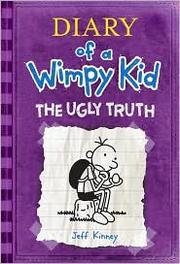
The Ugly Truth
Greg faces puberty, a school lock-in and Uncle Gary's wedding while Mom returns to college in Wimpy Kid book five.
2,766-word summary · 12 min read
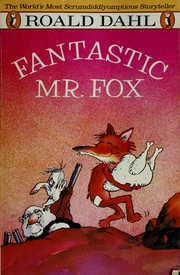
Fantastic Mr. Fox
Mr. Fox raids three cruel farmers to feed his family, then outdigs tractors and a siege to host a feast underground.
2,910-word summary · 13 min read
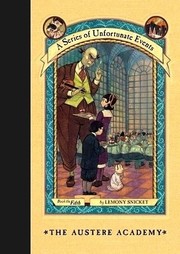
The Austere Academy
The Baudelaires endure Prufrock Prep, meet the Quagmires, and face Olaf as Coach Genghis in book five.
2,175-word summary · 10 min read
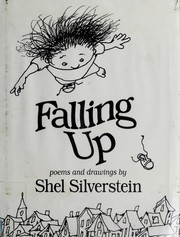
Falling Up
Poems about falling up, messes that win and tender goodbyes in between.
2,055-word summary · 9 min read
The Miserable Mill
Sent to work at the Lucky Smells Lumbermill, the Baudelaires face harsh labor, strange hypnotism, and a familiar villain in a new disguise.
2,662-word summary · 12 min read
Rodrick Rules
Greg Heffley starts a new school year hiding a summer secret with Rodrick, whose party, photos, and talent show chaos threaten to expose everything.
2,971-word summary · 13 min read
If You Give a Mouse a Cookie
A mouse gets a cookie and turns one small favor into a whole busy day.
2,560-word summary · 11 min read
A Light in the Attic
Silverstein's attic poems and line drawings turn chores, monsters, and homework into jokes and small rebellions.
2,998-word summary · 13 min read
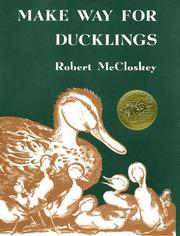
Make Way for Ducklings
A pair of mallards raise eight ducklings on the Charles River and lead them across Boston to the Public Garden, with a little help from a friendly policeman.
2,044-word summary · 9 min read

Little Town on the Prairie
In the spring after the Long Winter, fifteen-year-old Laura sews shirts, studies for a teaching certificate, and helps send her blind sister Mary to college.
2,071-word summary · 9 min read
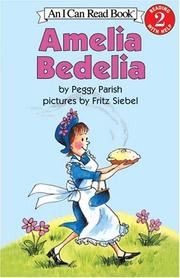
Amelia Bedelia
A literal-minded housekeeper follows her employer's list to disastrous and funny effect in the 1963 picture book that made wordplay a children's staple.
2,038-word summary · 9 min read
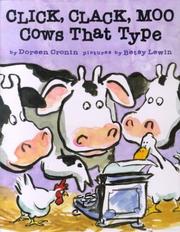
Click, Clack, Moo: Cows That Type
Cows learn to type, demand electric blankets, and go on strike in a deadpan picture book about negotiation and withheld labor.
2,617-word summary · 12 min read
Caps for Sale
A peddler balances his caps on his head, naps under a tree, and wakes to find monkeys wearing his stock in this 1940 picture book.
2,787-word summary · 12 min read

Act Your Age, Eve Brown
Eve Brown crashes into a Lake District bed and breakfast, breaks the owner's arm, and talks her way into his kitchen. A grumpy-sunshine romance about work,…
2,474-word summary · 11 min read
The Stinky Cheese Man and Other Fairly Stupid Tales
Scieszka and Lane Smith take nine fairy tales apart, joke by joke, while Jack, the narrator, keeps losing the pages.
2,206-word summary · 10 min read
The House We Grew Up In
The Bird family of the Cotswolds breaks apart after a suicide and spends twenty years not talking about what happened.
2,198-word summary · 10 min read

2 States: The Story of My Marriage
A Punjabi boy from Delhi and a Tamil Brahmin girl from Chennai meet at IIM Ahmedabad, and turn a love marriage into a campaign to convince two families.
2,634-word summary · 12 min read