
Reading options
What's inside (8 sections)
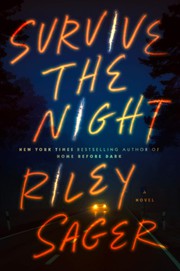
I picked up Survive the Night because a friend said it was the most 1991 book she knew. That sold me. The book came out in 2021 from Dutton and runs 324 pages. I like road stories and I like movies about road stories, so a thriller about a film student stuck in a car all night sounded right. I read it in two sittings, late, with my phone across the room. By page fifty I was checking locks.
The hook is simple. November 1991. Charlie Jordan is a college film lover who sees life through rentals and late cable. Her best friend Maddy has just been murdered. Police say Maddy is the third victim of a man the papers call the Campus Killer. Charlie is wrecked with guilt and grief. She decides she has to leave school now, get home to Ohio, sit with family, breathe. The bus feels wrong, slow and exposed. The campus ride board looks faster. A stranger named Josh Baxter is driving the same way and has room. She takes the seat. Then she starts to wonder if Josh is the killer.
Sager sets Charlie up fast and with care. She is not a detective. She is twenty or so, tired, sad, angry at herself for small fights she had with Maddy that now feel huge. She studies film, so she keeps a running list in her head of final girls and bad decisions. Do not go in the basement. Do not split up. Do not trust the nice man with the flat tire. She knows the rules and still breaks them because she needs a ride and has no money and no better plan. That felt true to me. Fear does not make people smart on the spot. It makes them argue with themselves.
Maddy hangs over everything. They were close in the messy college way, sharing food and tapes and rides and secrets. Maddy had a life Charlie only half knew, nights out Charlie skipped, people Charlie did not meet. After the murder Charlie replays every call she missed and every time she said she was busy. Grief here is not noble. It is sour and restless. She leaves campus partly to mourn and partly to stop seeing Maddy's empty chair and the flyers and the news vans.
Josh Baxter at first seems fine. College age, easy talk, a car that runs. He says he needs to get home to help his sick father. He is polite at the board, loads her bag, checks the map. Then the small wrong things start. His story about his father shifts. Times do not line up. He does not want her to look in the trunk. He takes a strange route. He knows things he should not know or forgets things he should know. Charlie notices because she has nothing to do but watch him drive. A passenger sees a lot. Hands, eyes in the mirror, how he pays, how he talks to clerks.
The ride board and the long road
The early chapters live at the ride board and the parking lot. That felt right for 1991. No phones in pockets. No apps to check a driver rating. You wrote your name on a card, you met by a pole, you judged a stranger by his coat and his smile. Charlie talks to a couple of people, dithers, almost backs out. Josh is patient in a way that later reads two ways, kind or hunting. She gets in.
The plan is Ohio by morning, highways then smaller roads, gas and food as needed. Night comes fast in November. The car gets cold then hot. Radio fades. Nirvana on a tape, talk radio, static. Sager does good work with the dull parts of a long drive. Mile markers. Exit signs. The smell of heat and old seats. Charlie tries to sleep and cannot. She counts lights. She keeps her bag on her lap.
What makes the book move is that Charlie cannot call for help in any normal way. This is 1991. Pay phones when you can find one. No text. No location sharing. If she leaves the car at the wrong exit she is alone on a dark road in the cold. If she stays she may be sitting next to a murderer. Every stop becomes a test. Can she slip away at a gas station. Can she get a clerk alone. Can she leave a note in a bathroom. Can she get a license number without being seen. I felt the math of it. Staying feels safer until it does not.
Her film brain both helps and hurts. She keeps thinking, what would the girl in the movie do. Sometimes that saves her. She watches hands. She watches exits. She remembers to look for keys and to keep her shoes on. Sometimes it traps her. She sees plots where there is only rudeness or nerves. Josh is awkward at a counter. Is that guilt or just a tired guy. He snaps about the trunk. Is that a body or tools and dirty laundry. Sager lets her be wrong in small ways so you stop trusting her read.
Holes in the story
Josh says his father is sick. That is why he is rushing home. Charlie, who has lied to her own parents about grades and money, hears the seams. Which hospital. Which town. When did the call come. Why pack like that. Josh answers, then answers a little differently later. He says he does not smoke, then she smells smoke. He says he has not eaten, then there is a wrapper. None of this proves murder. All of it keeps her awake.
The trunk becomes a character. He parks so she cannot see in when he opens it. He moves fast to shut it. He gets tense when she drifts near the back of the car. In a modern book she would snap a photo. Here she has to invent reasons to walk back there. Drop a pen. Tie a shoe. Ask about a spare blanket because she is cold. Each try spikes the pulse because Josh watches her back.
They stop for gas and food along empty stretches. Neon lots, buzzing signs, coffee that tastes like the pot. Charlie tries to make contact without setting Josh off. A look to a cashier. A long stay in a restroom hoping someone comes in. A coin for a pay phone with a line behind her. Sager is good at how hard it is to ask for help when the threat is standing three feet away pretending to pick candy. You cannot say, I think this man kills girls. You have to smile and say, long drive, huh.
Strangers drift in and out. A tired waitress who has seen too many night drivers to care. A clerk who wants to close. A trucker who might help or might be worse. A state trooper who is there and gone. Charlie weighs each one. Is this my chance. Will Josh follow me. Will anyone believe a scared girl with no proof at 2 a.m. I liked these scenes best because they show how thin safety is without a phone. Help is a building with lights on, and even that can be empty.
The middle also fills in Maddy. Flashes, not full chapters. A party Charlie left early. A ride Maddy took. A fight about a boy. A message Charlie did not return. Sager does not make Maddy a saint. She was fun and sharp and sometimes careless with people. Charlie loved her and envied her and felt left behind by her. That mess makes the guilt bite. Charlie was supposed to be there that night and was not. Now she is in a car with a man who might have been there instead.
Movies in her head
Charlie studies film for real, not as set dressing. She thinks in shots and cuts. A gas station is an establishing shot. A locked door is a close up. She remembers how heroines get out of trunks, how they break taillights from inside, how they leave trails. She also remembers how often they die doing brave dumb things.
This could have been cute. It is mostly useful. When panic rises she gives herself jobs. Note the plate. Note the exit number. Note what he buys. Keep change for a phone. Keep your bag. Keep your coat. The movie rules give her a script when her own thoughts scatter. The flaw is she also expects a script from Josh. Killer monologue. Mask slip. Music cue. Real people do not oblige. Josh stays blurry, kind one minute, cold the next, tired, wired, funny, flat. She keeps recutting him in her head.
I liked one long stretch where she plays a game with herself to stay calm. Name the film this rest stop is from. Name the actress who would play the clerk. It reads like nerves, not cleverness. Film is her blanket. When the car goes quiet she pulls it up. When Josh asks what she studies and she tells him, his reaction matters. Does he laugh. Does he use it. Does he test her. A man who wants trust will ask about your major. So will a man who wants rope.
Sager also uses period detail without winking too hard. Tape decks. Paper maps. Toll baskets. Smoking indoors. Cash for gas. A campus with flyers and a ride board and a dorm phone that rings and rings. No one can google Campus Killer victims. Charlie carries what she read in papers and heard on TV. Rumor fills gaps. That is why Josh can look guilty and innocent in the same ten minutes. She does not have facts. She has fear and a long night.
Cat and mouse on black roads
By the second half the book is pure cat and mouse. Charlie tries small escapes and Josh adjusts. She asks to stop. He says soon. She asks for a different route. He says this is faster. She tries to stay in public. He pays fast and steers her out. He is not dragging her. That is the scary part. He does not need force. The road does it. Cold, dark, no ride, no money, no phone. Leaving is jumping out of the only warm box for miles.
There are moments when Charlie almost gets free. A diner with people. A parking lot with a family. A phone that works. Each time something small breaks. Someone does not look up. Josh appears in the door. The line is too long. Her coins drop. I found these scenes more tense than any chase because they are about manners. To get help she has to make a scene, and nice girls in 1991 are trained not to. Scream in a parking lot. Accuse a polite young man with no proof. She rehearses it and chokes.
Josh gets stranger as night wears on. Or Charlie gets more tired and reads him darker. He drives too fast, then too slow. He talks a lot, then goes silent. He asks about Maddy in a way that feels hungry or just awkward. He knows the case details or he knows only headlines. Charlie tries traps. She tells a small lie to see if he bites. She asks about a town she invents. She watches his eyes. He catches her watching and smiles, and the smile can be read either way.
Sager keeps the car tight. Two people, dash light, breath fog, cups and wrappers, her bag as a wall. Outside is black road and late trucks and closed stations. I felt carsick in a good way. The best thriller chapters are boring on purpose, mile after mile, then a flare. Brake lights. A turn he should not take. A hand on her arm that lasts one second too long.
I will not spoil the exact late turns line by line, because they come fast and they change the shape of the night. The book stacks reversals about who Josh really is, what Charlie actually saw the night Maddy died, and who was driving which part of the story. Memory gets tricky. Grief makes a bad witness. Film logic makes a worse one. Sager wants you to rethink the ride board, the trunk, the sick father, the stops. Some rereads land. Some need you to accept that a tired scared narrator missed big things right in front of her.
What holds and what strains
What holds is the night itself. One car, one road, no easy exit, period correct. Sager knows how to stretch ten minutes at a pump into dread. The movie talk earns its keep. It is not trivia. It is how Charlie thinks under load. Maddy feels like a real friend, not a plot starter, because Charlie remembers fights and small debts, not just smiles. Josh as a maybe threat works for a long time because Sager lets him be ordinary. Most killers in real life look like ride shares, not monsters. That ordinariness is the point.
What strains is the pile of twists. The last stretch asks Charlie to have misread a lot and asks Josh to have run a long con with perfect timing on empty roads. Motives that felt muddy turn sharp too fast. A clue from hour two gets a big meaning in hour six that needs you to forget a simpler reading. I bought the fear and half bought the solution. Friends who love Sager will forgive it for speed. Readers who want clean fair play detection will grunt.
There is also the contrived problem Sager fans know. Coincidence does heavy lifting. The right stranger at the right pump. The wrong turn with no cars behind. A pay phone that works when the plot needs hope and fails when it needs dread. A trunk that stays shut because manners hold. I noticed each one and kept going because the voice stays urgent. But the morning after I listed them and the list was long.
Charlie as narrator splits readers. She is smart about film and shaky about people, brave in bursts, frozen in others. Sometimes she makes the exact wrong choice after naming the right one. That is human at 3 a.m. after loss. It is also frustrating across 300 pages. If you need a cool operator, she is not it. If you can sit with a grieving student who keeps narrating her own horror film while living it, she carries the book.
A note on content and who should pick it up
This is about a possible serial killer, so the cloud is death of young women. Maddy's murder is discussed, not shown in lingering detail. There is fear, grabbing, driving fast, threats with hands and tools, blood talked about more than seen. No long torture scenes. Language and drinking fit college and late night diners. Sex is talked about little. The worst images are road images, a dark lot, a trunk that will not open, a girl alone deciding whether to run into woods.
Read it if you like single night thrillers, 1990s without cell phones, and heroines who think through movies. Skip it if twist stacks annoy you or if being trapped in a car for 200 pages sounds airless. For me the middle hundred pages are the book. A girl, a maybe killer, black road, small choices with big weight. The ending argues with itself. The drive does not. I still think about that trunk and that pay phone and how hard it is to yell for help when everyone is tired, including you.
FAQ
When was Survive the Night published?
Dutton published it on June 29, 2021. The hardcover runs 324 pages with ISBN 9780593183168.
Is Survive the Night part of a series?
No. It is a standalone thriller. You can start here without reading his other books.
Who will like this book most?
It fits readers who like road thrillers, 1990s period detail, and movie logic used as survival thinking.
Similar books
Five Survive
Six teens on spring break get a flat tire, a red dot sight, and one ultimatum in an RV.
2,867-word summary · 13 min read
The Last Time I Lied
Fifteen years after her cabin mates vanished at Camp Nightingale, painter Emma Davis returns as an art teacher and digs into lies about that night.
2,633-word summary · 12 min read

Final Girls
A survivor of a cabin massacre tries to live normally until another Final Girl dies and a second one shows up at her door.
2,176-word summary · 10 min read
Lock Every Door
Broke Jules apartment sits at the Bartholomew where another sitter vanished.
2,224-word summary · 10 min read
Home Before Dark
Maggie renovates haunted Baneberry Hall her father made famous.
2,017-word summary · 9 min read
The House Across the Lake
A widowed actress watching the couple across Lake Greene sees a disappearance that drags her own drowned husband back up.
3,217-word summary · 14 min read
The Only One Left
Caregiver Kit tends mute Lenora Hope accused of 1929 family murders.
2,592-word summary · 12 min read

What She Knew
Rachel lets her eight-year-old son run ahead in a Bristol park, and the nine-day search turns her into a suspect in the public eye.
2,952-word summary · 13 min read

The Beach House
A young valet is beaten to death at a Hamptons party, and his law-student brother spends a year building a case against the family that covered it up.
2,049-word summary · 9 min read

Six Years
A professor who promised to forget the woman he loved sees her husband's obituary and discovers that the wedding, the marriage, and the woman herself may never…
2,076-word summary · 9 min read

The Trespasser
A Dublin Murder Squad detective investigates a staged dinner-party killing and finds a cover-up that reaches into her own department.
2,051-word summary · 9 min read

Rules of Prey
Minneapolis detective Lucas Davenport hunts a killer who leaves a new rule at every scene and treats murder as a game of wits.
1,914-word summary · 9 min read

Ace of Spades
Two Black seniors at an elite academy are celebrated by day and hunted by an anonymous texter in this YA thriller about institutional racism.
2,066-word summary · 9 min read

The Late Show
Exiled to the LAPD night shift after accusing her supervisor, Renée Ballard keeps two cases that were meant to be handed off at dawn: a brutal assault and a…
2,563-word summary · 11 min read

Night Film
A disgraced journalist investigates the death of a reclusive horror director's daughter, following a red coat through hospitals, secret clubs, and a family…
2,690-word summary · 12 min read

4th of July
Lindsay Boxer shoots two armed teenagers in self-defense, faces a wrongful-death trial, and spends her leave chasing a string of throat-slashing murders in…
2,192-word summary · 10 min read

The Camel Club
Four Washington misfits witness a murder on Roosevelt Island and stumble into a conspiracy that reaches the Oval Office, with a hostage president and a nuclear…
2,354-word summary · 10 min read
Sleeping Giants
A girl falls into a field and lands in a giant metal hand. Years later a secret team assembles the rest of the machine, and it chooses its own pilots.
2,466-word summary · 11 min read

61 Hours
A bus crash strands Jack Reacher in a snowbound South Dakota town where a drug gang, a corrupt police force, and a single witness are on a collision course.
2,227-word summary · 10 min read
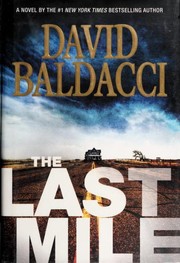
The Last Mile
Melvin Mars is hours from execution for his parents' murder when another man confesses, and FBI cold case detective Amos Decker goes looking for the trap.
2,746-word summary · 12 min read

Still Missing
A realtor is abducted at a Vancouver Island open house and held for more than a year. Told through therapy sessions, the novel follows her escape and the hunt…
2,466-word summary · 11 min read
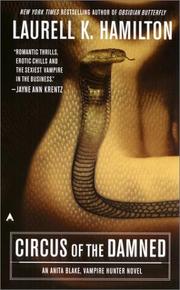
Circus of the Damned
A rogue master vampire arrives in St. Louis and Anita Blake is caught in an undead turf war, with a science teacher in the crossfire.
2,757-word summary · 12 min read

Bad Luck and Trouble
A deposit of $1,030 summons Jack Reacher back to his old army unit, which is being picked off one name at a time.
2,366-word summary · 11 min read

3rd Degree
The third Women's Murder Club novel follows a San Francisco terror cell and a three-day killing schedule, and it costs the club a member.
2,685-word summary · 12 min read

Worth Dying For
Reacher stops for one night in rural Nebraska and finds a family that runs the county, a missing girl and a shipment worth killing for.
2,021-word summary · 9 min read

Tinker, Tailor, Soldier, Spy
Retired spymaster George Smiley is brought back to find a Soviet mole inside British intelligence, and the trail leads through old friends, old betrayals, and…
2,092-word summary · 9 min read
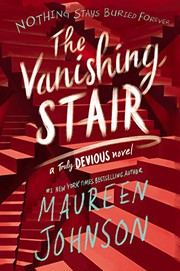
The Vanishing Stair
Stevie Bell returns to Ellingham Academy under a secret bargain, chasing the truth about a 1936 kidnapping while a new death makes the school feel smaller and…
2,026-word summary · 9 min read
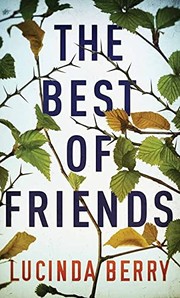
The Best of Friends
Three lifelong friends discover their teenage sons were hiding more than anyone knew after a night that leaves one dead, one in a coma and one silent.
2,040-word summary · 9 min read

Say You're Sorry
A widowed prosecutor defends the teenager accused of killing her babysitter, uncovering a small town's secrets and a killer hiding in plain sight.
2,116-word summary · 9 min read
Killers of a Certain Age
Four sixty-year-old assassins discover their retirement cruise is a trap and turn their skills on the agency that trained them.
2,014-word summary · 9 min read