
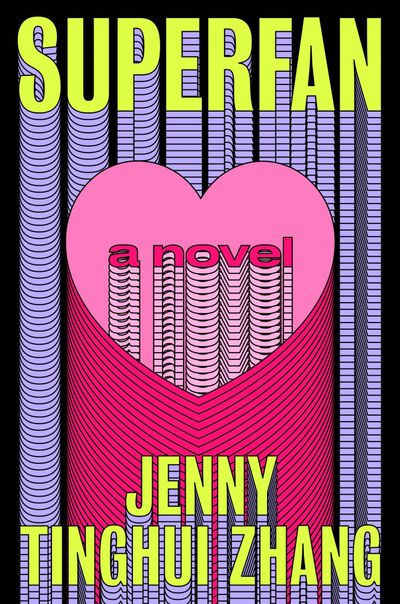
Superfan
2,127-word summary 9 min read 320 pages in the book
- First published
- 2026
- Publisher
- Flatiron Books
- Pages
- 320
- ISBN
- 9781250369666
Reading options
What's inside (8 sections)
I started Superfan expecting a romp about boy bands and finished it feeling wrung out in the best way. Jenny Tinghui Zhang, the National Book Foundation 5 Under 35 honoree behind Four Treasures of the Sky, published this second novel with Flatiron Books on February 3, 2026, a 320 page hardcover with ISBN 9781250369666. It follows Minnie, a freshman adrift at college in Austin, Texas, who falls into the online fandom of a boy band called HOURglass, and Halo, the sharp-edged member she loves most, who hides a past that could end him. The publisher calls it dazzling and heartfelt, about fandom in all its magic and terror, and that description earns itself. This is a book about loneliness wearing a concert T-shirt, and it understands both the shirt and the loneliness.
Minnie got under my skin fast because Zhang writes the start of college exactly right. New dorm, loud hallways, everyone else seeming to arrive with friends preinstalled. Minnie drifts, tries a brief romance that goes painfully wrong, and retreats to her phone, where HOURglass forums offer something campus does not: people who want her, specifically her, to show up and post. I recognized that pull from my own forum years, the way a thread that moves fast can feel like a party you are finally inside. Zhang never sneers at it. She shows why it works before she shows what it costs, which makes the later chapters land harder.
Fair warning on tone. This is literary fiction with a thriller engine, not a cozy backstage romance. The chapters alternate between Minnie and Halo, whose real name is Eason, and both threads carry dread. If you want light banter and a tour bus meet cute, look elsewhere. If you want a book that takes fandom seriously as a place where lonely people build real meaning and real danger, stay. I read the last third standing up in my kitchen because sitting still had become impossible.
Minnie finds HOURglass
Minnie arrives in Austin already frayed. College was supposed to fix the invisibility of high school, but the campus version feels bigger and colder, full of group chats she is not in. Then she finds HOURglass, a K-pop inspired American boy band with coordinated dances and livestreams at odd hours, and the forums that worship them. The forums run on lore: member personalities, running jokes, clip archives, and etiquette about how to behave when a member notices you. Minnie learns it all with the speed only a lonely freshman has, staying up late to catch livestreams and memorizing lyrics until the songs feel written for her schedule.
Halo becomes her favorite for reasons that ache once you know the whole story. He has sharp edges where the other members are smooth, a defensiveness that reads as honesty to a girl tired of campus performance. Zhang writes Minnie's attachment with care, never reducing it to swooning. Minnie studies Halo's face for moods, defends him in threads, and feels seen when his gaze passes the camera at the right second. Anyone who has loved a band at nineteen will recognize the precision. It is not about thinking he will marry you. It is about one person on a screen seeming to confirm that your feelings fit somewhere.
What elevates this beyond a fan portrait is how Zhang shows the forum giving Minnie an actual social life. She bonds with other fans, learns their time zones and wounds, and earns standing through good clips and steady presence. For the first time at college she has somewhere to be. That belonging is genuine, and the book insists on its value even as things darken. Dismissing forums as fake friendship misses what they do for kids like Minnie. The warmth is real. So is the way warmth can be harvested.
Eason before Halo
On the other side of the screen, Halo is also becoming dependent on the adoration, and his chapters explain why it hooks him so deep. Before the stage name and the styling, he was Eason, a high school dropout carrying a tragic accident that scarred his sense of who he is allowed to be. Zhang keeps the details of that accident controlled, letting dread build through flashes rather than one big reveal, which I found more effective than a twist dump. What matters is the shape: a boy who did something he cannot undo, who learned that rooms change temperature when people know, and who then got offered a new name and a script.
Recruitment into HOURglass reads like rescue and erasure at once. Trainers sand his edges just enough, teach him camera angles and interview answers, and hand him crowds whose screams drown the old story. Onstage he can almost forget, and Zhang writes performance scenes with real sweat and lift, the rare chapters where Eason breathes freely. Offstage the fear returns. Contracts, managers, and fellow members all know versions of the past, and every interview question feels like a wire brush near a wound. Fame did not clean him. It gave him better lighting and higher stakes.
I admired that Zhang refuses to make Eason either a villain or a pure victim. He chose the cover story, he enjoys the love, and he lies to protect both. He also understands, better than Minnie at first, that idol and fan are feeding each other something neither can digest alone. His chapters carry guilt about that exchange even while he keeps cashing it. That moral knot, that he needs the very attention that could destroy him, drives the back half. When one of those fans starts pulling at the thread of his past, his panic feels earned rather than plotted.
The forum becomes home
The middle of the book belongs to Minnie's deepening forum life, and Zhang nails the texture without drowning in jargon. Livestream rituals, comment races, inside jokes that curdle when new fans misuse them, moderators who rule like tired mayors. Minnie clings to each broadcast after her brief campus romance collapses, and the forum rewards her constancy with friendship and rank. She gets good at reading rooms made of text. She learns which members to trust with personal news and which threads to avoid after midnight. It plays like a second education running alongside her neglected coursework.
This section also shows the slow trade Minnie makes, attention for attendance, and it is the book's quietest tragedy. Real life thins as forum life thickens. Dining hall meals get skipped for stream times. A friendship that might have grown on her floor withers from no watering. Zhang does not stage this as one dramatic choice. It happens in small taps, another hour, another thread, another night. I kept wanting to shake Minnie and also kept remembering being nineteen with somewhere I finally mattered. The book holds both reactions at once, which is why the middle chapters stuck with me more than the scandals to come.
A criticism belongs here, because the middle also sags in spots. A few forum sequences repeat the same beat, Minnie refreshing, hoping, crashing, and the campus scenes blur together since most classmates stay sketches. Readers who want plot velocity may check their own phones during these pages, which is ironic given the theme. I would have cut twenty pages of thread drama and spent them on Minnie's mother or her Austin roommate, who flash by when they could anchor her choices. The material is strong. It just circles once too often before the turn.
The scandal breaks
The turn arrives when a scandal threatens to expose Halo to real harm, and Minnie decides she is the only one who can save him. I will keep specifics light, since the book earns its reveals, but the shape is this: rumors that start as tabloid noise begin touching the true buried story, and the forum splits between protectors and bloodhounds. Minnie, armed with time, devotion, and more information than she should have, moves from poster to actor. The chapters where she starts digging and messaging feel genuinely queasy. Every step makes sense from inside her loneliness, and every step looks worse from outside it.
Zhang is sharp on how easily protection language slides into control. Minnie tells herself she is shielding Halo from people who would hurt him, and part of her means it. But saving him also means owning a piece of him no other fan has, and the book does not let that motive hide. I found these chapters the most uncomfortable and the best written, because Zhang keeps Minnie sympathetic while showing the harm clearly. You can love a character and still see her becoming someone's worst week. Sitting with that split is the intended experience, not a flaw.
The idol side mirrors it well. Halo senses the net tightening and performs harder, smiling through interviews while scanning for the question that ends him. His team debates containment strategies that treat both truth and fans as problems to manage. Watching the machinery try to price and bury a human past gave me the book's coldest moments. Nobody in those meetings asks what Eason needs. They ask what Halo can survive. The gap between those two questions is where the ending gathers its force.
Collision and aftermath
When fan and idol finally collide, Zhang pays off the alternating structure. I will not spoil the mechanics, but the meeting neither side planned plays as both fulfillment and violation, the thing Minnie wanted most arriving in the form she should have feared. The prose stays controlled where a lesser book would go lurid, focusing on confusion and consequence rather than spectacle. Both characters see each other clearly for the first time, and clarity helps neither of them the way they hoped. Being known turns out to differ from being loved, a distinction the whole novel has been circling.
The aftermath chapters do the harder work of showing cost without preaching. Minnie has to face what her devotion did to a real person and to herself, including the friendships she starved and the school term she half attended. Eason has to face that no new name outruns an old accident, and that crowds cannot absolve what only amends and honesty can address. Zhang grants growth rather than cure. People end changed and still marked, which felt true to both college and fame. Nobody gets a clean graduation, onstage or off.
Endings like this divide readers, so take my praise with that in mind. The final chapters choose emotional accounting over courtroom or exposé fireworks, and some will find them quiet after the tension. I found the restraint moving, though one late revelation leans on coincidence in a way the careful plot had avoided. Accept a small contrivance and the landing holds. The last image, which I will leave you to find, reframes the title with a tenderness the middle had almost burned off.
Who should read it, and what to know
Read Superfan if you like character-driven fiction about internet life, if boy band summers shaped your teens, or if you teach or parent young people tangled in parasocial bonds. Fans of coming of age stories with teeth will feel at home, as will readers who liked novels about performance and identity but wanted them to take the forum posters as seriously as the stars. Content notes for classroom use: strong language, sexual content at a college level, substance use around the industry edges, and sustained scenes of harassment and stalking behavior presented as harmful, never as romance.
Know the limits alongside the strengths. The pacing dips mid-book, the campus cast stays thin, and one coincidence near the end stretches belief. Readers wanting a breezy music romance or a onto-the-stage thriller may feel misled by the glittering jacket. This is a sadder, stranger book than its cover suggests, closer to a campus novel crossed with a celebrity exposé than to fan fiction with a happy ending. Go in expecting ache with your hooks and you will get exactly that.
I closed it thinking about how both leads use attention as medicine and overdose together. Minnie learns that belonging built on vigilance is a lease, not a home. Eason learns that reinvention without reckoning is a costume, not a cure. The facts to keep: Superfan by Jenny Tinghui Zhang, published by Flatiron Books in 2026, 320 pages, ISBN 9781250369666, on sale February 3, 2026, second novel after Four Treasures of the Sky. Tags that fit are literary fiction, fandom, coming of age, music, obsession. If you ever refreshed a page at 2 a.m. hoping a stranger's glance would fix your week, this book will meet you there, sit beside you, and gently take the phone away.
FAQ
When was Superfan published?
Flatiron Books published the hardcover on February 3, 2026. It runs 320 pages with ISBN 9781250369666.
Does the book follow one character?
The chapters alternate between Minnie, the freshman fan in Austin, and Halo, the idol hiding his history as Eason.
Is Superfan a light read?
Readers who like character-driven stories about fandom, loneliness, and identity will enjoy it. Those wanting a light romance should look elsewhere.
Similar books
The Idiot
A Turkish-American freshman at Harvard falls in love through email with a Hungarian math student and spends a summer in Hungary trying to turn correspondence…
2,019-word summary · 9 min read

Less Than Zero
Clay returns to Los Angeles for Christmas and drifts through parties, drugs, and old friends, including one who is selling himself to survive.
1,926-word summary · 9 min read
The Age of Miracles
A California girl grows up while the Earth's rotation slows, and ordinary adolescence continues alongside slow catastrophe.
2,417-word summary · 11 min read

Peace Like a River
An asthmatic boy in the early 1960s narrates his family's search for his older brother, who is accused of two killings and has escaped custody.
1,969-word summary · 9 min read

The Chosen
A shattered pair of glasses in a 1944 Brooklyn softball game starts a friendship between a Hasidic boy and his Orthodox neighbor, and their fathers pull them…
2,443-word summary · 11 min read
On the Come Up
Bri Jackson, a sixteen-year-old rapper in Garden Heights, chases a record deal while a viral song turns her into a symbol she never wanted to be.
2,034-word summary · 9 min read

The Story of Edgar Sawtelle
A mute boy on a Wisconsin dog-breeding farm relives Hamlet as his uncle returns, his father dies in the barn, and the dogs inherit what is left.
2,392-word summary · 11 min read
Luster
Edie, twenty-three and adrift in New York, falls into an affair with an older white archivist in an open marriage, and into the orbit of his wife and adopted…
2,049-word summary · 9 min read
Foster
A girl spends a summer with relatives on a Wexford farm and is cared for properly for the first time. A spare novella about family and what children notice…
2,043-word summary · 9 min read
I Capture the Castle
Cassandra journals six months of love and money trouble in a castle.
2,402-word summary · 11 min read
Ham on Rye
Henry Chinaski grows up rough in Depression Los Angeles and finds writing.
2,244-word summary · 10 min read
The Interestings
Meg Wolitzer follows Jules Jacobson from 1974 arts camp into middle age, as friendship with Ethan and Ash turns into envy, money gaps, marriage strain, and…
2,990-word summary · 13 min read
Summer Sisters
Vix and Caitlin share Martha's Vineyard summers from age twelve into adulthood, through first love, grief, marriage, and a disappearance that still haunts Vix.
3,633-word summary · 16 min read
Purple Hibiscus
Kambili, fifteen, watches her devout factory-owner father rule the Enugu house through fear until a Nsukka visit teaches her speech and freedom.
2,595-word summary · 12 min read

All the Pretty Horses
John Grady and Rawlins ride to Mexico for ranch work, finding love, prison, and a code that costs all.
2,677-word summary · 12 min read
So Old, So Young
Six college friends reunite at five parties over twenty years in Ginder's funny, moving novel of millennial friendship.
2,457-word summary · 11 min read

Half His Age
Teen Waldo begins an affair with her teacher Mr. Korgy.
2,491-word summary · 11 min read
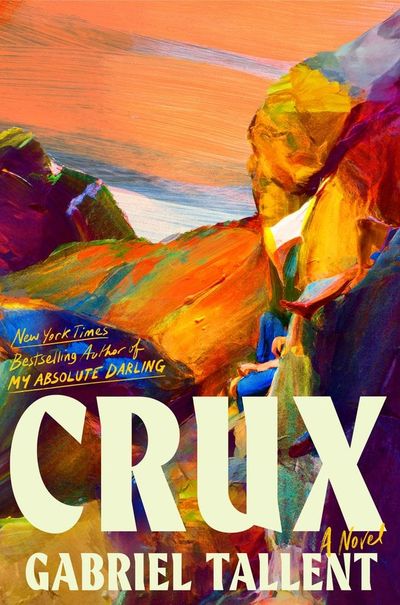
Crux
Two broke Mojave teens chase pro climbing dreams as friendship, class gaps, and family strain pull Dan and Tamma apart.
2,489-word summary · 11 min read
The Heart's Invisible Furies
John Boyne follows Cyril Avery, adopted in Dublin in 1945, through seventy years of love and secrecy as Ireland changes around him and he learns to live openly.
2,904-word summary · 13 min read

The Elegance of the Hedgehog
A Paris concierge hides her brilliant mind while a gifted girl plans her death, until a new tenant sees through them both.
2,248-word summary · 10 min read

The Cider House Rules
Homer Wells grows up in a Maine orphanage under Dr. Larch, who delivers babies and performs illegal abortions.
2,985-word summary · 13 min read
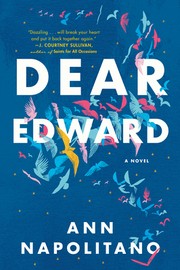
Dear Edward
Twelve-year-old Edward Adler survives a plane crash that kills his family, then learns how to live with grief, letters, and love.
2,903-word summary · 13 min read
Colorless Tsukuru Tazaki and His Years of Pilgrimage
At thirty six, Tsukuru revisits four old friends to learn why they cut him off at twenty.
2,765-word summary · 12 min read
A Visit from the Goon Squad
Thirteen linked stories about Bennie, Sasha, and time beating like a goon.
2,136-word summary · 9 min read
The Brief Wondrous Life of Oscar Wao
Oscar loves sci-fi and wants love, while Yunior traces family curses back through Trujillo terror.
2,056-word summary · 9 min read
The Bluest Eye
Pecola prays for blue eyes while her parents repeat the racism that broke them, and the town looks away.
2,024-word summary · 9 min read

Sophie's World
Sophie gets philosophy lessons by mail, then finds she is fiction in a father birthday book for Hilde.
2,013-word summary · 9 min read
The Namesake
Jhumpa Lahiri follows Gogol Ganguli from a hated namesake to adult loss, marriage, and family reckoning between Calcutta and Boston.
2,878-word summary · 13 min read

The Lincoln Highway
Emmett and Billy plan California in 1954, but two escapees steal their car and drag them east to New York.
2,954-word summary · 13 min read
The God of Small Things
Twins Rahel and Estha grow up in Kerala in 1969, where family rules and caste lines shape a loss that follows them into adulthood.
2,646-word summary · 12 min read