
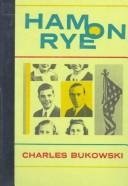
Ham on Rye
2,244-word summary 10 min read 283 pages in the book
- First published
- 1982
- Publisher
- Black Sparrow Books
- Pages
- 283
- ISBN
- 9780876855577
Reading options
What's inside (7 sections)
I came to this book sideways through Bukowski's poems. A coworker kept quoting his lines about work and drink. I wanted to see what his prose did with a full life story. Ham on Rye came out in 1982 with Black Sparrow Books. The copy I read runs 283 pages. It is the one people hand you first when they want you to understand where Henry Chinaski came from. Chinaski is Bukowski's stand in. He shows up across the novels. Here he is a boy. Then a teen. Then a young man trying to leave home with a typewriter in his head.
The setting is Los Angeles during the Depression. The family is poor in a way that grinds rather than dramatizes. The father works when he can. The mother keeps house and stays quiet. The boy watches everything. That watching turns into the voice of the book. Flat. Sour. Funny in a tired way. I read it fast over four nights. Parts made me laugh out loud. Parts made me put it down and stare at the wall.
I should say I am not certain about every date inside the story versus Bukowski's own life. He mixes memory with invention. That seems to be the deal with this book. Take it as a version of growing up rather than a sworn record.
A house ruled by the strap
Henry Chinaski Jr. grows up with parents who came from Germany. His father, Henry Sr., is rigid about order. The lawn must be cut a certain way. The house must be silent at certain hours. The boy must obey at once. When he does not, punishment follows. Bukowski describes beatings with a razor strop and other objects close at hand. The scenes are hard to read because they repeat. The father does not hit once in anger and apologize. He hits as policy. The mother rarely steps in. She tells the boy to mind his father. She brings food. She irons. She survives by staying small.
Money is short all through these early pages. The Depression sits over the street. Men look for jobs that are not there. Kids wear patched clothes. Henry learns to lie about small things to avoid a beating. He learns to stay out of the house when he can. He plays in the street with other boys. He comes home late and pays for it. The cycle does not change much for years. That sameness is the point. Fear becomes furniture.
What makes these chapters more than misery is the boy's eye. He notices the smell of his father's aftershave before a beating. He notices the way light hits the kitchen floor while he waits for it to be over. He notices his grandmother's odd kindness when she visits. She gives him a small gift at one point. I will not spoil the detail beyond saying it matters to him because so little else does. He holds onto it.
The grandmother dies at some point in his youth. I think it happens while he is still in grade school, though I may have the timing off by a year or two. Her death removes one soft spot. The house gets colder. Henry starts to understand that no rescue is coming from inside those walls. He will have to outlast them.
A fair warning. Bukowski does not frame this with analysis. There is no chapter where he forgives his father or explains him through sociology. He shows a man who was probably beaten himself and who took pride in a clean lawn because it was the one thing he could control. You can draw your own lines. The book leaves them loose.
Skin and shame at school
Then comes the acne. It arrives in his early teens and it is severe. Bukowski writes about boils that cover his face and back. They need draining. They leave pits. Doctors try treatments that sound crude now. The boy who was already shy becomes someone other kids stare at. He stops looking in mirrors. He stops hoping a girl might look at him twice.
School becomes a daily test. He is not athletic in the approved way. He is not rich. His clothes are wrong. His face hurts. He fights because he has to. He loses more than he wins at first. He learns to take a punch and keep standing. That earns a narrow kind of respect from other outsiders. He falls in with boys who smoke and steal small things. They ride bikes to empty lots. They talk big about girls they barely know.
One thread I remember clearly is his confusion around sex. He wants it. He fears it. He pays for clumsy lessons where he can. He watches older boys brag. He tries to act tougher than he is. Girls mostly treat him as a joke or a threat or invisible. His account is crude here. He reduces people to bodies in a way that can turn your stomach. That crudeness is part of the book's honesty about a lonely teen mind. It is also a flaw that never quite lifts. You see the boy. You rarely see the girl as a full person.
Teachers do not save him. Some mock him. One or two show brief decency. He does better at writing than at most subjects, though he hides that interest because it does not fit the street code. He reads in his room. He starts to suspect that words might be a way out. Not a career yet. More like a private exit.
I skimmed none of this section. It moves. The sentences are short. The scenes cut fast. A beating. A school hallway. A doctor's office with a steel tool. A Saturday with nothing to do. The rhythm suits a teen who cannot sit still in his own skin.
Friends and fathers on the block
The neighborhood deserves its own note. Bukowski populates it with fathers who shout through screen doors. Mothers who gossip over fences. Boys with nicknames earned by cruelty or size. Henry drifts among them without fully joining. He is too German at home and too poor at school and too scarred to blend. He watches older men tinker with cars they cannot afford to fix. He watches his own father polish shoes and preach about discipline while the pantry runs thin.
His father loses work and pretends otherwise for a while. I recall long morning rituals where the man dresses as if for a job he no longer has. He leaves the house. He returns. The lie holds until it cannot. Those pages carry a strange pity. The father is a tyrant at the table. Outside he is small and scared. Henry sees both. He hates the man. He also sees through him. That double sight gives the book more weight than a simple revenge story.
Money shapes play. The boys cannot pay for movies or sodas every week. They make fun from vacant lots and stolen fruit and dares. Henry describes swimming in a quarry or reservoir with friends. He describes nights spent drinking cheap wine before he is really old enough to buy it. He describes fistfights arranged for no reason beyond boredom. None of this is romantic. It reads hot and dusty and mean.
There is a car episode that stands out for me. Boys pile into an old car and drive recklessly through dark streets. I will keep the specifics vague because I do not trust my memory on who drove which turn. The sense stays. Speed as proof. Noise as cover. For a kid who gets hit at home and mocked at school, the wheel offers brief control. Bukowski writes those scenes well. He likes machines and motion. He writes them without moralizing. He lets the stupidity show.
Drink and the first typewriter beats
By late high school Henry drinks in earnest. At first it is beer stolen from home or wine shared in a park. Later it is harder stuff when he can get it. Drink does two things for him in the book. It dulls the shame about his face. It lets him talk to girls and men without flinching. Bukowski does not dress this up as fun. He shows shaking hands. He shows vomiting in alleys. He shows missed mornings. He also shows relief. That mix is why the drinking pages are hard to dismiss even when they repeat.
He starts writing more seriously around this time. He sends stories out. He gets rejection slips. He keeps typing. He reads library books by writers who make him want to try harder. He works lousy jobs between terms. Dishwashing. Factory shifts. Delivery runs. Each job ends badly or bores him into quitting. Work teaches him what he does not want. A room with a door. A bottle nearby. Paper.
His relationship with his parents curdles past repair. Fights turn verbal and cold rather than only physical. His father finds his stories and mocks them. That scene, as I remember it, is short and brutal. The father treats writing as idleness. The son treats the father's rules as dead. There is no reconciliation talk. Henry packs or is pushed out. He drifts into rooming houses and bars. The book does not present this as triumph. It presents it as exit.
The last stretch follows him as he tries to live as a writer without credentials or cash. He types in rented rooms. He drinks through nights. He meets women who pity him or use him or briefly love him. He meets men who want to fight him or hire him for a day. He learns to be alone without panic. The acne scars remain. The voice hardens into the Chinaski of later books. Tired. Amused. Ready to sneer before he can be sneered at.
The pacing here was uneven for me. Some will call this section drift. Jobs blur. Bars blur. Girls blur. Bukowski seems to want that blur. Youth after a strict home often looks like this. A rush toward any door. Then another door. The typewriter is the one fixed point. He returns to it even when hungry. That return is the closest thing to hope the book allows.
What holds and what grates
Let me be plain about the problems. The prose is strong but narrow. Women exist mostly as mothers or prizes or jokes. A modern reader will wince often. Bukowski gives Henry no real curiosity about their inner lives. That is true to a certain lonely boy. It still makes long stretches feel airless. If you need warmth toward people, this is not your book.
Drink gets a long leash. Bukowski shows damage yet keeps reaching for the bottle as cure. He rarely pauses to ask what sobriety might have opened. Readers who have lived with addiction in a family may find these pages glib. Readers who romanticize drinking will find too much encouragement here. I wish an older voice had cut in once to name the cost straight. The book stays inside the young man's head. That choice has power. It also has blind spots.
Plot is thin by design. This is episodes rather than arc. Home. School. Street. Job. Room. Bar. No mystery pulls you forward. No grand change arrives. If you want a novel where the hero learns and transforms, you will be annoyed. Henry at the end is harder rather than wiser. He can take more punishment. He can dish it out in sentences. Growth, if you can call it that, is stylistic.
So why keep reading. Because the voice does not flinch. Bukowski writes poverty without pity speeches. He writes pain without asking for applause. He writes a beating or a boil lancing or a humiliating dance in plain words that stay. He writes Los Angeles in the 1930s with concrete hunger. Empty iceboxes. Hand me down shirts. Streetcars. Radio voices through thin walls. You smell it.
He also writes outsider logic from the inside. Why a scarred boy would pick a fight he will lose. Why he would mock a kind teacher. Why he would ruin a good night by drinking past sense. Explanations would cheapen it. Bukowski trusts the scene to carry motive. Often it does.
Who should pick it up. Readers who liked Post Office or Factotum will see the start of that road here. Readers who care about American coming of age stories told without polish will find a harsh entry. Younger readers should know what they are walking into. Beatings at home. Graphic skin trouble. Rough sex talk. Heavy drinking. Racial slurs of the era appear in mouths of characters. Bukowski does not excuse them. He also does not filter them out.
I closed the book thinking about the title. Ham on rye as plain food. Cheap. Unadorned. That fits the style. No sauce. No garnish. A slice of life held between two slices of plain prose. It is not a meal everyone will enjoy. For those who can stomach it, it fills in a way richer fare sometimes misses. Henry walks out of his father's house with little besides scars and sentences. The sentences turn out to be enough to build a writer on. Whether you admire that writer or distrust him, you will understand his shape better after these 283 pages from Black Sparrow Books. That understanding, sour as it is, seems worth having.
FAQ
Is Ham on Rye autobiographical?
Largely. Bukowski maps his own German immigrant family and Los Angeles youth onto Henry Chinaski while mixing memory with invention.
Why is the book so crude?
It stays inside a lonely teen mind. That gives plain scenes of sex and drink without polish, which some readers find honest and others find cold.
Who should skip it?
Readers wanting warm characters or steady plot may struggle. It suits readers of Post Office seeking Chinaski's origin in 283 pages from Black Sparrow Books.
Similar books
The Catcher in the Rye
J. D. Salinger's The Catcher in the Rye explained: Holden's weekend in New York, the phony adults, Phoebe's carousel, and why readers keep coming back to him.
2,477-word summary · 11 min read

The Chosen
A shattered pair of glasses in a 1944 Brooklyn softball game starts a friendship between a Hasidic boy and his Orthodox neighbor, and their fathers pull them…
2,443-word summary · 11 min read
I Capture the Castle
Cassandra journals six months of love and money trouble in a castle.
2,402-word summary · 11 min read

The Fall
A fallen Paris lawyer confesses in an Amsterdam bar, tracing guilt from Paris success to a bridge he failed to face.
2,220-word summary · 10 min read
Demian
Hesse's 1919 German classic of Emil Sinclair, from Kromer blackmail to Demian, Abraxas, Beatrice and Frau Eva, ending in war: a short, strange guide to growing…
2,510-word summary · 11 min read
All the Pretty Horses
John Grady and Rawlins ride to Mexico for ranch work, finding love, prison, and a code that costs all.
2,677-word summary · 12 min read
The Bluest Eye
Pecola prays for blue eyes while her parents repeat the racism that broke them, and the town looks away.
2,024-word summary · 9 min read
Sophie's World
Sophie gets philosophy lessons by mail, then finds she is fiction in a father birthday book for Hilde.
2,013-word summary · 9 min read
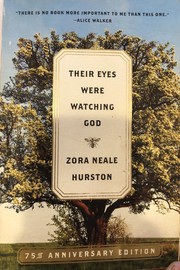
Their Eyes Were Watching God
Janie Crawford tells Pheoby about Eatonville life with Logan Killicks, Joe Starks called Jody, and Tea Cake.
2,230-word summary · 10 min read
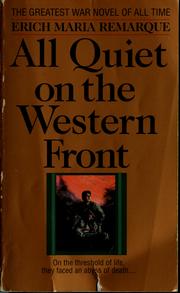
All Quiet on the Western Front
Paul Bäumer enlists at nineteen and faces the trenches of World War I in Remarque's 1929 classic, told from the German side of the wire.
2,543-word summary · 11 min read
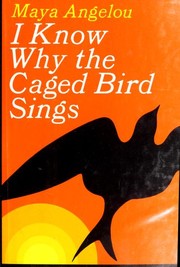
I Know Why the Caged Bird Sings
Angelou recalls Stamps, St Louis and San Francisco, from childhood silence after trauma to voice through books and work.
2,607-word summary · 12 min read
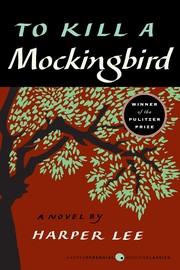
To Kill a Mockingbird
To Kill a Mockingbird through the eyes of Scout Finch: Maycomb's slow days, Atticus's defense of Tom Robinson, the Boo Radley mystery, and what Lee's 1960…
2,308-word summary · 10 min read
Post Office
Chinaski drifts through postal shifts, cheap rooms, horse tracks and rough love in Bukowski's 1971 debut about work, drink and survival.
2,444-word summary · 11 min read
The Idiot
A Turkish-American freshman at Harvard falls in love through email with a Hungarian math student and spends a summer in Hungary trying to turn correspondence…
2,019-word summary · 9 min read
The Crying of Lot 49
A California woman named executor of her ex-lover's estate follows a muted post horn into a possible centuries-old postal conspiracy, and Pynchon refuses to…
2,003-word summary · 9 min read
Silas Marner
A falsely accused weaver hoards gold in Raveloe until a stolen hoard and an abandoned child remake his narrow life.
2,699-word summary · 12 min read

Revolutionary Road
A Connecticut couple who believe they are too good for the suburbs plan to move to Paris, and the plan slowly exposes everything they cannot say to each other.
2,085-word summary · 9 min read
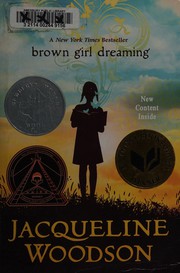
Brown Girl Dreaming
Jacqueline Woodson retells her childhood in verse, moving from Ohio to South Carolina to Brooklyn while the civil rights movement reshapes the world around her.
2,727-word summary · 12 min read

Little Town on the Prairie
In the spring after the Long Winter, fifteen-year-old Laura sews shirts, studies for a teaching certificate, and helps send her blind sister Mary to college.
2,071-word summary · 9 min read
Less Than Zero
Clay returns to Los Angeles for Christmas and drifts through parties, drugs, and old friends, including one who is selling himself to survive.
1,926-word summary · 9 min read
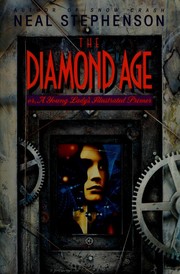
The Diamond Age: Or, A Young Lady's Illustrated Primer
A stolen nanotech primer raises a poor girl in 22nd-century Shanghai, and Neal Stephenson turns her education into an argument about class, freedom, and who…
2,055-word summary · 9 min read

Howards End
Forster's 1910 novel follows two families, a house in Hertfordshire, and a burned note, asking whether money and feeling can ever be connected.
2,187-word summary · 10 min read

Sophie's Choice
A young Southern writer in 1947 Brooklyn befriends a brilliant, unstable couple and slowly learns the story of the Polish Catholic woman at the center of their…
2,798-word summary · 12 min read

Fathers and Sons
Arkady brings the nihilist Bazarov home to his father's estate, and a generational argument turns into love, a duel, and an early death.
2,192-word summary · 10 min read

The Age of Miracles
A California girl grows up while the Earth's rotation slows, and ordinary adolescence continues alongside slow catastrophe.
2,417-word summary · 11 min read
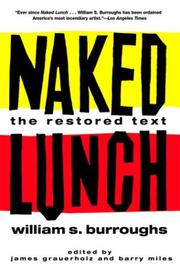
Naked Lunch
Burroughs's banned 1959 collage novel follows Bill Lee through addiction, Tangier, and the nightmare bureaucracy of the Interzone.
2,082-word summary · 9 min read
Peace Like a River
An asthmatic boy in the early 1960s narrates his family's search for his older brother, who is accused of two killings and has escaped custody.
1,969-word summary · 9 min read
The Dharma Bums
Ray Smith rides freight trains, climbs Matterhorn Peak and argues about Zen with the poet Japhy Ryder in Kerouac's 1958 road novel.
2,729-word summary · 12 min read

Ivanhoe
A disinherited Saxon knight, a great tournament, a besieged castle and a trial by combat. Scott's most famous novel, set in England in 1194.
2,834-word summary · 13 min read