
I Capture the Castle
2,402-word summary 11 min read 343 pages in the book
- First published
- 1948
- Publisher
- St. Martin's Press
- Pages
- 343
- ISBN
- 9780312316167
Reading options
What's inside (8 sections)
I came to this one late, after hearing it mentioned as the book many writers loved at seventeen and kept rereading at forty. Dodie Smith published it with St. Martin's Press in 1948, a 343 page novel with ISBN 9780312316167. It is told as the journal of Cassandra Mortmain, also seventeen, living with her odd family in a crumbling Suffolk castle. I expected something light and old fashioned. It is light in places, but sharper and sadder than I guessed.
The premise is simple. The Mortmains are broke. Their father, James, wrote one brilliant novel years ago and has not written since. They live in Godsend Castle on very little money, eating odd meals, wearing mended clothes, and heating one room. Cassandra decides to keep a journal to practice writing. She records six months, from spring into autumn, covering love affairs, money panic, and her own growing up.
What makes it hold is Cassandra voice. She is observant without sounding adult. She notices how people stand in doorways, what they eat when nervous, how her beautiful older sister Rose tilts her head when men are watching. She also misreads people constantly, then corrects herself in later entries. That back and forth gives the book energy. You watch her learn in real time.
My paperback is full of crumbs. I read most of it at a kitchen table.
Godsend and the art of being broke
The castle itself is almost a character. Not a grand tourist castle with guides, but a damp pile with a tower, a gatehouse, and rooms that smell of stone and old fires. The family rents it cheap because no one else wants the upkeep. Rain comes in. Rats move in the walls. The bathroom arrangements are vague and cold. Cassandra loves it anyway and describes it the way teens love flawed houses, with pride mixed with apology.
Money shapes every day. James Mortmain, the father, does not work. He sits, reads detective stories, argues with himself, and avoids the manuscript everyone hopes will save them. Topaz, the stepmother, is a former artist model who talks to nature and wears thin dresses in bad weather. Rose, twenty one and lovely, feels her looks fading in poverty. Thomas, the younger brother, is quiet and school bound. Stephen, the hired boy who grew up with them, does farm work, worships Cassandra from a distance, and keeps the place from falling over.
Meals tell you everything. Bread and weak tea. Nettles picked for soup. An egg divided with ceremony. A sudden tin of sardines treated like Christmas. Cassandra writes shopping lists and counts shillings. She is not self pitying about it. She finds it funny until it is not, like when the electricity is threatened or Rose needs a coat that actually closes.
Smith knew this life a bit. She had been an actress and writer with thin years herself before success with plays and later with dog books. She does not romanticize hunger here. Cold is cold. Shame is real, especially for Rose, who wants clean stockings and a future. But there is also play in poverty. The children put on plays, invent games, bathe in odd places, and make a religion of small comforts.
One short entry I loved: Cassandra practicing writing descriptions of light on the castle walls while dinner burns.
Then money trouble meets its usual cure in old novels. Rich young men move in next door.
Rose and the plan to marry out
Rose is the engine for much of the plot. She is beautiful, direct, and tired of washing her one good dress. She announces, half joking and half serious, that she will marry for money. Not for love. For rescue. Cassandra, younger and more romantic, is shocked and also practical enough to see the logic. Their talks about this are some of the best pages, because neither sister is reduced to a type. Rose is not vain. Cassandra is not pure.
Rose tries modeling in London and hates it. Men stare. Work pays little. She comes home with sore feet and a harder line around her mouth. When the American Cotton brothers arrive at Scoatney Hall nearby, Rose sees a door. Simon Cotton is older, steady, rich from family business. Neil is younger, livelier, less polished. Both are intrigued by the strange girls in the castle.
Cassandra watches Rose perform femininity and feels both admiration and nausea. Rose borrows clothes, practices smiles, learns to laugh at jokes she finds dull. It works, after a fashion. Simon courts her. He sends food parcels, invites them to dinners, offers help that is kind and also awkward. Rose accepts because pride has limits when the roof leaks. But she also hates herself a little for accepting, which makes her sharp with everyone.
I found these chapters uncomfortable in a good way. Smith lets Rose want security without shaming her, while also showing what the bargain costs. Rose is funny about men, cruel about herself, tender with Cassandra when no one is looking. Her plan to trade beauty for safety sounds cold on paper. On the page it reads as a young woman doing math with bad options.
A side note that matters: Cassandra is learning to see her sister as a person, not a rival or an ideal. That shift drives much of her growth.
Americans in Suffolk
Simon and Neil Cotton inherit Scoatney from a relative and arrive with American ease that unsettles the village. They are polite, curious, and rich enough to fix problems without thinking. They bring food, lend cars, pay for things in ways that embarrass the Mortmains even as they help. Social codes clash constantly. Who pays for dinner. Whether a gift is charity. How to thank someone without groveling.
Simon falls for Rose first, or for the idea of her. He is serious, a bit stiff, fond of order. He likes that Rose is frank about money. He thinks honesty about terms can lead to affection later. Neil is warmer and less careful. He teases Cassandra, swims, drinks, gets into scrapes. Stephen watches all this with his jaw tight, because he loves Cassandra and has no money to offer but work.
Parties and picnics fill the middle of the book. Dresses are remade. Hair is washed with rainwater and hope. Topaz floats through in strange outfits, communing with plants, saying things that sound mad and turn out true. James is rude or absent, then suddenly charming when literature comes up. Cassandra records dialogue with a mimic ear and adds stage directions to herself.
Borrowed dresses could be the title of this stretch. Every outing involves safety pins, altered hems, and shoes that hurt. Smith uses clothes to show class without speeches. A mended seam, a borrowed fur, a new scarf that changes how a girl walks into a room. It is specific and visual without being fussy.
Romance tangles fast. Rose agrees to marry Simon. Cassandra feels relief and envy and guilt. Neil flirts with Rose too, which muddies everything. Cassandra herself starts to feel strange pulls she does not have words for yet. She writes around them, describing weather and dogs instead.
If this sounds like a comedy of manners, it is, until it stops being funny. Money distorts affection. Everyone knows it and no one can stop it.
Cassandra learning to see
Cassandra is the reason the book lasts. She begins as a girl who wants to be a writer and thinks noticing is enough. She ends as someone who understands that noticing changes what you notice. Her journal method forces honesty. She rereads entries and catches her own bias. She admits when she left things out to look better.
Her crushes and confusions are handled with care. She adores Simon at first because he is stable and kind to Rose. She enjoys Neil because he treats her as fun rather than young. She overlooks Stephen because he has always been there, carrying coal and feeding hens, easy to file as brotherly. Smith lets Cassandra make the classic mistake of valuing distance over closeness. It hurts to read because it is so ordinary.
Her relationship with her father is central too. James Mortmain is infuriating. He let the family slide into near hunger while he blocked on a second book. He borrows against hopes. He can be cruel in a vague, distracted way. Yet Cassandra loves him and defends his talent. When she finds his old papers, including harsh private notes, her view cracks. She has to decide whether a gifted parent who fails at care still deserves loyalty. Smith does not resolve this neatly. James changes somewhat by the end, prodded by outside pressure and shame, but he is not remade.
Topaz is easier to love and harder to use. She means well, speaks to spirits, tries to mother without smothering. Her affair with a neighboring man, handled discreetly, shows adult needs continuing past youth. Thomas mostly studies and observes, giving Cassandra someone to be older sister to. Animals fill gaps: a dog, hens, the castle cat. They give Cassandra company when humans disappoint.
I kept marking moments where Cassandra corrects herself mid entry. She writes that someone was rude, then adds that she was tired and it was probably her. That habit, more than any plot point, shows her becoming a writer.
Fathers, Topaz, Stephen, and the help that helps
James Mortmain deserves a paragraph of his own because he divides readers. On one hand, writer block is real and shame makes it worse. Smith shows his fear without excusing the cost to his children. He eats food Stephen earned while calling himself the provider. He sulks when Rose takes charge. On the other hand, late in the book he does act. A scolding from Simon, of all people, shakes him. He starts writing again, or at least trying, and the house air changes. Is that growth or performance under watch. I leaned toward a mix. People often need an audience to restart.
Topaz could have been a joke, the odd stepmother who talks to the wind. She is funnier and kinder than that. She protects the girls from the worst of James moods, finds food where none exists, and keeps some beauty in the house with songs and stories. Her need for attention, including from men outside the marriage, is presented without moral panic. She wants to be seen as more than a housekeeper in a cold castle. I sympathized even when she embarrassed her stepdaughters.
Stephen is the moral spine many readers root for. He is steady, strong, uneducated but thoughtful, and he loves Cassandra plainly. He saves money secretly to buy her something she wants. He works extra to keep them fed. The book is honest that love from below stairs counts less in this world. Cassandra likes his devotion but does not desire him, at least not yet. Smith does not punish her for that. She lets attraction be unfair and confusing.
Minor figures add color without clutter. The vicar and his wife. The London agent who smells money. Aubrey, the neighbor with loose morals. Miss Marcy with her shop gossip. Each gets a line or two of sharp description, then steps back. None feel like filler. They make Suffolk feel populous even when the castle feels empty.
Money help is another theme. Simon help is generous and clumsy. He pays debts, orders repairs, stocks the pantry. Gratitude curdles when dependence grows. Cassandra feels this most. She likes eating well and hates feeling bought. Smith handles this tension better than many modern books about wealth gaps. No lectures. Just awkward dinners and too much cheese.
What still charms and what creaks a little
The charm is obvious. Voice, place, sisters, humor about poverty that never turns cruel. Smith writes weather and food and clothes with quick strokes. Spring rain on stone. Cold bedrooms. A picnic where everyone is slightly drunk and honest. The journal form keeps scenes short and varied. Some entries run pages. Others are three lines about a dog stealing bread. That mix keeps 343 pages moving.
Fair criticism first: the middle sags around the third month. Too many parties in a row, with similar misunderstandings about who likes whom. I started flipping faster through dinner descriptions to get to Cassandra alone thoughts, which are stronger than group banter. A tighter edit of two or three social scenes would have kept tension higher.
Second, Simon and Neil sometimes feel like ideas more than men. Simon is Duty. Neil is Fun. Their American dialogue wobbles by modern ears, polite to the point of stiffness. Rose choice between them carries weight, but I wanted one more private scene showing why Simon, beyond money, might truly suit her, or not. As written, his appeal is mostly stability plus kindness, which is real but thin on paper.
Third, the ending divides people and I see why. Without spoiling the final pairings, Smith leaves Cassandra in a painful, unresolved spot. She has grown, she can name what she feels, but she cannot have it cleanly. Some readers will find this brave and true. Others will feel cheated after so much comedy. I landed in the middle. The last pages are beautiful about writing as a way to hold feeling, but they withhold the comfort the plot seemed to promise. That may be the point, yet it still stung.
On language, expect period attitudes. Class snobbery, talk of looks as capital, mild stereotypes about Americans and villagers. Smith is usually affectionate rather than mean, and she gives lower status characters like Stephen real dignity. Still, modern readers should know the frame is 1940s England, written in 1948 about the 1930s. Money and marriage really were survival tools for women like Rose.
Who should read it. Anyone who likes coming of age stories told with wit, anyone who loves houses as settings, anyone tired of bleak family sagas. Pair it with a warm drink and patience for old manners. If you need fast pace or clear romance payoff, this may frustrate. If you enjoy watching a young writer find her eye, the 343 pages pay off. Cassandra final resolve to keep writing, even when life will not arrange itself neatly, felt earned to me. I closed the book wanting to start a journal, which is probably the best review Smith could get.
FAQ
When was I Capture the Castle published?
St. Martin's Press published it in 1948. The edition cited here runs 343 pages with ISBN 9780312316167.
How does Cassandra tell the story?
She keeps a journal for six months, from spring into autumn, while practicing to become a writer.
Is the ending happy and tidy?
It fits readers who like witty coming of age stories and house centered novels, though the final romance is left unresolved.
Similar books
Their Eyes Were Watching God
Janie Crawford tells Pheoby about Eatonville life with Logan Killicks, Joe Starks called Jody, and Tea Cake.
2,230-word summary · 10 min read
The Idiot
A Turkish-American freshman at Harvard falls in love through email with a Hungarian math student and spends a summer in Hungary trying to turn correspondence…
2,019-word summary · 9 min read

The Chosen
A shattered pair of glasses in a 1944 Brooklyn softball game starts a friendship between a Hasidic boy and his Orthodox neighbor, and their fathers pull them…
2,443-word summary · 11 min read

Ivanhoe
A disinherited Saxon knight, a great tournament, a besieged castle and a trial by combat. Scott's most famous novel, set in England in 1194.
2,834-word summary · 13 min read
Eligible
Austen's Bennet sisters move to modern Cincinnati, where marriage is a reality show and the house is losing its value.
2,293-word summary · 10 min read

Big Swiss
A transcriptionist for a sex coach falls for one of his clients, the tall Swiss gynecologist she calls Big Swiss, in a funny novel about work and secrets.
2,523-word summary · 11 min read

Ham on Rye
Henry Chinaski grows up rough in Depression Los Angeles and finds writing.
2,244-word summary · 10 min read
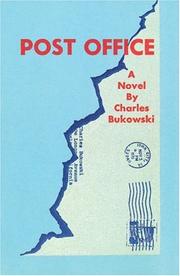
Post Office
Chinaski drifts through postal shifts, cheap rooms, horse tracks and rough love in Bukowski's 1971 debut about work, drink and survival.
2,444-word summary · 11 min read
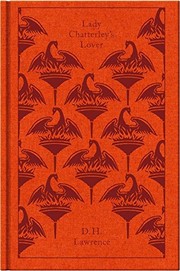
Lady Chatterley's Lover
A baronet's wife, starved in a marriage the war broke, takes the gamekeeper as her lover. Lawrence's banned 1928 novel of class and touch.
2,566-word summary · 11 min read
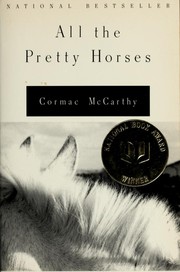
All the Pretty Horses
John Grady and Rawlins ride to Mexico for ranch work, finding love, prison, and a code that costs all.
2,677-word summary · 12 min read
Anne of the Island
Anne leaves Avonlea for Redmond College, shares Patty's Place with friends, and learns to tell admiration apart from love.
2,766-word summary · 12 min read
The Bluest Eye
Pecola prays for blue eyes while her parents repeat the racism that broke them, and the town looks away.
2,024-word summary · 9 min read
Sophie's World
Sophie gets philosophy lessons by mail, then finds she is fiction in a father birthday book for Hilde.
2,013-word summary · 9 min read
Breakfast of Champions
A Pontiac dealer breaks down while a broke sci-fi writer brings the book that tells him others are robots.
2,013-word summary · 9 min read
Mansfield Park
Fanny Price loves Edmund amid Crawfords theatricals at Mansfield.
2,389-word summary · 11 min read
The Sun Also Rises
Jake Barnes drifts through Paris bars and Pamplona bullfights with Brett Ashley and a wounded generation.
3,187-word summary · 14 min read

Better than the Movies
A rom com obsessed senior hires her annoying next door neighbor to win her crush, then finds real love is messier and kinder than any movie plot.
2,438-word summary · 11 min read
All Quiet on the Western Front
Paul Bäumer enlists at nineteen and faces the trenches of World War I in Remarque's 1929 classic, told from the German side of the wire.
2,543-word summary · 11 min read
Love in the Time of Cholera
Florentino waits fifty years for Fermina: youth letters, a marriage to Urbino, hundreds of affairs, and a river trip where old love gets a last hearing.
2,204-word summary · 10 min read
Call Me by Your Name
One summer on the Italian Riviera: seventeen-year-old Elio and grad student Oliver circle each other through swims, talks, and missed chances.
2,627-word summary · 12 min read
Norwegian Wood
Toru recalls 1969 Tokyo, torn between fragile Naoko and lively Midori after a friend's suicide.
2,051-word summary · 9 min read
Great Expectations
Orphan Pip chases wealth and Estella through London fog and prison ships.
2,117-word summary · 9 min read
The Princess Bride
Buttercup loses Westley to pirates and is forced to marry Prince Humperdinck in Florin.
3,412-word summary · 15 min read
Wuthering Heights
Emily Bronte's Wuthering Heights retold: Heathcliff and Cathy on the moors, two houses, two generations.
2,056-word summary · 9 min read
Jane Eyre
Charlotte Bronte's Jane Eyre retold: Lowood, Thornfield, the attic secret, and Jane's refusal to shrink.
2,325-word summary · 10 min read
The Catcher in the Rye
J. D. Salinger's The Catcher in the Rye explained: Holden's weekend in New York, the phony adults, Phoebe's carousel, and why readers keep coming back to him.
2,477-word summary · 11 min read
To Kill a Mockingbird
To Kill a Mockingbird through the eyes of Scout Finch: Maycomb's slow days, Atticus's defense of Tom Robinson, the Boo Radley mystery, and what Lee's 1960…
2,308-word summary · 10 min read

What Happened to Goodbye
Mclean has reinvented herself in four towns since her parents divorced. In Lakeview she uses her real name, and for the first time staying put becomes a choice.
2,796-word summary · 12 min read

The Crying of Lot 49
A California woman named executor of her ex-lover's estate follows a muted post horn into a possible centuries-old postal conspiracy, and Pynchon refuses to…
2,003-word summary · 9 min read

Size 12 Is Not Fat
Former teen pop star Heather Wells investigates two dorm elevator deaths while juggling her ex, her crush, and a size-12 wardrobe.
2,805-word summary · 12 min read