Reading options
What's inside (7 sections)
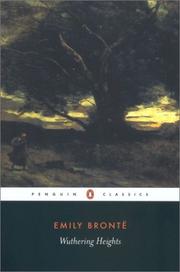
I started Wuthering Heights expecting a love story and got something wilder and less kind. The book was published in 1847 by Thomas Cautley Newby in London, under the name Ellis Bell. Emily Brontë died a year later at thirty. The novel runs 342 pages in the Penguin Classics edition. It is told mostly by a housekeeper to a sick visitor, and that frame shapes everything. I had to keep notes on who married whom. Once I did, the book gripped me hard.
The setting comes first. Wuthering Heights is a stone farmhouse on the Yorkshire moors, open to wind and rain. Thrushcross Grange sits lower in the valley, neat and sheltered. The moors between them are bog and heather and cold. People cross them and get lost. Dogs bite. Servants shout. Windows rattle. Brontë uses weather the way other writers use music. A storm means a fight is near. Calm means someone is lying to themselves.
Mr Lockwood rents the Grange and visits his landlord. His landlord is Heathcliff, a tall dark man with a hard stare. Lockwood meets a young widow named Cathy, a rough boy named Hareton, and Joseph, an old servant who preaches. Everyone is rude. Lockwood catches cold and asks Nelly Dean, the housekeeper, to tell him the history. Nelly agrees and talks for most of the book. Lockwood writes it down and sometimes dreams parts of it.
Heathcliff Comes to the Heights
Heathcliff arrives as a starved boy from Liverpool. Mr Earnshaw finds him and brings him home. He names him Heathcliff after a dead son. Hindley, the true son, hates the newcomer at once. Cathy, the daughter, takes to him. They run the moors together, wild and гряз? No, wild and free. They spy on the Lintons at the Grange. They laugh at fine clothes. They get into trouble and come home muddy.
Mr Earnshaw favors Heathcliff, which feeds Hindley's hate. When Earnshaw dies, Hindley returns with a wife and takes charge. He makes Heathcliff a servant. He beats him. He stops his lessons. Heathcliff bears it because Cathy stays close. She teaches him to read in fits. He teaches her to be bold. Nelly watches and feeds them and scolds them. She likes Heathcliff less than Cathy does, and her telling shows it.
The break comes after Cathy is bitten by a Linton dog and stays weeks at the Grange to heal. She returns changed. She wears a dress. She learns manners. She laughs at Heathcliff's dirt. Edgar Linton courts her with soft words and a fine house. Heathcliff hears Cathy tell Nelly that marrying him would lower her, though she also says he is more herself than she is. He leaves before he hears the second half. He vanishes for three years. No one knows where he goes. Nelly guesses soldiers or ships. He returns rich, dressed, and cold.
I found this first stretch painful in a good way. Brontë does not excuse Hindley's cruelty or Heathcliff's pride. She shows two kids with no soft place. Cathy wants both wildness and comfort and does not see she must pick. Heathcliff hears only the insult and runs. That missed half sentence ruins three lives. It feels true to how young people hear hurt and stop listening.
Cathy Chooses the Grange
Cathy marries Edgar Linton and moves to the Grange. She tries to be a lady. She fails in small ways. She throws things. She pinches Nelly. She runs to the Heights when bored. Edgar loves her but does not grasp her. He is gentle, bookish, and proud of his name. Isabella, his sister, falls for Heathcliff's dark looks. Cathy warns her and also teases her. Heathcliff hangs around the edges, polite and watchful.
Heathcliff marries Isabella to spite Edgar and to reach the Grange money. He treats her badly from the start. He hangs her dog. He locks her in. He sneers at her love. Isabella flees to London and bears a sickly son named Linton. Cathy grows ill during pregnancy. She starves herself during fights. She sees ghosts at the window. She begs Nelly to open for Heathcliff. Edgar and Heathcliff nearly fight at her bed. She dies after giving birth to a girl, also named Cathy, later called young Cathy.
The famous ghost scene comes when Lockwood sleeps in Cathy's old room at the Heights. He reads her childhood diary notes in the margins of books. He dreams a branch taps and a small hand grabs him. A voice cries to be let in. He rubs the wrist on broken glass. He wakes shouting. Heathcliff rushes in and begs the ghost to return. That scene tells you what kind of book this is. Love here is not comfort. It is hunger that outlasts death.
Brontë writes Cathy as fierce and selfish and bright. She loves Heathcliff, but she also loves being admired. She says marrying Edgar will help Heathcliff rise, which is self serving talk. She demands both men bend to her moods. Edgar bends until he breaks. Heathcliff does not bend at all. I pitied Cathy and also wanted to shake her. That mix kept me reading when the manners plot slowed.
The Second Generation
The second half shifts to the children. Young Cathy grows at the Grange, sheltered and kind. She loves books and rides. She does not know the Heights well. Linton Heathcliff grows in London, weak and peevish. Heathcliff brings the boy home to the Heights to control both houses. Hareton Earnshaw, Hindley's son, grows at the Heights with no schooling, mocked by Heathcliff and pitied by Nelly. Joseph feeds him scripture and little else.
Heathcliff's plan is patient. He makes young Cathy visit Linton. He forces letters. He locks Cathy and Nelly in when Edgar is dying so Cathy must marry Linton. The marriage happens. Edgar dies. Linton dies soon after, spiteful to the end. Heathcliff now holds both houses through the marriage papers. He puts young Cathy to work as a servant in the Heights. She scrubs and bears it. Hareton at first jeers, then softens.
This part is cruel to read. Heathcliff starves feeling in himself to starve it in others. He beats Hareton with neglect more than blows. He sneers at Linton's cough. He uses young Cathy as a pawn and then seems bored when she breaks. Yet Brontë slips in small cracks. Heathcliff pays for young Cathy's books. He stops a fight once. He stares at her face because she looks like her mother. Hate and grief sit so close in him that he cannot tell them apart.
Young Cathy and Hareton slowly turn toward each other, and this is the warm thread. She teaches him to read. He learns letters with big hands and blushes. She mocks him at first, then apologizes and means it. He plants flowers and tries to speak softer. Their courtship is clumsy and sweet after so much bile. Nelly reports it with open relief. Lockwood sees them and thinks them rude, which shows how little he sees. The reader sees a possible clean start.
Heathcliff's End
Heathcliff stops eating. He walks the moors at night. He sees Cathy's ghost at every turn. He tells Nelly he cannot rest. He wants the graves opened in his mind if not in fact. He bribes the sexton to move the sides of coffins so he and Cathy will mix in earth. It is grim and also tender in his twisted way. He has won the houses and finds winning empty. All he wants is the girl who ran with him as a child.
Nelly finds him dead in Cathy's old bed, with rain on the window and a strange calm on his face. The doctor cannot name a cause. Joseph says the devil took him. The village says his ghost walks with Cathy on the moors. Lockwood ends the book at their graves, three stones close together, moths and heather around. He wonders how anyone could dream of restless sleep in such quiet earth. The line feels ironic. The earth is quiet. The people were not.
I sat with that ending a while. Heathcliff is a villain and a victim and neither label fits clean. He was a hurt child who chose hurt as a trade. Brontë lets him suffer without forgiving him. She also lets Hareton and young Cathy live, which suggests the cycle can break when someone learns letters and someone else learns patience. It is not a moral stamped on top. It grows out of chores and reading lessons.
What Works and What Tests Patience
The voices carry the book. Nelly speaks in plain, busy sentences with judgments tucked in. She loves Cathy, distrusts Heathcliff, pities Edgar, and scolds everyone. She sometimes lies by leaving things out. Lockwood speaks in polite, clueless paragraphs and misses the point. Joseph speaks in thick Yorkshire dialect that slows reading. Isabella's letter from the Heights is sharp and scared. Hearing the same fight told three ways keeps the tale alive.
The structure tests patience. Names repeat. Cathy mother and Cathy daughter blur. Linton is both a family name and a boy. Earnshaw and Heathcliff swap houses and claims. The timeline jumps. Nelly tells years in a page, then spends ten pages on one night. Readers who want a straight line will struggle. I kept a small list: Heights folk, Grange folk, who married whom. After page eighty I stopped needing it.
There are hard parts to name fairly. Heathcliff hangs a dog. Hindley drops a baby. Heathcliff grabs young Cathy and shakes her. The book shows domestic cruelty without look away. Brontë grew up near such harshness and writes it as normal to the characters, not to us. Some scenes read as gothic thrill, some as plain abuse. A modern reader should not excuse them because moors look pretty. The book does not ask you to excuse them. It asks you to watch what they cost.
The dialect and the preaching also slow pages. Joseph's lines need sounding out. His religion is all hell and no help. Edgar's books talk goes on. The middle sags when Linton whines through many chapters. I skimmed a few of his sickbed scenes and lost nothing. Brontë overwrote illness because her own house knew it well. Patience helps here.
Nelly herself deserves a closer look because she shapes all we know. She claims to be plain and fair, yet she picks sides by small omissions. She tells Lockwood she tried to keep Cathy from harm while also carrying messages that fed harm. She says Heathcliff was cruel, which he was, but she also goads him with cold replies when a warm word might have eased a night. She loves the children in her charge and judges them hard at once. I came to trust her facts but not her verdicts. When she calls Cathy wicked or Heathcliff a devil, I hear a tired servant trying to make sense of noise she could not stop. Reading her this way made the book richer. The story becomes not one tale but two, what happened and how Nelly needs to tell it to sleep.
Lockwood frames all this with his own blindness. He rents the Grange to be alone, then complains of loneliness. He thinks young Cathy likes him, then calls her rude when she does not. He dreams of ghosts and begs for help, then writes the whole mess as a curiosity. His final walk to the graves feels smug until you hear the irony. He calls the earth quiet as if quiet proves peace. The reader knows the quiet came after years of shouting. I liked having him as a buffer. His polish makes the moor talk rougher by contrast, and his mistakes remind us not to trust a single view of such tangled lives.
Even with those drags, the book holds because feeling runs so high and so specific. Cathy beating her head on the bed frame until blood runs. Heathcliff digging his nails into a tree. Hareton hiding his primer. Young Cathy planting flowers by a wall. These images stay without needing explanation. I finished the book tired and moved, glad I had met these loud, hurt people, and glad I could close the door on the Heights and walk back to quiet.
FAQ
Who is Heathcliff and why does he leave Wuthering Heights?
Heathcliff is the foundling Mr Earnshaw brings home to Wuthering Heights. Hindley hates him, Cathy loves him, and Edgar Linton offers Cathy a softer life at the Grange she cannot refuse.
Who tells the story in Wuthering Heights?
Nelly Dean tells most of the story to the new tenant Lockwood. She grew up with the Earnshaws and serves both houses, so she saw the fights, marriages, and burials up close.
When was Wuthering Heights published and who published it?
It was published in 1847 by Thomas Cautley Newby in London. The summary follows that text and keeps its facts aligned.
Similar books
More like Wuthering Heights →
Their Eyes Were Watching God
Janie Crawford tells Pheoby about Eatonville life with Logan Killicks, Joe Starks called Jody, and Tea Cake.
2,230-word summary · 10 min read

Mansfield Park
Fanny Price loves Edmund amid Crawfords theatricals at Mansfield.
2,389-word summary · 11 min read

Madame Bovary
Emma Rouault marries Charles Bovary for romance, then seeks lovers and luxury until debts ruin them both.
2,400-word summary · 11 min read
A Farewell to Arms
Frederic loves Catherine in Italy until desertion leads to Switzerland and stillbirth.
2,502-word summary · 11 min read
The Sun Also Rises
Jake Barnes drifts through Paris bars and Pamplona bullfights with Brett Ashley and a wounded generation.
3,187-word summary · 14 min read

Love in the Time of Cholera
Florentino waits fifty years for Fermina: youth letters, a marriage to Urbino, hundreds of affairs, and a river trip where old love gets a last hearing.
2,204-word summary · 10 min read