
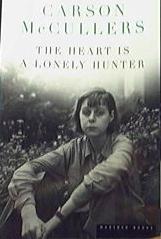
The Heart is a Lonely Hunter
2,000-word summary 9 min read 368 pages in the book
- First published
- 1940
- Publisher
- Mariner Books
- Pages
- 368
- ISBN
- 9780618526413
Reading options
What's inside (8 sections)
I read this debut slowly on quiet evenings and felt town heat rise off pages. A small Georgia mill town in the late 1930s, lonely people talking past each other, and a deaf man who listens better than anyone who can hear. First published in 1940 by Houghton Mifflin, at 356 pages in first edition and 368 pages in the Mariner paperback, it stands alone. The story follows John Singer and four others who confess to him while he grieves his friend.
Singer, a deaf engraver, loses his companion Antonapoulos to an asylum and rents rooms to fill silence. Mick Kelly, a girl who loves music and works to help family. Jake Blount, a drunken labor agitator with a bruised heart. Biff Brannon, a cafe owner who watches all. Dr. Benedict Copeland, a Black doctor fighting racism while losing his children's trust. Each believes Singer understands perfectly. He nods kindly and understands little of their theories. That gap is the book's ache.
McCullers was twenty three when published, and the prose already sings with images of heat, hunger, and songs half heard. It is southern gothic without cheap ghosts. Hauntings here are loneliness, hunger, and ideas that will not save. Read with time to sit after chapters. Short scenes echo long.
Singer and Antonapoulos
The opening friendship defines everything. Singer and Antonapoulos, both deaf, share a room, work, and simple joys. They eat, play chess, and tell stories in signs. Antonapoulos is childlike and fond of food. Singer loves him with devotion that looks like peace. When Antonapoulos steals and breaks down, relatives send him to an asylum. Singer follows as far as law allows, then returns alone to a town that cannot sign.
Singer's grief is quiet and total. He visits on Sundays with gifts. He writes letters he cannot send in voice. He rents rooms in the Kelly house to afford visits and to avoid empty evenings. He eats at Biff's cafe at the same hour. Routine holds him upright while inside he waits for news that never improves. That waiting makes him gentle with others. He knows what it is to be left.
People mistake his silence for wisdom. Because he does not interrupt, they pour theories. Because he smiles sadly, they read agreement. Singer tries to correct misunderstandings in notes, but few ask. His deafness becomes a screen for projections. Each visitor leaves relieved, believing they were heard in the way they wanted. Singer leaves tired, carrying words he cannot answer.
His rooms hold small treasures. A chess set. A silver watch. Photos of Antonapoulos. He keeps them neat in a town of dust. That neatness is care for a self that feels frayed. When he finally breaks, the break shocks because control held so long. McCullers handles that turn with mercy rather than melodrama, which makes it worse in the best way.
I found Singer the most loving character and the loneliest. He gives what he cannot get. Readers who have comforted others while grieving will recognize the cost. Listening heals visitors and hollows the listener when no one asks how he fares. The book asks who listens to the listener and answers with silence.
Mick and music
Mick Kelly is twelve going on older, tall, hungry, and full of music that has nowhere to go. She works at Woolworth to help a large family after her father hurts his hip. She dreams of a piano, of conducting, of a room where sound does not fight walls. At night she listens to the radio through static and composes in her head while shelling peas by day.
Her chapters move between child play and teen worry. She builds a private house out of scrap to think. She swims with brothers. She fights with sisters about dresses. She falls for a boy singer in ways that confuse her more than delight. McCullers writes adolescence without condescension. Mick is rude, kind, smart, and tired all at once, which is how twelve feels when money is short.
Music is her true language. Beethoven on a neighbor's phonograph cracks her open. She stands outside houses to hear lessons. She saves coins for strings. Work steals practice time, which she resents without blaming parents she loves. That bind between duty and dream drives her saddest choices. She gives up small joys to keep family fed and hates herself for missing them.
Her talks with Singer are one sided and freeing. She tells him about music because he cannot judge with hearing ears. She plays records too loud in his room and watches his face for vibration. He smiles, and she reads understanding. Whether he grasps symphonies matters less than that he makes space for her noise in a house full of need.
Mick's arc ends with growth that feels like loss. She ages into work and worry, with music narrowed to memory. That narrowing will anger readers who want triumph. McCullers refuses cheap uplift. Poverty and gender take tolls that talent alone cannot pay. What remains is Mick's capacity to hear beauty even when she cannot make it, which is both comfort and wound.
Jake, Biff, and Copeland
Jake Blount arrives loud and leaves bruised. A traveling labor man with big ideas about workers and drink to blunt disappointment, he talks in long bursts about mills, wages, and plots. Townsfolk call him crazy and buy him beers to hear rants. He fights, apologizes, and drinks again. Under noise sits a tender man who wants justice and does not know how to build it sober.
His friendship with Singer puzzles him. He shouts theories at a deaf man and feels heard. When Singer does not argue, Jake takes it as proof. That false agreement fuels longer tirades that end in shame. McCullers shows how movements need listeners but also need pushback. Jake gets comfort without correction, which soothes nights and stalls growth.
Biff Brannon watches from behind his cafe counter with observant calm. Widowed, childless, and curious about women's lives in ways the town mocks, he notices who eats alone and who pays for whom. He keeps Singer's table ready and Mick's ice cream cold. His chapters are quietest and wisest about small town hunger. He sees loneliness clearly because he lives it tidily.
Biff's interest in gender roles feels ahead of its time. He wonders why he likes cooking and tending, why his wife's death freed and emptied him, why Mick fights dresses. He does not preach. He observes himself with the same care he gives customers. Those pages offer relief from louder suffering. Thought can be tender when it does not need to win.
Dr. Benedict Copeland carries the book's angriest truth. A Black doctor serving poor patients under Jim Crow, he preaches uplift, education, and pride to children who hear scolding more than love. His son Willie is jailed and maimed. His daughter Portia works for white families and seeks joy where she can. Copeland loves his people fiercely and alienates his own house with rigidity. His chapters burn with dignity and sorrow that still sting.
Town heat and hunger
The mill town itself presses on every page. Summer heat that will not break. Dust in stores. Pay envelopes thin on Fridays. Black workers paid less and watched more. White workers scared of losing little to those with less. McCullers maps these lines without turning people into types. Class and race shape who eats, who learns music, who sees doctors, and who gets heard.
Hunger runs literal and figurative. Empty iceboxes. Borrowed meat. Coffee thinned to stretch. Hunger for touch, for talk, for a future that is not the mill. Characters feed each other when they can. Biff gives extra pie. Portia shares remedies. Mick gives brothers her portion. Those small gifts shine against big lacks. Generosity persists where systems starve.
Music and drink fill nights. Phonographs, radios, and cafe jukes offer brief lift. Jake drinks to quiet thoughts. Mick listens to forget work. Copeland's children dance to claim joy the day denies. Singer feels vibrations and watches faces light. Art here is not escape from life. It is how life bears itself for an hour.
Violence simmers more than explodes until it does. Fights in yards. A knife in a kitchen. A jail cell that cripples. McCullers does not stage set pieces. She shows aftermaths. A limp. A quiet house. A cafe closed early. That restraint makes brutality feel ordinary, which is the indictment. Harm is not event in this town. It is weather.
Time moves slowly across a year of seasons that change little. Christmas brings sparse gifts. Summer brings strikes and fevers. Fall brings school fees. The calendar marks wants more than progress. That stasis is the point. Lonely hunters circle the same blocks hoping someone will finally hear the shot only they hear.
Why it lasts and where it slows
The strength is voice and image. McCullers writes sentences that sound like humming. A deaf man's hands. A girl's throat when music hits. A doctor's careful coat. Details accrue into people rather than points. You remember bodies more than arguments, which is why the book stays after plot fades.
Moral vision also endures. Everyone projects onto Singer, yet the novel does not mock need. Wanting to be understood is human, even when we choose poor listeners. The book asks for better listening rather than cleverer theories. In loud times, that plea feels fresh. Put down the speech. Watch hands. Ask what silence holds.
Pace tests modern readers used to twists. Long inner thoughts, repeated visits to Singer's room, and cafe watches fill pages where little happens outwardly. If you need action, this will feel slow. I learned to read twenty pages at a time and let images settle. Rushing turns beauty into boredom. Patience turns it into ache.
Some language and views date, especially around race and disability, though Copeland's fury and Singer's interiority push against pity. Read with history in mind. McCullers, a white southerner in 1940, centers Black suffering with unusual seriousness for her time while still filtering much through white gazes. That mix deserves discussion rather than dismissal.
At 368 pages in Mariner paperback, The Heart is a Lonely Hunter asks for slow weeks and gives back a town you can hear. Pair it on this site with classics and literary fiction shelves, or with southern gothic companions. If you want plot and pace, choose mysteries here instead. If you want to sit with lonely people who mistake quiet for understanding and learn to listen better yourself, stay in Singer's rooms until the last chord fades.
Listening and projection
Watch how each character uses Singer as a screen. Mick brings music and hears permission to dream. Jake brings labor talk and hears agreement to march. Copeland brings race pride and hears correction of his children. Biff brings quiet questions and hears calm. Singer nods through all with mild eyes that reflect rather than answer.
That pattern asks who in your life serves as Singer. A bartender, a barber, a therapist, a best friend who texts back late. We confess to those who do not interrupt and then claim they approve. The book does not mock this need. It shows comfort and cost together. Visitors leave lighter. Singer grows heavier carrying words he cannot return.
Town spaces amplify projection. Cafes invite lingering talk. Porches invite evening spill. Work benches invite noon rants. Each setting shapes what gets said. Biff knows this and arranges tables to ease lonely men into speech. That stagecraft is kind and a little manipulative, which the book notes without judging. Care often mixes motives.
Read Singer scenes for hands rather than faces. He signs to Antonapoulos with quick joy. He writes notes in careful block letters to others. He folds letters he cannot mail. Hands show what mouths cannot in a hearing town. When his hands still at the end, the silence lands harder than any speech about grief could.
FAQ
When was The Heart Is a Lonely Hunter published?
Houghton Mifflin published The Heart Is a Lonely Hunter in 1940. The Mariner paperback runs 368 pages and stands alone as a debut.
Who is John Singer?
John Singer, a deaf engraver, listens with care while Mick, Jake, Biff, and Dr. Copeland confess hopes he cannot answer.
Similar books

Revolutionary Road
A Connecticut couple who believe they are too good for the suburbs plan to move to Paris, and the plan slowly exposes everything they cannot say to each other.
2,085-word summary · 9 min read

Sophie's Choice
A young Southern writer in 1947 Brooklyn befriends a brilliant, unstable couple and slowly learns the story of the Polish Catholic woman at the center of their…
2,798-word summary · 12 min read
The House of Mirth
Lily Bart, beautiful and penniless at twenty-nine, navigates New York's marriage market until a Dorset yacht scandal strips her of the only currency she has.
2,468-word summary · 11 min read
Ethan Frome
In snowy Starkfield, farmer Ethan Frome falls for his wife's young cousin Mattie, and one sled ride ends any hope of escape.
2,558-word summary · 11 min read
Madame Bovary
Emma Rouault marries Charles Bovary for romance, then seeks lovers and luxury until debts ruin them both.
2,400-word summary · 11 min read
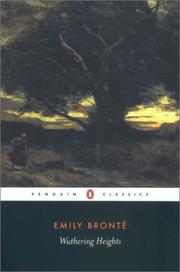
Wuthering Heights
Emily Bronte's Wuthering Heights retold: Heathcliff and Cathy on the moors, two houses, two generations.
2,056-word summary · 9 min read
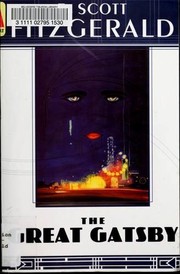
The Great Gatsby
The Great Gatsby through Nick Carraway: Gatsby's parties, the green light, Daisy and Tom, and why Fitzgerald's 1925 novel ends as a judgment on the American…
2,501-word summary · 11 min read

The Crying of Lot 49
A California woman named executor of her ex-lover's estate follows a muted post horn into a possible centuries-old postal conspiracy, and Pynchon refuses to…
2,003-word summary · 9 min read
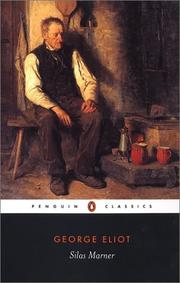
Silas Marner
A falsely accused weaver hoards gold in Raveloe until a stolen hoard and an abandoned child remake his narrow life.
2,699-word summary · 12 min read

Howards End
Forster's 1910 novel follows two families, a house in Hertfordshire, and a burned note, asking whether money and feeling can ever be connected.
2,187-word summary · 10 min read

Fathers and Sons
Arkady brings the nihilist Bazarov home to his father's estate, and a generational argument turns into love, a duel, and an early death.
2,192-word summary · 10 min read
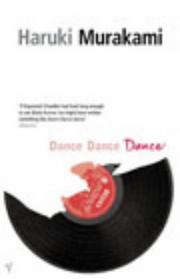
Dance Dance Dance
A divorced Tokyo writer returns to a Sapporo hotel that has been rebuilt, then follows a woman who may be a ghost and a teenage girl through a mystery about…
2,407-word summary · 11 min read
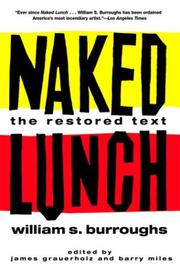
Naked Lunch
Burroughs's banned 1959 collage novel follows Bill Lee through addiction, Tangier, and the nightmare bureaucracy of the Interzone.
2,082-word summary · 9 min read

The Chosen
A shattered pair of glasses in a 1944 Brooklyn softball game starts a friendship between a Hasidic boy and his Orthodox neighbor, and their fathers pull them…
2,443-word summary · 11 min read

The Dharma Bums
Ray Smith rides freight trains, climbs Matterhorn Peak and argues about Zen with the poet Japhy Ryder in Kerouac's 1958 road novel.
2,729-word summary · 12 min read

Ivanhoe
A disinherited Saxon knight, a great tournament, a besieged castle and a trial by combat. Scott's most famous novel, set in England in 1194.
2,834-word summary · 13 min read

Wide Sargasso Sea
Jean Rhys gives the first Mrs. Rochester a Caribbean childhood, a marriage built on money and suspicion, and a voice that Charlotte Bronte left in the attic.
2,021-word summary · 9 min read
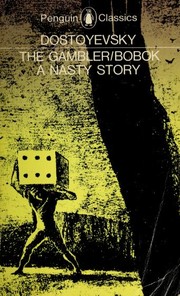
The Gambler
Dostoevsky's roulette novella: Alexei loses Polina, wins a fortune, loses everything, and promises himself one more bet tomorrow.
2,022-word summary · 9 min read

Orlando
A young Elizabethan nobleman becomes a woman and lives for centuries, moving through English history while writing a single poem about an oak tree.
2,030-word summary · 9 min read
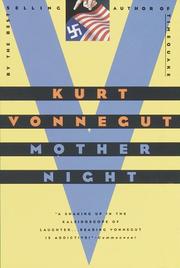
Mother Night
Howard W. Campbell Jr., a Nazi propagandist and American spy, tells the story of his double life from an Israeli prison cell while waiting to be tried for war…
1,988-word summary · 9 min read
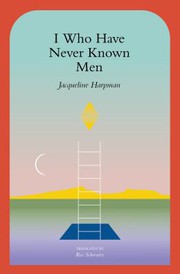
I Who Have Never Known Men
Forty women in a cage, one child who remembers nothing, and a nearly empty world above the bunker. Harpman's quiet, unexplained dystopia.
2,025-word summary · 9 min read

The Story of Edgar Sawtelle
A mute boy on a Wisconsin dog-breeding farm relives Hamlet as his uncle returns, his father dies in the barn, and the dogs inherit what is left.
2,392-word summary · 11 min read
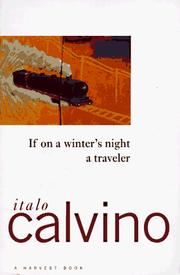
If on a Winter's Night a Traveler
You, the Reader, chase a defective novel through bookshops and translators while ten other novels keep interrupting. Calvino's famous puzzle about the act of…
2,173-word summary · 10 min read
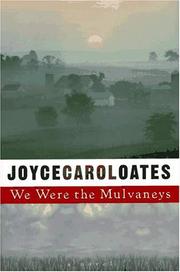
We Were the Mulvaneys
After a rape following a school dance, the Mulvaneys, a family that believed it was blessed, comes apart over fifteen years. Narrated by the youngest son.
2,094-word summary · 9 min read
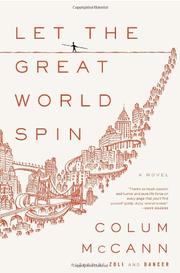
Let the Great World Spin
A wire walker crosses the towers as Bronx lives collide below.
2,338-word summary · 10 min read
I Capture the Castle
Cassandra journals six months of love and money trouble in a castle.
2,402-word summary · 11 min read
Ham on Rye
Henry Chinaski grows up rough in Depression Los Angeles and finds writing.
2,244-word summary · 10 min read
Disgrace
A professor falls after an affair, then faces violence at his daughter farm.
2,533-word summary · 11 min read
Bleak House
Jarndyce and Jarndyce grinds through Chancery while Esther finds her family.
2,480-word summary · 11 min read