
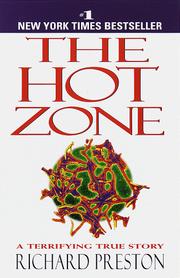
The Hot Zone
2,291-word summary 10 min read 352 pages in the book
- First published
- 1994
- Publisher
- Anchor
- Pages
- 352
- ISBN
- 9780385495226
Reading options
What's inside (8 sections)
I bought The Hot Zone on a dare from a friend who works as a nurse. She said it kept her up past midnight and made her wash her hands for a week. I read most of it on a couch with the windows open in summer, telling myself I would stop after one more chapter. I did not stop. Richard Preston published the book in 1994 with Anchor, 352 pages in the edition cited here, and it reads fast for a story about viruses. It follows Marburg and Ebola from central Africa to a monkey building in Virginia. Some parts thrilled me. Some parts made me argue with the page.
Preston came to the subject as a magazine writer, not a virologist. He had written for The New Yorker about the Army lab at Fort Detrick. His strength is scene building. You can smell the cave. You can hear the air filters. His weakness is the same thing. He pushes every scene toward maximum dread. Knowing that going in helped me enjoy the book without taking each line as settled fact.
Where Marburg and Ebola Came From
The early chapters jump back to the late 1960s and mid 1970s. In 1967, lab workers in Marburg and Belgrade handled monkeys brought from Africa and fell ill with a strange fever that caused bleeding. Scientists later named the agent Marburg virus. Preston describes rashes and blood drawn from people who seemed to be breaking down inside. What stays with you is the confusion. Doctors had no frame for it. They treated symptoms while the cause stayed hidden in monkey tissue.
Then the story moves to 1976. Two outbreaks happened almost at the same time, one in southern Sudan and one in northern Zaire. The Zaire cases clustered around Yambuku and a mission hospital run with limited supplies. Preston focuses on a few individuals, including a traveler who becomes ill after a routine trip and a nurse who tries to help. He describes reused needles at the hospital as a likely path for spread. That detail hit hard. A place meant to heal became a place where infection moved from patient to patient through thin glass syringes rinsed between uses.
A Belgian nun working in Zaire gets a long passage. So does a doctor who cared for patients and then became a patient himself. Preston writes these sections in short bursts. Fever. Headache. Then bleeding from gums. Then shock. He avoids precise case counts in most scenes, preferring to say that many died and few recovered. Later writers have pinned down numbers with more care. Preston was writing before some archives were fully open.
What I took from this part was how new the concept of a filovirus was. Under a microscope these viruses look like threads or hooks. They are not like flu. They do not move through air across a city in the way Preston sometimes implies. They move through blood and through close contact with the sick. That distinction matters. The book sometimes blurs it for effect. Preston will describe a cough in a crowded room and let the reader imagine airborne spread, then add later that transmission required contact with fluids. The scare lands first. The caveat lands second.
Kitum Cave and the Search for a Home
The middle of the book follows the hunt for where these viruses live when they are not killing people. Preston centers much of this on Kitum Cave on Mount Elgon, near the border of Kenya and Uganda. Elephants go there at night to scrape salt from the walls. People visit too. The cave is damp and close. Bats hang overhead.
Preston tells the story of Charles Monet as the human entry point. Monet was a French expatriate living in western Kenya who serviced factory equipment, if I recall the job right. He visited Kitum Cave with a companion around the new year. Days later he developed headache and fever that grew worse. He flew to Nairobi and went to hospital. He died there. Preston describes his decline in graphic terms. A doctor named Shem Musoke tried to treat him and became ill as well but survived after a long struggle. Musoke lost much of his memory of the worst days.
I read those pages with my shoulders tight. Preston is good at making a cave visit feel like a mistake you could make yourself. You walk in to look around. You breathe dust. Weeks later you are sick. He suggests the cave might harbor the virus without stating it as proven. At the time he wrote, no one had isolated Ebola from the cave. Later work pointed toward bats as a likely reservoir for related viruses, though the exact cycle remains debated as far as I can tell.
The expedition chapters were my favorite and also the most frustrating. An American team goes to Mount Elgon with protective gear to sample animals around the cave. They wear masks and gloves in punishing heat. They catch rodents. They net bats. A scientist named Eugene Johnson leads much of the field work. Preston shows him sweating inside a suit while trying to bleed a small animal without tearing his gloves. That image stayed with me longer than any lab chart.
But the team finds almost nothing conclusive. Sample after sample comes back negative. Preston admits this. He still frames the trip as noble. I wanted more reflection on what negative results mean. He moves quickly to the next scare. Preston touches questions of ecology lightly, then returns to suits and sirens. Kenyan physicians do appear, Musoke most clearly, and he comes across as skilled and brave. Yet the narrative drive stays with visiting Americans.
What Ebola Does Inside the Body
Preston spends a lot of pages on symptoms. He wants you to understand why doctors fear these viruses. He describes headache behind the eyes. Then fever. Then pain in the joints. Then a rash across the trunk. Then bleeding from gums. Then confusion. Then shock as blood pressure falls.
He explains the mechanism in plain terms. The virus seems to target cells that line blood vessels and cells that coordinate immune response. Small clots form where they should not. Bleeding follows where clotting factors run out. Fluid leaks into tissue. Preston compares the process to a kind of melting, though he admits that word is crude. At the time, much about immune evasion was still being worked out. Preston fills gaps with metaphor.
What the book does less well is proportion. Reading straight through, you might think infection means certain death with extreme bleeding in every case. In practice, signs differ from person to person. Some bleed visibly. Others show fever and weakness with less dramatic signs. Preston favors the extreme cases because they are memorable. That choice makes for gripping reading. It also leaves a skewed picture. A reader new to the topic might miss how often early signs look like malaria or typhoid, which is part of why detection is hard. He notes fluids and support as the main tools, since no specific cure existed at the time, but rushes past what good supportive care can do.
November 1989: The Monkey House in Reston
The most famous part takes place not in Africa but in Reston, Virginia, in late 1989. A company that imported primates for research received a shipment of crab eating macaques that had traveled a long route through several airports. Monkeys began to die in a quarantine building tucked inside an office park near suburban homes. A veterinarian named Dan Dalgard noticed deaths that did not fit routine shipping stress and called for help.
Preston reconstructs those weeks with novelistic pacing. A sick monkey stops eating. It dies overnight. Another follows. Staff open animals and find enlarged spleens. Samples go to Fort Detrick. At first no one thinks Ebola. Why would Ebola be in Virginia. Then a test lights up. Preston milks the delay between suspicion and confirmation. People wait for results while monkeys keep dying in steel cages.
I knew the outline before I started, yet these chapters still pulled me along. Preston notes the pizza shops and the commuter traffic and the woods behind the building. He points out that workers went home to families after handling sick animals. Each detail raises the same question. Did the virus get out. The answer, as later testing showed, was reassuring in one sense and strange in another. The agent looked like Ebola under the microscope but did not make people sick in the way Zaire Ebola did. It was later named Reston virus. Monkeys died. Humans did not.
Preston handles that twist with mixed success. He reports the good news. Then he keeps the tone dark, warning that the virus might change. That warning is not foolish. Viruses do change. But the book sometimes treats a future possibility as present danger. A calmer framing would say a quarantine system caught a primate outbreak before it spread, and follow up testing found no human disease. Both framings are true. Preston picks the scarier one.
On accuracy debates that surfaced after publication, some scientists argued Preston overstated how easily filoviruses spread. Others said he compressed timelines and merged conversations for narrative flow. He has answered by saying he wrote a thriller based on fact, not a textbook. That is honest as far as it goes. It also means readers should treat dialogue and close calls with care. The broad arc of Reston matches outside accounts. The line by line texture is Preston.
The Army Team in Space Suits
The response chapters belong to the United States Army Medical Research Institute of Infectious Diseases, usually shortened to USAMRIID, based at Fort Detrick in Maryland. Colonel Jerry Jaax, a veterinarian, helps plan the entry into the monkey house. His wife Nancy Jaax, also an Army scientist, knows the discipline high containment demands. C.J. Peters leads from a medical view. Gene Johnson brings field experience. Frederick Murphy helps with microscopy that first suggested a filovirus.
Preston loves the entry scenes. The team practices donning suits. They tape gloves. They check air hoses. They enter a warm building full of restless monkeys with fogged visors. They euthanize animals room by room and bag carcasses for decontamination. The work is slow because suits make simple tasks hard. A zipper sticks. Someone feels faint and must be walked out through the decon line while others keep working short handed.
I found these chapters moving despite the hype. Nancy Jaax cutting her glove in a lab with infected blood, as Preston recounts from an earlier incident, captures why containment culture matters. One small tear can undo hours of care. Jerry Jaax vomiting inside his mask during the Reston entry captures the physical toll. You cannot wipe your face. You cannot step out for air without a long exit.
A fair criticism raised by reviewers is that Preston makes the Army look like the only competent actor. The Centers for Disease Control and state labs played roles that get less attention. Private company staff who first noticed deaths get thanked but not centered. That tilt fits Preston sources, who were largely Army. The quarantine held because many people did unglamorous jobs, from drivers who moved samples on ice to clerks who logged each tube. Preston describes decontamination with care. Suits sprayed. Boots scrubbed. Instruments soaked. I came away with respect for procedure and aware that fatigue is often the weak link.
After Reston and What Still Bothers Me
The final movement follows cleanup and reflection. The monkey house is emptied. The building is disinfected. Follow up blood tests on exposed workers show some immune responses without severe disease. Scientists debate what Reston virus means. Preston leans toward vigilance. He closes with warnings about forests under pressure and about air travel that can move an incubation period across oceans in a day. Those warnings have aged fairly well, even if the tone feels heightened.
Later history added context Preston could not have included. Researchers learned more about filovirus ecology. Bats emerged as likely reservoirs for Marburg and, with less certainty, for Ebola. Hospitals improved barrier nursing. A large West African epidemic in the middle of the 2010s and later vaccines changed the outlook in ways Preston only hints at. Reading now, the book feels like a snapshot from before those shifts.
What still bothers me falls into two buckets. First is dramatization. Preston writes internal thoughts for people he did not interview at length. He stages phone calls with beats like a screenplay. None of this makes the core facts false. Reston happened. Kitum Cave was visited. People died in Africa in the patterns he outlines. But the polish can mislead. A student who cites this book for a paper will need stronger sources for dates and case details.
Second is proportion around risk. The Hot Zone helped fix an image of Ebola as a guaranteed killer that destroys its victims within days. That image raises attention, which can help. It also raises stigma. Survivors in later outbreaks faced shunning driven partly by stories like these. Preston could have done more to separate Reston, which did not sicken people, from Zaire Ebola, which did. He states the difference. Then his metaphors blur it again.
I closed my copy with mixed feelings that I have come to trust. I admired the reporting that got scientists to talk about frightening work. I distrusted the streamlining that turns messy events into set pieces. I washed my hands, as my friend predicted, and I also opened a map to find Mount Elgon. Curiosity survived the scare. That seems like a fair outcome for a book that wants both.
FAQ
Is The Hot Zone nonfiction?
Yes. It reconstructs real Marburg and Ebola outbreaks and the 1989 Reston monkey house response, though dialogue and inner thoughts are dramatized.
Did the Reston virus make people sick?
No severe human illness was found. Monkeys died, and some exposed workers showed immune responses without developing Ebola disease.
Does the book say where Ebola comes from in nature?
Preston centers Kitum Cave and later work points toward bats, but the exact natural cycle was still unresolved at the time he wrote.
Similar books
The Emperor of All Maladies
A biography of cancer from Galen to chemo through one doctor cases.
2,255-word summary · 10 min read
Breath: The New Science of a Lost Art
Journalist James Nestor investigates how modern humans learned to breathe badly, and what researchers, athletes, and breathwork practitioners have found about…
2,011-word summary · 9 min read
Hidden Figures
Black women computers at Langley launch rockets past Jim Crow.
2,385-word summary · 11 min read
On the Origin of Species
Darwin's 1859 case for evolution by natural selection, from Beagle finches and breeding pigeons to fossils and anatomy.
2,589-word summary · 12 min read
Empire of Pain: The Secret History of the Sackler Dynasty
How the Sackler family sold OxyContin and shaped an overdose crisis while giving to museums.
2,048-word summary · 9 min read
The Library Book
Susan Orlean investigates the 1986 Los Angeles Central Library fire and suspect Harry Peak while tracing library history, her mother's influence, and the…
2,319-word summary · 10 min read
Say Nothing
Patrick Radden Keefe traces Jean McConville's 1972 disappearance through the Price sisters, Brendan Hughes, and Gerry Adams, using Boston College tapes to…
2,846-word summary · 13 min read

A Beautiful Mind
Mathematician John Nash's brilliant game theory rise, schizophrenia collapse, and Nobel return, with wife Alicia's care.
2,142-word summary · 10 min read
The Wager: A Tale of Shipwreck, Mutiny and Murder
Thirty starved men reach Brazil as heroes in 1742, then three more land in Chile calling them mutineers, and Grann sorts the wreck.
2,995-word summary · 13 min read
Helter Skelter
Prosecutor Bugliosi builds Tate-LaBianca case against Manson Family.
2,838-word summary · 13 min read
Cosmos
Sagan tours galaxies, evolution, and Alexandria to argue for science.
2,416-word summary · 11 min read
Einstein: His Life and Universe
Isaacson traces Einstein from patent clerk to world fame using newly opened papers, through 1905, relativity, exile, and the long unified theory search.
2,773-word summary · 12 min read
Stiff: The Curious Lives of Human Cadavers
What happens to donated bodies, from crash labs and decay farms to composting and space tests.
2,051-word summary · 9 min read
Killers of the Flower Moon: The Osage Murders and the Birth of the FBI
In 1920s Oklahoma, Osage oil wealth makes tribal members targets for murder, forcing the young FBI under Tom White to expose the conspiracy behind the Reign of…
2,403-word summary · 11 min read
Guns, Germs, and Steel: The Fates of Human Societies
Diamond argues geography and crops explain why some societies expanded faster than others.
3,432-word summary · 15 min read
The Immortal Life of Henrietta Lacks
The cells of a poor Black tobacco farmer revolutionized medicine, taken without her knowledge in 1951.
2,139-word summary · 10 min read
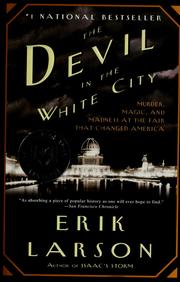
The Devil in the White City
Architect Burnham builds the 1893 Chicago Fair while H.H. Holmes builds his murder hotel nearby.
2,020-word summary · 9 min read
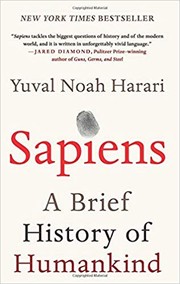
Sapiens: A Brief History of Humankind
Harari's Sapiens from cover to cover: the cognitive revolution, the agricultural bargain, shared fictions like money and nations, and the scientific centuries…
2,145-word summary · 10 min read

The Zookeeper's Wife: A War Story
The directors of the Warsaw Zoo hid roughly three hundred Jews in empty cages and outbuildings after the German invasion, while Jan worked for the resistance.
2,065-word summary · 9 min read

Sybil
A 1973 case study of a woman treated for multiple personalities, and the book that made dissociative identity disorder a household phrase.
2,054-word summary · 9 min read

Long Walk to Freedom
Mandela's account of a Thembu childhood, a law practice, a banned movement, twenty-seven years in prison, and the negotiation that ended apartheid.
2,454-word summary · 11 min read

1491: New Revelations of the Americas Before Columbus
Charles C. Mann gathers archaeology, ecology, and demography to argue that the Americas before Columbus were older, fuller, and more deliberately shaped than…
2,712-word summary · 12 min read
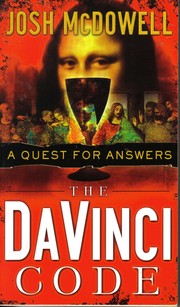
The DaVinci Code: A Quest for Answers
A short 2006 dialogue in which three friends test Dan Brown's claims about Jesus, Mary Magdalene, Nicaea, and the canon.
2,088-word summary · 9 min read
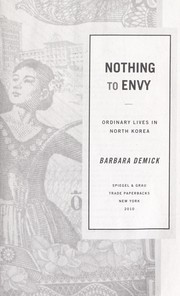
Nothing to Envy
Barbara Demick follows six defectors from Chongjin through the North Korean famine, showing how ordinary people lived, believed, and finally left.
2,068-word summary · 9 min read

Moonwalking with Einstein: The Art and Science of Remembering Everything
A journalist spends a year training for the U.S. Memory Championship and discovers that extraordinary memory is mostly technique, attention, and a lot of…
2,027-word summary · 9 min read
Down and Out in Paris and London
Orwell's account of washing dishes in Paris hotels and tramping through London does not ask for pity, only for a clear look at how poverty actually works.
2,282-word summary · 10 min read
The Wright Brothers
David McCullough tells the story of two self-taught Ohio brothers, working largely alone and out of a bicycle shop, who solved the problem of flight before…
2,027-word summary · 9 min read
Columbine
Ten years of reporting on the 1999 school massacre, including a journalist's correction of the myths he helped create in the first hours.
2,232-word summary · 10 min read
Lone Survivor: The Eyewitness Account of Operation Redwing and the Lost Heroes of SEAL Team 10
Marcus Luttrell's account of the 2005 SEAL mission in Afghanistan that killed three of his team and left him alone.
2,144-word summary · 10 min read
Bury My Heart at Wounded Knee: An Indian History of the American West
Dee Brown's 1970 retelling of the American West from the point of view of the people it destroyed.
2,233-word summary · 10 min read