
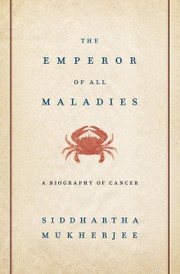
The Emperor of All Maladies
2,255-word summary 10 min read 571 pages in the book
- First published
- 2010
- Publisher
- Scribner
- Pages
- 571
- ISBN
- 9781439107959
Reading options
What's inside (2 sections)
I started The Emperor of All Maladies expecting a hard science lecture and found something closer to a long hospital story. Siddhartha Mukherjee published it with Scribner in 2010, a 571 page book that won the Pulitzer and calls itself a biography of cancer. That label fits. He treats cancer as a character born thousands of years ago, changing shape through surgery, radiation, chemo, and gene science, while he himself learns to be an oncologist. Carla, his patient with acute leukemia, opens and closes the book. Between her visits we get Galen, Halsted, Farber, and the long war to cure, control, or simply describe this illness. If you want one book that explains why cancer care looks the way it does, this is the one friends keep handing over.
Mukherjee frames his own start plainly. He finishes training and joins a clinic where hope and failure sit in the same waiting room. Carla is thirty, a kindergarten teacher, with bruises, bleeding gums, fatigue she blamed on work. Her blood shows almost no normal cells, just blasts. He tells her she has acute lymphoblastic leukemia and that without treatment she has months. She asks if she will live. He learns to answer without promising what he cannot promise. Her story returns between history chapters like a pulse check. Treatment, remission, return, new drugs, hard choices. It keeps the science tied to a person you remember.
From there he goes far back. Egypt first. An Egyptian scroll from around 2500 BC describes breast tumors cut with fire drills and notes there is no treatment. Hippocrates, around 400 BC, gives the illness its name family. Karkinos, crab, for the way tumors grip tissue with swollen veins like legs. Karkinoma for solid masses. Later writers use oncos, swelling, which gives us oncology. Mukherjee likes these old terms because they show doctors saw the same crab shape we still see under scopes.
Galen comes next, and his shadow lasts a thousand years. A Roman doctor to gladiators and emperors, Galen argues black bile causes cancer, one of four humors out of balance. Treatment means purge, bleed, diet, laxatives. He is wrong about cause but right that cancers spread quietly inside. His authority freezes inquiry. For centuries surgeons cut surface tumors but feared deep ones. Wounds festered. No anesthesia. No clean method. Cancer sat in texts as both common and untouchable.
Mukherjee moves quickly through the middle centuries to the 1800s, when microscopes and anesthesia change what doctors dare. A young surgeon can put a patient to sleep with ether, cut wider, wash hands, tie vessels. Rudolf Virchow in Germany looks through lenses and argues cancers come from normal cells gone wild, dividing without stop. That idea seems simple now. Then it split medicine. If cancer is cells, not black bile floating around, you might remove it fully by removing enough flesh around it.
That belief leads to William Halsted at Johns Hopkins. Halsted builds the radical mastectomy, removing breast, muscle, nodes, skin in one large block to chase every last cell. His patients survive surgery better than before because he is careful and clean. Some stay free of cancer for years. Others see it return in bones or lungs despite perfect operations. Mukherjee writes Halsted with respect and sadness. A brilliant operator, addicted to cocaine and morphine from self experiments, convinced more surgery means more cure. For decades American surgeons copy him. Women lose chest walls for small lumps because theory says width saves. Later trials prove less can do as much when paired with other care, but that proof takes most of the twentieth century.
Parallel to surgery runs radiation. Wilhelm Roentgen finds X rays in 1895. Marie Curie isolates radium. Doctors notice beams shrink tumors. Early use is wild. Skin burns. Staff sicken. Doses guessed. Yet for cervical cancer, skin cancers, some lymphomas, radiation works where knives cannot reach. Mukherjee tells stories of clinic basements with lead boxes and brave nurses logging burns on their own hands. He notes a pattern that repeats with every new weapon. Early joy, wider use, harm discovered late, then careful dosing. Radiation follows that arc exactly.
Then chemo, and here the book finds its engine. Sidney Farber in Boston in the late 1940s treats children with leukemia. Leukemia fills blood with white blasts and kills in weeks. Parents watch children fade while doctors offer transfusions and little else. Farber tries aminopterin, a folic acid blocker, after noticing folic acid feeds blasts. A few children go into brief remission. Bone pain eases. They play again. Then cancer returns, resistant. Critics call him reckless for poisoning children. Mukherjee shows why Farber pushed on. Brief life where none existed proved chemicals could touch cancer at all.
Carla's modern treatment only exists because Farber took that scorn. From antifolates the story spreads to nitrogen mustard, first used from war gas research. Doctors at Yale test it on lymphomas during the war in secret. Lumps shrink, then regrow. Still, proof again. Chemicals move through blood to places surgery cannot go. After the war, Gertrude Elion and George Hitchings build drugs that block cell building blocks. Methotrexate replaces aminopterin with safer dosing. 6-mercaptopurine keeps some leukemias down longer. Each drug alone buys months. None buys cure.
The next leap is combination. Mukherjee gives a lot of room to Emil Frei and Emil Freireich at the National Cancer Institute in the 1960s. Their idea sounds simple and felt cruel at the time. Hit leukemia with several poisons at once at full doses, keep hitting through low counts and fevers, do not stop early. Children vomit, bleed, catch infections. Some die of treatment. Hospital halls fill with angry parents and tired nurses. But a fraction stay in remission, then years free. Cure, a word doctors feared to say, enters notes. The same approach spreads to Hodgkin lymphoma, testicular cancer, childhood leukemias. Cure becomes possible for some fast dividing cancers, at high cost.
Adults with common solid tumors do not share that luck. Breast, lung, colon, prostate cancers respond less to early chemo. Surgeons and drug doctors argue. Mukherjee stages debates at conferences where surgeons accuse chemotherapists of poisoning without proof, and drug doctors accuse surgeons of cutting without proof. Bernard Fisher tests lumpectomy plus radiation against radical mastectomy and finds equal survival for early breast cancer. That result, built on randomized trials, breaks Halsted's hold. Trials themselves become a theme. How to test fairly. How to consent. How to balance a single patient against future patients. Carla faces these choices when her first plan fails. Join a trial or take standard care. Mukherjee does not hide his own pull toward action.
Politics enters with the war on cancer. Mukherjee tracks Mary Lasker, a lobbyist with money and ads, who pushes cancer as a national mission like the moon shot. Newspapers print children with leukemia. Senators hear promises that cure is near if funding grows. President Nixon signs the National Cancer Act in 1971. Money floods labs. Headlines promise victory by 1976, then by 1980. Victory does not come. Death rates for many adult cancers barely move through the 1970s and 1980s. Mukherjee is fair but blunt. Hype raised cash and built centers, yet it also sold a simple story about a complex illness. Cancer is not one thing with one cause. It is hundreds of cell errors wearing one name.
That complexity leads to the middle chapters on cause and prevention, which I found most useful. Smoking first. Researchers in the 1950s follow British doctors and American smokers and find lung cancer tracks cigarettes tightly. Tobacco firms fund doubt, hire doctors for ads, demand perfect proof while people die. It takes decades, warning labels, lawsuits, and bans to bend use down. Still, lung deaths fall slowly after smoking falls. Proof that prevention can beat cure where cure fails. Then viruses and chemicals. Human papillomavirus tied to cervical cancer, hepatitis B to liver, asbestos to mesothelioma, some dyes and solvents to bladder. Then screening fights. Pap smears cut cervical deaths sharply. Mammograms help some age groups and spark fights about false alarms and extra surgery. PSA tests find prostate cancers, many slow, some fast, leaving men and doctors unsure when to act. Mukherjee lets these messes stand. Early finding saves lives and also harms people who would never have been sick.
By the 1970s labs shift from patients to genes. Peyton Rous found a chicken virus that causes tumors back in 1911 and was ignored for decades. Later workers find src, an oncogene carried by viruses, then find similar genes in normal human cells. Normal genes that drive growth, when mutated or overactive, drive cancer. Robert Weinberg and others pull ras from human bladder cancers. Michael Bishop and Harold Varmus show oncogenes start as our own. Then tumor suppressors, the brakes. Retinoblastoma gene Rb, p53 in many tumors, BRCA1 and BRCA2 in breast and ovarian families. Mukherjee explains this with good patience. Gas pedal stuck down. Brakes cut. A cell that should die instead divides. Add immune escape, blood vessel growth, spread, and you have the traits writers later call hallmarks.
These finds rewrite treatment hopes. If cancer runs on broken signals, block the signals. The first clear win is Gleevec, imatinib, for chronic myeloid leukemia with the Philadelphia chromosome. Brian Druker and others test a pill that fits the BCR-ABL protein like a key in a lock. White counts fall. Patients who faced transplant live normal years on pills. Mukherjee was training as this news broke, and his joy shows. Herceptin for HER2 breast cancer follows a harder path, helping a subset defined by a test, failing others, proving tests matter as much as drugs. Then the limits return. Targeted drugs work until cancer mutates around them. Lung cancers with EGFR changes shrink on pills, then grow with new changes. Each response teaches the tumor.
Mukherjee closes near where he started, with Carla. Her leukemia returns after first remission. He tries second line drugs, talks transplant, talks palliative paths. She chooses more treatment while knowing odds thin. He sits with her through fevers and counts. She dies. Not every story in cancer ends with cure, and he refuses to frame her as a lesson only. Her case shows what the 571 pages argue. We learned to cut, burn, poison, then aim. Survival for many cancers rose. Childhood leukemia went from near always fatal to mostly curable. Hodgkin, testicular, some breast and colon cancers moved too. Yet pancreatic, lung, glioblastoma, metastatic disease still take most whom they touch. Progress is real and partial.
A fair criticism belongs here because the book is long and shaped by its author. Mukherjee centers doctors and labs, mostly American, mostly male for long stretches. Patients beyond Carla, like a few breast and tobacco victims, appear briefly then fade while surgeons debate. Nurses, data managers, trial statisticians, hospice workers who carry daily care get less room than lab chiefs. Some history repeats. Farber's fights, Halsted's shadow, Lasker's campaign each get full retellings that could have been shorter. Readers who want global health, or how poor clinics cope without Gleevec prices, will find little. He nods to cost and access near the end but does not stay there.
Another limit is tone. He writes as a fellow who loves his mentors, so sharp failures soften. Radical mastectomy harmed many women after evidence thinned, yet Halsted stays heroic for pages before the turn. Early high dose chemo with bone marrow transplant for breast cancer, pushed hard in the 1980s and later shown weak, gets less space than its harm deserves. I wanted more anger at hype cycles he otherwise describes well. His answer would be that medicine learns by trying, which is true, but trying on bodies needs a harder eye.
Still, the structure works for a newcomer. Short chapters grouped into six parts move from first descriptions to surgery to chemo to prevention to genes to targeted pills. Names return, so you can track them. He explains terms when they first matter. Blast, remission, adjuvant, oncogene, suppressor. He avoids jargon piles. He uses letters, trial tables, clinic notes, but keeps them brief. I read the surgery and Farber sections fastest, slowed in gene mapping where acronyms stack, then sped again when Carla returned. That rhythm feels planned. History, then human, then history.
Who should read it. Anyone with a new diagnosis in the family who wants context without false comfort. Students who wonder why protocols stack drugs and tests in a set order. Readers who liked big science histories but want faces with facts. If you need a short guide to one cancer type, this is not it. Look for a disease specific book or a current guideline, because science after 2010 moved fast with immune drugs and better sequencing. If long hospital books tire you, borrow and read the Carla chapters plus surgery and Farber first, then decide. You will still get the spine.
I finished with more respect for oncology language. Remission means quiet, not gone. Cure means years without return, a bet, not a promise. Adjuvant means extra treatment after surgery to kill strays. Palliation means ease, not give up. Mukherjee earns his closing claim that cancer is built into our growth, a shadow of renewal. Cells divide. Errors copy. Most errors die. Some learn. Our job, as he shows through Carla and the century before her, is to keep learning faster than they do, and to stay honest about cost while we try.
FAQ
When was The Emperor of All Maladies published?
Scribner published it in 2010. The first edition runs 571 pages and its ISBN is 9781439107959. It won the Pulitzer for general nonfiction.
Who are the central figures?
Carla, a young leukemia patient, plus doctors like Galen, Halsted, Farber, Frei, Freireich, and researchers behind oncogenes and targeted drugs.
Is it part of a series?
No, it is a standalone history of cancer from ancient Egypt through surgery, radiation, chemotherapy, and gene targeted therapy.
Similar books
Hidden Figures
Black women computers at Langley launch rockets past Jim Crow.
2,385-word summary · 11 min read
The Hot Zone
Ebola and Marburg move from African outbreaks to a Virginia monkey house and an Army response in suits.
2,291-word summary · 10 min read

A Beautiful Mind
Mathematician John Nash's brilliant game theory rise, schizophrenia collapse, and Nobel return, with wife Alicia's care.
2,142-word summary · 10 min read
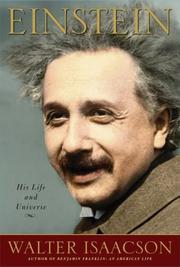
Einstein: His Life and Universe
Isaacson traces Einstein from patent clerk to world fame using newly opened papers, through 1905, relativity, exile, and the long unified theory search.
2,773-word summary · 12 min read

Sybil
A 1973 case study of a woman treated for multiple personalities, and the book that made dissociative identity disorder a household phrase.
2,054-word summary · 9 min read
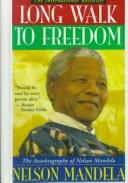
Long Walk to Freedom
Mandela's account of a Thembu childhood, a law practice, a banned movement, twenty-seven years in prison, and the negotiation that ended apartheid.
2,454-word summary · 11 min read
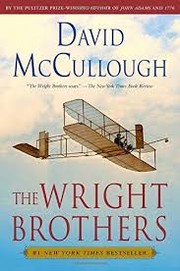
The Wright Brothers
David McCullough tells the story of two self-taught Ohio brothers, working largely alone and out of a bicycle shop, who solved the problem of flight before…
2,027-word summary · 9 min read
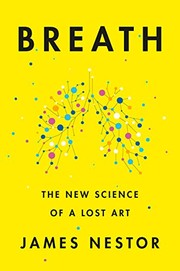
Breath: The New Science of a Lost Art
Journalist James Nestor investigates how modern humans learned to breathe badly, and what researchers, athletes, and breathwork practitioners have found about…
2,011-word summary · 9 min read
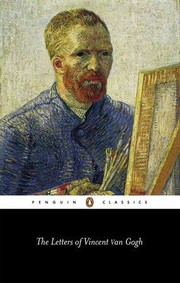
The Letters of Vincent van Gogh
Vincent van Gogh's letters to his brother Theo, in a Penguin Classics selection edited by Ronald de Leeuw, trace a decade of work, faith, and obsession.
2,611-word summary · 12 min read
Catherine the Great: Portrait of a Woman
A German princess survives a miserable marriage and a coup to rule Russia for thirty-four years, torn between Enlightenment ideas and absolute power.
2,065-word summary · 9 min read

The Warmth of Other Suns
Three migrants ride north out of Jim Crow toward Chicago and LA.
2,561-word summary · 11 min read
Killing Lincoln
Booth plots as Lincoln pushes war end and reunion in 1865.
2,486-word summary · 11 min read
Wild Swans
Three generations of women survive warlords, revolution, and the Cultural Revolution in Jung Chang's family memoir.
2,356-word summary · 10 min read
On the Origin of Species
Darwin's 1859 case for evolution by natural selection, from Beagle finches and breeding pigeons to fossils and anatomy.
2,589-word summary · 12 min read

The Surgeon of Crowthorne
James Murray built the Oxford dictionary with Broadmoor inmate William Minor, whose thousands of slips shaped this 1998 HarperCollins story of murder, madness…
2,775-word summary · 12 min read

Cleopatra: A Life
Pulitzer winner Schiff restores Cleopatra as a capable ruler, from Ptolemy debts and Caesar to Antony, Actium, and her death in 30 BC, built from coins and…
3,586-word summary · 16 min read
The Splendid and the Vile
Larson follows Churchill circle through Blitz year with diaries and bombing nights.
2,038-word summary · 9 min read
American Sniper: The Autobiography of the Most Lethal Sniper in U.S. Military History
Navy SEAL sniper Chris Kyle recounts Texas roots, SEAL training, four Iraq tours, and the strain combat placed on his marriage and health.
2,011-word summary · 9 min read
Cosmos
Sagan tours galaxies, evolution, and Alexandria to argue for science.
2,416-word summary · 11 min read

Cosmic Music
The first full biography of Alice Coltrane, from Detroit church piano to ashram guru.
2,048-word summary · 9 min read
Benjamin Franklin: An American Life
Isaacson traces Franklin from Boston runaway to printer, scientist, London agent, Paris diplomat, and founder across 590 vivid pages.
2,149-word summary · 10 min read
Stiff: The Curious Lives of Human Cadavers
What happens to donated bodies, from crash labs and decay farms to composting and space tests.
2,051-word summary · 9 min read
In the Garden of Beasts
Ambassador Dodd takes his family to 1933 Berlin and watches charm curdle into terror.
1,927-word summary · 9 min read
1776
Washington's amateur army from Boston siege to Trenton through mud and doubt.
2,139-word summary · 10 min read
John Adams
McCullough follows Adams from Braintree lawyer to second president.
2,515-word summary · 11 min read
Guns, Germs, and Steel: The Fates of Human Societies
Diamond argues geography and crops explain why some societies expanded faster than others.
3,432-word summary · 15 min read
The Immortal Life of Henrietta Lacks
The cells of a poor Black tobacco farmer revolutionized medicine, taken without her knowledge in 1951.
2,139-word summary · 10 min read
Unbroken
Louis Zamperini survives a Pacific crash, sharks and POW camps after running in the Berlin Olympics.
3,263-word summary · 15 min read
Sapiens: A Brief History of Humankind
Harari's Sapiens from cover to cover: the cognitive revolution, the agricultural bargain, shared fictions like money and nations, and the scientific centuries…
2,145-word summary · 10 min read

The Zookeeper's Wife: A War Story
The directors of the Warsaw Zoo hid roughly three hundred Jews in empty cages and outbuildings after the German invasion, while Jan worked for the resistance.
2,065-word summary · 9 min read