
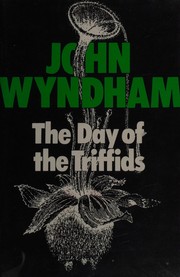
The Day of the Triffids
2,171-word summary 10 min read 304 pages in the book
- First published
- 1951
- Publisher
- Michael Joseph
- Pages
- 304
- ISBN
- 9780718100933
- Series
- Triffids (#1)
Reading options
What's inside (4 sections)
I read The Day of the Triffids on a weekend with blinds half open because blind apocalypse hits differently in daylight. First published in 1951 by Michael Joseph at 304 pages in hardcover, post apocalyptic science fiction by John Wyndham. After most people blinded by green meteor shower, aggressive walking plants called triffids start killing. Bill Masen, biologist who worked with triffids, wakes sighted in hospital after eye bandages and wanders chaotic London. He joins Josella, Beadley group, Coker squads, Tynsham, Sussex colony, Isle of Wight hope. I found it plausibly terrifying and very British about class and rebuilding. At 304 pages it moves fast with ideas that last since 1951, inspiring 28 Days Later openings and school syllabuses.
Bill starts in hospital with eyes bandaged after triffid sting splashed. Nurses tell of green meteor shower. Next morning he unwraps to chaos. Staff and patients blind, stumbling. He wanders London full of blind inhabitants, meets wealthy novelist Josella Playton being forcibly used as guide by a blind man, rescues her. Intrigued by single light on Senate House in dark city, they discover sighted survivors led by Beadley planning countryside colony. They join. That opening, hospital to Senate House, hooked me with practical detail. How do blind fill baths. How do sighted avoid mobs. Bill shares food, ties ropes, speaks calmly. Competence porn with compassion. He does not loot first. He helps. That decency defines him against later despot who uses blind as slave labor. Good people exist after collapse. Hold to them.
Triffids themselves fascinate as bioengineered plants for oil, tall, venomous, carnivorous, capable of locomotion. Bill suspects Soviet bioengineering accidentally released. Because of excellent industrial oil, heavy cultivation worldwide. That backstory, with Lysenko mentions in some editions, roots fantasy in Cold War science politics. Plants as oil crop turned predator when humans blind. Metaphor for colonized peoples coming back, as critics note about decolonization after 1945, or for technology outgrowing masters. Both readings work. Triffids wait till blindness to hunt freely. Before, they killed occasionally when unchained. After, they mass around fenced exteriors. Survivors learn to kill with guns, fire, honey in fuel tanks? Actually honey disables armored car later, not triffids. For triffids, they fence, watch, burn. That siege routine structures middle. Sussex colony self sufficient with success, but constantly threatened. Several years pass with triffids massing. Dread builds not from jumps but from gardening against carnivores. Weed or be eaten. That domestic apocalypse chills more than zombies. Tend garden or die. Relatable to anyone who weeds. Now weeds bite. Keep hoe handy. Good.
Groups and choices
Beadley's group plans countryside colony with polygamy implicit to rebuild. That scheme appalls some, especially religious Miss Durrant. Before plans settle, Wilfred Coker stages fire at university and kidnaps sighted including Bill and Josella. They are chained to blind persons and assigned to lead squads collecting food while beset by triffids and rival scavengers. That forced labor section tests Bill's morals. Lead blind well or abandon. He leads well till followers sicken and die of unknown disease. When survivors leave him one morning, he returns to Senate House seeking Josella, finds only address left by Beadley group. Joined by repentant Coker, Bill drives to Tynsham estate in Wiltshire. Finds part of Beadley group now led by Durrant, who says Beadley went to Dorset, no sign of Josella. Durrant's talk of Dorset was deliberate to throw Bill off? Actually later learns Durrant lied to protect? Details blur, but pattern matters. Groups splinter over ideology. Beadley authoritarian efficient. Durrant religious democratic. Coker repentant anarchist. Bill pragmatic kind. Each offers path to rebuild. None perfect. Debate while triffids gather. That debate is novel's heart more than plants. How to live after collapse. Who decides. Who cares for blind. Answers differ. Listen to all, choose with Bill who picks small colony over grand plans. Small works. Big schemes attract despots. Good lesson for preppers. Start Sussex, not empire. Tend fence. Share food. Leave gates open for triffids when fleeing armored car despot? Actually final escape uses honey in fuel and open gates to let triffids in on despot. Clever and ruthless. Use monsters against tyrants. Risky but satisfying. Despot who would enslave blind and take Susan as hostage gets eaten. Justice by triffid. Do not cheer too loudly. Same plants threaten heroes. Use carefully. Flee after. Good.
Josella and Bill romance grounds. Rescue in London, separation by Coker kidnapping, reunion after Sussex with Susan. Josella is capable, not just novelist to be saved. She leads squads, shoots, argues about polygamy. Their love grows through shared work, not just rescue. When Bill rescues young sighted Susan trapped alone with dead brother killed by triffid, buries boy and takes her, Josella later accepts Susan as family. That adoption of orphans defines colony. Raise sighted kids to see for blind? Actually to rebuild. Susan's presence reminds what is at stake. Children need future beyond fences. Isle of Wight hope offers island free of triffids? Actually triffids cannot cross sea? Beadley's faction reports colony on Isle of Wight. Durrant lied about Dorset to mislead? While Bill reluctant to leave Sussex settlement, group decides to see summer out before moving. Plans hurried by armored car despot arrival. Leader ruthless young man Bill watched kill ill group member on scavenging expedition. He plans to give Bill many blind to care and use as slave labor, take Susan hostage. Feigning agreement, Bill's group parties visitors drunk, disables armored car with honey in fuel, drives through gates leaving open for triffids. That escape, clever and cold, shows heroes can be ruthless to tyrants. Leave gates open knowing plants will kill. Is that murder. Probably justified war. Sit with. Despots who enslave deserve triffids. Still, using monsters risks all. Flee fast after. They do to Isle of Wight, determined one day to destroy triffids and reclaim world. Hopeful end after bleak middle. Keep fences till then. Good.
Susan as child survivor deserves love. Found alone at home with brother dead in garden, buried by Bill. She travels, learns, helps. Her resilience without sentimentality moves. She does chores, watches for triffids, accepts Josella. Kids in apocalypse often written as burdens or symbols. Susan is person who grieves brother while adapting. She asks plain questions. Will triffids come. Can we stay. Adults answer honestly. Yes, they will. We will try. That honesty respects young readers. Do not lie about danger. Prepare together. Good.
What shines is plausibility and humanity. Wyndham, fire watcher in Blitz who saw London silenced after bombing, writes collapse with lived detail. Uncanny Sunday morning quiet after heavy bombardment in letters became London emptied. That lived texture beats exposition. Details of blind London. Traffic stopped, looting, fires. Survivors' practical problems. Food, water, guides. Triffids as unusual terrifying source praised by Boucher and McComas for detailed plausibility and human immediacy. Clarke called immortal. Even Aldiss who coined cozy catastrophe to dismiss, calling devoid of ideas, missed Atwood's rebuttal that one might as well call WWII cozy because not everyone died. Fair. Survival can be relatively comfortable without being cozy in dismissive sense. Tending Sussex farm while triffids mass is work, not comfort. Respect labor. At 304 pages it reads fast with substance. School syllabuses choose for safety, but safety does not mean shallow. Ideas about science, decolonization, individualism run deep. Discuss after. Good.
What strains is dated gender and politics. Josella capable but often rescued. Miss Durrant as religious scold. Polygamy scheme proposed without much critique except personal distaste. Beadley authoritarian efficiency admired partly. Coker's forced labor with blind chained to sighted reads as slavery analogy unexamined? Actually book examines through Bill's discomfort. Still, 1951 British views on race, gender, empire show. Triffids as colonized peoples coming back metaphor, as Määttä suggests, works but risks equating people with plants. Read critically. Note who leads. Sighted men lead, women support, blind follow. Challenge while enjoying. Ask who is missing from colony plans. Disabled? Actually blind are central, which is progressive for 1951. Center blind experience often. How do they navigate, work, love. Those passages respect. Keep that while critiquing gender. Both.
Content is classic sci fi horror with restraint. No gore linger, deaths by sting described plainly. Language clean for 1951. Suitable for teens older ready for apocalypse and adults who like cozy catastrophes with teeth. Pair with 28 Days Later opening to see influence. At 304 pages it starts a tradition. Read, then watch adaptations (1962 film, 1981 and 2009 TV) to see what changes. Books better on interior rebuilding debates. Films better on triffid visuals. Both enjoy. Keep hoe handy. Watch sky for green meteors. If blinded, listen for Bill. Follow calm voice. Tend fence. Hope for Isle of Wight. One day reclaim. Till then, survive kindly. Good.
Blindness and rebuilding
I want to say more about blindness, because Wyndham centers blind experience with rare respect for 1951. Most blind from meteor shower, not born blind, so grief fresh. They stumble, cry, adapt fast or die. Sighted like Bill guide at first, then blind organize. Coker chains sighted to blind squads to collect food, a forced labor system Bill hates but sees logic. Blind need eyes. Sighted need numbers. That mutual need could be cooperative, but Coker forces. Later Sussex colony includes blind working with roles. Cooking by smell, guarding by hearing, farming by touch. Those details honor capability without romanticizing. Blind are not helpless burdens. They work, love, argue. Miss Durrant leads with moral authority despite blindness? Actually Durrant sighted? She leads Beadley splinter? Details blur, but blind characters generally drawn as people adapting, not props. That respect stands out against era when disability often pitied. Keep while critiquing gender. Both.
Beadley versus Durrant versus Coker versus Bill offers political theory in action. Beadley efficient authoritarian with polygamy scheme to rebuild fast. Durrant religious democratic with moral rules. Coker anarchist repentant forcing labor to feed. Bill pragmatic kind choosing small colony over grand plans. None perfect. Debate while triffids gather. That debate is novel's heart more than plants. How to live after collapse. Who decides. Who cares for blind. Answers differ. Listen to all, choose with Bill who picks small colony over empire. Small works. Big schemes attract despots. Good lesson for preppers and policymakers. Start Sussex, not empire. Tend fence. Share food. Leave gates open for triffids when fleeing despot? Actually final escape uses honey in fuel and open gates to let triffids in on despot. Clever and ruthless. Use monsters against tyrants. Risky but satisfying. Despot who would enslave blind and take Susan as hostage gets eaten. Justice by triffid. Do not cheer too loudly. Same plants threaten heroes. Use carefully. Flee after. Good.
Josella and Bill romance grounds with equality unusual for 1951. She is wealthy novelist, capable with gun and car, argues about polygamy, leads squads. He respects, listens, loves. No damsel long. When separated by Coker kidnapping, both survive independently and reunite as equals. That partnership models healthy apocalypse love. Share watches, decisions, grief. Susan as adopted daughter completes family not by blood but choice. Raise sighted kid to see for blind? Actually to rebuild. That chosen family theme warms cold apocalypse. Love persists after green meteors. Hold hands while watching fences. Good.
Triffid biology as oil crop turned predator warns about monocultures and bioengineering. Grown worldwide for excellent oil, cultivated heavily, then blind owners cannot control. Plants walk, sting, eat. Metaphor for colonized peoples coming back, as Määttä suggests about decolonization after 1945, works but risks equating people with plants. Read critically. Better metaphor is technology outgrowing masters. Oil dependence creates vulnerability. When system breaks, tools turn. That reading fits 1951 fears of Soviet bioengineering and satellite weapons (Bill speculates meteor shower may have been orbital weapons triggered). Compound disaster. Triffids only gain free rein after satellite goes awry. Narrator describes orbital missiles with crop diseases and viruses. Man made horrors compound. Not one cause, but greed plus weapons plus plants. That compound thinking suits now with climate, pandemics, AI. Single fixes fail. Address systems together. Tend fences while questioning oil and weapons. Good.
If you reread, watch for honey. Honey disables armored car by pouring into fuel tank. Sweetness stops war machine. Lovely image. Use sweetness against steel when needed. Parties to get visitors drunk, honey in tanks, gates opened to plants. Trickster survival, not heroic battle. Bill wins by cunning and kindness, not firepower. That cunning honors underdogs. Small colonies beat despots with wits, not armies. Remember when feeling outgunned. Honey works. Parties work. Gates work. Use available. At 304 pages, the book teaches survival as gardening and tricking, not just shooting. Tend, trick, flee to islands. Hope for Isle of Wight where triffids cannot cross sea? Actually they can? But island offers moat. Water as defense. Learn geography. Islands save. Go insular temporarily to regroup, not to hide forever. Plan to return and reclaim one day. That hope sustains without promising soon. Keep hoe handy. Watch sky. Listen for Bill. Survive kindly till reclaim. Good.
FAQ
When was The Day of the Triffids published?
It was first published in 1951 by Michael Joseph at 304 pages. It is book one in the Triffids series.
Who is Bill Masen?
Biologist Bill Masen, sighted after hospital bandages, joins Josella to survive triffids and blind chaos.
Similar books
More from Triffids first, then related titles.
The Twelve
The middle volume of the Passage trilogy braids the year America died, a picnic massacre decades earlier, and the survivors' war against the twelve master…
2,089-word summary · 9 min read
I Am Legend
Robert Neville holds one fortified house in empty Los Angeles by day, and faces what the plague left behind by night.
2,840-word summary · 13 min read
Wilder Girls
At a quarantined boarding school off Maine, three girls with strange mutations search for a missing friend and learn what the adults have hidden.
2,594-word summary · 12 min read
A Canticle for Leibowitz
After nuclear war, monks save books across centuries while the world rebuilds and falls again.
2,381-word summary · 11 min read

The Island of Doctor Moreau
Shipwrecked Prendick finds Doctor Moreau shaping beasts into men by pain on lost island.
2,137-word summary · 9 min read
The Invisible Man
A scientist makes himself invisible and learns the price: no one can live outside the world. Wells turns a clever trick into a chase across Sussex.
2,564-word summary · 11 min read
Parable of the Sower
Lauren Olamina flees burning Robledo with her Earthseed verses and walks north to plant a new faith.
2,311-word summary · 10 min read
Bird Box
A mother and two small children risk a blindfolded river trip after sight itself turns deadly.
3,229-word summary · 14 min read
The Passage
A failed Army experiment makes blood-hungry virals, and a quiet girl named Amy may hold the answer a century later.
2,755-word summary · 12 min read

Cell
A cell signal turns callers into violent phoners, and a father walks north through ruins to find his son.
2,103-word summary · 9 min read
Under the Dome
Chester's Mill is sealed under an invisible dome as cook Barbie and editor Julia face Big Jim Rennie's rule.
2,731-word summary · 12 min read
The War of the Worlds
A Surrey writer watches Martians land in cylinders, march on London in tripods, and fall to Earth's smallest life.
2,667-word summary · 12 min read
The Scorch Trials
Thomas and the Gladers cross a burned wasteland to reach haven while WICKED watches.
2,097-word summary · 9 min read
The Stand
A superflu wipes out most people as good and evil gather in two towns.
1,959-word summary · 9 min read
Frankenstein
Frankenstein retold: Victor builds, the creature wakes, Arctic letters, demand and refusal.
1,901-word summary · 8 min read

The Long Winter
Dakota Territory, 1880: seven months of blizzards cut a town off from the railroad, and a family survives on twisted hay, ground wheat, and a dangerous wheat…
2,210-word summary · 10 min read
Authority
The new director of the Southern Reach takes over an agency that is hiding the truth about Area X, and the building starts to change around him.
2,029-word summary · 9 min read
Year One
A plague released in Scotland kills most of humanity, and the survivors discover magic, build a town, and wait for a child who may save them.
2,029-word summary · 9 min read

The House of the Scorpion
A clone raised in a drug lord's poppy fields learns what he was made for and chooses what to do with the life he was given.
2,527-word summary · 11 min read
The Troop
A Boy Scout troop on a Canadian island takes in a stranger who cannot stop eating, and the worm inside him turns a camping trip into a war.
2,457-word summary · 11 min read
The Lottery
In Jackson's 1948 story, a village draws lots to keep the corn heavy, and the chosen person is stoned by her neighbors.
3,080-word summary · 14 min read
Her Body and Other Parties: Stories
Eight stories where bodies, medicine and old fairy tales get taken apart, with a green ribbon running through the whole book.
2,997-word summary · 13 min read
Out of the Silent Planet
A Cambridge philologist is kidnapped and taken to Mars, where the natives are civilized and the humans are the dangerous invaders.
2,612-word summary · 12 min read
I Who Have Never Known Men
Forty women in a cage, one child who remembers nothing, and a nearly empty world above the bunker. Harpman's quiet, unexplained dystopia.
2,025-word summary · 9 min read

Wither
In a future where women die at twenty, sixteen-year-old Rhine is sold as a bride to a wealthy stranger and plots an escape from a beautiful prison.
2,395-word summary · 11 min read
We
In a city of glass ruled by the Benefactor, a state engineer building a spaceship falls for a woman who wants to tear the One State down.
2,247-word summary · 10 min read
The Illustrated Man
A tattooed drifter's moving pictures retell eighteen Bradbury stories of children, rockets, Mars and the last night of the world.
2,791-word summary · 12 min read

Never Fade
Ruby, now a leader in the Children's League, must track down the boy whose memories she erased, because he holds the only proof of what caused the disease that…
2,188-word summary · 10 min read
Nemesis Games
The Rocinante crew scatters across the solar system just as Marco Inaros and the Free Navy bombard Earth. The Expanse reaches its turning point.
2,506-word summary · 11 min read