
Reading options
What's inside (7 sections)
I came to Frankenstein expecting horror and found a sad argument about making and leaving. The book was published in 1818 in London by Lackington, Hughes, Harding, Mavor and Jones. It runs 288 pages in the Penguin 1818 text edition. Mary Shelley wrote it at eighteen after a ghost story night with Byron and Percy Shelley. Robert Walton writes Arctic letters home. Inside them Victor Frankenstein tells his life. Inside that the creature tells his. I read it slowly because the frames nest deep. It rewards patience.
Walton sails north to find glory. He is young, keen, and lonely. He writes to his sister Margaret about ice, crews, and dreams. Stuck in floes, his men haul aboard a gaunt man chasing a sled. That man is Victor, sick and wild. Walton nurses him. Victor asks where the other sled went. Walton points. Victor groans. Over days Victor tells his tale as warning. Walton writes it down. The ship becomes a cold room where two ambitious men compare notes. Walton wants the pole. Victor wanted life from parts. Both risk crews for ideas.
Victor grows in Geneva with kind parents, a cousin Elizabeth he loves, a friend Henry Clerval, and a brother William. He reads old alchemists, then learns new chemists at Ingolstadt. He finds the trick of joining dead matter into life. The book hides the method, which is wise. He builds a man eight feet tall in a workshop, then wakes him and flees at the sight. He falls ill for months. Henry nurses him. William is strangled in woods. The servant Justine is blamed and hanged. Victor knows the creature did it and says nothing from shame. That silence starts his guilt.
The Creature Speaks
The creature learns fast and suffers much. He hides in a hovel by a cottage, watches a poor family, and learns speech from their lessons. He reads Milton, Plutarch, and Werther found in a bag. He tries to help in secret, stacking wood. When he shows himself hoping for love, they beat him. He burns the cottage and walks to Geneva. He meets William, learns the boy is a Frankenstein, and kills him in rage. He frames Justine with a locket. Then he finds Victor on a glacier and demands a hearing. Victor listens because fear and guilt mix.
The hearing is the heart of the book. The creature speaks well, better than his maker at times. He says he was born good and made cruel by hate. He asks for a mate like himself to live far from men. Victor agrees, then breaks promise on an island in Scotland while the female half built lies near. He tears the work and sinks parts at sea. The creature watches from a window and vows revenge. He strangles Henry in Ireland. He kills Elizabeth on her wedding night. Victor's father dies of grief. Victor lives to hunt. The ledger of loss runs red because Victor first refused care, then refused company.
Shelley gives the creature hunger for books and music that makes his violence sadder. He loves the De Lacey family from afar. He learns names for bread and fire. He saves a drowning girl and gets shot. He asks Victor for one kind act and is told no. His murders are vile and also legible. Hurt turned outward. Readers will argue if he had choice. The book suggests he did, but that men narrowed it with stones and shots. I pitied him and feared him at once, which seems the aim.
Elizabeth and Henry deserve more than plot use. Elizabeth writes kind letters, waits, and trusts Victor too long. She marries him without knowing his secret and dies for it. Henry is loyal and bright, nurses Victor, and follows him to Scotland to keep him sane. Both die because Victor hides truth. Their deaths indict secrecy more than science. If Victor had told one friend early, much blood might have stayed in veins. He tells Walton late, which saves Walton's crew but not his own house.
Ice and Letters
Walton's frame returns with force. Victor asks Walton to kill the creature after he dies. Walton agrees in pity, then faces his own crew who want to turn south before ice kills them. The men crowd the cabin and beg. Walton must pick between vow and lives. He picks lives and turns home, writing to Margaret that glory is not worth frozen graves. Victor dies of grief and cold soon after, still asking for hunt. The creature boards the ship, mourns over Victor's body with strange tenderness, and tells Walton he will burn himself north. He leaps to ice and is lost in dark and wind. Walton writes the end to Margaret with shaking hand. Ambition cools into care, at least for one captain.
The Arctic works as more than set. Ice traps ships like guilt traps men. White wastes mirror blank minds at start. Fire warms hands and also burns cottages. Shelley pairs cold and heat through all. Victor chases the creature across ice on a sled. The creature lures with false lights. Walton's masts creak. Dogs howl. Those sounds close the book with a chill that no lab scene matches. I heard the ice long after I closed pages.
The 1818 text differs from the later 1831 revision in tone worth naming. The first text is bolder and more political, with harsher fate and less apology. Elizabeth's backstory, Victor's drive, and the creature's claims read sharper. Later Shelley softened some lines after loss and blame. This summary follows the 1818 text as asked, with its rough force intact. Readers new to Shelley should know most school copies use 1831. The beats match, the edge shifts. Either tells the same sad chase.
Henry, Elizabeth, and Silence
Henry Clerval deserves more than friend tag. He nurses Victor for months without pay, writes cheerful letters home, and follows Victor to Scotland to keep him sane. He loves tales and wants to see the world. Victor repays him with secrets and delays. When the creature strangles Henry in Ireland, the loss lands hard because Henry was the book's clearest good. His death indicts Victor's silence more than any lab act. One honest talk on the road might have saved him. Victor chose shame instead.
Elizabeth waits with patience that now reads as tragic. She writes to Victor, keeps his father calm, and cares for young William. She trusts Victor's excuses about study. She marries him without knowing his night work. On their wedding night the creature takes her to punish Victor's broken vow. Her death turns Victor's guilt to hunt. Readers may wish she asked harder questions earlier. Shelley shows a time when good women waited and trusted. The cost here is absolute. Silence, meant to shield her, leaves her open.
Justine's trial shows law at its worst. Accused by a locket the creature planted, she confesses under priest pressure though innocent. The court hangs her to calm a town. Victor watches with proof in his heart and says nothing to save name. That cowardice stains him more than building. Shelley, daughter of radicals, knew courts could kill to soothe. The scene still bites. A poor girl dies so a rich student can hide. The book does not forgive him, even as Walton pities him.
Scotland, Ireland, and Vows Broken
Scotland chapters show Victor at his most cowardly and human. He rents a hut on an island, gathers tools, and half builds a mate. He fears the pair will breed, hate, or leave for lands unknown. He fears the creature's joy more than his threats. In a night of disgust he tears the work before the creature's watching eyes. The act is rash and fateful. He rows out to sink parts and falls asleep, drifting to Ireland for trial instead. Those pages mix sea mist and guilt well. Work undone haunts more than work done.
Ireland brings Henry's death and Victor's arrest. Fishermen find Henry strangled. Victor is held as suspect. He falls ill in prison and is freed for lack of proof. He returns to Geneva with Henry's body and a broken father. Elizabeth tries to cheer him. They marry quickly as if marriage could wall out grief. Shelley stages the wedding with dread. Guests dance while the creature watches windows. Elizabeth is killed that night. Victor shoots and misses. The speed of loss after vows shocks even now. A reader feels the hunt turn personal past return.
Walton's crew mirrors these vows. They swear north, then beg south when ice grips. Walton promised Victor revenge, then picks living men over dead words. That turn saves the ship and breaks his pride. He writes to Margaret that he chose shame with live crew over glory with corpses. The parallel is plain and effective. Both Victor and Walton swear high. One keeps his oath to ruin. One breaks his to live. Shelley favors the breaker here. Tending the living beats chasing the dead.
What Chills and What Drags
Shelley chills with ideas, not gore. No lab lightning show, no green neck bolts. A workshop on a rainy night, a hand moved, a breath caught. Dread comes from silence after, Victor running down stairs, Justine hanged in a yard, a boy dead in woods with a locket gone. The creature's reading list delights and disturbs. A being built yesterday quoting Milton by firelight feels wrong in a good way. Walton's letters give room to breathe between horrors with ice and dogs. The prose, though old, moves in clear waves once you catch rhythm. Long sentences roll like seas, then snap short on grief.
It drags where letters pile. Walton opens long. Victor tells childhood long. The island work repeats fears. The creature's cottage stay, though fine, runs many pages on lessons. Modern readers may skim Henry's travel letters and lose nothing. The language also thickens around morals. Wretched, ardent, sublime return often. I kept a pencil on frames to track who speaks. Without notes, voices blur. With notes, the nest holds.
There are flaws to name fairly. Victor hides a murderer to protect name, letting Justine die, yet the book keeps him sympathetic. Elizabeth waits years without asking hard questions. The creature learns speech too fast from cracks in walls. Victor builds a mate, then breaks vow from disgust, dooming others for his squeamish turn. Shelley knows these strains and pushes past them for theme. Creation without care breeds ruin. The point lands even when means creak.
Even with drags, the book holds as first science fiction and lasting grief tale. It asks who is monster, maker who flees or made who begs. It asks what we owe what we make, children, tools, stories. Victor owes care and pays in kin. Walton learns and turns ship. The creature owes restraint and fails, then chooses fire over more harm. Walton's sister Margaret, who gets the letters, stands for the reader at home. She never boards, never builds, yet she judges kindly and keeps pages safe in London. Shelley gives her the last word by address, if not by voice, and that frame steadies the horror. I finished the book cold and moved, thinking less of sparks and more of doors left open in storms. Shelley wrote at eighteen what many never learn, that to bring life, even of ideas, is to stay and tend it.
FAQ
How does Victor create the creature in Frankenstein?
Victor Frankenstein learns chemists at Ingolstadt, builds a man from parts, and flees when it moves. He falls ill and hides the truth for years.
What does the creature ask for and what follows?
The creature learns speech in a hovel, saves a girl, and is shot for it. He asks Victor for a mate and is refused, then hunts friends and wife.
When was Frankenstein published?
It was published in 1818 by Lackington, Hughes, Harding, Mavor and Jones in London. The summary follows the 1818 text and keeps its facts aligned.
Similar books
More like Frankenstein →
The Picture of Dorian Gray
Dorian Gray retold: Basil paints, Henry talks, wish holds youth while canvas bears years.
2,061-word summary · 9 min read

The Strange Case of Dr. Jekyll and Mr. Hyde
A London lawyer traces a violent stranger to his respectable friend in Stevenson's 1886 tale of two selves.
2,286-word summary · 10 min read

'Salem's Lot
A writer returns to Jerusalem's Lot as an old house fills with vampires.
2,046-word summary · 9 min read

Interview with the Vampire
Louis tells a reporter how Lestat made him and how Claudia doomed them all in New Orleans and Paris.
2,195-word summary · 10 min read
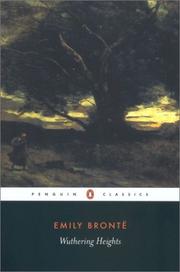
Wuthering Heights
Emily Bronte's Wuthering Heights retold: Heathcliff and Cathy on the moors, two houses, two generations.
2,056-word summary · 9 min read

Dracula
Count Dracula sails for England in letters and diaries, and Van Helsing leads the hunt to stop him.
2,860-word summary · 13 min read