
Reading options
What's inside (9 sections)
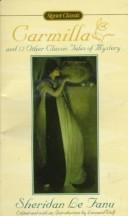
I read Carmilla on a gray afternoon with tea going cold, which suits a novella about long sleeps and cold rooms. Published serially in 1871 to 1872, it follows Laura, lonely daughter of an English widower in Styria, who befriends beautiful Carmilla. Twenty five years before Dracula, Le Fanu invented much of what we now call vampire fiction, including the lesbian vampire as tragic figure rather than monster alone.
Laura alone in the schloss
Laura lives in a picturesque and solitary castle with her father, governesses Madame Perrodon and Mademoiselle De Lafontaine, and servants. Mother dead, neighbors far, visitors rare. At six she has a vision of a beautiful lady in her chamber who pricks her breast, then vanishes. Household calls it dream. She insists it was real and never fully forgets the sharpness and the sweetness together.
Twelve years later routine breaks. General Spielsdorf writes that niece Bertha died mysteriously and he cannot visit. Laura, who hoped for a friend her age, mourns a girl she never met. Then a carriage accident outside the gate brings Carmilla, same age, injured just enough to stay while her urgent mother rides on. Carmilla will give no family name, no past, no direction. Laura's father, kind and incurious in the way of Victorian patriarchs, accepts mystery because his daughter begs.
Friendship ignites fast. Walks, dresses, confidences. Carmilla is languid, beautiful, sudden. She sleeps till noon, hates prayers, never eats, walks at night. She takes Laura's hand with fond pressure, gazes with languid burning eyes, whispers you are mine and we are one forever. Laura feels attraction and revulsion together and writes both without fully understanding either. Le Fanu, writing for Victorian magazine readers, codes desire as dread. Modern readers will read clearly. This is a love story as much as a haunting.
What I loved is Laura's narration, retrospective and uncertain. She writes years later, trying to be fair to a girl who hurt her. She admits embarrassment at her own feelings, confusion about Carmilla's tears, guilt for enjoying attention that frightened her. That unreliability makes the horror stronger. Is Carmilla predator, lover, or both. Laura cannot decide and neither can we, which is more disturbing than fangs alone.
Bertha, Millarca, and names
General Spielsdorf's tale, told on the road to Karnstein ruins, provides the pattern Laura missed. At a ball he and Bertha met Millarca and her strange mother, who begged lodging for three weeks. Millarca charmed Bertha, visited nightly, left her paler each morning. A priest doctor diagnosed vampirism too late. Spielsdorf hid with a sword, saw a black beast on Bertha's throat turn into Millarca, attacked through a locked door escape, and lost Bertha by morning. He now hunts with an axe and a map.
Names give the game. Millarca, Carmilla, Mircalla Karnstein. Anagrams for one long lived Countess dead centuries but buried shallow. Portrait in Laura's hall dated 1698 shows the ancestor exactly, mole on neck and all. Carmilla claims kinship and deflects. I am descended, she says, which is true in a way that hides truth. Le Fanu plays fair with clues while keeping characters blind from love and manners. Readers will solve before Laura, which creates dread rather than surprise. Watch her walk toward knowledge you already hold.
The Karnstein village visit adds folklore. Woodsman tells where the tomb was moved by a Moravian noble who fought vampires. Chapel ruins, graves opened, records of deaths that match visits. Baron Vordenburg, descendant of that hero and amateur vampire expert, arrives with notes on how to kill. Stake, beheading, burning, river for ashes. Science of superstition delivered as antiquarian lecture. It slows pace but grounds the supernatural in procedure that Stoker will copy with Van Helsing.
A fair note is pacing. Middle chapters repeat. Nightmare of cat beast on breast, morning denial, doctor called, father reassures, Carmilla found innocent in bed. Twice. Le Fanu, paid by installment, stretches. Read in one sitting the repetition feels like dream logic. Read across days it drags. Push through for the chapel confrontation where Spielsdorf swings and Carmilla disarms and vanishes. That scene earns the slow build with shock.
Night visits and decline
Horror here is intimate rather than gory. Carmilla does not storm. She sighs, kisses along cheeks, breathes fast against necks. Laura dreams of needles an inch apart, wakes tired, finds a blue spot below collar that the doctor sees and hides from her. Appetite fades. Energy thins. Father plans an Italy tour for health while fearing consumption. No one says vampire aloud in the house because saying it would require acting against a guest who is also a girl Laura loves.
Le Fanu writes desire and illness together in ways that now read as queer text. Carmilla hates funerals, hates prayers, hates forms that wound her. She tells Laura marriage talk bores her, that girls should live together always. Laura, convent raised, has no language for her own response beyond hateful yet overpowering. Scholars debate whether theirs is friendship, romance, or maternal care twisted. The text supports all three at once, which is why it endures in queer canons. It allows identification without forcing label from outside.
The doctor's private talk with father excludes Laura, a Victorian move that frustrates modern readers. Men decide while the girl who bleeds waits outside. Carmilla exploits that silence by performing innocence at breakfast after night feeds. Le Fanu critiques patriarchal protection even as he uses it for suspense. Father loves but fails to see because seeing would require believing a beautiful guest could harm. Class manners shield predators as surely as coffins.
By the ruins, truth breaks fast. Carmilla appears, Spielsdorf attacks, she vanishes, Vordenburg explains. The party exhumes Mircalla, finds her breathing faintly in blood, stakes, beheads, burns. Laura watches from distance, half fainting. Justice feels procedural rather than cathartic. No final words with Carmilla, no forgiveness scene. Just ash in a river that the text hints may sustain her still. That lack of closure haunts more than the tomb opening.
Why it matters and how to read
Carmilla defined tropes Dracula made famous. Female vampire as both seductive and maternal, fangs at breast rather than throat alone, sleepwalking, aversion to religion, shape as cat and woman, tomb with portrait, expert hunter with notes, stake and burning cure. Stoker borrowed and expanded with lawyers and boats. Without Le Fanu's Countess, no Lucy, no lesbian vampire daughters in Hammer films, no web series reclaiming her as hero. Read it as source and you will see horror history form.
Influence extends beyond Stoker to James and Henry James, to Moth Diaries that quotes it, to opera and games that restage Styria. The 2019 Machado edition adds a fictional scholar frame that reclaims queer erasure, with footnotes that humanize Carmilla. That edition is worth seeking after a first straight read. It shows how classics live through reinterpretation rather than dust.
How to read it now. At 108 pages it fits an evening. Read Laura's conflicted kisses without imposing modern labels too fast, then sit with discomfort. Notice who speaks and who is silenced. Notice servants who see more than masters. Notice that father takes Laura to Italy for a year but she never fully recovers and still dreams. Trauma outlasts exorcism. That final line about dreams is the book's truest horror. The body can be burned. Longing remains.
If you like gothic with feeling, start here before Dracula. It is shorter, stranger, and sadder. Bring patience for repetition and openness to ambiguity. Le Fanu will not tell you what Laura wanted. He will show a girl who both feared and missed a vampire and let you decide what that means. I closed it thinking less about fangs than about loneliness that invites beautiful danger inside. Castles keep girls safe from the world and helpless before guests. That is the tale's lasting chill.
Servants, doctors, and men who fail
Servants see more than masters in Carmilla and say less because wages depend on silence. Laura's governesses notice Carmilla never eats, never prays, walks at night, yet report late for fear of being called superstitious. A nursemaid finds a blue mark and is told not to frighten Miss. Woodsmen know where the Karnstein tomb moved but speak only when asked by a baron with coins. Le Fanu, Irish writer attentive to class, shows how households run on not noticing. Respectability requires blindness that predators use. Modern readers will want to shake the staff into speech. Remember their jobs forbid it.
Doctors fail similarly through professionalism that cannot name evil. The first physician sees Laura's bite and speaks privately to father, prescribing country air rather than truth to avoid alarming a young lady. The priest doctor with Spielsdorf does better, naming vampirism and prescribing sword and stake, but arrives after Bertha dies. Vordenburg, the expert, arrives with notes and tools in time for exhumation but not for prevention. Medicine here manages symptoms while folklore cures, a reversal that gothic loves. Bleeding, rest, and travel to Italy do nothing. Axe, stake, and fire do. The book suggests some ills need stories older than science to name.
Father figures love but cannot protect because protection assumes male authority works. Laura's father negotiates with Carmilla's fake mother, agrees to house a stranger on a daughter's plea, and trusts manners over instinct. Spielsdorf, a general, cannot guard a niece in his own house from a guest he invited. Both men act decisively only after girls die or sicken past hiding. Then they swing axes and drive stakes with vigor that feels like guilt made violent. Le Fanu, himself a father writing in a violent century, lets their failure stand without absolving through revenge. Killing Carmilla does not restore Laura's health or sleep. Italy helps a little. Dreams remain.
Queer reading then and now
Victorian readers could read Carmilla and Laura as intense friendship because culture allowed women physical closeness without naming desire. Sharing beds on visits, holding hands on walks, kissing cheeks in greeting. Le Fanu uses that license to stage scenes modern readers recognize as courtship. Lingering touches, jealousy of suitors, promises of forever whispered at night. The ambiguity was likely deliberate to pass censors while titillating those who knew. Private queer presses later reprinted the novella precisely because the code was readable to those who needed it. A love story that could deny itself to survive.
Modern reclamation, from Hammer's lesbian vampire films to the web series where Carmilla is hero, flips villainy into romance by centering her perspective. What if she loves rather than hunts. What if the Karnstein curse forces feeding she hates. Le Fanu gives enough humanity to allow the flip. Carmilla weeps real tears, rages at funerals from grief as well as hunger, remembers Laura from childhood with tenderness that predates need. She is not innocent, she kills Bertha and sickens Laura, but she is not only hunger. That complexity lets contemporary writers rescue her without erasing harm. Love and predation coexist uncomfortably, which feels honest about power in unequal pairs.
Machado's 2019 edition makes the reclamation textual with a fake scholar frame claiming the story censored real letters between women. Footnotes correct pronouns, restore cut kisses, and question Hesselius's diagnoses. Some purists object to altering a classic. I found it thrilling as second read after straight text. First meet Le Fanu's Carmilla as written, alluring and alarming. Then meet Machado's marginalia that asks who got to tell. Both together teach how classics live. Not as fixed tombs like Mircalla's, but as bodies that breathe faintly when opened and demand new stakes or new kisses depending on century.
Dream logic and final dreams
Laura's closing claim that she still dreams of Carmilla deserves last attention because it reframes the whole cure. Stake, beheading, burning, river ashes. Procedure complete. Yet the girl saved wakes hearing steps in halls and feeling pressure on breast on anniversaries. Trauma as haunting after monster death is the novella's most modern insight. Exorcism does not equal healing. Italy's year of art and sun helps appetite and color but not sleep. Father calls it nerves. Doctors call it female hysteria in language that now offends. Readers recognize PTSD before the term exists. The body keeps score when minds try to close cases.
Dreams themselves blur memory and visitation in ways Le Fanu refuses to sort. Childhood prick with no wound. Adult bites with blue marks. Are later dreams returns or replays. Laura cannot tell and neither can we, which is precisely how survivors describe flashbacks. Vivid, embodied, uncertain in origin but certain in feeling. Carmilla in dreams apologizes and threatens by turns, echoing waking ambivalence. To read those passages only as proof she survived the river misses the point. Whether ghost or memory, she lives where Laura lives now. Inside. That interior haunting outlasts any commission's fire and explains why the tale still chills after plot mechanics age. Monsters die. Dreams do not oblige.
FAQ
When was Carmilla published?
It ran serially in The Dark Blue in 1871 to 1872, then in In a Glass Darkly in 1872. The novella runs about 108 pages.
Did Carmilla inspire Dracula?
Yes. Published 25 years before Dracula in 1897, it gave Stoker the lesbian vampire, the Karnstein tomb, and the expert hunter Vordenburg echoed by Van Helsing.
Does Laura survive?
Laura survives, Carmilla is staked and burned, but Laura never fully recovers and dreams of her still.
Similar books
'Salem's Lot
A writer returns to Jerusalem's Lot as an old house fills with vampires.
2,046-word summary · 9 min read
Interview with the Vampire
Louis tells a reporter how Lestat made him and how Claudia doomed them all in New Orleans and Paris.
2,195-word summary · 10 min read
Dracula
Count Dracula sails for England in letters and diaries, and Van Helsing leads the hunt to stop him.
2,860-word summary · 13 min read
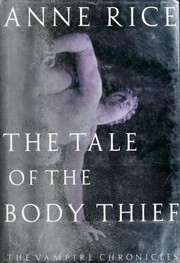
The Tale of the Body Thief
Lestat trades bodies with a psychic thief for one day of mortality and ends up trapped, sick, and hunting his own vampire body.
2,069-word summary · 9 min read
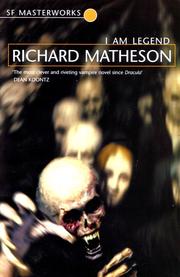
I Am Legend
Robert Neville holds one fortified house in empty Los Angeles by day, and faces what the plague left behind by night.
2,840-word summary · 13 min read
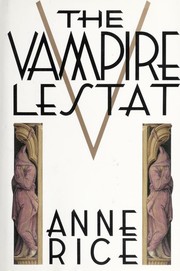
The Vampire Lestat
Lestat tells his own tale from French village to rock star, waking ancient ones who hate questions.
1,916-word summary · 9 min read
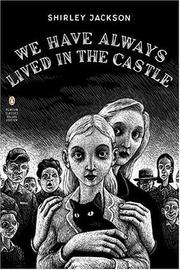
We Have Always Lived in the Castle
Merricat guards sister Constance after arsenic deaths, until cousin Charles invades and fire frees them.
3,011-word summary · 13 min read
The Historian
A daughter traces her father's search for Dracula through letters and archives across Europe.
3,237-word summary · 14 min read
The Strange Case of Dr. Jekyll and Mr. Hyde
A London lawyer traces a violent stranger to his respectable friend in Stevenson's 1886 tale of two selves.
2,286-word summary · 10 min read
The Picture of Dorian Gray
Dorian Gray retold: Basil paints, Henry talks, wish holds youth while canvas bears years.
2,061-word summary · 9 min read
Frankenstein
Frankenstein retold: Victor builds, the creature wakes, Arctic letters, demand and refusal.
1,901-word summary · 8 min read
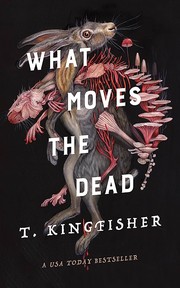
What Moves the Dead
Alex Easton arrives at the Usher house to find Madeline dying, the tarn full of fungus, and the local hares refusing to stay dead.
2,586-word summary · 11 min read
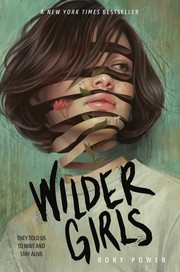
Wilder Girls
At a quarantined boarding school off Maine, three girls with strange mutations search for a missing friend and learn what the adults have hidden.
2,594-word summary · 12 min read
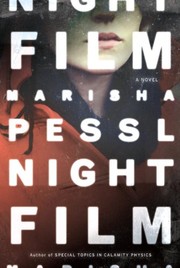
Night Film
A disgraced journalist investigates the death of a reclusive horror director's daughter, following a red coat through hospitals, secret clubs, and a family…
2,690-word summary · 12 min read
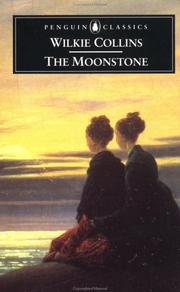
The Moonstone
A cursed yellow diamond vanishes on the night of a birthday party, and eight witnesses tell what they saw.
2,603-word summary · 12 min read
The Lottery
In Jackson's 1948 story, a village draws lots to keep the corn heavy, and the chosen person is stoned by her neighbors.
3,080-word summary · 14 min read
Her Body and Other Parties: Stories
Eight stories where bodies, medicine and old fairy tales get taken apart, with a green ribbon running through the whole book.
2,997-word summary · 13 min read
Circus of the Damned
A rogue master vampire arrives in St. Louis and Anita Blake is caught in an undead turf war, with a science teacher in the crossfire.
2,757-word summary · 12 min read
Orlando
A young Elizabethan nobleman becomes a woman and lives for centuries, moving through English history while writing a single poem about an oak tree.
2,030-word summary · 9 min read

The Wasp Factory
Iain Banks's 1984 debut follows Frank Cauldhame, an isolated sixteen-year-old on a Scottish island, as his brother's escape and a family secret unravel his…
2,248-word summary · 10 min read
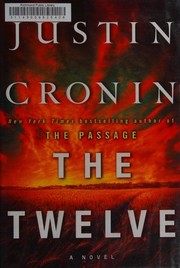
The Twelve
The middle volume of the Passage trilogy braids the year America died, a picnic massacre decades earlier, and the survivors' war against the twelve master…
2,089-word summary · 9 min read
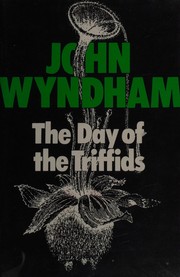
The Day of the Triffids
Blinded survivors flee carnivorous plants after a meteor shower.
2,171-word summary · 10 min read
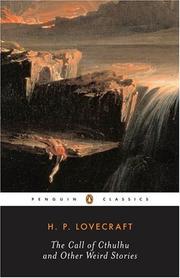
The Call of Cthulhu and Other Weird Stories
Seventeen tales from Dagon to Innsmouth, led by Cthulhu, the Colour, and the Whisperer, in S. T. Joshi careful Penguin edition with notes and corrected texts.
2,593-word summary · 12 min read
The Call of Cthulhu
A professor's papers link a sculptor's dreams, a Louisiana cult raid, and a sailor's voyage to a sleeping god under the sea.
2,530-word summary · 11 min read
Let the Right One In
A bullied boy in 1981 Blackeberg befriends the strange child next door, where love and hunger grow side by side.
2,546-word summary · 11 min read
Howl and Other Poems
Ginsberg's 1956 City Lights debut: Howl for outcasts plus tender shorter poems, in 48 pages that survived an obscenity trial.
2,570-word summary · 11 min read
The Witching Hour
A San Francisco surgeon inherits a haunted New Orleans house where a spirit has courted her witches for centuries, until a Christmas Eve birth gives it living…
2,953-word summary · 13 min read
Brideshead Revisited
At Oxford Charles Ryder befriends Sebastian Flyte and falls into the Catholic Marchmain family, from Brideshead summers to Julia's affair and Lord Marchmain's…
2,353-word summary · 10 min read
The Island of Doctor Moreau
Shipwrecked Prendick finds Doctor Moreau shaping beasts into men by pain on lost island.
2,137-word summary · 9 min read
NOS4A2
Vic McQueen's bike finds lost things through a bridge, pitting her against Manx's Rolls-Royce ride to Christmasland.
2,060-word summary · 9 min read