
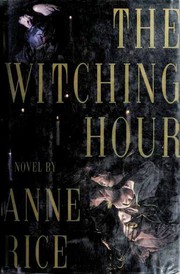
The Witching Hour
2,953-word summary 13 min read 976 pages in the book
- First published
- 1990
- Publisher
- Knopf
- Pages
- 976
- ISBN
- 9780394587868
- Series
- Lives of the Mayfair Witches (#1)
Reading options
What's inside (7 sections)
I bought The Witching Hour during a wet October when I wanted something thick enough to get lost in for a week. The paperback brick sat on my nightstand for days while I talked myself into it. I had loved Interview with the Vampire years earlier for its sad, confessional voice, and I was curious what Anne Rice would do with witches instead of vampires. What I found was stranger and heavier than I expected. Published on October 19, 1990 by Knopf, running 976 pages with ISBN 9780394587868, it opens the series Lives of the Mayfair Witches as book one. It reads less like a single horror novel and more like a family history with a ghost leaning over every page. I finished it tired, impressed, annoyed, and unable to stop thinking about the house at the center of it.
Rowan Mayfair is the entry point, and she is designed to feel modern against all that history. She is a thirty year old neurosurgeon in San Francisco, adopted as a baby, brilliant at work, controlled in her private life, lonely without quite admitting it. She grew up outside the family, with only hints that her birth kin in New Orleans are wealthy and odd and do not let go. Michael Curry is the other entry point. He is a contractor from New Orleans, good with his hands, easy in company, the kind of man who fixes old houses because he likes bringing wood back to life. The book throws them together by water. Michael nearly drowns off the California coast, has a strange vision while gone, and is pulled back. Rowan is there on the rescue boat and saves him with surgery and calm. When he wakes, his hands have changed. He sees things by touch, histories pressed into objects, a psychometric buzz he cannot turn off. That gift ties him to Rowan and to New Orleans in ways neither understands yet.
Their early chapters have a bright, romantic pull that almost tricks you into thinking this will be a love story with some ghosts on the side. Rowan is drawn to Michael because he is warm where she is guarded. Michael is drawn to Rowan because she saved his life and because she feels fated to him in the floating, drugged clarity of his near death vision. They talk in hospital rooms and then in her Tiburon houseboat kitchen, trading pasts. He tells her about growing up around old New Orleans houses. She tells him about being adopted, about her quiet adoptive mother Ellie who died, about the sense that someone paid for her schooling from far away. Rice lets them circle each other slowly. There is sex, there is tenderness, there is a feeling that two competent adults have chosen each other. Then a phone call from New Orleans breaks it. Deirdre Mayfair, Rowan's birth mother, has died. There is a funeral. There is a house. There is money. Rowan has to go south.
A death in New Orleans and the house on First Street
Deirdre Mayfair dies early, and her death sets the whole machine moving. Deirdre was the eleventh witch in the line, or counted so by the watchers, a beautiful woman kept for years in a drugged haze in the big Garden District house on First Street. Rice writes her as a figure seen mostly through others. Nurses remember her staring at nothing. Neighbors remember her walking in the garden in thin dresses, talking to someone no one else could see. Her aunt Carlotta kept her locked in routine and sedation, reading it as protection. When Deirdre dies, Rowan inherits not only wealth but designation. She is the thirteenth. The number matters because the spirit attached to the family has waited for this child.
The house on First Street is the true main character for long stretches. It is a big Greek Revival mansion with columns, high ceilings, oak floors that creak with age, a garden thick with banana trees and night smell. Michael knows houses, and through his hands Rice lets you feel this one. He touches a doorframe and gets a flash of a party in 1929. He touches a stair rail and feels grief from the 1950s. Rowan walks its rooms as an owner who never grew up there, opening shutters, finding old dresses, reading doctor bills for a woman she never knew. Ellie, her adoptive mother, had kept newspaper clippings. Cousins appear with casseroles and warnings. Everyone in New Orleans seems to know the Mayfairs and to have an opinion about whether Rowan should stay. The house feels lived in and watched at once. Rice slows down here lovingly. She describes curtains, silver, rain on slate, the way light falls through shutters at four in the afternoon. If you like old houses in fiction, you will be happy for a hundred pages. If you want plot to hurry, you will start to fidget.
Aaron Lightner arrives as guide and explainer. He works for the Talamasca, a secret order of watchers who study people with second sight and keep files across centuries. Aaron is older, polite, British in manner, tired in a decent way. He has watched the Mayfairs for years and loved some of them from a distance. He brings Rowan a file, then boxes, then a whole history. He tells Michael that his new power with his hands is real and documented in other cases. He warns both that the family carries something with it. Aaron is easy to like because he listens. In a book full of intense, selfish people, he offers tea and context. He also serves as the delivery system for the middle third of the novel, which is where many readers either surrender or stall.
What Aaron knows and what the file holds
The file is enormous. Rice pauses the present tense love story to walk back through three hundred years of Mayfairs, and Aaron reads or retells it with Rowan and Michael listening. Suzanne Mayfair in seventeenth century Donnelaith in Scotland calls to a spirit in a stone circle to save her village and gets Lasher, or something that names itself Lasher. He is invisible to most, warm to touch for her, jealous, sexual, hungry for attention and for entry into flesh. Suzanne is burned as a witch. Her daughter carries the line to France and then to Saint Domingue and then to Louisiana. Generation after generation, a daughter is chosen, given the family emerald, taught to expect Lasher's visits, told she is special.
Rice gives each witch a portrait. Deborah in the Old World, sharp and proud, who tries to use Lasher and is destroyed. Charlotte in New Orleans, who builds the First Street house and makes the family rich with land and marriages. Marie Claudette, who hides. Julien, the only powerful male witch in the line, charming and cruel, who can see Lasher clearly and who fathers children across the color line and inside the family, tangling bloodlines. Stella, the flapper in the 1920s, who dances on tables, sleeps with who she likes, throws parties that last days, and is shot dead. Antha, Stella's daughter, who falls apart after her mother's murder and walks off a roof or is pushed by grief. Deirdre, Antha's daughter, kept dull by Carlotta to block Lasher, who still reaches her. Carlotta herself, the stern aunt who rejects magic, goes to Mass daily, and tries to starve the spirit by denying him a witch. The details pile up. Wills. Letters. Doctor notes. Newspaper clips about fires and drownings. Court fights over money. Rice wants you to feel wealth accumulating and sorrow repeating.
I admired the ambition here more on reflection than while reading. In the moment, these hundred page stretches read like research notes turned into chapters. Aaron explains, Rowan asks a question, Aaron explains more. Michael touches an object and confirms it. The pattern repeats. The names blur unless you take notes. Julien blurs into Stella blurs into Antha. Yet certain images stick and pay off later. Suzanne alone in the cold calling out. Stella laughing with a cocktail while Lasher watches from a corner. Carlotta praying with her mouth tight. Rice is building a case that power in this family always comes with a man watching, and that the women mistake attention for love because no one else listens so closely. When you return to Rowan in the present, you understand why she is both skeptical and primed. She is a surgeon. She does not believe in spirits. She also grew up feeling watched and funded by strangers.
Lasher and the way he loves
Lasher needs a plain description because he drives everything and remains foggy by design. He is a spirit, or claims to be, who can move objects, create cold spots, leave scratches, appear as a tall, pale, brown haired man to those attuned. He smells faintly of rain and dust. He whispers. He flatters. He tells each chosen witch she is beautiful, strong, set apart. He asks for small things at first. Look at me. Say my name. Let me lie beside you. Over time he asks for more. Sex. Promises. A child. A door into flesh. Rice writes him as seducer rather than horned devil. He learns what each woman lacks and offers it. For Suzanne, rescue. For Stella, applause. For Deirdre, company in sedation. For Rowan, understanding of her surgical coldness and her hunger to be known.
The seduction scenes are explicit and uncomfortable, which is intentional but also wearing. Rice does not look away from the erotic charge. Lasher strokes hair no one else feels. He fills a room with heat. He talks during intimacy, mixing tenderness with orders. Rowan, practical and atheist, finds herself responding in dreams before she ever admits belief. Michael sees the marks and grows jealous of air. There are moments that work as horror. A rocking chair moving when no one sits in it. A phone ringing with breathing on the line. A garden gate swinging open at night. There are other moments that feel repetitive. Another night visit. Another whispered promise. Another morning of confusion and arousal and shame. By the third or fourth visit, you grasp the pattern. He isolates. He praises. He waits for pregnancy. The book argues that centuries of Mayfair women have called this love because the alternative is admitting a parasite has fed on their line. That argument lands. The scenes making it could have been cut by a third and hit harder.
Michael's hands give Rice a second way to show Lasher without only bedroom visits. Michael picks up Stella's old bracelet and hears music and shouting. He holds a hallway key and feels a child's fear. His power is tactile and working class next to Rowan's surgical precision and Lasher's smoke. Rice likes that contrast. Michael can read a house the way Rowan reads a scan. When he walks First Street with a tool belt, tapping walls, smelling rot, planning repairs, the novel breathes. His dream of a lost Mayfair girl during his drowning, a girl who begged him to find the house and the woman, pulls him forward when logic would send him home. I believed Michael's obsession with the house more than his instant devotion to Rowan, because the house gives him work to do while Rowan mostly gives him mystery.
The thirteenth witch and Christmas Eve
The last quarter turns from slow history into rush. Rowan accepts her place, moves into First Street, meets cousins, fights Carlotta over control and over truth. Carlotta warns that Rowan will kill them all by opening the door. Rowan, furious at years of secrecy and at being managed from afar, decides she can handle Lasher by study and will. She is a neurosurgeon. She believes in tissue and blood. She thinks a spirit is a problem to solve. She lets Lasher closer to learn him. She sleeps with Michael and with the idea of Lasher both, torn between a living man who needs her and a being who claims he made her line for this moment. Aaron begs caution. Michael begs her to leave the house. The cousins throw a Christmas party with too much drink and loud music, trying for normal while the air feels tight.
Rowan becomes pregnant. Rice handles the pregnancy as horror rather than joy. Fast growth. Strange dreams. Hunger that food does not fix. Rowan the doctor monitors herself with terror, measuring a fetus that grows weeks in days. She knows, without wanting to say it, that Lasher intends to use the child as a door. On Christmas Eve, in the house, she gives birth to a thing that is not a normal baby. It bleeds, it grows as they watch, it speaks. Within hours it stands. Within a night it looks like a grown man with soft skin and ancient eyes. This is Lasher born into flesh through Rowan, fed by her body and by the family's long invitation. The scenes are bloody and frantic. Nurses scream. Michael is held back. Aaron prays or watches, useless. Rowan, torn open, holds the creature and understands too late that her plan to control it failed at the first touch.
What follows is the part readers argue about most. The newborn Lasher, now flesh, wants Rowan still, sexually and possessively, and wants milk and teaching and power in the same breath. He kills. He walks into the night and learns fast. Michael tries to stop him and is nearly destroyed, left broken by the pool after a beating that should have killed him. The pool scene is brutal and specific. Tile cold under blood. Water pink. Michael's hands, his gifted hands, crushed and useless. Rowan, ravaged and changed, makes a choice that feels both understandable and cold. She leaves. She takes the creature's measure, sees she cannot kill it yet and cannot stay with Michael while it hunts, and flees to Europe to plan, to heal, to hunt Lasher on his new ground. Michael is left alive but ruined, under Aaron's care, waiting. The house stands empty and stained. The love story that opened the book ends with separate continents and a monster walking around in skin.
Bloat, dumps, and why I still recommend it with warnings
I have to be honest about the drag, because at 976 pages drag is not a small flaw. It is the reading experience for days. The Talamasca file in the middle stops the present story cold for what feels like a separate novel. Aaron is kind, but kindness does not make two hundred pages of summarized lives move. I skimmed family wills. I skimmed letters. I flipped past a drowning and a wedding that I knew would not matter to Rowan's choice. A stronger edit would have cut a hundred pages of exposition and trusted the portraits of Suzanne, Julien, Stella and Carlotta to carry the history. As it stands, you learn a lot and feel little for long stretches, then feel a lot very fast at the end.
Rowan and Michael also disappointed me as lovers after a strong start. Rowan is sharp at work, flat at home. She says little about books, food, friends. Her toughness reads as withholding rather than depth. Michael is warmer, but his devotion turns instant and total in a way that felt plotted rather than earned. He loves Rowan because a vision told him to. He loves the house because his hands tingle. I wanted more friction, more jokes, more ordinary life before the spirit took over. Their early kitchen scenes promise that. The history section starves it. By Christmas Eve, I believed they needed each other but did not quite believe they knew each other. That distance makes the final separation less heartbreaking than it should be, more plot move than loss.
The excess around incest and sex also needs naming. Rice writes about a family that has married cousins, uncle to niece, close blood to keep power and money tight, and she writes it without flinching. Julien fathers children with relatives. Later couplings blur lines further. Lasher himself pushes for mother to child to lover bonds that sicken. Some of this serves theme. A closed family rots inward. A spirit that wants flesh will use any opening, including blood taboo. But pages of it numb rather than shock, and the erotic glow Rice gives even ugly acts can feel off. Readers sensitive to sexual coercion by a supernatural being should know it is central here, not a side scene. Consent gets murky for chapters at a time. That murk is the point, and still it tired me.
And yet I am glad I read it. The house stays with me. The image of Deirdre in the garden talking to air. Stella's music stopping with a gunshot. Carlotta with her rosary, right about danger and wrong about method. Rowan in scrubs trying to reason with a ghost as if it were a tumor. Michael with his hands on old wood, listening. Rice writes New Orleans heat and Catholic guilt and old money rot better than almost anyone. Her horror is not about jump scares. It is about being chosen by something that flatters you until you open the door yourself. If you want a tight ghost story, pick something else. If you want a big, messy, sensual chronicle to live inside through rain and Christmas lights, with a monster birth you will not forget and a pool scene that still makes my stomach turn, this delivers. Just plan breaks during the file. Walk around. Then go back to First Street. Lasher will be waiting by the gate.
FAQ
What is The Witching Hour about?
Rowan Mayfair, a San Francisco neurosurgeon, meets contractor Michael Curry after his drowning, inherits the First Street house after Deirdre dies, and faces Lasher, a spirit tied to her line. Aaron Lightner and the Talamasca explain centuries of Mayfair witches before a Christmas Eve birth changes everything.
Is The Witching Hour part of a series?
Yes, it opens Lives of the Mayfair Witches as book one. Later books follow Rowan, Michael and Lasher after Rowan flees to Europe.
When was The Witching Hour published?
Knopf published it on October 19, 1990. The edition cited here runs 976 pages with ISBN 9780394587868.
Similar books
More from Lives of the Mayfair Witches first, then related titles.
The Tale of the Body Thief
Lestat trades bodies with a psychic thief for one day of mortality and ends up trapped, sick, and hunting his own vampire body.
2,069-word summary · 9 min read
Demonglass
Sophie Mercer spends the summer at the Council's English estate, where two new demons, a suspicious host, and Archer's return complicate her plan to remove her…
2,771-word summary · 12 min read

The Indigo Spell
Sydney Sage hunts an aging witch, learns forbidden magic, and finally admits she loves Adrian, while the Alchemist tattoo on her cheek may be controlling her.
2,604-word summary · 12 min read
Kingdom of the Feared
Kerri Maniscalco's finale retold: Emilia's lost memories, her marriage to Wrath, and the fight for balance in the Underworld courts.
2,938-word summary · 13 min read
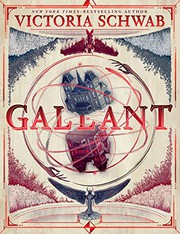
Gallant
Mute Olivia Prior returns to Gallant manor where ghouls walk and a shadow Recommends.
2,081-word summary · 9 min read
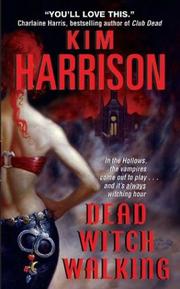
Dead Witch Walking
Witch and runner Rachel Morgan quits the agency with a death mark on her head and hunts an untouchable crime lord.
2,709-word summary · 12 min read

Hex Hall
A witch who ruins prom with a love spell is sent to Hex Hall, where a vampire roommate and old family secrets wait.
2,991-word summary · 13 min read
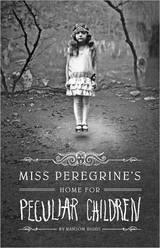
Miss Peregrine's Home for Peculiar Children
Jacob Portman finds his grandfather dead in the woods, follows a cryptic letter to a ruined orphanage in Wales, and meets children living inside a repeating…
2,331-word summary · 10 min read

The Vampire Lestat
Lestat tells his own tale from French village to rock star, waking ancient ones who hate questions.
1,916-word summary · 9 min read

Interview with the Vampire
Louis tells a reporter how Lestat made him and how Claudia doomed them all in New Orleans and Paris.
2,195-word summary · 10 min read
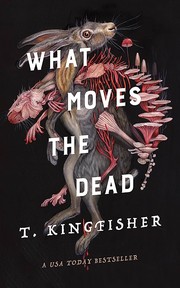
What Moves the Dead
Alex Easton arrives at the Usher house to find Madeline dying, the tarn full of fungus, and the local hares refusing to stay dead.
2,586-word summary · 11 min read

Her Soul to Take
A paranormal vlogger in a cult-run town summons a bound demon, and the only way to survive the god beneath the mine is to give him her soul.
2,089-word summary · 9 min read

Magic Burns
A magic flare hits Atlanta, and mercenary Kate Daniels must recover stolen maps, find a missing witch, and keep a teenage girl alive while Celtic gods try to…
2,021-word summary · 9 min read
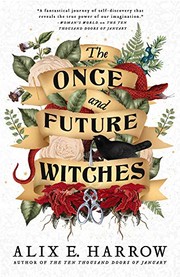
The Once and Future Witches
Three estranged sisters bring witchcraft back to an 1893 city where magic hides in nursery rhymes and the fight for the vote is also a fight for power.
2,132-word summary · 9 min read

Blood Bonds
Oleander is chained in a Resistance camp, and her five Bonds have to find her before Silas Davies finishes what he started in this third Bonds that Tie book.
2,018-word summary · 9 min read
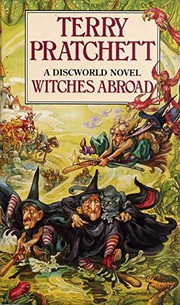
Witches Abroad
Three Lancre witches fly to Genua to stop a fairy godmother from forcing a servant girl into a storybook marriage, and find a city arranged around a happy…
2,651-word summary · 12 min read

Night Film
A disgraced journalist investigates the death of a reclusive horror director's daughter, following a red coat through hospitals, secret clubs, and a family…
2,690-word summary · 12 min read
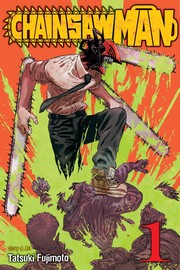
Chainsaw Man, Vol. 1: Dog and Chainsaw
A broke teenage devil hunter and his chainsaw dog get a second life, a government leash, and a fight that stops mid-swing in Fujimoto's horror comedy.
2,584-word summary · 11 min read

Born at Midnight
Kylie Galen is sent to a camp for troubled teens and discovers it is a haven for vampires, werewolves, and witches, and that she may be something stranger…
2,310-word summary · 10 min read
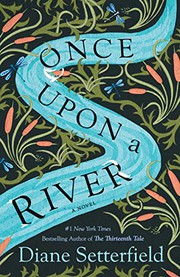
Once Upon a River
A wounded man stumbles into a riverside inn carrying what appears to be a drowned child who is not quite dead, and the story braids the guesses of everyone who…
2,173-word summary · 10 min read
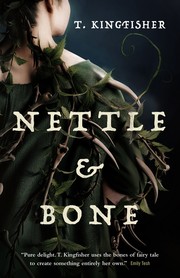
Nettle & Bone
Marra, a princess in a convent, leaves to save her abused sister, but first she must finish three impossible tasks: a bone dog, a nettle cloak, moonlight in a…
2,061-word summary · 9 min read
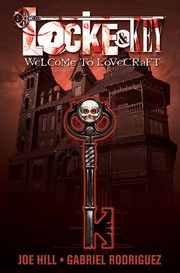
Locke & Key, Vol. 1: Welcome to Lovecraft
After their father is murdered, the Locke children move into a haunted family estate where keys unlock doors to ghosts, other places, and dangerous secrets.
2,019-word summary · 9 min read
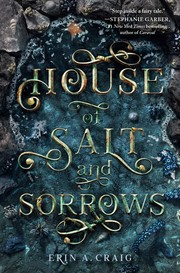
House of Salt and Sorrows
Annaleigh Thaumas investigates her sister's death in a cursed island manor where the balls are illusions and the sea god is always listening.
2,025-word summary · 9 min read
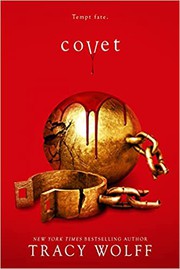
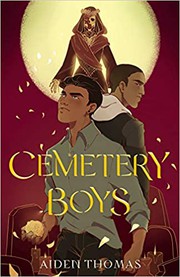
Cemetery Boys
A trans brujo in East Los Angeles summons the ghost of a boy who refuses to move on, and together they uncover a murder hidden beneath Día de los Muertos.
1,997-word summary · 9 min read

The Wasp Factory
Iain Banks's 1984 debut follows Frank Cauldhame, an isolated sixteen-year-old on a Scottish island, as his brother's escape and a family secret unravel his…
2,248-word summary · 10 min read
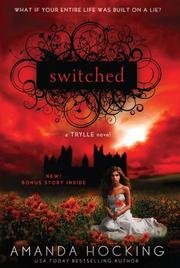
Switched
A Minnesota teenager who can make people obey her discovers she is a changeling troll princess, and the hidden kingdom she came from wants her back.
2,131-word summary · 9 min read
Savage Bonds
Oli's deadly gift is out in the open, her Bond runs the show, and the Resistance is closer than ever in the second Bonds that Tie novel.
2,431-word summary · 11 min read
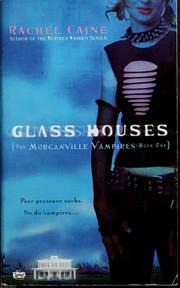
Glass Houses
Claire Danvers moves off campus to escape a bully and lands in a house where the roommates know Morganville's real secret: the town belongs to vampires.
2,345-word summary · 10 min read

The Girl Who Drank the Moon
A witch who secretly rescues the town's sacrificed babies accidentally enmagicks one with moonlight, and the girl grows up with a power she cannot name.
2,078-word summary · 9 min read