
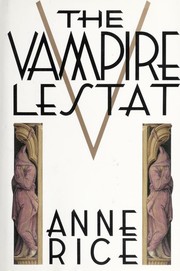
The Vampire Lestat
1,916-word summary 9 min read 481 pages in the book
- First published
- 1985
- Publisher
- Knopf
- Pages
- 481
- ISBN
- 9780394534435
- Series
- The Vampire Chronicles (#2)
Reading options
What's inside (5 sections)
Rock star vampire tells his own story and wakes the oldest ones by asking questions. The Vampire Lestat by Anne Rice was first published in October 1985 by Knopf, a 481 page hardcover with ISBN 9780394534435. It is book two of The Vampire Chronicles, after Interview with the Vampire. Lestat rises after decades asleep, becomes a rock singer, and writes his autobiography to taunt the world. I read it in four nights, swept by Europe centuries and annoyed by Lestat charm that works despite itself.
Lestat narrates. He is angry at Interview, where Louis painted him as villain. Now he tells his side. Born to poor nobility in Auvergne, wolf hunter, runaway to Paris theater with his lover Nicolas. Made by Magnus against his will. Abandoned with money and questions. He loves mortals more than most vampires. He hates rules more than all. His voice is vain, funny, and oddly honest about cruelty. He warns you he is a monster, then makes you like him. That trick is the book engine and test. Can you enjoy company you would condemn.
The frame is 1980s rock excess. Lestat forms a band, films videos in deserts, and plans a concert where he will tell vampire secrets to millions. Older vampires beg him to stop. Armand sulks. Marius warns. Louis watches from shadows. Lestat does it anyway because fame is the only way to reach the hidden. It is ridiculous and perfect. A vampire using MTV to summon gods. Only Rice could sell it, and she does by committing fully. Lyrics included. Critics quoted. Screams described.
Auvergne to Paris theater
The early life chapters are the best historical writing in the series and deserve slow reading. Lestat as a boy in a starving castle, hunting wolves with dogs to prove worth to a blind father. His mother Gabrielle, the only one who sees him, reads forbidden books and saves coins for his escape. When he runs to Paris with Nicolas, a violinist with beauty and brains, they starve prettily in theater garrets. Rice writes backstage life with love. Sawdust. Paint. Applause that pays in bread.
Their theater success feels earned through work, not just talent. Lestat acts with physical daring. Nicolas plays with soul that makes crowds weep. They get a patron, Renaud, who houses them for art and company both. For a while they are happy in the way young artists are happy. Poor, tired, and seen. Then Magnus takes Lestat in the night, leaving Nicolas human and heartbroken. That separation drives Lestat guilt for centuries. He made beauty and left it to age. Nicolas later choices, to become a vampire and to hate it, haunt Lestat more than any enemy. Love turned to resentment by immortality. Rice handles it without easy blame.
Magnus backstory is brief and bleak. An old vampire who wanted an heir to end his loneliness, made Lestat on impulse, then walked into fire. Lestat inherits wealth and questions with no teacher. He learns by mistakes that kill mortals. Drinking too deep. Trusting the wrong priests. His early kills are messy and remorseful in turns. Gabrielle, made later at her dying request, becomes his cool counterpart. She loves him but will not stay. A mother who chooses solitude over eternity together. That abandonment shapes Lestat more than Magnus fire. Everyone leaves, even the made.
Paris coven under Armand adds gothic politics that will matter for books. Ragged vampires under Les Innocents who worship Satan and punish difference. Lestat mocks their rags and rituals, which earns beatings and banishment. He is right about their theater of misery and wrong about diplomacy. Armand, beautiful boy centuries old, watches Lestat with fascination and envy. Their debates about God, evil, and style carry the book philosophy without pausing plot. Can monsters be good. Must they be miserable to be moral. Lestat says no with fangs out. Armand says yes with tears. Both bleed to prove points.
A practical note. Names and centuries pile up fast. Keep a list of who made whom. Magnus made Lestat. Lestat made Gabrielle and Nicolas. Armand leads Paris. Marius watches from Venice. It helps. The timeline jumps from 1700s to 1900s to 1980s in frame chapters. If lost, follow Lestat heart, not dates. Who does he love now. Who did he fail. That thread stays linear even when centuries do not.
Search for origins
The middle quest takes Lestat across continents seeking where vampires began, which gives Rice room for travel horror at its best. Marius, the ancient keeper of Those Who Must Be Kept, tells him enough to seek and not enough to survive. Egypt tombs with murals that move. Greek islands with caves of gold. Each site offers clues and new enemies who fear questions more than stakes. Lestat persists because ignorance itches him worse than danger. That curiosity makes him likable despite body counts. He wants to know, not only to feed.
Gabrielle travels with him partway as equal and opposite. Where Lestat seeks crowds, she seeks deserts. Where he talks, she watches. Their talks about gender and power, rare in 1980s horror, feel fresh now. She refuses dresses and drawing rooms for tents and stars. He loves her freedom and hates losing her company. When they part in Egypt with respect intact, it is the healthiest breakup in the series. No betrayal. Just different hungers. Readers who want romance will be disappointed. Readers who want adult love will admire. Letting go kindly is harder than holding on fiercely.
Nicolas fate shadows the quest and keeps it from becoming tourism. Turned against Lestat better judgment, Nicolas cannot bear eternity and crafts a dark theater of his own that ends in fire. Lestat arrives too late with apologies and blood. The scene where he holds what remains and sings their old song broke me more than any battle. Rice does not excuse Lestat choice to make him. Love that creates monsters must answer for them. Lestat carries that debt into every later kindness, which complicates his charm usefully. He is not innocent. He knows it. He performs anyway.
Marius mansion in Venice provides the book calm center and lore dump that works because Marius tells stories like a tired teacher who loves students. Akasha and Enkil, first vampires kept still as statues, explained through murals and memory. How blood passes. Why fire hurts. What silence preserves. Lestat listens with rare humility. For once he does not interrupt with jokes. That quiet signals stakes. Origins are not trivia here. They are weapons that will wake if named too loud. Marius warns him to stop asking publicly. Lestat, being Lestat, plans a rock concert to ask louder.
If there is a drag, it is the travel middle where each city gets a feeding scene plus a history lesson in similar rhythm. Venice. Cairo. Athens. Necessary to show centuries, but two feedings blur. I skimmed one Cairo hunt and missed nothing. The payoff, when pattern reveals that oldest ones dream through Lestat music, needs the miles. Still, tighter by thirty pages would have helped momentum before the concert. Marius mansion chapters balance the rush with calm that teaches. Venice canals. Candlelit murals. An old vampire telling stories like a tired teacher who loves students. Lestat listens with rare humility there. For once he does not interrupt with jokes. That quiet signals stakes better than any chase. Origins are not trivia. They are weapons that wake if named too loud.
A practical note on names for new readers. Keep a list of who made whom. Magnus made Lestat. Lestat made Gabrielle and Nicolas. Armand leads Paris. Marius watches from Venice. Akasha and Enkil sleep beneath. It helps when centuries jump. If lost, follow Lestat heart, not dates. Who does he love now. Who did he fail. That thread stays linear even when timelines do not. Love and guilt order the book when history will not.
Concert and wakening
The finale returns to 1980s with a concert that is pure Rice excess done right. Desert stage. Cameras. Fans who think it is theater. Vampires in crowd ready to kill the singer for breaking silence. Lestat performs with joy that is infectious even on page. Lyrics about drinking stars. Guitar solos that shake sand. Mid show, Akasha rises. The first vampire, beautiful and terrible, drawn by music and questions. The world tilts from rock show to myth war in one chord. It should be silly. It lands as awe because Rice believed in it fully. So did I, for fifty pages.
Akasha and Enkil wakening sets up Queen of the Damned, so this book ends on a cliff more than a close. Old forces move. Young vampires scatter. Lestat, wounded and thrilled, realizes he got the answer and the war together. Knowledge has teeth here, literally. Those Who Must Be Kept do not like being kept or questioned. His triumph curdles into responsibility he did not plan. What have I woken becomes what must I do. That turn from seeker to guardian starts his long arc toward reluctant hero. It begins in desert dust with blood on stage clothes.
What stays with me is Rice argument about telling. Lestat breaks the vampire rule of silence and gains readers at the cost of safety. Louis told one reporter in secret and mourned. Lestat tells millions and dances. Which is braver. Which is crueler to those exposed. The book does not settle. It shows both prices. Secrets protect the guilty. Truth endangers the innocent who liked hiding. In an age of oversharing, that dilemma feels current. Post or protect. Lestat posts. Consequences tour next book.
Read it after Interview, not alone. Keep the maker list handy. Watch for wolves, violins, and gold murals. When Lestat jokes, note who does not laugh. Armand never does. Marius does rarely. Gabrielle smiles once. Those reactions map the series moral compass better than speeches. And after the concert dust settles, sit quiet a moment before Queen. Old ones are awake now. They heard music. They are coming to judge the singer who dared ask why. Lestat wanted answers. He will get them with fangs. Gabrielle parting deserves a last word on adult love that the series rarely gets right elsewhere. Where Lestat seeks crowds, she seeks deserts. Where he talks, she watches. Their talks about gender and power, rare in 1980s horror, feel fresh now. She refuses dresses and drawing rooms for tents and stars. He loves her freedom and hates losing her company. When they part in Egypt with respect intact, it is the healthiest breakup in the series. No betrayal. Just different hungers. Readers who want romance will be disappointed. Readers who want grown love will admire. Letting go kindly is harder than holding on fiercely, and Rice lets them manage it once before the war takes everyone back to sides. Nicolas fate shadows everything after and needs plain telling. Turned against Lestat better judgment, Nicolas cannot bear eternity and crafts a dark theater that ends in fire. Lestat arrives too late with apologies and blood. The scene where he holds what remains and sings their old song broke me more than any battle. Rice does not excuse the choice to make him. Love that creates monsters must answer for them. Lestat carries that debt into every later kindness, which complicates his charm usefully. He is not innocent. He knows it. He performs anyway, and part of the performance is penance no audience can absolve.
FAQ
When was The Vampire Lestat published?
Knopf published it in October 1985. It runs 481 pages and the hardcover ISBN is 9780394534435.
Is it part of a series?
Yes. It is book two of The Vampire Chronicles after Interview with the Vampire, before Queen of the Damned.
Similar books
More from The Vampire Chronicles first, then related titles.
Interview with the Vampire
Louis tells a reporter how Lestat made him and how Claudia doomed them all in New Orleans and Paris.
2,195-word summary · 10 min read
The Queen of the Damned
Rock star Lestat wakes Akasha, mother of vampires, who plans to cull men.
2,100-word summary · 9 min read
The Tale of the Body Thief
Lestat trades bodies with a psychic thief for one day of mortality and ends up trapped, sick, and hunting his own vampire body.
2,069-word summary · 9 min read
Carmilla
Lonely Laura in Styria befriends beautiful Carmilla, whose night visits bring dreams, bites, and ancestral dread.
2,158-word summary · 10 min read
The Historian
A daughter traces her father's search for Dracula through letters and archives across Europe.
3,237-word summary · 14 min read
'Salem's Lot
A writer returns to Jerusalem's Lot as an old house fills with vampires.
2,046-word summary · 9 min read
The Picture of Dorian Gray
Dorian Gray retold: Basil paints, Henry talks, wish holds youth while canvas bears years.
2,061-word summary · 9 min read
Dracula
Count Dracula sails for England in letters and diaries, and Van Helsing leads the hunt to stop him.
2,860-word summary · 13 min read
The Witching Hour
A San Francisco surgeon inherits a haunted New Orleans house where a spirit has courted her witches for centuries, until a Christmas Eve birth gives it living…
2,953-word summary · 13 min read
What Moves the Dead
Alex Easton arrives at the Usher house to find Madeline dying, the tarn full of fungus, and the local hares refusing to stay dead.
2,586-word summary · 11 min read

Night Film
A disgraced journalist investigates the death of a reclusive horror director's daughter, following a red coat through hospitals, secret clubs, and a family…
2,690-word summary · 12 min read

Fathers and Sons
Arkady brings the nihilist Bazarov home to his father's estate, and a generational argument turns into love, a duel, and an early death.
2,192-word summary · 10 min read
Circus of the Damned
A rogue master vampire arrives in St. Louis and Anita Blake is caught in an undead turf war, with a science teacher in the crossfire.
2,757-word summary · 12 min read

The Wasp Factory
Iain Banks's 1984 debut follows Frank Cauldhame, an isolated sixteen-year-old on a Scottish island, as his brother's escape and a family secret unravel his…
2,248-word summary · 10 min read
The Twelve
The middle volume of the Passage trilogy braids the year America died, a picnic massacre decades earlier, and the survivors' war against the twelve master…
2,089-word summary · 9 min read
Let the Right One In
A bullied boy in 1981 Blackeberg befriends the strange child next door, where love and hunger grow side by side.
2,546-word summary · 11 min read

One Day in the Life of Ivan Denisovich
One freezing day with prisoner Shch-854 in a Soviet camp: roll call, bricklaying in the cold, bread rations, and small wins that let Shukhov call the day…
2,668-word summary · 12 min read

The Island of Doctor Moreau
Shipwrecked Prendick finds Doctor Moreau shaping beasts into men by pain on lost island.
2,137-word summary · 9 min read
NOS4A2
Vic McQueen's bike finds lost things through a bridge, pitting her against Manx's Rolls-Royce ride to Christmasland.
2,060-word summary · 9 min read
Gallant
Mute Olivia Prior returns to Gallant manor where ghouls walk and a shadow Recommends.
2,081-word summary · 9 min read
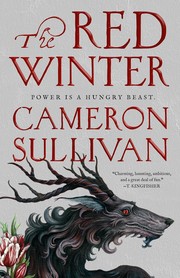
The Red Winter
In 1785 France, aging monster-slayer Sebastian Grave and his heart-eating demon return to hunt the Beast of Gevaudan as revolution brews.
2,578-word summary · 11 min read
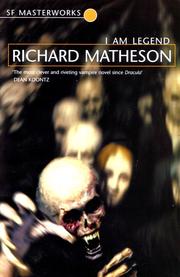
I Am Legend
Robert Neville holds one fortified house in empty Los Angeles by day, and faces what the plague left behind by night.
2,840-word summary · 13 min read
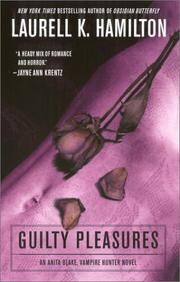
Guilty Pleasures
Animator Anita hunts a vampire killer while Jean-Claude pulls her close.
2,136-word summary · 9 min read
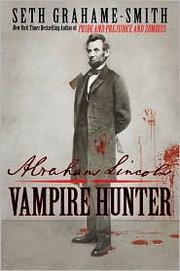
Abraham Lincoln: Vampire Hunter
Lincoln keeps a secret diary as a vampire hunter, tying his mother's death and the Civil War to a hidden war with the undead.
2,620-word summary · 12 min read
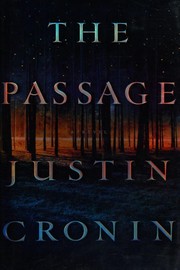
The Passage
A failed Army experiment makes blood-hungry virals, and a quiet girl named Amy may hold the answer a century later.
2,755-word summary · 12 min read
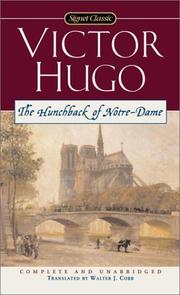
The Hunchback of Notre-Dame
Quasimodo loves Esmeralda from the bells while Frollo lusts and Gringoire watches Paris burn in 1482.
1,939-word summary · 9 min read
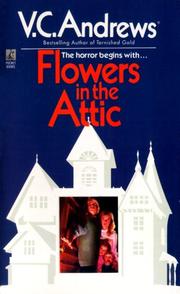
Flowers in the Attic
Four children locked in a grandmother attic learn their mother traded them for an inheritance.
2,052-word summary · 9 min read
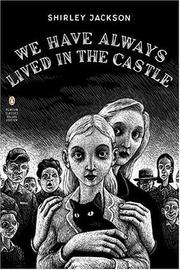
We Have Always Lived in the Castle
Merricat guards sister Constance after arsenic deaths, until cousin Charles invades and fire frees them.
3,011-word summary · 13 min read

The Tell-Tale Heart and Other Writings
Mad narrators, Dupin puzzles, mournful poems, and Pym in one Bantam collection.
2,333-word summary · 10 min read
The Southern Book Club's Guide to Slaying Vampires
In 1990s Charleston, book club mom Patricia Campbell suspects charming newcomer James Harris is a vampire preying on neighborhood children.
2,398-word summary · 11 min read