
The Very Secret Society of Irregular Witches
2,812-word summary 12 min read 352 pages in the book
- First published
- 2022
- Publisher
- Berkley
- Pages
- 352
- ISBN
- 9780593439357
Reading options
What's inside (8 sections)
I picked up The Very Secret Society of Irregular Witches because my sister kept leaving it on my kitchen table whenever she visited, with that pointed look people give you when they have decided a book will fix your mood. She was partly right. Sangu Mandanna published it with Berkley in 2022, and the edition I read runs 352 pages with ISBN 9780593439357. It is a cozy fantasy romance about a lonely witch in her thirties who gets hired to tutor three magical girls in a big crumbling house on the Norfolk coast, and who falls, slowly and against both parties' better judgment, for the gruff librarian who helps raise them. I read most of it on a rainy weekend with tea going cold beside me, which felt appropriate, since so much of the book takes place in kitchens and gardens where somebody is always offering somebody else a hot drink.
The hook that sold me is how ordinary Mika Moon's loneliness feels at the start, even with magic in it. She is thirty-one, orphaned young, raised at arm's length by a distant guardian, and living under a set of Rules that say witches must stay hidden, stay solitary, and above all stay away from one another, because mingled magic draws attention. So she moves around, takes odd jobs, and keeps her head down. Her one rebellion is an online account where she posts videos in which she pretends to be a witch running a little tea shop, all flowing sleeves and steaming pots. She assumes everyone will read it as costume play. Someone does not.
The Rules and the woman breaking them
The opening chapters lay out witch society through Mika's eyes, and it is a strange, thin thing. There is a Very Secret Society, headed by an ancient witch named Primrose, who was also the friend-of-grandmother figure who took Mika in after her parents died and then mostly left her to raise herself. They meet on a cold pier somewhere in the Hebrides, a handful of women standing around trying not to look like a coven. Primrose lectures. Everyone nods. Mika sits there thinking about how none of this has ever kept her safe from the actual problem, which is being alone with power she barely gets to use.
What I appreciated here is that Mandanna does not make Mika a chosen one or a rebel with a plan. She is just tired. She has a Golden Retriever named Circe who rides around in her yellow hatchback, a car she calls the Broomstick, and the two of them have the easy, slightly comic partnership of a woman who talks to her dog more than to people. When a message arrives that starts with the words WITCH WANTED, asking her to come tutor three young witches at a place called Nowhere House, her first instinct is to delete it. Going would break every Rule she has lived by. She goes anyway, mostly because Ian, the man who wrote it, sounds kind underneath the desperation, and because part of her has been waiting years for somebody to take the videos seriously.
There is a small wrinkle I should mention, because the book is honest about it and I want to be too. Mika's video persona means several characters first meet her assuming she is a fraud, and the early chapters spend a while on mistaken-identity comedy that felt a touch stretched to me. It resolves once Ian explains himself, but if the first forty pages feel light, that is why. The story gets its weight back the moment Mika drives through the Norfolk lanes toward the house.
Nowhere House and everybody in it
Nowhere House sits behind iron gates at the end of a track, wrapped in wards strong enough that Mika feels them hum as she crosses. It is the kind of house that has accumulated people the way old houses accumulate extensions. The owner on paper is Lilian Nowhere, an archaeologist who adopted three orphaned girls she found on her travels and who is, at the time Mika arrives, conveniently away. In her absence the household runs on four adults. Ian is a retired actor in his eighties, theatrical and warm, the one who spotted Mika's videos because his own late mother was a witch and he knows real magic when he sees it. Ken is the gardener, a steady man in his seventies who communicates mostly through plants and food. Lucie is the housekeeper, in her late fifties, practical and kind, the person who actually knows where everything is. And then there is Jamie.
Jamie Kelly is the librarian, the children's main caregiver, and the wall Mika keeps walking into. He is younger than the others, Irish, overworked, and openly hostile to the idea of a strange witch moving in. His logic is sound enough. The girls' magic is getting wilder, a solicitor is coming to check on them, and a newcomer means new risk. But he delivers this logic with such consistent frost that his first scenes with Mika are genuinely uncomfortable. He questions her credentials, her motives, her driving. Mika, who is used to being liked by almost everyone, has no idea what to do with him except needle him back. Their early exchanges have a sharpness that surprised me in a book this gentle, and I mean that as praise. The friction feels earned rather than staged.
The girls themselves arrive with a bang, almost literally. Rosetta is ten, the eldest, shy and bookish, hungry for stories about the outside world. Terracotta is eight, the middle child, watchful and prickly, glued to Jamie's side and determined to hate Mika on his behalf. Altamira is seven, the baby, joyful and chaotic, with a fondness for swear words she clearly learned from eavesdropping on adults. Mika's first real proof of what she has walked into comes when Altamira's foot sets a rope ladder on fire with green witchfire while the kids are playing in their tree house. It is a frightening little scene, played with comedy around the edges, and it tells Mika everything Ian's letter only hinted at. These children are powerful, untrained, and completely unprotected if anyone official sees them.
Lessons by the koi pond
The middle of the book settles into a rhythm of lessons and household life, and this is where I sank into it completely. Mika moves into the attic room, unloads an absurd quantity of luggage with the help of a floating pond trick that delights the girls, and starts teaching. Her core lesson is about intent. Magic, as she explains it, has to be bossed around. You tell it what you mean. She has them practice on pebbles by the koi pond, trying to coax small animations out of stones, and the scenes capture something true about teaching small children anything. Progress is uneven. Altamira levitates by accident and is thrilled. Rosetta holds back from fear of getting it wrong. Terracotta refuses to try at all, arms crossed, announcing that she does not need lessons from a stranger.
Around the lessons, ordinary life keeps intruding in good ways. Mika brews potions with the girls at the cauldron and fields their blunt questions about where her family is, which forces her to explain, in simplified terms, the curse that leaves so many witches orphaned. Long ago, the story goes, a group of witches tried a great working together and it went wrong, and the backlash settled into a pattern where witches lose their parents young. Whether that is the full truth is something the book holds back for later. Rosetta takes this in quietly, and Mika recognizes her own childhood loneliness in the girl's face so clearly that she impulsively invites Rosetta on a trip to a Norwich bookshop. The adults argue about it, since leaving the wards is risky, and Jamie insists on coming along to supervise, which gives us the book's first real Mika-and-Jamie outing. It is awkward and sweet. He watches her with Rosetta and recalibrates something. She watches him pick out books for the girls and recalibrates in return.
Other small scenes built the romance for me more than any single grand gesture. A meteor shower they watch together, during which Mika tells Jamie that people are made of stardust and he pretends not to be moved while being visibly moved. A cut on his hand from broken glass that she treats with a magical balm in the middle of the night, sitting on the floor of his room while he tries to hide how exhausted he is. Late talks over drinks after the children are asleep, where they compare notes on the girls and carefully avoid comparing notes on each other. Mandanna writes tired adults falling in like with patience. Nobody declares anything. They just keep staying up too late.
The blowup and the thaw
Of course it cannot stay gentle, because Terracotta is eight and furious and magical, and Mika makes the classic teacher error of losing her temper. Terracotta has been pushing to learn levitation before she is ready. Mika forbids it. Terracotta tries it anyway, the magic surges out of control, and Mika throws herself between the backlash and the child. She takes the full force of it and collapses. What follows is one of the book's best stretches. Mika sleeps for twenty-six hours in what the household starts calling hibernation, and she wakes to find all three girls crowded into her room, taking turns checking on her, with Jamie hovering in the doorway looking wrecked. The girls initiate what gets called the Triple Hug, all three piling onto the bed at once, and Mika realizes, with something like shock, that she is being fussed over for the first time in her adult life. People brought her soup. People sat with her. I found this sequence genuinely moving, partly because Mandanna had spent two hundred pages showing us exactly how little fuss Mika is used to.
Terracotta's turnaround starts here, and I will admit it felt a little quick to me. One minute she is Mika's sworn enemy, the next she is Mika's fiercest defender. But the book sells it through a child's logic that rang true. Terracotta hated Mika because Jamie distrusted her and Terracotta trusts Jamie. Once Mika proves, bodily, that she will get hurt to keep the girls safe, Terracotta flips with the total commitment only small children manage. From that point she shadows Mika everywhere, demanding extra lessons and announcing opinions about Mika's love life with brutal accuracy.
Jamie's thaw runs parallel and takes longer, which I liked. He plans a trip to Liverpool for his mother's sixtieth birthday and, after much agonizing, asks Mika to come with him. The drive gives them the book's most open conversations. Mika talks about her dream of a real tea shop, a permanent version of the one in her videos, with enchanted blends and a bell over the door. Jamie talks around his family and his fears. On the way home, in the rain, he finally admits he has wanted her since the night she told him about stardust, and they kiss properly for the first time. It is a well-earned scene, wet and laughing and a little desperate. Then, almost immediately, Jamie pulls back and tells her it would not work between them, and Mika is left gutted. The reason for his retreat turns out to be the secret he has been carrying, and the reveal reframes half the book.
What was buried in the garden
I am going to lay out the last stretch plainly, because this is a summary and the twists matter. Lilian Nowhere is dead. She died back in June, and the household buried her in the garden under the flowers and told no one, because they were terrified that if the authorities found out, the girls would be taken away and separated. The solicitor, Edward Foxhaven, who handles Lilian's affairs, has been pressing for a visit, and the whole tutoring scheme was partly about getting the girls controlled enough to pass inspection. Mika learns all of this late, by unearthing the truth herself, and she is devastated. Not just because of the lie, though the lie stings, but because she had started to believe this found family had room for her, and now she sees she was managed like a contractor.
She runs to York. Jamie follows. The conversation they have there is the emotional center of the book for me. Jamie explains what living with the secret has cost him, sleeping with one eye open for months, and says he is leaving a window open for her, meaning the attic window at Nowhere House and also, obviously, everything else. Mika goes back with him. What they return to is chaos. Edward has arrived early. The girls, trying to help in the worst way imaginable, have locked him in the garden shed and attempted to animate Lilian's skeleton to fool him into thinking she is alive. It is as disastrous as it sounds. Mika has no choice but to call the one witch strong enough to fix it, which is Primrose.
Primrose arrives, takes one look at the wards around Nowhere House, and goes still. The wards carry magic she recognizes, because Lilian was her identical twin sister, estranged for decades, and Primrose never knew the girls existed. She wipes Edward's memory, that part is almost procedural, and then delivers the hammer blow. The Rules say young witches must be separated and raised apart. Their combined magic is too volatile, too visible. She intends to split the girls up. She also finally tells Mika the fuller history of the curse, the old working that went wrong and why the Society clings to isolation as safety.
The confrontation between Mika and Primrose that follows is the scene the whole book has been building toward, even when it looked like a romance. Mika argues, from her own bruised experience, that apart is not the same as safe. She was raised apart, raised correctly by every Rule, and it left her lonely and half-concealed for a decade. The girls are thriving in exactly the way the Rules forbid, loved by four adults who show up daily, learning control because they feel secure enough to practice. Love, she insists, is doing more protective work than isolation ever did. Primrose listens, and to the book's credit she does not convert instantly or warmly. She is old, grieving a sister, and afraid. But she bends. The girls stay together at Nowhere House, under Mika's guardianship as their tutor and, functionally, their witch-mother. Months later, the Society holds a meeting at the house with nonmagical loved ones invited for the first time, the girls show off a wire horse they animated together, and Mika opens her tea shop. Jamie, being Jamie, declares himself with a line from Jane Austen, which made me groan and grin at the same time.
What worked and what did not
For balance, the criticisms first, since the glow of that ending can wash them out. The middle sags a little around the lesson sequences. Individual scenes charm, but three or four chapters in a row follow the same shape of small magical mishap plus late-night talk, and I skimmed a couple of pages. Edward is thin as a threat, more plot device than person, so the dread around his visit never quite bit for me. The curse's mechanics stay hand-wavy even after the full explanation, and Primrose accepting Mika's argument happens fast for a woman who has enforced the Rules for a century. I also wanted more of Ken and Lucie, who are vivid in group scenes but fade whenever the romance takes over.
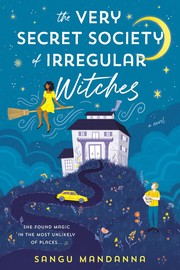
Still, the book earns its reputation. The household feels genuinely lived in, all overlapping routines and in-jokes, and the girls are written as actual children rather than props, funny and selfish and tender by turns. Altamira's swearing, Rosetta's hunger for books, Terracotta's fierce loyalty, each lands. Ian steals every scene he is in. And the central idea holds together. A woman who performs belonging on the internet for strangers gets offered the real thing on condition she risk the safety she built her life around, and she says yes before she feels ready, then grows into the yes. I closed the book thinking about the Triple Hug scene and about Mika's Broomstick rattling back down that Norfolk track for good, dog ears flapping, and about how the 352 page Berkley edition with the cover of the little yellow car winding toward the house on the hill had delivered exactly what my sister promised. Not a fix for my mood. Company for it.
FAQ
When was The Very Secret Society of Irregular Witches published?
Berkley published it in 2022. The US paperback edition runs 352 pages with ISBN 9780593439357.
Is it part of a series?
No. It is a standalone novel and Sangu Mandanna's adult debut.
Who are the three young witches?
Rosetta, Terracotta, and Altamira, aged ten, eight, and seven, live at Nowhere House under Mika's tutoring.
Similar books
The Ex Hex
Vivi hexed ex Rhys years ago; his return triggers ghost and banter.
1,901-word summary · 8 min read
The Unmaking of June Farrow
A woman in a North Carolina flower-farming family walks through a red door into 1951, where she must solve her mother's disappearance and decide whether to…
2,701-word summary · 12 min read

The Bookshop on the Corner
A Birmingham librarian loses her job, buys a van, and moves to the Scottish Highlands to run a mobile bookshop. Warm and bookish, with uneven pacing.
2,557-word summary · 11 min read
Demonglass
Sophie Mercer spends the summer at the Council's English estate, where two new demons, a suspicious host, and Archer's return complicate her plan to remove her…
2,771-word summary · 12 min read

Act Your Age, Eve Brown
Eve Brown crashes into a Lake District bed and breakfast, breaks the owner's arm, and talks her way into his kitchen. A grumpy-sunshine romance about work,…
2,474-word summary · 11 min read

Indigo Ridge
A new police chief in a Montana town meets the founding family's eldest son in a bar, and one night later a body turns up under their cliff.
2,763-word summary · 12 min read

At First Sight
Jeremy and Lexie are married and expecting a baby when anonymous emails tell him the child may not be his.
2,317-word summary · 10 min read
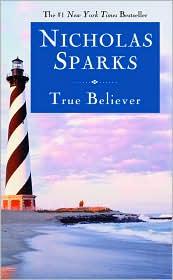
True Believer
Jeremy Marsh, a science journalist who debunks paranormal claims, comes to a small North Carolina town and falls for a librarian who believes in things he…
2,125-word summary · 9 min read

Say You're Sorry
A widowed prosecutor defends the teenager accused of killing her babysitter, uncovering a small town's secrets and a killer hiding in plain sight.
2,116-word summary · 9 min read

Juniper Hill
Fleeing New York with her baby, Memphis takes a housekeeping job above Knox Eden's garage, and the grumpy chef becomes the first person she can rely on.
2,021-word summary · 9 min read

Delilah Green Doesn't Care
Delilah returns to Bright Falls to photograph her stepsister's wedding and falls for Claire, a bookstore owner and single mother, while a cruel bet threatens…
2,315-word summary · 10 min read

The Bridges of Madison County
A four-day affair between an Iowa farm wife and a photographer asks what a brief happiness is worth against family duty.
2,487-word summary · 11 min read
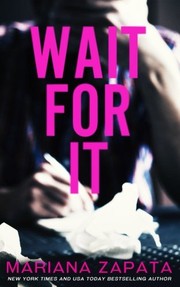
Wait for It
A twenty-nine-year-old hairstylist raising her two nephews meets her new neighbor, a former Navy man mid-divorce, in Zapata's slow-burn romance about trust and…
2,154-word summary · 10 min read
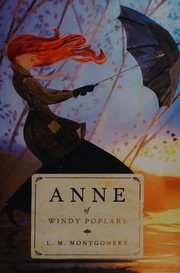
Anne of Windy Poplars
Anne spends three letter-filled years as principal of Summerside High, outlasts the Pringle clan, and warms a lonely vice-principal and a dreaming little girl…
2,599-word summary · 12 min read

The Indigo Spell
Sydney Sage hunts an aging witch, learns forbidden magic, and finally admits she loves Adrian, while the Alchemist tattoo on her cheek may be controlling her.
2,604-word summary · 12 min read
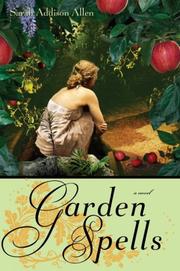
Garden Spells
Two sisters reunite in their family home in Bascom, North Carolina, where an apple tree shows anyone who eats from it the biggest event of their life.
2,030-word summary · 9 min read
Every Breath
Two strangers share one week at Sunset Beach in 1990, part for duty, and reunite decades later at the mailbox that started it all.
2,357-word summary · 10 min read
The Finish Line
Tobias King seeks forgiveness from Cecelia as the Ravenhood past closes in.
2,868-word summary · 13 min read

Lovelight Farms
Stella fakes dating Luka to save her Christmas tree farm.
2,584-word summary · 11 min read
Never Too Far
Blaire flees Rosemary Beach after Rush's lies, then must decide if his pursuit and Nan's exposed schemes earn trust again.
2,626-word summary · 12 min read
Kingdom of the Feared
Kerri Maniscalco's finale retold: Emilia's lost memories, her marriage to Wrath, and the fight for balance in the Underworld courts.
2,938-word summary · 13 min read

The Simple Wild
City Calla flies to Alaska to face dying father and gruff pilot Jonah, learning bush life and love.
2,284-word summary · 10 min read
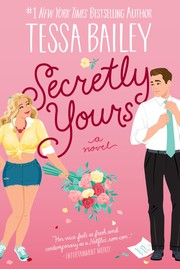
Secretly Yours
A bubbly Napa gardener sends anonymous love letters to her grumpy professor neighbor in this steamy small-town rom-com.
2,504-word summary · 11 min read
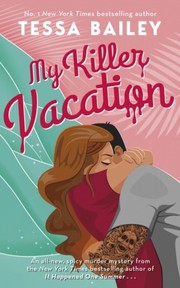
My Killer Vacation
A teacher and a bounty hunter share a Cape Cod rental with a corpse and a growing attraction.
2,625-word summary · 12 min read
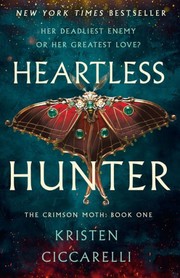
Heartless Hunter
A witch hiding as a socialite courts a witch hunter for secrets, while he courts her back on suspicion, in this romantic fantasy opener.
2,366-word summary · 11 min read
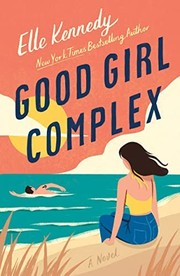
Good Girl Complex
A people-pleasing college girl moves to beach town Avalon Bay and falls for a local boy who distrusts her whole world.
2,225-word summary · 10 min read
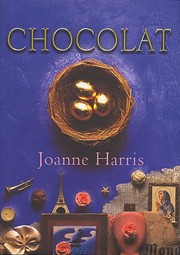
Chocolat
A single mother opens a chocolate shop opposite the church during Lent, and a divided French village must choose between pleasure and piety.
2,272-word summary · 10 min read
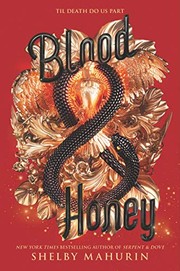
Blood & Honey
Married witch Lou and hunter Reid flee church and coven while dark magic tempts Lou to save them.
2,280-word summary · 10 min read
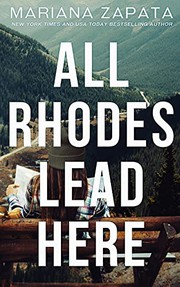
All Rhodes Lead Here
Grieving Aurora moves to Colorado to fix a farmhouse, finding slow healing with her gruff older neighbor Tobias Rhodes.
2,249-word summary · 10 min read
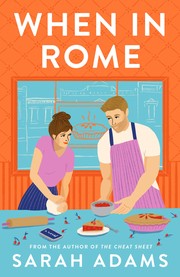
When in Rome
A burnt-out pop star hides out in small-town Kentucky and falls for the grumpy pie-shop owner hiding her.
2,495-word summary · 11 min read