
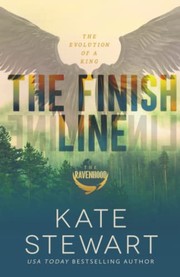
The Finish Line
2,868-word summary 13 min read 456 pages in the book
- First published
- 2021
- Publisher
- Independently published
- Pages
- 456
- ISBN
- 9798701102628
- Series
- The Ravenhood (#3)
Reading options
What's inside (7 sections)
I came to The Finish Line braced for impact. This is the third book in The Ravenhood series, published in 2021 as an independently published novel, and it follows two books that left Cecelia Horner in pieces. Anyone who read Flock and Exodus knows the setup. Cecelia was sent to Triple Falls for a year. She fell in with Sean and Dominic, then with Tobias King. She learned her father had been using her. People died. Trust broke in ways that do not heal clean. This last book is mostly Tobias telling his side and trying to earn a way back. I read it slowly because I was not sure Stewart could make me forgive him. By the end I understood him, which is not quite the same thing and feels more honest.
Tobias King is the son Triple Falls whispers about. His father, Dominic King, built power in that town through money and fear and a private code. Tobias grew up inside that house learning when to speak and when to disappear. He learned to fight. He learned to fix engines. He learned that love in his family came with conditions and cameras. By the time Cecelia met him he was running with the Ravenhood, a small sworn group of men who handle jobs outside the law for reasons they claim are just. Sean Stoddard and Dominic (called Dom) were his brothers in that oath. They took assignments. They kept secrets. They protected their own. Tobias led by keeping his face blank and his debts paid.
Cecelia Horner arrived as an assignment that stopped being one. Her father sent her to Triple Falls to live cheap and stay out of trouble while he worked her like a pawn. She got a job. She rented a room. She met Sean first, then Dom, then Tobias. What happened between them across the first two books was intense and uneven and, in places, cruel. Cecelia gave everything. The men gave pieces. Tobias held back most. He watched her. He tested her. He let her get close and then reminded her she was temporary. When the truth about her father and about the Ravenhood came out, Cecelia broke with all of them. Exodus ended with loss that still sits in my chest when I think about it. Dom died. Sean died. Cecelia left town hollowed out. Tobias stayed behind with the wreckage and his name on it.
Tobias alone
The opening of this book stays with Tobias in the months after. He lives in his house with too much quiet. He works. He trains. He drinks less than you would expect and sleeps less than he should. He replays the night everything went wrong and finds new faults each time. Stewart writes his grief as restlessness. He rebuilds a carburetor he does not need to rebuild. He drives the back roads too fast. He sits in rooms where Cecelia used to sit and does not move for an hour. His money means nothing here. His oath means nothing here. The two people who stood beside him since boyhood are gone and the woman he loves will not answer his letters.
We get his childhood in fragments, and those fragments explain without excusing. His mother is gone. His father ruled through control dressed as standards. Tobias learned early that showing need got him punished, so he stopped showing it. Sean and Dom became his safety. The three of them swore the Ravenhood oath young, drunk on loyalty and on the idea that men like them could impose order where courts failed. Tobias tells these memories flatly, the way people talk about houses they grew up in that had locked rooms. He does not ask for pity. He lays out what he was taught and lets you see where it left him unable to love normally.
His work with the Ravenhood continues because oaths do not dissolve when you grieve. Men call. Debts come due. Tobias handles jobs with Dom gone and Sean gone, which means he carries double weight and trusts no one new. There are scenes in garages and warehouses where he settles disputes by standing still while other men shout. He has a reputation that does the shouting for him. Stewart is good at showing how lonely that reputation is. People step back from him. Women look and then look away. He eats alone at counters. He pays cash and tips big and leaves before conversation starts. It is penance disguised as routine.
Cecelia is absent from these early chapters except as memory and as the unsent messages on his phone. He writes to her and deletes. He drives past places they went and keeps driving. He hears a song and has to pull over. That last detail got me. Not a big breakdown. Just a man parked on a shoulder until the song ends. Grief in this book rarely shouts. It idles.
Cecelia returns
Cecelia comes back to Triple Falls because her father dies. That sentence carries a whole history. He was not a good father. He used her as bait and as cover and as an excuse. His death does not fix what he did. It just ends the chance he will explain it. Cecelia returns to settle his house and his papers, and she dreads every mile. She has built a thin new life elsewhere. Work. A small apartment. Friends who do not know the full story. Coming back risks cracking that thin ice. She comes anyway because there are boxes to sort and a town she needs to face without flinching.
Stewart writes Cecelia as changed in ways that show on the page. She is quieter. She watches doors. She does not give her trust on a first kind word. Where the Cecelia of Flock rushed toward heat, this Cecelia checks where the exits are. She still notices everything, though. The way Tobias stands. The way the town looks at her now, with pity and curiosity. The way Sean's old routes feel haunted. She goes through her father's house room by room and finds papers that confirm what she already knew and a few that surprise her. Bills. Letters. Proof he kept closer track of her than she thought. Proof he was scared near the end. She does not forgive him. She files him away, which is different and harder.
Her first meeting with Tobias is careful and loaded. It happens in public, with witnesses, because both of them need that guardrail. He looks thinner. She looks harder. They talk about practical things. The house. The funeral arrangements. Who owns what. Underneath, every sentence is really about the past. Why did you let me go. Why did you lie. Why should I believe anything you say now. Tobias does not plead. He answers what he can and owns what he cannot fix. Cecelia listens the way someone listens to a song they used to love, afraid it will pull them under and afraid it will leave them cold.
Friends from town orbit them. Workers at the garage. Women Cecelia knew. Men who owe Tobias. Triple Falls is small enough that you cannot buy groceries without meeting your history. Those encounters give the book texture. A cashier asks Cecelia if she is staying. A mechanic tells Tobias the town missed him even when it cursed him. Nobody says the names Sean and Dom at first. Then somebody does, and the air goes thin, and Cecelia keeps her hands steady on purpose. Stewart understands small towns. Everyone knows. Everyone pretends they do not. Everyone watches to see what you do next.
What Tobias wants to say
The middle of the book is Tobias trying to tell the truth in order. Not all at once. In pieces Cecelia can stand to hear. He starts with the Ravenhood itself. What the oath meant when they swore it. What jobs they took. Where the money went. Who they protected. He does not dress it as hero work. He calls it what it was. Men with skills deciding they were above permission. Sometimes they helped people the law failed. Sometimes they enjoyed the power. He names jobs that went right and one that went wrong and left blood on all three of them. Cecelia asks sharp questions. Who decided. Who got paid. Who cleaned up. He answers. It costs him to answer and he answers anyway.
He talks about Sean and Dom as they were before myth sets in. Sean with his charm and his hunger to be seen. Dom with his steadiness and his private code. He tells stories Cecelia never heard. The three of them as teens stealing a boat. Sean talking his way out of a beating. Dom carrying Tobias home after a fight with his father. These stories do quiet work. They remind Cecelia that the men she loved had boyhoods. They remind Tobias that his brothers were more than their ends. One story about Dom teaching Tobias to change oil in winter, hands numb, neither willing to quit first, carries more weight than any speech about brotherhood could.
Then harder ground. Tobias explains his own choices with Cecelia. Why he kept her at distance. Why he let Sean and Dom get close to her first. Why he watched instead of warning her about her father sooner. His reasons sound thin spoken aloud and he knows it. Fear. Habit. Orders. The belief that keeping her half informed kept her half safe. Cecelia pushes back. She names what his distance cost her. Days thinking she was crazy. Nights thinking she was unlovable. The morning she realized the men she trusted had compared notes about her. Tobias takes it without deflecting. He apologizes in specific words, not grand ones. He names acts, one by one, with dates and places attached. That specificity matters. It is the difference between performance and repair.
Stewart gives Tobias one long written account, close to a confession, that Cecelia reads alone. It covers his father, the oath, the night of the deaths, and what he did after. I will not lay out every detail because the book stages it as something you should encounter in his voice. The shape is remorse without self pity. He says what he did. He says what he failed to do. He says what he would change and what he cannot change. He does not ask her to come back in those pages. He asks her to know. Cecelia reads it twice. The second time she cries, not because it excuses him but because it finally sounds like the whole man instead of the guarded parts.
The past closes in
A romance about repair still needs a plot, and Stewart supplies one that fits. Old Ravenhood business resurfaces. Men who profited from Tobias and his brothers want assurances or want payback. Papers from Cecelia's father point to accounts and promises that powerful people would rather keep buried. Triple Falls gets tense in the way it does when money and pride mix. Cars slow past houses. Phones ring late. Tobias tries to keep Cecelia out of it and learns, slowly, that keeping her out is the old mistake repeating. She insists on knowing what threatens them. He tells her. They plan together. That shift, from protection by exclusion to protection by honesty, is the real arc of these chapters.
There are confrontations in the back half that raise the pulse. A meeting in a warehouse where Tobias stands alone against men who knew his father. A night when someone follows Cecelia home from the store and Tobias arrives in time because he was already watching the street. A reckoning with a local figure who fed information both ways for years. Stewart stages these scenes plainly. No long speeches before guns. Short sentences. Hands visible. Doors locked. Tobias fights when he must and talks when talking buys safety. Cecelia does not wait in cars. She carries what she needs. She calls who she needs. She refuses to be the reason Tobias surrenders ground.
One sequence I will remember has Cecelia and Tobias sorting her father's papers at the kitchen table while danger sits outside like weather. They stack bills. They copy numbers. They argue about whether to burn a letter or keep it as proof. The domestic detail, coffee going cold and a lamp buzzing, sits against the fear without canceling it. This is what the book does best. It puts repair inside routine. Trust rebuilt not by one grand gesture but by staying at the table and finishing the stack.
The deaths of Sean and Dom hang over all of this. Other characters speak their names more freely now. A woman who loved Sean tells Cecelia what he was like before the oath hardened him. A friend of Dom shows Tobias a photo from a fishing trip none of them talked about after. Grief comes up sideways, the way it does after time passes. Cecelia visits a grave and does not perform sorrow. She stands. She leaves stones. She says something short and true. Tobias visits separately. He does not ask Cecelia to come with him. Some mourning stays private even between people rebuilding. Stewart respects that boundary and the book is stronger for it.
Where they land
The last stretch commits to Cecelia's choice. She could leave Triple Falls again with her boxes settled and her father's house sold. Nobody would blame her. The town holds too much blood. Tobias offers her that out cleanly. He tells her he will not follow if she goes. He means it, which is why it works as love instead of pressure. Cecelia has to decide what she wants apart from what she fears. She takes time. She talks to friends. She works shifts. She sleeps alone in the house that holds her childhood and listens to what the rooms say now that her father is gone.
Her answer comes through acts before words. She fixes something in the house instead of listing it as is. She plants something small by the door. She tells Tobias a boundary and watches if he keeps it. He keeps it. She tells him a need and watches if he meets it without making her beg. He meets it. These tests are not games. They are a woman checking whether change holds past apology. Stewart writes them without winking. Each kept promise adds a thin layer. Layers hold.
The closing scenes give the couple a future without pretending the past dissolves. There is a gathering at the garage with music and food where people who survived sit close. There is a ride Tobias and Cecelia take out past town limits with no destination, just road and talk. There is a moment with the oath itself, what remains of the Ravenhood, where Tobias sets terms for what he will and will not do going forward. He does not quit his name. He redefines what it requires. Cecelia witnesses it. That witnessing matters. She is inside the decision now, not managed around it.
Criticism is owed here too, because the book asks a lot. At 456 pages it lingers. Some of Tobias brooding circles the same road. He thinks about unworthiness in slightly different words across many chapters. Readers who want plot will find the middle slow. Readers who struggled with the power gaps in the first two books may still struggle here. Tobias controlled information for most of the trilogy, and this book asks Cecelia, and us, to accept his account of why. Stewart gives him a full hearing and Cecelia cross examines him, but the structure still favors his voice. He narrates much of this book. His version leads. If you wanted Cecelia to hold the microphone the whole time, you will notice its absence.
The heat level stays high and that will suit some readers more than others. Stewart writes sex as reconciliation, with attention and history in every touch. A few scenes run long for my taste when the emotional negotiation inside them already resolved. The dialogue also leans on repetition for emphasis. Men say they are done talking and then talk. Women say they are leaving and then stay to finish the point. It plays as intensity. Sometimes it plays as stalling. I marked pages where a shorter exchange would hit harder.
What holds is the town and the pair at the center. Triple Falls feels lived in by the end of three books. The garage with its oil smell. The roads with their blind curves. The houses with their porches and debts. Tobias King stops being a rumor and becomes a man who works and waits and tells the truth late. Cecelia Horner stops being a girl sent to town and becomes a woman who chooses it, or chooses to leave it, on her own terms. The finish line of the title is not a race won. It is a woman deciding where she stands and a man learning to stand with her instead of in front of her. That image, two people side by side in a place that hurt them, stays put after the last page.
FAQ
Do I need to read Flock and Exodus first?
Yes, The Finish Line closes arcs from both books and spoils them freely. Read Flock first, then Exodus, for Cecelia's story to arrive in order.
Who narrates The Finish Line?
Tobias King narrates much of the novel, looking back on the Ravenhood oath and his failures with Cecelia. Cecelia's chapters show her return to Triple Falls after her father's death.
When was The Finish Line published?
It was published in 2021 as an independently published novel, the third book in The Ravenhood series. This summary follows that text and keeps its facts aligned.
Similar books
More from The Ravenhood first, then related titles.

Flock
Nineteen-year-old Cecelia trades a year in Triple Falls for her mother future and falls for two men hiding the Ravenhood secret.
2,997-word summary · 13 min read

Exodus
Cecelia grieves Sean while Dominic pulls her into the Ravenhood reckoning.
2,463-word summary · 11 min read
There Are No Saints
Two rival artists circle a struggling San Francisco painter. Cole Blackwell wants her, Alastor Shaw wants her dead. Book one of the Sinners duet.
2,190-word summary · 10 min read

Indigo Ridge
A new police chief in a Montana town meets the founding family's eldest son in a bar, and one night later a body turns up under their cliff.
2,763-word summary · 12 min read
Corrupt
College student Rika Fane faces Michael Crist and his friends three years after Devil's Night put them in prison.
2,870-word summary · 13 min read

The Bookshop on the Corner
A Birmingham librarian loses her job, buys a van, and moves to the Scottish Highlands to run a mobile bookshop. Warm and bookish, with uneven pacing.
2,557-word summary · 11 min read
My Dark Romeo
A debutante ball kiss traps Dallas Townsend in a marriage to Romeo Costa, a man who wants her as leverage in a war against his father and her fiance.
2,530-word summary · 11 min read
Nightfall
Emory Scott wakes in Blackchurch, a remote house for the sons of the powerful, where the boy she once loved is imprisoned and the story she told about him…
2,339-word summary · 10 min read
Act Your Age, Eve Brown
Eve Brown crashes into a Lake District bed and breakfast, breaks the owner's arm, and talks her way into his kitchen. A grumpy-sunshine romance about work,…
2,474-word summary · 11 min read

The Predator
Coder Morana Vitalio and mob enforcer Tristan Caine chase stolen software while a case of missing girls from twenty years back catches up with them both.
2,296-word summary · 10 min read

At First Sight
Jeremy and Lexie are married and expecting a baby when anonymous emails tell him the child may not be his.
2,317-word summary · 10 min read
True Believer
Jeremy Marsh, a science journalist who debunks paranormal claims, comes to a small North Carolina town and falls for a librarian who believes in things he…
2,125-word summary · 9 min read

Say You're Sorry
A widowed prosecutor defends the teenager accused of killing her babysitter, uncovering a small town's secrets and a killer hiding in plain sight.
2,116-word summary · 9 min read

Juniper Hill
Fleeing New York with her baby, Memphis takes a housekeeping job above Knox Eden's garage, and the grumpy chef becomes the first person she can rely on.
2,021-word summary · 9 min read

Delilah Green Doesn't Care
Delilah returns to Bright Falls to photograph her stepsister's wedding and falls for Claire, a bookstore owner and single mother, while a cruel bet threatens…
2,315-word summary · 10 min read
The Sinner
Sin, a Lord at Barrington, rigs his secret society's rules to claim Elli, the girl he has protected since killing her abuser, while the conspiracy around her…
2,059-word summary · 9 min read
Pen Pal
A grieving widow receives letters from a man in prison who signs himself Dante, and the haunting in her house turns out to be the story of her own death.
2,066-word summary · 9 min read

The Kiss Thief
Promised to one man, taken by another, Francesca must choose in Chicago.
2,545-word summary · 11 min read

Lovelight Farms
Stella fakes dating Luka to save her Christmas tree farm.
2,584-word summary · 11 min read

The Simple Wild
City Calla flies to Alaska to face dying father and gruff pilot Jonah, learning bush life and love.
2,284-word summary · 10 min read

The Darkest Temptation
Sheltered Mila flies to Moscow and falls for captor Ronan, a Russian enforcer seeking revenge.
2,023-word summary · 9 min read
Secretly Yours
A bubbly Napa gardener sends anonymous love letters to her grumpy professor neighbor in this steamy small-town rom-com.
2,504-word summary · 11 min read
My Killer Vacation
A teacher and a bounty hunter share a Cape Cod rental with a corpse and a growing attraction.
2,625-word summary · 12 min read
Kill Switch
Out of prison, Damon moves into Winter's house with keys and a plan, and old lies about that night crack open.
2,732-word summary · 12 min read
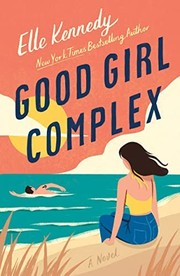
Good Girl Complex
A people-pleasing college girl moves to beach town Avalon Bay and falls for a local boy who distrusts her whole world.
2,225-word summary · 10 min read
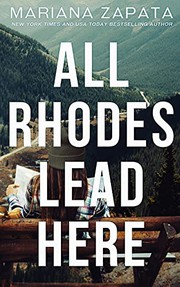
All Rhodes Lead Here
Grieving Aurora moves to Colorado to fix a farmhouse, finding slow healing with her gruff older neighbor Tobias Rhodes.
2,249-word summary · 10 min read
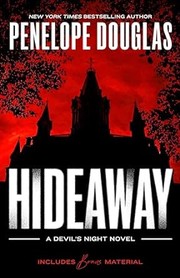
Hideaway
Ex-con Kai hunts a hotel secret while Banks hides who she really is.
2,481-word summary · 11 min read

The Maddest Obsession
Sharp-tongued Gianna spars with secretive Christian Allister in this 2019 Made #2 mafia romance, where teasing hides danger and lies.
3,903-word summary · 17 min read
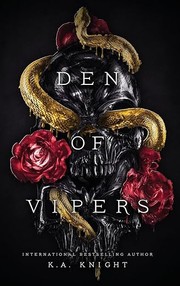
Den of Vipers
Handed to the four Vipers over her father's debt, Roxy fights to hold her ground in their guarded house and busy club in this long 2020 dark romance.
4,247-word summary · 19 min read
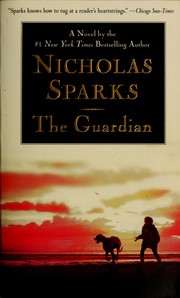
The Guardian
Widowed at twenty-five, Julie Barenson leans on a Great Dane named Singer, then dates two men and learns one of them is a killer.
2,221-word summary · 10 min read