
Reading options
What's inside (7 sections)
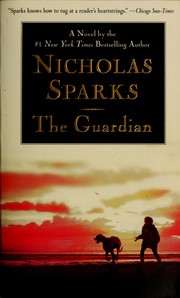
I came to The Guardian expecting the usual Sparks cry and got something stranger. The book was published in 2003 by Warner Books. It runs 384 pages. It stands alone. The first half reads like his normal small town romance, widow learning to love again, two decent men, a dog scene every few chapters. Then the second half turns into a stalker thriller with tapped phones and a stolen identity. I did not love every page. I finished it in two sittings anyway, mostly because of the dog.
Julie Barenson is twenty-five when her husband Jim dies of a brain tumor. Forty days later, on Christmas Eve, a young man delivers a crate to her door in Swansboro, North Carolina. Inside is a Great Dane puppy and a letter from Jim, written before he died. He arranged the whole thing. He tells her not to stay alone forever. He says he will watch over her like a guardian angel. Julie names the puppy Singer and cries into his fur.
That setup could have been pure syrup. Sparks mostly keeps it on the rails. The letter returns at the end and earns its place. In between, Singer grows into a huge, watchful animal who reads Julie better than any person does. He leans against her when she cries. He plants himself between her and men he dislikes. He is the title character in every way that counts, and the book knows it.
Four Years of Quiet
The story jumps ahead four years. Julie is twenty-nine, working as a hairdresser, living with a giant dog who takes up half the couch. Her friends think she has mourned long enough. Andrea, her closest friend, pushes her to date. Emma, another friend, seconds it. Julie has tried a few dates and they went nowhere. She is not bitter. She is rusty. Her days have a shape she trusts. Mornings with Singer, work at the salon where she and Andrea trade gossip over foils and rinse sinks, evenings on the porch with a book she sometimes actually reads. Andrea fusses over her like a sister, setting her up and then demanding full reports. Emma hosts the dinners where everyone talks at once. It is a small life, but it is hers, and the book takes its time showing how much repair went into it. Julie learned to sleep alone. She learned to eat at a table set for one without feeling sorry for herself. She learned which friends can sit with silence and which ones need her to be fine. That slow mending is why the later danger feels like theft. She built something, and someone tries to take it.
What I liked here is how ordinary her life feels. She cuts hair and gossips. She walks Singer. She visits Jim's grave and talks to him without expecting answers. She is not frozen in grief. She kept the house, kept the dog, kept going. Sparks gives her a rough background too. Her mother was an alcoholic who chased men, and Julie grew up without money or steadiness. Jim was her first safe place. That history explains why she clings to safety later, and why a polished man offering a grand life tempts her even when her gut says no.
Mike Harris fills the safe corner of her life. He was Jim's best friend since childhood. He co-owns the local garage with his brother Henry. He fixes Julie's Jeep, shows up for dinner, and quietly loves her from a distance. He promised Jim he would look after her, and he does, without making it a burden. Or so it seems. Underneath, he wants more and is scared to say it. A wrong move could wreck the friendship that holds his whole life together.
Then Richard Franklin walks into the salon. He is handsome, polished, an engineering consultant working on a bridge project in the area. He treats Julie like she is rare. Flowers, attention, perfect manners. Julie agrees to a date. Singer hates him on sight.
Dating Two Men at Once
The middle stretch is a love triangle, played fairly straight. Julie dates Richard and keeps Mike as her friend, then starts to notice Mike differently. Sparks handles the awkwardness well. There is a night at the local bar, the Sailing Clipper, where Mike watches Richard kiss Julie outside the salon and has to swallow it. There is a scene where Julie's kitchen faucet bursts and Mike comes over with tools, and the evening feels so easy that she looks at him and wonders what she has been missing.
Richard courts her hard. He gives her an expensive heart shaped locket. He plans a big weekend with a limousine and a hot air balloon ride. On paper it is romantic. In practice it feels off, and Julie feels it before she admits it. He sulks when she does not wear the locket to work. He presses for time she does not want to give. He talks about his past, a hard childhood, a failed marriage to a woman named Jessica, and Julie feels kinship because she knows loss too. But the stories never quite add up, and he watches her a beat too closely.
Singer is the best part of these chapters. The dog adores Mike and growls at Richard. When Richard comes to the door and tries to keep Julie from closing it, Singer bites his hand. Dogs in books are often props. Singer acts as Julie's instinct made flesh. Every time Julie talks herself into giving Richard another chance, Singer's reaction sits there like a second opinion she refuses to read.
Julie picks Mike. Their first dates are clumsy and sweet. He is nervous. She is nervous. They become lovers, and she visits Jim's grave afterward and feels, reading his old letter again, that he would be glad for her. It is a gentle scene. For a little while the book feels like it will close as a standard second chance romance.
Then the phone starts ringing with no one on the line.
The Calls and the Watching
The thriller half creeps in through small things. Twenty silent messages on the answering machine. A figure with binoculars on a far dune while Julie boats with Mike, Henry, and Emma. A whispered recording of an old song lyric left on her machine, proving someone watched their date. Julie is sure it is Richard. No one else believes her at first, because Richard is charming and Mike is the one with a temper.
The confrontation at the bar goes badly. Julie accuses Richard in public. He denies everything with hurt dignity. Mike sees Richard smirk and lunges at him, and the police arrest Mike for assault. Richard's lawyer threatens a restraining order and a civil suit. Suddenly the stalker looks like the victim and the protector looks like the thug. It is a neat reversal, and it isolates Julie exactly when she needs people.
Things get worse. Richard plants a fake message to pull Mike away to a phantom meeting. While Mike is gone, Richard ambushes Julie in the woods and calls her Jessica, the name of his dead ex. She gets away. Then she finds the locket on her desk with a shorter chain and photos of Richard inside it. He has been in her house. The two local officers, Pete Gandy and Jennifer Romanello, start to take it seriously. Gandy, worked on by Richard, lets slip that Richard spent a night at Julie's, and Mike walks out hurt. The lies stack faster than Julie can knock them down.
I found this stretch both gripping and trying. Gripping because the trap tightens well. Trying because Julie keeps going places alone and trusting setups the reader can see through. Still, fear makes people stupid in real life too, and Sparks keeps the incidents concrete. No grand speeches. Just a full answering machine and a face on a dune.
Robert Bonham
Officer Romanello does the digging that cracks the book open. Richard Franklin is not Richard Franklin. He is Robert Bonham, living under a stolen name. The real Franklin is a missing person. Bonham is wanted for questioning about his missing wife Jessica, and he is suspected in the deaths of his parents. He beat Andrea into a coma. His rented house holds a darkroom packed with surveillance photos of Julie. He has done this before. He will not stop.
The backstory lands in a lump, told more than shown. Abusive father, foster care, violence at every stage, a first wife killed, an identity taken from a murdered man by a lonely road. It reads like a file summary, which it basically is. I wished Sparks had braided it in earlier instead of dumping it. But as an engine for the last fifty pages, it works. The man is not a jealous boyfriend. He is a practiced killer, and Julie is his chosen next wife.
Mike and Julie hide at Henry and Emma's secluded beach house. The police post Pete as guard. Bonham, changed and driving a stolen car, follows them there anyway. That night he leaves poisoned hamburger meat on the beach for Singer. The dog eats it and suffers, and when Mike runs out at the sound, Bonham shoots him and knocks Pete cold. Then he corners Julie on the sand.
What happens next belongs to Singer. Dying of poison, the dog drags himself up and attacks Bonham. Bonham shoots him dead. But those seconds matter. Romanello arrives in time and kills Bonham in a gunfight. Mike survives his wound. Julie survives because her dog spent his last strength on her.
Two months later, the injured are healing. Julie and Mike live together in her house. They bury Singer in the backyard. Julie reads Jim's letter one more time and understands at last what he meant. He sent her one guardian, and for years Singer was it. Now there is Mike too. The symmetry is tidy. It moved me anyway.
One detail I kept returning to is how the book treats Julie's judgment. She is wrong about Richard for a long time, and the story never pretends otherwise. She explains away the sulking. She accepts the locket. She lets him in when he says his mother died. Each choice looks bad in hindsight and human up close. Grief had taught her to be grateful for attention, and Richard aimed straight at that soft spot. The book's quiet argument is that bad judgment after loss is not stupidity. It is hunger. Julie was hungry to be chosen loudly after years of quiet. Mike chose her quietly all along, and learning to hear that is her real growth. Singer heard it first. She caught up.
What Holds and What Sags
Singer holds the whole book up. He is written with attention, big and sloppy and smart, and his death lands because Sparks spent three hundred pages making him a person. The romance between Julie and Mike holds too. It grows out of shared history, bad jokes, and fixed faucets rather than fate talk. Mike is a decent man without edge, loyal to a dead friend, scared to reach for happiness. When Julie chooses him, it feels like a choice, not destiny.
The thriller half is shakier. Bonham is scary in action and flat in explanation. Once his file is read aloud, he turns from a person into a list of crimes. The police work bends to fit the plot, with officers saying things to civilians they never would. And the middle sags a little. The dating chapters and the stalking chapters repeat their beats. Locket, sulk, forgive. Call, fear, doubt. A shorter middle would have hit harder.
There is also the question of taste. Turning a grieving widow's love story into a body count thriller could feel cheap. I think Sparks mostly earns it. The theme stays constant throughout. Julie learned young that love means danger, from her mother's chaos to Jim's death. Richard offers a grand passion that is really control. Mike offers steady care that asks nothing. Singer, who cannot speak, tells the two apart before she can. The title does triple duty. Jim watches. Singer guards. Mike stays. That is more thought than this book gets credit for.
Kirkus called it a tame thriller when it came out in April 2003, and that is fair. The scares are mild by genre standards. No graphic horror, no twists for their own sake. But tame is not the same as bad. The book wants to be a romance with teeth, and it is. Readers who come for the love story get suspense they did not order. Readers who come for the suspense may find the romance slow. I came for the dog and stayed for Mike fixing a faucet while a rich man sulked about a locket. That scene tells you everything about how the book ends, and I mean that as praise.
If you read Sparks for comfort, know this one bites. A good dog dies. A woman fights for her life on a beach. But Julie walks out of it with her house, her friends, and a man who stayed through the worst nights. Jim's letter asked her to live again. By the last page, she has.
FAQ
When was The Guardian published?
Warner Books published it in 2003. The first hardcover runs 384 pages and the ISBN is 9780446527798.
Is The Guardian part of a series?
No. It stands alone. Sparks mixes his usual romance with a stalker thriller, which makes it unusual among his books.
Who are the two men Julie dates?
Julie is caught between Mike Harris, her late husband's loyal best friend, and Richard Franklin, a polished newcomer hiding a violent past. Singer the Great Dane trusts one of them and fears the other.
Similar books

Say You're Sorry
A widowed prosecutor defends the teenager accused of killing her babysitter, uncovering a small town's secrets and a killer hiding in plain sight.
2,116-word summary · 9 min read

At First Sight
Jeremy and Lexie are married and expecting a baby when anonymous emails tell him the child may not be his.
2,317-word summary · 10 min read
See Me
A law student with a violent past falls for a prosecutor whose old case returns as a stalker, in a romance with a thriller at its center.
2,007-word summary · 9 min read
A Bend in the Road
Widowed sheriff Miles loves teacher Sarah while her family's secret touches his wife's death.
2,182-word summary · 10 min read
Nights in Rodanthe
Divorced Adrienne and guilt worn surgeon Paul share one stormy weekend at a Rodanthe inn, fall hard, then hold close by letter until loss in South America ends…
3,338-word summary · 15 min read
Message in a Bottle
A divorced mother finds a grieving widower's letter and seeks him in North Carolina.
2,113-word summary · 9 min read
Safe Haven
Katie hides in Southport from a violent husband and falls for widower Alex.
2,480-word summary · 11 min read
The Chemist
A former government interrogator on the run takes one last job, then learns the case she was handed was built to pit her against him.
2,249-word summary · 10 min read

Indigo Ridge
A new police chief in a Montana town meets the founding family's eldest son in a bar, and one night later a body turns up under their cliff.
2,763-word summary · 12 min read

Worth Dying For
Reacher stops for one night in rural Nebraska and finds a family that runs the county, a missing girl and a shipment worth killing for.
2,021-word summary · 9 min read

Delilah Green Doesn't Care
Delilah returns to Bright Falls to photograph her stepsister's wedding and falls for Claire, a bookstore owner and single mother, while a cruel bet threatens…
2,315-word summary · 10 min read
The Survivors
Kieran Elliott returns to Evelyn Bay twelve years after a storm killed his brother, and a young woman's murder forces the town to face what it has concealed.
2,571-word summary · 11 min read

The Woods
Twenty years after two teenagers were murdered and two vanished at summer camp, prosecutor Paul Copeland identifies a fresh corpse as one of the missing.
2,490-word summary · 11 min read
Pen Pal
A grieving widow receives letters from a man in prison who signs himself Dante, and the haunting in her house turns out to be the story of her own death.
2,066-word summary · 9 min read
The Finish Line
Tobias King seeks forgiveness from Cecelia as the Ravenhood past closes in.
2,868-word summary · 13 min read
The Other Mrs.
A Chicago family inherits a house on a Maine island, then a neighbor is found murdered. Kubica's 2020 thriller builds to a final reframe.
2,267-word summary · 10 min read
Before the Fall
A private jet falls off Martha's Vineyard. A painter and a small boy survive, then face grief and the news cycle.
2,185-word summary · 10 min read
All Rhodes Lead Here
Grieving Aurora moves to Colorado to fix a farmhouse, finding slow healing with her gruff older neighbor Tobias Rhodes.
2,249-word summary · 10 min read
Woman Down
A blocked author hides out at a lakeside cabin and falls for a detective who may be muse, lover, or trap in Hoover's twisty 2026 thriller.
2,445-word summary · 11 min read
The Switch
A burned-out consultant and her 79-year-old grandmother swap London and Yorkshire homes for two months, facing grief, dating apps, and village politics.
2,782-word summary · 12 min read

Exodus
Cecelia grieves Sean while Dominic pulls her into the Ravenhood reckoning.
2,463-word summary · 11 min read
Evvie Drake Starts Over
A widow hiding a painful secret rents her back apartment to a pitcher who lost his throw, and they slowly learn to start again.
2,584-word summary · 11 min read
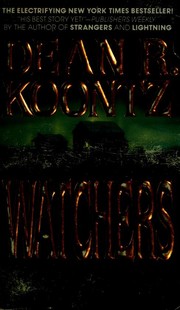
Watchers
A lonely veteran and a shy woman shelter a genius dog while a lab-made killer hunts them.
2,823-word summary · 13 min read

The Happy Ever After Playlist
Sloan takes in a lost dog while grieving her fiance, then falls for its owner, a touring musician, through texts and playlists.
3,199-word summary · 14 min read
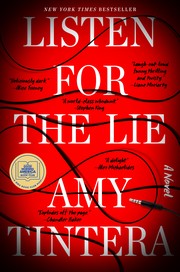
Listen for the Lie
Lucy Chase cannot remember the night her best friend Savvy died in Plumpton, Texas, until a true crime podcast pulls her back.
2,160-word summary · 10 min read
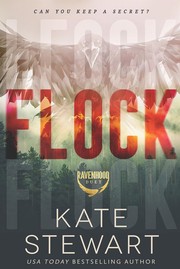
Flock
Nineteen-year-old Cecelia trades a year in Triple Falls for her mother future and falls for two men hiding the Ravenhood secret.
2,997-word summary · 13 min read
The Storied Life of A.J. Fikry
A widowed bookseller on Alice Island adopts abandoned toddler Maya, rebuilds Island Books, and finds love with sales rep Amelia before illness closes in.
2,972-word summary · 13 min read
Butcher & Blackbird
Two rival killers who only murder other killers meet once a year for a deadly contest, then slowly fall for each other in this dark romantic comedy.
2,335-word summary · 10 min read
Just for the Summer
Emma and Justin date to break a matching curse, then face sudden guardianship and illness on Lake Minnetonka.
3,090-word summary · 14 min read
Verity
Colleen Hoover's Verity explained: Lowen, injured Verity Crawford, the hidden autobiography, and the letter that flips everything.
2,593-word summary · 12 min read