
Reading options
What's inside (8 sections)
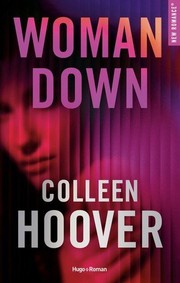
I picked up Woman Down because Verity broke something in my brain four years ago and I never quite got over it. Colleen Hoover built her name on romance, then proved with Verity that she could take that close, confessional voice and aim it at suspense. When I heard she was doing it again, a full thriller about a blocked author and the detective who restarts her engine, I cleared a weekend. The edition cited here is the Amazon Publishing hardcover, released in January 2026, running 315 pages. It hit number one on the New York Times list fast, and the trade reviews gave it the kind of pull quotes publishers dream about. Kirkus called it a dark and twisty look at just how far one woman is willing to go to find inspiration. Publishers Weekly said Hoover keeps the sexual tension and the suspense high all the way to a truly shocking revelation.
I read it in three sittings, which for me signals a book with real momentum even when my feelings about the characters stay mixed. Petra Rose is the kind of lead you argue about afterward. But I should be honest up front. This book asks for your buy in on a setup that only works if you accept that loneliness and humiliation can make a smart woman reckless. If you grant that, the ride is worth it. If you cannot, Petra will frustrate you by page fifty and never win you back.
A bestselling author with nothing left to spend
Petra Rose had the career most writers fantasize about. Her words used to set the page on fire, as the jacket copy puts it, and her books found the kind of audience that turns adaptations into events. Then the film version of one of her books went wrong in public, the internet did what it does, and Petra became a cautionary tale. Readers called her a fraud. Strangers called her a fame hungry opportunist. The backlash went viral enough to force her into hiatus, and hiatus turned into missed deadlines, and missed deadlines turned into an overdue mortgage. By the time the story opens, she has a suspense novel outlined, savings nearly gone, and no heat left in her writing hand.
What I liked about this opening is how concrete Hoover keeps the damage. Petra is not moping in some vague fog. She counts money. She dodges her inbox. She replays the specific comments that branded her, the ones that reduced years of work to a punchline about chasing fame. Anyone who has watched a pile on from the sidelines will recognize the mechanics. A clip travels, context dies, and suddenly thousands of people who never read your book hold firm opinions about your character. Petra learned the hard way what happens when the internet turns on you, and Hoover writes that education without flinching. The shame is physical. Petra describes herself as uninspired for so long that inspiration itself starts to feel like a rumor.
There is a nice tension in the fact that Petra still has the outline. She knows the story she wants to tell. She simply cannot feel it. Writers will nod at that distinction between architecture and temperature. You can have every beat mapped and still produce dead pages if your pulse stays flat. Petra has the map and no fuel. That is why the cabin plan reads as desperation rather than a cute retreat montage. Staying home means foreclosure and a career obituary.
I will admit the film adaptation backstory stays blurry in a way that nagged me. The details of what went wrong stay impressionistic, so you take the ruin on faith. Once you accept it, the rest feels true. Petra's money panic and avoidance are specific and sad. She is the rare thriller lead whose most frightening monster in act one is her bank balance.
The cabin and the cop who knocks on the door
Petra retreats to a secluded lakeside cabin, hoping quiet water and pine air will do what willpower cannot. It is her last ditch attempt to save her career and herself. The cabin chapters have the hush Hoover does well. Petra unpacks groceries, tests the weak wifi, sits at a borrowed-feeling table and waits for sentences that refuse to come. The lake keeps showing up in her peripheral vision, pretty and indifferent. Solitude was supposed to be the cure. For a few days it only makes the silence louder.
Then he shows up. Detective Nathaniel Saint arrives with disturbing news, and his presence does what the lake could not. Petra's creativity comes back in a rush. The timing feels almost supernatural to her, and Hoover lets you feel the relief flood in. Words return. Scenes unlock. Best of all, the fictional cop character in Petra's outlined novel begins to mirror the very real cop standing in her cabin doorway. Muse is too tame a word for what Saint becomes. He is closer to a transfusion.
Saint himself is drawn with confidence. He is steady where Petra is frayed, and he listens to her talk about the book with real attention, the way few people in her life still do. For a woman who has spent months being treated as a joke, that attention lands like heat. Shop talk slides into personal talk. Petra starts testing dialogue on him and watching how authority sits on his shoulders. The disturbing news he brings gives Petra a reason to keep him close that she can defend to herself. She is not chasing a man. She is researching. That self justification becomes one of the novel's key engines, because Petra clings to it long after it stops covering what is actually happening between them.
When the research sessions stop feeling like research
This is the stretch where the book earns its thriller label and its romance crossover appeal at the same time. Petra and Saint fall into what the jacket copy calls research sessions, long intense conversations where she pumps him for cop texture and he seems to enjoy being useful to someone brilliant. Each glance and every touch pulls Petra deeper into a world she thought she would never lose herself in again. She has never felt more alive. And Hoover keeps reminding you, in small cold flashes, that inspiration this powerful comes at a cost.
The blurring works on two levels and I admired both. On the craft level, Petra's fictional cop starts behaving like Saint, down to rhythms of speech and choices under pressure. She notices it happening and feels thrilled rather than alarmed, which tells you how starved she has been. On the personal level, Petra starts confusing the charge of being understood with the charge of being desired. Those are different currents and she tangles them fast. Hoover has always excelled at writing infatuation as a physical event, sweaty palms and bad sleep and reread texts, and she brings that whole toolkit here. The difference is the frame. In her romances, that rush promises rescue. Here it smells like danger from early on, and the reader sees the smoke before Petra admits there is a fire.
Publishers Weekly was right about the tension. Scenes that look innocent on paper, a ride along, a walk through of procedure, a late dinner after a long day of writing, carry a charge because both people keep leaning in past the professional line and then pretending they did not. Petra tells herself the pretense holds. It does not, and watching her maintain it is both delicious and queasy. She is using him for the book. He seems to know it and to not mind, or to mind in a way that excites him.
What kept me turning pages was not whether they would cross the line. That outcome feels settled early. The live question is what Saint wants and what Petra fails to notice while high on her own returning talent. Hoover plants small wrong notes with discipline. A question that sits oddly. A detail he should not know. Petra files each one away and keeps writing.
The cost comes due
About two thirds in, the bill arrives, and this is where I have to stay general to protect the read. When Saint starts taking his role in her career a little too seriously, Petra is forced to confront the chaos she created. Doing so could cost her more than the reputation she has been trying to salvage. The jacket copy frames the stakes around the reputation the world wrote for her, the one only she can reclaim, and that framing is accurate. This was always a book about authorship in every sense. Who gets to write Petra's story. The crowd that branded her. Petra herself. And now a man who has strong opinions about how her story should go.
The back third is where Hoover's thriller instincts fully take over. The pace jumps. Short scenes stack. Petra starts rereading earlier moments with new eyes, and several of those wrong notes I mentioned resolve into shapes that made me sit up straighter. Publishers Weekly promised a truly shocking revelation and I will confirm the reveal is a genuine jolt, the kind that sends you flipping backward to check whether the clues were fair. They were. Hoover played straight with the reader even while Petra lied to herself. I admire that construction a lot. Nothing in the twist required information Petra hid from us. It only required us to share her blind spot, which most readers will, because wanting the hot streak to continue is a feeling the book makes contagious.
Thematically, the climax lands on questions the opening raised. What does Petra owe the truth when lies got her home foreclosed and her name poisoned. How much of herself is she willing to burn as fuel for pages. Whether reclaiming a reputation means correcting the record or seizing the pen by any means left. Hoover does not answer these cleanly, which suits the book. Petra's final choices are messy and self interested and weirdly moving. She is not redeemed in any tidy sense. She is reauthored, and the difference matters to her more than innocence.
I do wish the climax gave the lake and the cabin more to do. The setting that felt so present early on fades into backdrop once the plot starts sprinting. The emotional confrontation lands. I just wanted the physical one to match it.
Where the book falters, fairly stated
No honest account of Woman Down can skip its weak spots, so here are mine. First, the middle gets repetitive. Petra cycles through the same loop several times. She notices something off about Saint, rationalizes it as research fuel, writes a hot scene, feels guilty, repeats. Hoover varies the surface details well, but the rhythm shows by the fourth pass. A woman in Petra's position would plausibly behave exactly this way, desire makes people stupid on schedule, yet plausibility does not fully cure the drag. I found myself skimming one cabin sequence that restated a dynamic I already understood.
Second, Petra can be hard company. Her self pity has real causes, and Hoover writes it with enough specificity to keep it from curdling entirely, but there are stretches where every observation routes back to her grievance. Side characters get thin treatment because Petra cannot look at anyone without measuring what they think of her. Saint stays magnetic partly because he is the only other person she grants full interiority, and even his depths turn out to be partly her projection. Readers who need a lead to earn affection will struggle. Petra earns fascination more readily than warmth.
Third, the prose is plain in a way that splits the difference between propulsive and flat. Hoover's sentences are short, clean, built for speed. That serves the suspense. It also means big emotional moments sometimes land with less weight than their setup deserves. The plot carried me past it, but I noticed the gap.
None of this would stop me from pressing the book on the right reader. It only clarifies who that reader is. If you want a puzzle box mystery with fair play clues and a detective to admire, look elsewhere. Saint is not that detective and Petra is not that sleuth. If explicit heat and messy power dynamics bother you, this one runs hot and stays messy. If you bounce off books where the lead keeps making the wrong choice with open eyes, Petra will test you. But if you enjoy watching a smart woman talk herself into danger one reasonable sounding sentence at a time, with pace and pressure doing the rest, Woman Down delivers exactly that.
Reading it beside Verity
Comparisons to Verity are unavoidable and mostly useful. Both books center on a writer whose professional hunger tangles with a lover who may be a subject, a collaborator, or a trap. Both use the act of writing as suspense machinery, drafts and outlines and stolen details doing the work that wiretaps do in other thrillers. Both refuse to let their leads off easy. Where they differ is temperature. Verity is cold to the touch, clinical in its dread. Woman Down runs warmer and sweatier, closer to the romance engine that built Hoover's audience, even as the plot curdles toward noir.
That warmth is probably why the book smashed commercially. It offers Hoover loyalists the charge they come for while giving thriller readers the twist architecture they demand. At 315 pages it is a one weekend book by design, just Petra and Saint and the lake and the ticking clock of her empty accounts. I finished it wanting to argue about Petra's final choices, which is my personal marker for a thriller that works.
A quick word on content before I close. Expect explicit sexual content, heavy profanity, and sustained attention to online harassment and reputational ruin. There is crime and menace in the back half, including threats that turn physical. Anyone sensitive to stories where romance and coercion share scenes should tread carefully. The book never confuses its heat for health. That clarity is part of the point.
I will remember Woman Down as the rare high concept thriller that understands its concept from the inside. Hoover knows what a dead writing hand feels like and what a live one costs. She knows how attention can feel like love to the attention starved, and how quickly gratitude toward a muse can curdle into debt. Petra Rose scared me a little, frustrated me often, and held me throughout. For a January thriller built to be devoured, that is more than enough.
FAQ
When was Woman Down published?
Amazon Publishing released it in January 2026. The hardcover runs 315 pages with ISBN 9781662539374.
Is Woman Down connected to Verity?
No. Both star writers tangled with dangerous muses, but Petra Rose and Nathaniel Saint are new characters in a standalone thriller.
Is Woman Down very explicit?
Yes. Expect explicit sexual content, heavy profanity, and sustained focus on harassment and coercion, so sensitive readers should skip it.
Similar books
Verity
Colleen Hoover's Verity explained: Lowen, injured Verity Crawford, the hidden autobiography, and the letter that flips everything.
2,593-word summary · 12 min read

Say You're Sorry
A widowed prosecutor defends the teenager accused of killing her babysitter, uncovering a small town's secrets and a killer hiding in plain sight.
2,116-word summary · 9 min read
Never Never
Charlie and Silas wake with no memory of each other, and the notes their past selves left raise darker questions in part one of the Hoover and Fisher series.
2,516-word summary · 11 min read

Layla
Leeds brings Layla back to the bed-and-breakfast where they met after a shooting changes her, then a new guest named Willow blurs every line he trusted.
2,211-word summary · 10 min read

What She Knew
Rachel lets her eight-year-old son run ahead in a Bristol park, and the nine-day search turns her into a suspect in the public eye.
2,952-word summary · 13 min read

The Beach House
A young valet is beaten to death at a Hamptons party, and his law-student brother spends a year building a case against the family that covered it up.
2,049-word summary · 9 min read

Six Years
A professor who promised to forget the woman he loved sees her husband's obituary and discovers that the wedding, the marriage, and the woman herself may never…
2,076-word summary · 9 min read

Rules of Prey
Minneapolis detective Lucas Davenport hunts a killer who leaves a new rule at every scene and treats murder as a game of wits.
1,914-word summary · 9 min read

4th of July
Lindsay Boxer shoots two armed teenagers in self-defense, faces a wrongful-death trial, and spends her leave chasing a string of throat-slashing murders in…
2,192-word summary · 10 min read

61 Hours
A bus crash strands Jack Reacher in a snowbound South Dakota town where a drug gang, a corrupt police force, and a single witness are on a collision course.
2,227-word summary · 10 min read

The Chemist
A former government interrogator on the run takes one last job, then learns the case she was handed was built to pit her against him.
2,249-word summary · 10 min read

Still Missing
A realtor is abducted at a Vancouver Island open house and held for more than a year. Told through therapy sessions, the novel follows her escape and the hunt…
2,466-word summary · 11 min read

Indigo Ridge
A new police chief in a Montana town meets the founding family's eldest son in a bar, and one night later a body turns up under their cliff.
2,763-word summary · 12 min read

Bad Luck and Trouble
A deposit of $1,030 summons Jack Reacher back to his old army unit, which is being picked off one name at a time.
2,366-word summary · 11 min read

3rd Degree
The third Women's Murder Club novel follows a San Francisco terror cell and a three-day killing schedule, and it costs the club a member.
2,685-word summary · 12 min read

Worth Dying For
Reacher stops for one night in rural Nebraska and finds a family that runs the county, a missing girl and a shipment worth killing for.
2,021-word summary · 9 min read

Tinker, Tailor, Soldier, Spy
Retired spymaster George Smiley is brought back to find a Soviet mole inside British intelligence, and the trail leads through old friends, old betrayals, and…
2,092-word summary · 9 min read

The Best of Friends
Three lifelong friends discover their teenage sons were hiding more than anyone knew after a night that leaves one dead, one in a coma and one silent.
2,040-word summary · 9 min read

See Me
A law student with a violent past falls for a prosecutor whose old case returns as a stalker, in a romance with a thriller at its center.
2,007-word summary · 9 min read

Ghosted
After seven perfect days with Eddie, Sarah is ghosted, and her search for answers uncovers a secret tied to the accident that changed both their lives.
2,011-word summary · 9 min read

Echo Burning
Reacher hitches a ride with a Texas woman who wants her abusive husband killed, then has to prove she did not murder him when he comes home.
2,209-word summary · 10 min read

The End of Her
A sleep-deprived mother of twins faces a stranger's accusation that her husband murdered his first wife in Shari Lapena's domestic suspense novel.
2,383-word summary · 11 min read

Girl, Forgotten
A rookie US marshal guards a judge with a stalker and ends up reopening the 1982 prom-night murder of the judge's pregnant daughter.
2,111-word summary · 9 min read
When No One Is Watching
Sydney Green watches her Brooklyn block's Black residents vanish one by one in Cole's Edgar-winning thriller about gentrification as a crime scene.
2,165-word summary · 10 min read

The Woods
Twenty years after two teenagers were murdered and two vanished at summer camp, prosecutor Paul Copeland identifies a fresh corpse as one of the missing.
2,490-word summary · 11 min read

The Boy from the Woods
Wilde, found feral in a New Jersey forest in 1986, hunts for a missing teenager while a senator's secrets tear a wealthy town apart.
2,270-word summary · 10 min read

Pen Pal
A grieving widow receives letters from a man in prison who signs himself Dante, and the haunting in her house turns out to be the story of her own death.
2,066-word summary · 9 min read
Without Fail
Reacher is asked to test vice presidential security by planning to kill.
2,084-word summary · 9 min read
Things We Do in the Dark
A comedian kills her husband, then a podcaster digs up her teen murder past.
2,427-word summary · 11 min read

The Widow
A widow of a suspected criminal faces reporters and police while hiding what her marriage really cost.
2,599-word summary · 12 min read