
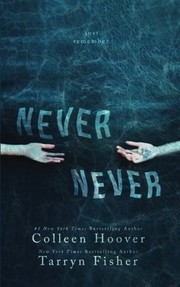
Never Never
2,516-word summary 11 min read 150 pages in the book
- First published
- 2015
- Publisher
- CreateSpace Independent Publishing Platform
- Pages
- 150
- ISBN
- 9781506107158
- Series
- Never Never (#1)
Reading options
What's inside (8 sections)
I started Never Never on a dare from a friend who reads too much romance and defended this one with unusual heat. She said it was the only Colleen Hoover book that ever made her miss her stop on the train. I was doubtful, because amnesia stories usually annoy me. Someone wakes up, nobody calls a doctor, everyone acts strange, and the reader is supposed to nod along. But this one had a hook I had not seen before. It was written by two authors, Colleen Hoover and Tarryn Fisher, trading chapters back and forth, and you can feel the handoff. One voice runs warm and funny. The other runs colder and sharper. The book came out in 2015 from CreateSpace Independent Publishing Platform, the Part One paperback runs 150 pages, and it is the first of three parts in the Never Never series. Short chapters. Fast pages. A cliffhanger at the end that is doing a lot of heavy lifting.
The basic setup is simple and cruel. Charlize Wynwood, who goes by Charlie, and Silas Nash are seventeen and have been together for years. Best friends since childhood, a couple since fourteen, the kind of pair everyone around them treats as a finished fact. Then one morning it all falls out of their heads. Not a bump on the head situation. Not a movie coma. They just come to in the middle of ordinary life with no idea who they are, who anyone around them is, or why a strange boy or girl keeps staring at them like it matters.
What got me first is how physical the confusion feels. Hoover and Fisher do not write it as a puzzle made of mist. They write it as embarrassment and fear. Charlie sits in a classroom where the teacher says her name like she should answer, and she has no idea which desk is hers. Kids talk to her with the ease of long friendship and she has to smile and fake it while her stomach drops. Silas goes through the same thing from the other side. People expect him to know plays in a game, to know which hallway to take, to laugh at jokes with histories attached. He does not know any of it. Home is worse. Imagine walking into your own bedroom and finding it decorated by a stranger who happens to be you. Clothes you would never pick. Photos of a smiling couple you do not recognize. Parents looking at you with love and worry while you try to remember their first names.
The morning nothing fits
Charlie is the one we meet first, and her panic sets the tone for everything after. She wakes into a life with textures she cannot place. A school where she is apparently someone with a reputation. A mother who hovers. A father-shaped absence that other people dance around. Friends who talk about things she did, parties she went to, fights she had, and every story lands like gossip about a stranger. She keeps waiting for the moment it clicks back, the way you wait for a name on the tip of your tongue to arrive. It does not arrive.
Silas is steadier on the surface and just as lost underneath. He has that boy habit of covering fear with jokes, and at first that almost works. He can pass for normal in short bursts. A nod here. A laugh there. But passing takes constant effort, and the effort exhausts him. He notices the same wrongness Charlie does. His house feels staged. His dad watches him with a grief that makes no sense if nothing has happened. His friends tell stories about him being someone bold and sure, and he feels like neither.
The two of them find each other fast, because of course they do. Everyone keeps pushing them together. Teachers, friends, parents, all acting like Charlie and Silas are a unit, and the two of them keep thinking the same thing. If we were really that close, why do I feel nothing when I look at you. That cold center is the engine of the whole book. They are told they were the great love story of their school. What they feel for each other at the start is suspicion mixed with a strange pull they cannot name. Maybe it is leftover habit in the body. Maybe it is hope. Neither of them trusts it.
Notes from people they used to be
Here is where the book earns its pages. Charlie and Silas quickly learn this has happened before. Not once. Over and over. Their memories wipe on a loop, roughly every two days, and their past selves knew it. So past Charlie and past Silas left instructions. Notes in pockets. Letters hidden where only they would look. Warnings written in their own handwriting telling their future blank selves what to do and who to avoid.
Think about how eerie that is to play straight. You open a note and it is your own hand telling you not to trust someone you have not met yet. You read a letter from yourself describing feelings you cannot feel anymore, about a boy you are staring at across a parking lot like he is a rumor. The notes disagree with each other sometimes, or leave things out, and that becomes its own source of dread. Were past versions of them telling the whole truth. Were they protecting each other or protecting themselves.
I liked the mechanics of the loop more than I expected. The forty eight hour window gives every scene a clock. They cannot afford to spend a week settling in and asking gentle questions, because in two days they will be strangers again, standing in the same rooms, reading the same notes, starting over. So they rush. They break into places. They confront people. They demand answers from adults who clearly know more than they say. And every time the forgetting comes back around, whatever tenderness they built toward each other resets to zero, and they have to decide again whether to trust the letters or the living people in front of them.
Fisher and Hoover split the voices, Charlie's chapters to one and Silas's to the other, and the difference helps. Charlie's sections run hotter. She is funny in a sharp way even when she is scared, and her anger keeps her moving. Silas reads cooler and more careful, watching people, testing what happens if he says the wrong thing on purpose. When they describe the same event from opposite sides, small details shift, and those shifts matter. He remembers a look she missed. She catches a lie he walked past. Reading it felt a little like watching two people assemble the same table from different instruction sheets.
Learning who Charlie and Silas were
The middle of the book is detective work, and the mystery has two layers. The first is practical. What happened to us. When did it start. Is someone doing this to us or is it something wrong inside us. They chase that through school records, through friends who knew them before, through parents who answer some questions and dodge others. Every adult in this book is holding something back. You can feel it in the dialogue. A mother changes the subject too fast. A father figure goes quiet at the wrong moment. A family friend knows exactly how serious this is and will not say why.
The second layer is the harder one, and it is the reason the romance readers cling to this story. Who were we to each other. Everyone says Charlie and Silas were perfect. The photos say so. The friends say so. The notes say so. But as the two of them dig, the picture frays. They find signs of a couple under strain. A big fight nobody wants to describe. Versions of events that do not line up. Moments where one of them clearly hurt the other and the circle of friends closed ranks to smooth it over. The question stops being only how do we get our memories back and becomes something sharper. If we find out who we were, will we even like those people. And if we do not like them, do we owe it to our past selves to become them again.
There is one thread I want to praise without giving it away, because part one guards its secrets hard. Both of them come from homes with real damage in them. Not quirky sitcom damage. The kind where a parent's choices hang over the house like weather. Charlie's family carries a heaviness tied to her father that colors every room she walks through. Silas has his own version, quieter but just as load bearing. Neither teen remembers the details, but both feel the shape of it, the way you can feel a missing tooth with your tongue. The authors let that dread sit without explaining it yet. As someone who usually demands answers fast, I found the restraint worked. The past feels big and dark precisely because the book keeps it at the edge of sight.
I should be honest about the setting too, since it adds flavor. The story sits in and around New Orleans, and the city seeps in at the edges. Heat, close streets, houses with history in the walls. It never turns into a travel postcard. It stays background pressure, a place where old things linger, which suits a book about two kids haunted by their own recent past.
What works and what wears thin
The pace is the best thing here. Short chapters, alternating heads, a clock always running. I read the back half in one sitting because every chapter ended with a small turn. A note found. A lie caught. A look that meant something. For a 150 page part one, it moves like a book twice that length, and I mean that as praise. There is no fat on it.
The two voices are the second best thing. Co written books can feel stitched together, one author dragging the other. Here the split is the point. Charlie and Silas sound like different people raised in different houses, which they are, and their misunderstandings of each other feel earned. Charlie thinks Silas is hiding things. Silas thinks Charlie performs toughness to avoid asking for help. Both are right. Watching them argue from inside both heads is the most fun the book offers.
Now the complaints, because part one earns a few. First, almost nobody outside the two leads has dimension yet. Friends blur together into a chorus of you guys were so great. Adults are locked doors with no keyholes. That is partly by design, since Charlie and Silas cannot remember anyone, every relationship has to be rebuilt from zero, and the book is honest about that flatness. Still, there were scenes where I wanted one friend or one parent to break pattern and say something only they would say. It rarely happens in this installment.
Second, the middle repeats a beat. They find a clue, chase it, get stonewalled by an adult or blank out on context, regroup, find another clue. The loop justifies it, forgetting is the whole premise, so repetition is honest. But honest can still tire. Around the two thirds mark I caught myself thinking okay, another almost answer. The book recovers with a strong final stretch, but readers who need steady revelations should know this part is mostly questions.
Third, and this is the big one, this is frankly a third of a novel. Part one ends on a push, not a landing. The central questions of what is happening and why go unanswered here by design, and some readers will feel strung along. I did not mind, because I had part two waiting, but if you are the type who throws books that end mid breath, either wait until you hold all three parts or make peace with the itch. The good news is the complete story exists and the pages are short, so the itch is easy to scratch.
A smaller note on tone. This is sold to older teens and adults, and it reads that way. There is swearing, sexual history between the leads that gets discussed plainly, and family pain that never feels light. None of it struck me as thrown in for shock. It fits two seventeen year olds trying to reconstruct an intimate relationship from evidence. But if you were hoping for a sweet middle grade mystery, this is not that shelf. Put it with the new adult romances that carry a mystery inside them, not the other way around.
Should you start it here
Yes, with one condition. Start it knowing what it is. This is the opening act of a three part story about two kids who lose themselves every two days and have to decide, from notes and photos and other people's stories, whether the love everyone remembers is something they want to rebuild or something they should let stay forgotten. If that question interests you, part one does its job. It makes you care about Charlie's fire and Silas's steadiness. It makes the forgetting scary in a concrete way. It lays track toward answers about their families and their last days as a couple that feel worth following.
Read it in as few sittings as you can. The short chapters and the loop structure reward momentum. Keep in mind the author line looks odd on purpose. The cover lists Colleen Hoover first, which is why catalogs file it under her name, but Tarryn Fisher wrote half of it and her fingerprints are all over the colder, stranger passages. That partnership is the reason the two heads feel genuinely different instead of one author doing two voices.
I closed part one frustrated in the way the authors wanted. I had a notebook of guesses. I liked both kids more than the people around them claimed I should. And I needed to know what happened in the days before the forgetting started, the fight nobody describes the same way twice, and what the adults are so afraid to say out loud. If a book can make you argue with yourself about whether remembering is even good, it has done something. On to part two.
The shape of it
If I had to boil this opening down for a friend on the fence, I would say this. Two seventeen year olds wake up as strangers to their own lives and to each other, armed only with notes their past selves left behind. A two day clock forces them to dig fast through friends, parents, and photos that tell a rosier story than the cracks suggest. The co written voices keep Charlie and Silas distinct, the pages turn quickly, and the installment ends before answers arrive. Thin side characters and a circling middle are the costs. Curiosity about what broke, and whether love should be rebuilt from evidence alone, is the payoff that carries you forward.
FAQ
Is Never Never really co-written, and who wrote which parts?
Yes. Colleen Hoover and Tarryn Fisher wrote it together, trading viewpoints, with Charlie's chapters in one voice and Silas's in the other. Catalogs file it under Hoover's name since she is listed first on the cover.
Is Never Never (Part One) a complete story?
No. It is the first of three parts and ends on a push without answering what causes the forgetting. The story continues across parts two and three, so have the next one ready.
What age is Never Never for?
It suits older teens and adults, with swearing, plain talk about the leads' sexual history, and heavy family pain. It is not a middle grade mystery.
Similar books
More from Never Never first, then related titles.
Woman Down
A blocked author hides out at a lakeside cabin and falls for a detective who may be muse, lover, or trap in Hoover's twisty 2026 thriller.
2,445-word summary · 11 min read
Layla
Leeds brings Layla back to the bed-and-breakfast where they met after a shooting changes her, then a new guest named Willow blurs every line he trusted.
2,211-word summary · 10 min read
Verity
Colleen Hoover's Verity explained: Lowen, injured Verity Crawford, the hidden autobiography, and the letter that flips everything.
2,593-word summary · 12 min read
Nightfall
Emory Scott wakes in Blackchurch, a remote house for the sons of the powerful, where the boy she once loved is imprisoned and the story she told about him…
2,339-word summary · 10 min read

Indigo Ridge
A new police chief in a Montana town meets the founding family's eldest son in a bar, and one night later a body turns up under their cliff.
2,763-word summary · 12 min read

Say You're Sorry
A widowed prosecutor defends the teenager accused of killing her babysitter, uncovering a small town's secrets and a killer hiding in plain sight.
2,116-word summary · 9 min read
Ghosted
After seven perfect days with Eddie, Sarah is ghosted, and her search for answers uncovers a secret tied to the accident that changed both their lives.
2,011-word summary · 9 min read
The Witch Elm
Toby Hennessy has always been lucky, until a beating leaves his memory full of holes and a skull turns up in the garden of the family home. A stand-alone novel…
2,021-word summary · 9 min read
Kill Switch
Out of prison, Damon moves into Winter's house with keys and a plan, and old lies about that night crack open.
2,732-word summary · 12 min read
I Found You
A man with no memory on a beach, a vanished husband, and a 1993 holiday collide in a seaside town.
2,990-word summary · 13 min read
Hideaway
Ex-con Kai hunts a hotel secret while Banks hides who she really is.
2,481-word summary · 11 min read
Corrupt
College student Rika Fane faces Michael Crist and his friends three years after Devil's Night put them in prison.
2,870-word summary · 13 min read
Before I Go to Sleep
Christine wakes each day with no memory, and her secret journal reveals her husband lies.
2,577-word summary · 11 min read
This Girl
Honeymoon retelling as Will recalls first love, classroom ban, loss, fights, and vows that stick.
2,526-word summary · 11 min read
Finding Cinderella
Daniel hunts a laugh he heard in the dark years ago, and it leads him back to Six.
2,129-word summary · 9 min read
Point of Retreat
Will and Layken keep love and two brothers together through bills, jealousy, and a pregnancy scare.
2,037-word summary · 9 min read
Slammed
Grieving Layken falls for neighbor Will, then learns he is her teacher, and poems carry them.
2,793-word summary · 12 min read

Too Late
Sloan is trapped with drug lord Asa until undercover Luke offers a way out.
2,958-word summary · 13 min read
Maybe Someday
Sydney moves across the hall after betrayal and writes songs with deaf guitarist Ridge.
2,077-word summary · 9 min read

Heart Bones
Poor Beyah spends summer in Texas with distant father and falls for secretive Samson.
2,072-word summary · 9 min read
Confess
A young mother fighting to see her son takes a job with a Dallas artist who turns anonymous confessions into paintings.
2,733-word summary · 12 min read
Hopeless
Homeschooled Sky starts public school and falls for Holder, whose past links to hers in painful ways.
2,015-word summary · 9 min read
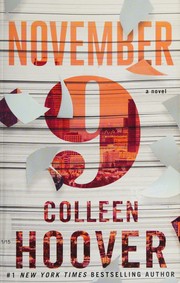
November 9
Fallon and Ben meet every November 9 for five years with no contact between, until his novel reveals the fire that scarred her.
2,547-word summary · 11 min read
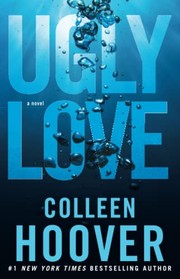
Ugly Love
Colleen Hoover's Ugly Love retold: Tate and Miles, the rules, the past with Rachel, and the lake letter.
2,339-word summary · 10 min read

What She Knew
Rachel lets her eight-year-old son run ahead in a Bristol park, and the nine-day search turns her into a suspect in the public eye.
2,952-word summary · 13 min read

The Beach House
A young valet is beaten to death at a Hamptons party, and his law-student brother spends a year building a case against the family that covered it up.
2,049-word summary · 9 min read
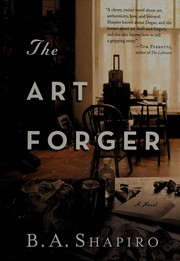
The Art Forger
A disgraced Boston painter agrees to copy a Degas stolen from the Gardner Museum, then begins to suspect the original she is copying is itself a forgery.
2,117-word summary · 9 min read

Size 12 Is Not Fat
Former teen pop star Heather Wells investigates two dorm elevator deaths while juggling her ex, her crush, and a size-12 wardrobe.
2,805-word summary · 12 min read

Six Years
A professor who promised to forget the woman he loved sees her husband's obituary and discovers that the wedding, the marriage, and the woman herself may never…
2,076-word summary · 9 min read