

Say You're Sorry
2,116-word summary 9 min read 335 pages in the book
- First published
- 2017
- Publisher
- Montlake Romance
- Pages
- 335
- ISBN
- 9781503948709
- Series
- Morgan Dane (#1)
Reading options
What's inside (10 sections)
I read Say You're Sorry in two sittings, which is the best thing I can say about a thriller. The first sitting ended because I had to go to work. The second ended because I could not stop. Melinda Leigh writes the kind of book that makes you late for things, and this one, the first in her Morgan Dane series, is a clean example of why her readers keep coming back.
Montlake Romance published it in 2017. The paperback runs 335 pages in the edition I used, and the ISBN is 9781503948709. It is a romantic thriller set in the fictional town of Scarlet Falls, New York, and it introduces Morgan Dane, a widow and mother of three who returns to the law after years at home. The book was a Publishers Weekly bestseller, and it launched a series that now runs several volumes. You do not need to have read anything else by Leigh to follow it.
Why I started this series
I picked it up because I wanted a thriller with a competent woman at the center and a romance that did not overwhelm the mystery. The cover promised both. What I got was a book that takes the legal and investigative work seriously, even when the plot is doing the familiar things that thrillers do. Morgan is not a detective who happens to have a law degree. She thinks like a prosecutor. She notices inconsistencies, builds a case, and understands how evidence can be made to tell a story that is not true.
The premise is simple. Tessa Palmer, an eighteen-year-old babysitter, is murdered the night after a fight with her grandmother. Her body is found near Scarlet Lake, stabbed multiple times, with the word "SORRY" written in blood on her forehead. The police arrest Nick Zabrowski, Morgan's twenty-year-old neighbor and Tessa's secret boyfriend. The evidence looks damning: Nick's DNA is on Tessa, a bloody knife is buried behind his shed, and a bloody shirt is in his laundry. Morgan has known Nick since he was a child. She has seen him vomit at the sight of blood. She does not believe he could have done it.
The conflict is immediate. Morgan has just accepted a job as an assistant district attorney under Bryce Walters, the local DA. If she defends Nick, she loses the job and probably her reputation. She does it anyway, pro bono. That decision is the book's moral center. Morgan is not reckless. She is a woman who has spent two years grieving her husband and is trying to decide what kind of life she wants. Defending a boy the town has already convicted is a way of choosing.
Scarlet Falls and the case
Scarlet Falls is a small town with a long memory. Leigh is good at the geography of gossip. Everyone knows everyone, and everyone has an opinion about the murder. Someone spray-paints "KILLER" on Nick's father's garage. A cow heart is nailed to Morgan's front door with a knife. The town is not a character in the sentimental sense. It is a pressure system, and the pressure is applied to anyone who steps out of line.
Morgan's family is part of the town's infrastructure. Her grandfather, Art, is a retired homicide detective who lives with her and helps raise her daughters. Her sister, Stella, is a local detective, which creates a conflict of interest that the book handles with more honesty than most procedurals. Morgan's nanny, Gianna, keeps the household running. The domestic scenes are not filler. They show the cost of Morgan's decision. She is not a lone hero. She has children who need her, and every late night at the office is a choice.
The victim is not a saint. Tessa was dating Nick in secret, fighting with her grandmother, and hiding something from everyone. The book treats her with respect without turning her into a symbol. Her grandmother, Evelyn, is a complicated figure: grieving, controlling, and eventually revealed to be capable of terrible things. The novel's willingness to let victims and their families be messy is one of its strengths.
Morgan and Lance
Lance Kruger is the other half of the series. He is a former police officer who left the force after being shot in the thigh. He now works as a private investigator for Lincoln Sharp, a retired detective who mentored him. Lance and Morgan dated in high school. They have not seen each other in years, but when Morgan needs help, he comes.
The romance is a slow burn. Leigh does not rush it. Morgan is still married to her grief. She keeps a sealed letter from her husband, John, in her nightstand and cannot bring herself to read it. Lance is recovering from a wound that ended his career and left him uncertain about his future. They are two people who have been cut off from the lives they planned. Their attraction is built on competence and trust, not on grand gestures.
The best scenes between them are the ones where they are working. They interview witnesses, compare notes, and argue about strategy. Lance respects Morgan's mind. Morgan respects Lance's instincts. The book does not pretend that a relationship will solve either of their problems. It shows two adults deciding to be honest with each other, which is more interesting than a kiss in the rain.
The investigation
The investigation is the engine of the book, and it is well constructed. Morgan, Lance, and Sharp build a murder board. They identify inconsistencies in the prosecution's case. No bloody pants or shoes are found at Nick's house. Tessa's father is not dead, as her grandparents claimed, but in prison for vehicular homicide. The family has secrets, and the secrets are not all relevant to the murder. That is how real investigations work. Most of what you learn is noise.
The suspects are a gallery of small-town types. Jacob Emerson is the rich boy who fought Nick at the lake party. His father, Phillip, is a lawyer with a polished manner and a lot of influence. Robby Barone is a quiet kid whose father is connected to a white supremacist militia. Dean Voss is a combat veteran and former teacher who was accused of inappropriate behavior with a student and now lives in a tent by the lake. Each of them is suspicious for a different reason, and Leigh gives each of them a plausible motive.
The red herring is Dean Voss. He is mentally ill, armed, and clearly dangerous. He fires at Morgan and Lance, then breaks down sobbing about a dead girl. He is the obvious answer, which is why he is not the answer. The book uses him to show how easily the police can mistake trauma for guilt. That is a real problem in the criminal justice system, and the novel does not let the reader off the hook by making Voss a simple villain.
The subplot about Jamie Lewis, a missing sixteen-year-old, runs alongside the main case. Sharp is investigating it, and it eventually connects to a man using a false identity. The resolution is satisfying, but it also feels like setup for the next book. Leigh is building a world, and some of the pieces are placed with an eye on future installments.
The killer
The killer is Phillip Emerson, Jacob's father and a prominent local attorney. He had been sexually abusing Tessa since she was twelve, when she came to live with her grandparents. Tessa became pregnant. She called Phillip the night of the party and threatened to expose him. He killed her to keep the secret.
The reveal is horrifying, and it lands because Leigh has spent the book showing how power works in Scarlet Falls. Phillip is not a stranger in a dark alley. He is a man with a reputation, a family, and a position. He is the kind of person the town protects without thinking. When he tries to smother Nick in the hospital, disguised as a doctor, the book makes its point about who gets access and who gets believed.
The final confrontation is tense, but it is also conventional. Phillip takes Morgan hostage at knifepoint. Lance provokes him into confessing. Morgan frees herself by putting her arm between the blade and her throat, giving Lance a clear shot. Lance shoots Phillip twice. Phillip survives and is arrested. The scene works as a climax, but it is the least surprising part of the book. The investigation was more interesting than the villain's monologue.
Tessa's grandmother, Evelyn, is the other late reveal. She arranged the jailhouse stabbing that nearly killed Nick. She nailed the cow heart to Morgan's door. Her motive is grief and a misplaced sense of justice. She believed Nick killed her granddaughter, and she wanted him to suffer. The revelation complicates the book's moral picture. Evelyn is not a monster. She is a grieving woman who chose vengeance over truth, and the novel treats her with a measure of pity.
What works
The legal details are excellent. Morgan's decision to withdraw from the DA's office, the ethics of defending a client the community has already convicted, the way evidence can be interpreted to fit a narrative: all of it feels researched without feeling like a lecture. Leigh knows how a case is built and how it can be broken.
The title is doing more work than it first appears. "Sorry" is written on Tessa's forehead, but the word also describes the book's whole economy of apology. Nick keeps saying he is sorry for the fight at the party. Evelyn is sorry for the argument she had with Tessa before the murder. Morgan is sorry for the years she spent hiding from her own ambition. The killer is sorry in the way abusers are often sorry, which is to say sorry that they were caught and sorry that the person they hurt stopped being useful. Leigh does not let any of these apologies stand in for justice. That is a small, sharp theme, and it gives the thriller a moral spine.
The pacing is confident. Short chapters, clean prose, and a steady accumulation of detail keep the pages turning. The book is not trying to be literary fiction. It is trying to be a good thriller, and it succeeds. The domestic scenes give the action weight. Morgan's daughters are not cute props. They are people she has to protect, and the reader feels the stakes.
The romance is handled with restraint. Morgan and Lance do not fall into bed in the middle of a murder investigation. They kiss, and then Lance pulls back because he does not want their first intimate moment to be driven by grief. That is a small choice, but it makes the relationship feel adult. The series has room to grow because the book does not spend all its capital on a happy ending.
What does not work
The killer's perspective chapters are the weakest sections. Leigh writes them in italics and uses them to generate suspense, but they mostly repeat information the reader already has. The killer's voice is not distinctive enough to justify the space. A few of these chapters could be cut without losing anything.
The ending is rushed. The reveal of Phillip Emerson is well prepared, but the confrontation and the aftermath happen quickly. The book spends hundreds of pages building the case and then resolves it in a few scenes. I wanted more time with the consequences, especially for Nick and his father.
The Jamie Lewis subplot is interesting, but it competes with the main story for attention. It is clearly there to establish Sharp's practice and to set up later books. That is a reasonable choice for a series opener, but it makes the novel feel slightly overcrowded.
Who it is for
This is a book for readers who like romantic suspense with a strong mystery at the center. It is for fans of small-town crime fiction, legal procedurals, and heroines who are competent without being invincible. It is not a cozy mystery. The violence is graphic, and the subject matter includes sexual abuse and murder. Readers who want a light romance should look elsewhere.
I finished it and immediately checked whether the second book was available. That is the highest compliment I can pay a series opener. Say You're Sorry is not a perfect novel. It has a rushed ending and a conventional villain. But it has a heroine worth following, a town worth returning to, and a mystery that kept me guessing. I will be back for the next one.
FAQ
Is Say You're Sorry the first Morgan Dane book?
Yes. It is book one in the Morgan Dane series and can be read without the later novels.
Who is the killer in Say You're Sorry?
Phillip Emerson, the father of Tessa's ex-boyfriend, is revealed as her abuser and killer.
Is Say You're Sorry a romance or a thriller?
It is a romantic thriller. The murder case drives the plot, while Morgan and Lance's relationship develops slowly.
Similar books
More from Morgan Dane first, then related titles.

Worth Dying For
Reacher stops for one night in rural Nebraska and finds a family that runs the county, a missing girl and a shipment worth killing for.
2,021-word summary · 9 min read

What She Knew
Rachel lets her eight-year-old son run ahead in a Bristol park, and the nine-day search turns her into a suspect in the public eye.
2,952-word summary · 13 min read

The Beach House
A young valet is beaten to death at a Hamptons party, and his law-student brother spends a year building a case against the family that covered it up.
2,049-word summary · 9 min read

Six Years
A professor who promised to forget the woman he loved sees her husband's obituary and discovers that the wedding, the marriage, and the woman herself may never…
2,076-word summary · 9 min read

Rules of Prey
Minneapolis detective Lucas Davenport hunts a killer who leaves a new rule at every scene and treats murder as a game of wits.
1,914-word summary · 9 min read

4th of July
Lindsay Boxer shoots two armed teenagers in self-defense, faces a wrongful-death trial, and spends her leave chasing a string of throat-slashing murders in…
2,192-word summary · 10 min read

61 Hours
A bus crash strands Jack Reacher in a snowbound South Dakota town where a drug gang, a corrupt police force, and a single witness are on a collision course.
2,227-word summary · 10 min read

Still Missing
A realtor is abducted at a Vancouver Island open house and held for more than a year. Told through therapy sessions, the novel follows her escape and the hunt…
2,466-word summary · 11 min read

Indigo Ridge
A new police chief in a Montana town meets the founding family's eldest son in a bar, and one night later a body turns up under their cliff.
2,763-word summary · 12 min read

Bad Luck and Trouble
A deposit of $1,030 summons Jack Reacher back to his old army unit, which is being picked off one name at a time.
2,366-word summary · 11 min read

3rd Degree
The third Women's Murder Club novel follows a San Francisco terror cell and a three-day killing schedule, and it costs the club a member.
2,685-word summary · 12 min read

Echo Burning
Reacher hitches a ride with a Texas woman who wants her abusive husband killed, then has to prove she did not murder him when he comes home.
2,209-word summary · 10 min read
The Survivors
Kieran Elliott returns to Evelyn Bay twelve years after a storm killed his brother, and a young woman's murder forces the town to face what it has concealed.
2,571-word summary · 11 min read

Girl, Forgotten
A rookie US marshal guards a judge with a stalker and ends up reopening the 1982 prom-night murder of the judge's pregnant daughter.
2,111-word summary · 9 min read

The Woods
Twenty years after two teenagers were murdered and two vanished at summer camp, prosecutor Paul Copeland identifies a fresh corpse as one of the missing.
2,490-word summary · 11 min read

The Boy from the Woods
Wilde, found feral in a New Jersey forest in 1986, hunts for a missing teenager while a senator's secrets tear a wealthy town apart.
2,270-word summary · 10 min read
Without Fail
Reacher is asked to test vice presidential security by planning to kill.
2,084-word summary · 9 min read
Things We Do in the Dark
A comedian kills her husband, then a podcaster digs up her teen murder past.
2,427-word summary · 11 min read

The Widow
A widow of a suspected criminal faces reporters and police while hiding what her marriage really cost.
2,599-word summary · 12 min read
The Racketeer
A jailed lawyer trades a judge murder secret for freedom and revenge.
2,434-word summary · 11 min read
The Night Swim
A true crime podcaster covers a rape trial while probing an old drowning in a small town.
2,260-word summary · 10 min read
The Judge's List
Lacy Stoltz hunts a sitting judge who murders off his list.
2,513-word summary · 11 min read
The Innocent
A government hitman refuses one kill and must protect a teenage girl at the center of a cover-up.
2,403-word summary · 11 min read
The Girl Who Was Taken
A survivor returns alone while a reporter digs for her lost sister.
2,261-word summary · 10 min read
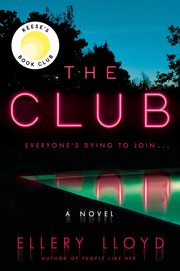
The Club
A luxury island resort for the rich turns deadly when secrets, staff and guests collide.
2,386-word summary · 11 min read
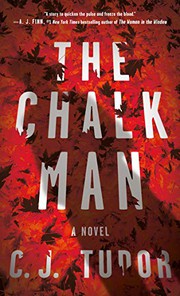
The Chalk Man
Childhood chalk codes lead to a murder that follows friends thirty years later.
2,350-word summary · 10 min read
Blindsighted
Sara and Jeffrey hunt a killer staging women in small-town Georgia.
2,400-word summary · 11 min read
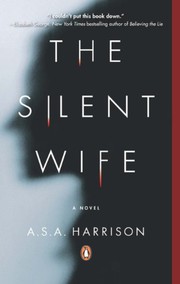
The Silent Wife
A Chicago psychologist watches her twenty-year partnership collapse when Todd leaves for Natasha, then plans murder.
2,591-word summary · 12 min read
The Overnight Guest
A snowbound writer shelters a lost boy in Iowa while a twenty-year-old story of neglect closes in.
2,580-word summary · 11 min read
Running Blind
Jack Reacher must catch a killer who murders women with no forced entry and no trace.
2,008-word summary · 9 min read