
Reading options
What's inside (8 sections)
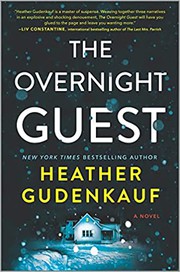
I picked up this book during a cold snap, which turned out to be the right call and also a small mistake. The right call because a winter thriller hits harder when you can hear wind against your own windows. The mistake because I kept getting up to check the locks. That restless feeling is exactly what Heather Gudenkauf is going for here, and for most of the book she holds it.
The setup is simple enough to explain in one breath. A woman alone in an Iowa farmhouse during a blizzard finds a small boy wandering outside in the storm. In alternating chapters set twenty years earlier, a girl named Josie tries to survive a brutal childhood on another isolated farm. You know early on that the two threads must connect. The pleasure is in watching how, and what it costs the people involved.
I read a lot of small town thrillers, and many use weather as wallpaper. This one does not. The snow is part of the plot, part of the threat, and part of the reason the characters make the choices they do.
An Iowa blizzard that seals off the world
The present day story takes place during a major winter storm in rural Iowa. Gudenkauf spends real time establishing what that means in practical terms. Roads drift shut within hours. Plows cannot keep up. Cell service flickers and dies. Power lines go down under ice and wind. A trip that would take twenty minutes on a clear day becomes impossible.
That matters because the farmhouse sits well outside town. It is an older place with a barn and outbuildings, surrounded by flat fields that offer no shelter from the wind. In good weather it would feel quiet and roomy. In a blizzard it feels exposed and cut off. You can see why someone would rent it to get work done, and why that decision turns frightening so fast.
Gudenkauf writes about the work of staying warm when the power is uncertain. Hauling blankets. Checking the furnace. Trying to keep pipes from freezing. Charging a phone while there is still current. These details slow the early chapters a little, but they pay off later when every small resource starts to count.
The storm also gives Wylie a reason not to leave and everyone else a reason not to reach her. No one is coming up the driveway to help. The county sheriff has bigger problems. Neighbors are snowed in themselves.
If you have lived through a real plains blizzard, you will recognize the sound she describes. The wind presses steady and loud until the house creaks. Visibility drops to a few feet. Going outside without a clear landmark is genuinely dangerous. Gudenkauf gets that right, and it makes the later trips to the barn feel properly scary rather than staged.
Wylie alone in the farmhouse
Wylie Lark is a true crime writer who has borrowed this farmhouse to finish a manuscript. She wants quiet after a painful stretch, including a serious car crash that left her injured, shaken, and grieving. She is not exactly running away, but she is not ready to be around people either.
She reads as believable as a working writer. Coffee first. Notes spread out. Walks around the house when a paragraph will not come. Phone interviews when the signal allows. Worry about deadlines mixed with hope that isolation will help. Solitude helps until it starts to echo.
The house itself becomes a presence in these chapters. Old wallpaper. A kitchen too big for one person. Upstairs rooms that stay cold no matter what the thermostat says. A porch light that shows nothing but blowing snow after dark. Wylie checks windows more than she wants to admit. She tells herself it is only the wind.
What makes her sympathetic is that she is competent without being fearless. She has food, flashlights, extra batteries, warm clothes. She has lived in Iowa long enough to respect winter. But she sleeps badly and replays the crash and the choices around it. Grief has made her slower to trust her own judgment. That self doubt matters later when she must decide who to believe.
A fair warning here. The opening takes its time. Gudenkauf spends a good stretch getting Wylie settled and introducing the past thread before the central shock arrives. Readers who want a body on page ten may feel impatient. I did not mind because I like slow builds in winter novels, and the delay pays off. When the boy appears, you understand exactly how alone Wylie is and why helping him puts her at risk.
The boy found in the storm
The turn comes when Wylie spots movement outside during the worst of the storm. At first she thinks it is an animal or a trick of blowing snow. Then she realizes it is a child, small and underdressed, struggling through drifts that reach his knees. She gets him inside, and the book shifts from quiet character study to urgent problem.
Gudenkauf handles the rescue with care. The boy is dangerously cold. His skin is pale. His hands barely work. He is confused and frightened and speaks only in fragments. Wylie does the practical things first. Off with the wet clothes. Dry blankets. Gradual warming. Small sips of warm broth once he can swallow. She keeps trying her phone even when calls fail.
The tension comes from simple facts. The boy cannot explain where he came from. The storm makes searching impossible. The power cuts in and out. Wylie must choose between trying to drive out, which could strand them both, and sheltering in place through a long night with a frightened stranger.
As the boy speaks in pieces, the situation grows stranger. He talks about his mother and about being told to run. He flinches at loud sounds. He watches the windows and does not want Wylie opening the door to anyone. Wylie writes about violent crime for a living, so she recognizes real fear, though she knows children mix memory and imagination under stress.
These are the strongest scenes in the book for me. The writing stays close to physical detail. The chatter of teeth. The weight of a sleeping child. A small boy falling asleep mid sentence from exhaustion, then waking crying from a nightmare. Wylie is not a parent, and Gudenkauf does not make her instantly perfect at this. She second guesses the room temperature, the food, the questions. Her worry reads as human rather than heroic.
One choice may draw questions. Wylie fails to reach the authorities, mostly through weather, dead batteries, and bad luck. That is plausible in a severe blizzard, though Gudenkauf leans on it hard to keep the house cut off. I accepted it because rural counties really can go dark in storms like this, with dispatch overwhelmed and roads impassable for hours.
Josie and the long buried past
In alternating chapters, the book moves back about twenty years to Josie, a girl growing up in harsh conditions on a remote farm. She lives with her mother and her mothers boyfriend in a house where money is short, tempers are shorter, and kindness is scarce. School is inconsistent. Meals are inconsistent. Adult supervision is almost nonexistent except when it turns cruel.
Gudenkauf keeps this thread from feeling like misery for its own sake by giving Josie a sharp eye and a strong will. Josie learns which floorboards creak and which doors lock from the outside. She learns where to store small supplies no one will find. She learns to stay out of the way when voices rise. These read as survival skills a child picks up through necessity, not cleverness for show.
Animals matter a great deal to Josie. She bonds with the farm dogs and helps with livestock, which shows both her loneliness and her capacity for care. Feeding something, sitting with a sick animal in the barn, these moments give her comfort when people do not. They also teach her duty early. If she skips chores, the animals suffer. That sense of responsibility explains why she acts later when other people freeze.
Teachers and neighbors appear at the edges. A teacher who notices hunger or bruises but cannot prove enough to intervene. A neighbor who means well but avoids trouble. Gudenkauf shows how abuse in isolated places stays hidden even near decent folks. Distances are large. A coached child can fool a short visit. That restraint makes these chapters sadder and more credible.
As the past thread builds, the danger sharpens. The boyfriend grows more controlling and violent. Money problems deepen. Josie starts to understand that staying quiet will no longer keep her safe. The past climax involves a desperate escape attempt in winter weather, with Josie forced into adult decisions while still thinking like a kid in places.
My main criticism of this thread is that the adults feel thin. The mother swings between neglect and rage without much interior life. We see what she does more than why. The boyfriend is frightening but familiar from many rural abuse stories. Josie herself is vivid. The adults around her read closer to types. Still, these chapters kept me reading past bedtime, because every small choice carries weight. Steal food or go hungry. Tell the truth or protect the family and hope things improve. None of the options are good.
When the two stories converge
About two thirds in, the shape of the connection starts to show. I will keep this vague enough to protect the reveals, but this is a full summary, so the structural point matters. The past thread explains who owned the farmhouse, why Wylie came to this part of Iowa for her book, and why the boy triggers such a strong response in her. It also explains why someone might come looking for the child before morning.
Gudenkauf times the convergence well. Just as Wylie pieces together where the boy could have come from, the Josie thread reaches its crisis. The book cuts between a woman keeping a child alive in a dark house and a girl staying alive in a different dark house twenty years earlier. The rhyme is deliberate. Both are snowbound in different ways. Both must decide whether to trust a male voice at the door. Both learn that kindness and threat can sound alike when you are scared.
The present danger escalates in ways that fit the setting. A vehicle on a road that should be empty. Knocking that could be a neighbor or worse. Footprints that do not match Wylies boots. A barn door left open when she was sure she closed it. Gudenkauf uses these siege beats without making them feel stale because the storm limits everyone. No one moves fast. Hands shake from cold. Flashlights give away position. Every trip outside risks frostbite or getting lost yards from the porch.
Wylies background pays off in a grounded way. She does not turn into an action hero. She writes down times and details in case she needs them later. She photographs tracks while her phone holds charge. She knows how coercive people talk and test boundaries with small requests before larger ones. That knowledge helps her, though it also makes her imagine worst cases fast. Fear makes smart people both sharper and less steady.
There is a reveal around identity and family that reframes much of what came before. Without mapping the final twist step by step, the broad truth is that Josies story did not end where records said it ended, and the farmhouse sits closer to that unfinished history than Wylie knew. The boy is no random wanderer. His presence follows from adult crimes that began long before he was born. Once Wylie grasps that, her task changes from waiting out the storm to actively shielding him from someone willing to travel through it.
Some readers will find the links a little neat. Wylie renting that particular house. The storm hitting that night. Old secrets surfacing just as her research touches related cases. Thrillers often rely on coincidence, and this one is no exception. Gudenkauf earns most of it by planting details early, the ownership history, local rumors, the reason Wylie chose this county. One or two links still ask for a generous reader. I granted them because the emotional logic held even where the logistics wobbled.
The ending and what it leaves behind
The final act stays inside the storm. Without mapping every turn, Gudenkauf delivers a confrontation suited to these characters rather than inflated for effect. It is messy, cold, and brief in the way real violence often is. People slip on ice. Hands fail. Plans fall apart. Someone shows courage who had not shown it before. Someone else shows exactly the selfishness you expected.
What I appreciated is that the book does not pretend rescue erases harm. The boy survives the night, but survival starts a longer process instead of closing one. Wylie helps because she can, not because helping repairs her own past. Josies fate, once fully revealed, lands with sadness and relief mixed together. Consequences reach the adults who caused harm, less like revenge fantasy and more like law enforcement and child welfare finally catching up after years of failure, helped by one woman refusing to look away during one bad night.
The last chapters give Wylie a quieter resolution too. Finishing the manuscript matters less than deciding what kind of person she wants to be after the crash and after this night. She has spent her career writing about other peoples worst moments from a safe distance. Now she has lived through one with no notes and no outline. That changes her voice on the page. Gudenkauf suggests, without preaching, that true crime writing owes a duty to victims rather than curiosity about perpetrators alone. It suits Wylies arc.
Is the book perfect. Not quite. The middle sags slightly when both timelines pause to reestablish mood. A neighbor and a local officer in the present get enough page time to be useful but not enough to be memorable. The farmhouse geography confused me once or twice at night, particularly around the back entry and the barn path. And the plot asks you to accept a run of failed phones and blocked roads that keeps everyone cut off a touch longer than luck alone would allow.
Those quibbles did not spoil the read. The storm feels lived in. Wylies grief feels specific rather than generic. Josies survival story has heart without sentimentality. The boy never becomes a prop. Gudenkauf writes children well, with attention to how they speak when scared and how they watch adult faces for cues. That care keeps the thriller mechanics tied to human cost.
This suits readers who like winter crime novels with alternating timelines, small town Iowa settings, and survival stories. It is violent in places and upsetting around neglect and domestic abuse, so it is no cozy read. Expect harsh language, injury detail, and themes of abduction and assault handled seriously.
The image that stayed with me was small. A porch light burning into blowing snow with no one on the road to see it, and a woman inside choosing to keep watch anyway. That is the book in miniature. Someone paying attention when sleep would be easier. For a thriller about a night that refuses to end, that feels like the right thing to honor.
FAQ
When was The Overnight Guest published and how long is it?
It was first published in 2022 by Park Row, and the standard edition runs 352 pages.
Does the book use alternating timelines?
Yes. Present chapters follow Wylie in the blizzard while past chapters follow Josie about twenty years earlier, and the two threads meet late in the book.
Is it violent or upsetting?
It includes domestic abuse, child neglect, injury detail, and threats during the farmhouse siege, handled seriously but best avoided by readers wanting a cozy mystery.
Similar books

What She Knew
Rachel lets her eight-year-old son run ahead in a Bristol park, and the nine-day search turns her into a suspect in the public eye.
2,952-word summary · 13 min read

The Beach House
A young valet is beaten to death at a Hamptons party, and his law-student brother spends a year building a case against the family that covered it up.
2,049-word summary · 9 min read

Six Years
A professor who promised to forget the woman he loved sees her husband's obituary and discovers that the wedding, the marriage, and the woman herself may never…
2,076-word summary · 9 min read

Rules of Prey
Minneapolis detective Lucas Davenport hunts a killer who leaves a new rule at every scene and treats murder as a game of wits.
1,914-word summary · 9 min read

4th of July
Lindsay Boxer shoots two armed teenagers in self-defense, faces a wrongful-death trial, and spends her leave chasing a string of throat-slashing murders in…
2,192-word summary · 10 min read

61 Hours
A bus crash strands Jack Reacher in a snowbound South Dakota town where a drug gang, a corrupt police force, and a single witness are on a collision course.
2,227-word summary · 10 min read

Still Missing
A realtor is abducted at a Vancouver Island open house and held for more than a year. Told through therapy sessions, the novel follows her escape and the hunt…
2,466-word summary · 11 min read

Bad Luck and Trouble
A deposit of $1,030 summons Jack Reacher back to his old army unit, which is being picked off one name at a time.
2,366-word summary · 11 min read

3rd Degree
The third Women's Murder Club novel follows a San Francisco terror cell and a three-day killing schedule, and it costs the club a member.
2,685-word summary · 12 min read

Worth Dying For
Reacher stops for one night in rural Nebraska and finds a family that runs the county, a missing girl and a shipment worth killing for.
2,021-word summary · 9 min read

Say You're Sorry
A widowed prosecutor defends the teenager accused of killing her babysitter, uncovering a small town's secrets and a killer hiding in plain sight.
2,116-word summary · 9 min read

Echo Burning
Reacher hitches a ride with a Texas woman who wants her abusive husband killed, then has to prove she did not murder him when he comes home.
2,209-word summary · 10 min read

Girl, Forgotten
A rookie US marshal guards a judge with a stalker and ends up reopening the 1982 prom-night murder of the judge's pregnant daughter.
2,111-word summary · 9 min read

The Woods
Twenty years after two teenagers were murdered and two vanished at summer camp, prosecutor Paul Copeland identifies a fresh corpse as one of the missing.
2,490-word summary · 11 min read

The Boy from the Woods
Wilde, found feral in a New Jersey forest in 1986, hunts for a missing teenager while a senator's secrets tear a wealthy town apart.
2,270-word summary · 10 min read
Without Fail
Reacher is asked to test vice presidential security by planning to kill.
2,084-word summary · 9 min read

Things We Do in the Dark
A comedian kills her husband, then a podcaster digs up her teen murder past.
2,427-word summary · 11 min read

The Widow
A widow of a suspected criminal faces reporters and police while hiding what her marriage really cost.
2,599-word summary · 12 min read
The Racketeer
A jailed lawyer trades a judge murder secret for freedom and revenge.
2,434-word summary · 11 min read

The Night Swim
A true crime podcaster covers a rape trial while probing an old drowning in a small town.
2,260-word summary · 10 min read

The Judge's List
Lacy Stoltz hunts a sitting judge who murders off his list.
2,513-word summary · 11 min read
The Innocent
A government hitman refuses one kill and must protect a teenage girl at the center of a cover-up.
2,403-word summary · 11 min read
The Girl Who Was Taken
A survivor returns alone while a reporter digs for her lost sister.
2,261-word summary · 10 min read

The Club
A luxury island resort for the rich turns deadly when secrets, staff and guests collide.
2,386-word summary · 11 min read
The Chalk Man
Childhood chalk codes lead to a murder that follows friends thirty years later.
2,350-word summary · 10 min read
The Silent Wife
A Chicago psychologist watches her twenty-year partnership collapse when Todd leaves for Natasha, then plans murder.
2,591-word summary · 12 min read
Running Blind
Jack Reacher must catch a killer who murders women with no forced entry and no trace.
2,008-word summary · 9 min read
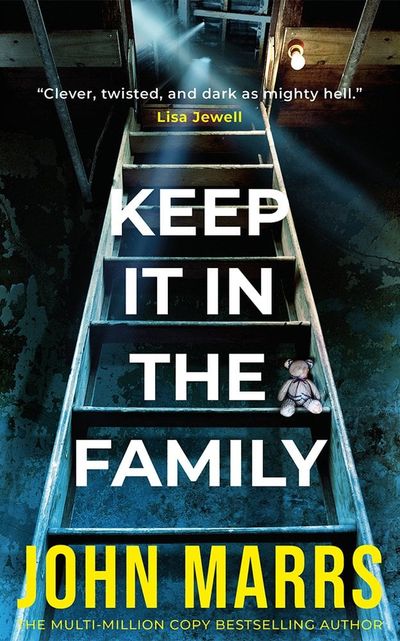
Keep It in the Family
Mia and Finn renovate a long empty house and find seven children hidden in the attic.
2,270-word summary · 10 min read

Force of Nature
Four women walk out of the Giralang Ranges and Alice Russell does not, leaving Falk to link bush lies to firm fraud.
2,250-word summary · 10 min read

2nd Chance
Lindsay Boxer and the Women's Murder Club hunt the Chimera killer after a church shooting in San Francisco.
2,572-word summary · 11 min read