

2nd Chance
2,572-word summary 11 min read 432 pages in the book
- First published
- 2002
- Publisher
- Little, Brown and Company
- Pages
- 432
- ISBN
- 9780316693202
- Series
- Women's Murder Club (#2)
Reading options
What's inside (8 sections)
I read 2nd Chance because 1st to Die had left me with Lindsay Boxer in a hospital chair and a dead lover on her conscience, and I wanted to know where she went next. I found a battered paperback in the same library sale bin, spine cracked and pages soft. It was first published in 2002 by Little, Brown and Company, and the standard edition runs 432 pages. I started it on a Sunday afternoon thinking I would read fifty pages, and I ended up carrying it room to room until late Monday night.
This is the second book in the Women's Murder Club series, written with Andrew Gross. A killer calling himself Chimera is shooting Black people around the Bay Area, often people tied to cops, and the pattern puts the whole department on edge. At the same time Lindsay tries to come back to work, Jill faces a pregnancy, Claire tries to keep her family steady while the morgue fills, and Cindy tries to prove herself again at the Chronicle.
What kept me turning pages was not only the shootings. It was the way the four women meet in kitchens and offices and try to make sense of a case that keeps shifting shape, while their private lives keep breaking open.
Back on the job with a scar
When the book opens Lindsay is newly promoted to lieutenant in San Francisco homicide, but promotion does not mean recovery. She is still weak after Negli's aplastic anemia, still tired in her bones, still winded on stairs. She lost Chris Raleigh at the end of the last book and carries guilt about how he died while she lived. She lives in Potrero Hill with Martha, her Border Collie, in a house that feels too quiet.
Work gives her no time to heal. Warren Jacobi is still beside her, rumpled and loyal, calling her Boxer and pushing back when she pushes too hard. The new chief, Tracchio, wants results without panic in the press. Lindsay wants to prove she can lead while her blood counts are still fragile. She skips rest. She stands too long at scenes and pays for it later with shaking hands.
She cries in her car after a hard call. She avoids the hospital corridors where she spent so much of the last year. Claire notices. Cindy notices. They do not force her to talk, which felt true to these women. They bring food. They show up. They wait.
Then the call comes that ends any slow return. Shots outside a church. A crowd of kids. Blood on concrete steps.
The choir shooting and the woman in the basement
The first major scene hit me hard. Children from the choir at a San Francisco church are leaving after practice, laughing and shoving, robes over street clothes. Parents wait near cars. Pastor Aaron Winslow is on the steps talking with families. Then rifle fire cracks across the street. Everyone drops. When the screaming eases, one child is down and not moving.
Her name is Tasha Catchings. She is eleven. She is shot twice, clean hits while bullets spray around others. Lindsay walks the scene with uniforms holding back a crowd and thinks at once that this was aimed killing dressed as random fire. A shoe sits alone on a step. Aaron kneels by the girl and prays, and his hands shake. Cindy arrives for the Chronicle and takes notes while trying not to cry.
Lindsay learns quickly this is not isolated. In Oakland, an older Black woman named Estelle Chipman is found dead in her own basement, hung up to look like suicide. Claire makes calls and says no. The ligature marks are wrong. The hands show defense. Someone wanted it to read as a sad old woman ending her life, and the body tells a different story.
Two victims who look unconnected on paper. A little girl on church steps. An elderly woman alone at home. Different cities. Different methods. But both are Black, both deaths feel chosen, and both leave a cold feeling that the killer picked them.
Then the name Chimera starts to surface. It comes from jail talk at first, a word about a hate group with shifting faces. A monster made of parts. Lindsay hates the name because it fits. Every lead points a different way.
The club meets at Lindsay's place with files spread out. Claire brings autopsy photos and plain talk about trajectories. Cindy brings neighborhood quotes and church programs. Jill asks what would survive in court. They argue about whether Tasha was the true target or a message to her family or to Aaron's church itself.
Sniper fire and a murdered boss
The case turns from awful to personal when cops start dying.
A Black police officer is shot by a sniper at distance, killed with a rifle while on duty. It is an ambush. The shot placement speaks of training. The department locks down. Cops wear vests they used to leave in lockers. Lindsay stands at the memorial with her jaw tight and thinks about how funerals had become routine in a way that scared her.
Then her own boss is murdered. Her lieutenant, the man who signed her overtime and fought command for her squad, is found killed. The squad room goes quiet in a way I have rarely seen Patterson write. Phones ring and no one answers fast. Jacobi sits with his head in his hands. Tracchio calls Lindsay in and tells her this is now about the department itself.
Ballistics and witness lines bend toward an ex cop named Frank Coombs. He is older, bitter, pushed out of policing years ago with grievances he never let go. His name comes up in old complaints and in talk around jails. His record shows marksmanship. When Lindsay and Jacobi pull his file, the photo shows a man with flat eyes, the kind of face that gives nothing away.
They chase him through records and interviews. Neighbors say he kept to himself. Old partners recall a temper about race and command. A landlord mentions a son who rarely visited. Gun shop receipts suggest recent buys. It feels like the case narrowing at last.
That relief does not last. Some dates fit. Some do not. His movements account for one shooting but not another. Claire flags details that suggest a younger body behind the rifle. Cindy hears Chimera might be more than one man using the same name. Jill warns what they have would wobble in court. They want Frank to be the answer because the alternative is wider and darker.
Jill is pregnant, Claire is hunted, Cindy falls hard
Jill Bernhardt learns she is pregnant. She and her husband had a settled life, careers first, careful plans. A baby scrambles that. She is thrilled and scared in the same hour. She throws up before court. She falls asleep on files. She tells the club before she tells many others, and the scene in Lindsay's kitchen where she says it stayed with me. Lindsay feels a pang because her own body has made motherhood feel distant.
Claire Washburn, usually the steadiest person in the room, becomes a target. Chimera seems to focus on Black officers and their families, and as medical examiner Claire fits the threat picture. She gets threatening attention that starts as unease and grows into real fear. She keeps working because bodies need her, but she starts checking locks twice. She arranges rides for her kids. One night sequence where she thinks someone is outside her house had my stomach tight. She still does the autopsy the next morning with steady hands.
Cindy gets the most tender thread. She covers the Tasha shooting and meets Aaron Winslow, the young minister of the church where the girl sang. He is grieving and angry at cameras, and he first treats Cindy as part of the problem. She earns his trust by listening and by printing what families actually say. They start seeing each other. Coffee after funerals. Long walks about faith and reporting and race in the city. For Cindy, the eager rookie in book one, this feels like growth. She holds back details from print when Lindsay asks, which costs her heat at work.
The balance wobbles. Jill's pregnancy fades for long stretches, then returns in a burst. Claire's danger spikes late. Cindy's romance gets more pages than the other private stories, partly because Aaron links straight to the victims. Still, the club scenes felt lived in. Takeout containers. Martha begging for scraps. Files marked with coffee rings.
A father walks back in
Midway through, Lindsay's father reappears, and this is where the book got under my skin.
Marty Boxer is a former cop, long estranged. He left when Lindsay was young. He shows up saying he misses his daughter and wants a second chance, which gives the title its ache. Lindsay wants to believe him and does not. She remembers birthdays missed. She watches him hold Martha's leash with easy charm and feels like a kid again, hungry and wary.
Marty says he is following Chimera too. He claims he was present years ago when a fourteen year old boy was slaughtered in an incident tied to the hate that drives these killings. He talks about old cops and old silence. He offers names and back roads into bars where Frank Coombs drank. Lindsay uses him because she needs him, and hates it because she cannot tell when he performs.
Their scenes are the best quiet writing in the book. He fixes a door that has stuck for months. He cooks eggs too fast and burns the edges. He calls her Buttercup, his old pet name for her, and she pretends it does not move her. Jacobi warns her that ex cops with stories often want cover more than closeness. Claire asks gently whether Lindsay has asked about medical history, given her anemia, and Lindsay deflects.
Marty is lying about parts of his past. He did crooked things as a cop. He knows more about the old killing than he first admits. His return is both useful and corrosive. Useful because he points toward the Coombs family truth. Corrosive because every kind moment comes with a question about motive. When a parent leaves and returns during a murder hunt, you do not get clean feelings.
The tower and a postcard named Buttercup
The last third moves fast, even by Patterson standards. Chapters drop to two or three pages. Names and sirens blur.
The Frank Coombs trail breaks into something worse. Frank is part of the hate history, but the active shooter is his son, Rusty Coombs. Rusty is young, trained by his father in guns and grievance, hollowed by what happened to Frank. He has taken the Chimera name as his own mission. He does not care if he lives. That makes him almost impossible to face down.
Patterson shows Rusty in short cold bursts. He cleans a rifle with care. He watches news coverage and smiles at mistakes. He is not a mastermind. He is a damaged kid with skill and a cause fed to him at home. That ordinariness makes him scarier to me than a genius killer.
Lindsay pieces it together through ballistics, a witness who recalls a young white man near the church, and her father's reluctant admission about the Coombs family. She realizes Rusty is building toward a public massacre, not another hidden hanging or night shot.
He chooses a college campus tower. He climbs with a rifle and ammunition and opens fire on students below. Kids run between buildings. A bike lies spinning its wheel. Campus police shout conflicting orders. Lindsay and Jacobi race in with patrol, and Lindsay goes up because waiting means more dead kids. The stairwell climb is physical. Her lungs burn. Her vision narrows. Her anemia, usually background, turns urgent. She thinks she might black out before the top.
The confrontation is brutal and short. Rusty keeps firing, calm and lost. Lindsay shouts for him to drop the weapon and he answers with talk about his father and payback. She shoots him to stop the killing. She stands over his body with ringing ears while students cry below, and there is no lift of triumph. Just shaking hands and a radio that will not stop.
The close is quieter. The department mourns its dead. Jill holds her belly. Claire locks her door and sleeps at last. Cindy writes a piece that tries to honor Tasha instead of using her. Lindsay gets a postcard from Mexico. It is from Marty. He apologizes for lying about his crooked past. He says he bought a boat. He named it Buttercup, after his pet name for her. She holds the card a long time. Forgiveness is not granted in full, but the door stays cracked.
That postcard stayed with me more than the tower. A father who failed, floating somewhere warm on a boat named for his daughter, asking for the second chance of the title while Lindsay stands in fog with a dog leaning on her leg.
Fair criticism belongs here. The micro chapters keep speed high but thin out substance. Many run barely three pages and end on a gasp line, which makes the book easy to binge and hard to sit with. Cindy and Jill still feel slimmer than Lindsay and Claire. Cindy is often defined by Aaron and her notebook. Jill is often defined by pregnancy and court dates. I wanted more of Jill as a lawyer, more of Cindy as a reporter when Aaron is not in the room. Procedure bends too. Lindsay shares too freely across lines, climbs that tower when command would never send a lieutenant with her health record first, and the evidence handling around Frank feels rushed. The Chimera motive, rooted in old jail hate and father son grievance, reads as broad rather than precise. Race is central, and the book gestures at rot without staying long enough to say much beyond grief.
Yet the strengths carry it for me. San Francisco feels present without bloat. Fog off the water. Church halls with stacked chairs. Squad rooms with stale coffee. The friendship holds because each woman opens a door the others cannot. Claire reads bodies. Cindy gets people to talk. Jill tests what will hold in court. Lindsay carries the street weight. Lindsay herself feels human here. Promoted but shaky. Brave but anemic. Angry at her father but unwilling to cut him off.
Read 2nd Chance for a fast, sad police story with a church shooting you will not forget, a tower finale that pounds, and a father daughter thread that gives the title its sting. It is the 2002 Little, Brown and Company novel at 432 pages that made the Women's Murder Club a series, not a one off. Skip or delay if you need airtight forensics, dislike very short chapters that push you past grief too fast, or find stories about murdered children and sniper attacks too raw right now. For me the lasting picture is Lindsay at her kitchen table, files pushed aside, reading a postcard about a boat named Buttercup, while Martha rests her head on her knee.
What stayed with me was the title cutting two ways, a killer's son demanding payback for his father, and a father asking his daughter for another try.
FAQ
Is 2nd Chance part of the Women's Murder Club series?
Yes, it is book 2 in the Women's Murder Club series, following 1st to Die and continuing with Lindsay, Claire, Cindy and Jill.
Who is the Chimera killer in 2nd Chance?
Chimera is the name tied to a string of racist killings. The active shooter proves to be Rusty Coombs, the son of ex-cop Frank Coombs, who ends in a campus tower standoff.
What does the Buttercup postcard mean at the end?
Her estranged father Marty Boxer returns during the case and later sends a postcard from Mexico, saying he named his boat Buttercup after his pet name for her.
Similar books
More from Women's Murder Club first, then related titles.
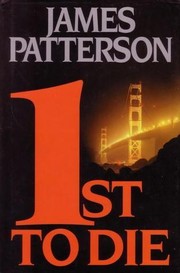
1st to Die
Lindsay, Claire, Cindy and Jill hunt a honeymoon killer terrorizing San Francisco.
2,536-word summary · 11 min read

3rd Degree
The third Women's Murder Club novel follows a San Francisco terror cell and a three-day killing schedule, and it costs the club a member.
2,685-word summary · 12 min read

4th of July
Lindsay Boxer shoots two armed teenagers in self-defense, faces a wrongful-death trial, and spends her leave chasing a string of throat-slashing murders in…
2,192-word summary · 10 min read
Along Came a Spider
Detective Alex Cross hunts Gary Soneji after two children vanish from a Washington school and a Lindbergh echo grows.
2,523-word summary · 11 min read

Rules of Prey
Minneapolis detective Lucas Davenport hunts a killer who leaves a new rule at every scene and treats murder as a game of wits.
1,914-word summary · 9 min read
Troubled Blood
Strike and Robin take a year long cold case: doctor Margot Bamborough vanished in 1974, with a nurse hiding more.
2,211-word summary · 10 min read
Holly
Grieving detective Holly Gibney takes a missing-girl case in 2021 and traces it to two polite retired professors with a basement secret.
2,607-word summary · 12 min read
End of Watch
A dying Bill Hodges and Holly Gibney face Brady Hartsfield again, as rigged game consoles push hurt teens toward suicide.
2,923-word summary · 13 min read
Finders Keepers
A boy finds a murdered writer's notebooks while the killer leaves prison hunting them and Hodges closes in.
2,157-word summary · 10 min read
Mr. Mercedes
Retired Hodges hunts Mercedes killer Brady Hartsfield concert plot.
2,281-word summary · 10 min read

The Beach House
A young valet is beaten to death at a Hamptons party, and his law-student brother spends a year building a case against the family that covered it up.
2,049-word summary · 9 min read
Kiss the Girls
Cross hunts Casanova kidnapping women including niece Naomi.
2,397-word summary · 11 min read

What She Knew
Rachel lets her eight-year-old son run ahead in a Bristol park, and the nine-day search turns her into a suspect in the public eye.
2,952-word summary · 13 min read

Six Years
A professor who promised to forget the woman he loved sees her husband's obituary and discovers that the wedding, the marriage, and the woman herself may never…
2,076-word summary · 9 min read

The Trespasser
A Dublin Murder Squad detective investigates a staged dinner-party killing and finds a cover-up that reaches into her own department.
2,051-word summary · 9 min read

The Late Show
Exiled to the LAPD night shift after accusing her supervisor, Renée Ballard keeps two cases that were meant to be handed off at dawn: a brutal assault and a…
2,563-word summary · 11 min read

61 Hours
A bus crash strands Jack Reacher in a snowbound South Dakota town where a drug gang, a corrupt police force, and a single witness are on a collision course.
2,227-word summary · 10 min read

Still Missing
A realtor is abducted at a Vancouver Island open house and held for more than a year. Told through therapy sessions, the novel follows her escape and the hunt…
2,466-word summary · 11 min read

Bad Luck and Trouble
A deposit of $1,030 summons Jack Reacher back to his old army unit, which is being picked off one name at a time.
2,366-word summary · 11 min read

Worth Dying For
Reacher stops for one night in rural Nebraska and finds a family that runs the county, a missing girl and a shipment worth killing for.
2,021-word summary · 9 min read

Say You're Sorry
A widowed prosecutor defends the teenager accused of killing her babysitter, uncovering a small town's secrets and a killer hiding in plain sight.
2,116-word summary · 9 min read

Echo Burning
Reacher hitches a ride with a Texas woman who wants her abusive husband killed, then has to prove she did not murder him when he comes home.
2,209-word summary · 10 min read

Girl, Forgotten
A rookie US marshal guards a judge with a stalker and ends up reopening the 1982 prom-night murder of the judge's pregnant daughter.
2,111-word summary · 9 min read

The Woods
Twenty years after two teenagers were murdered and two vanished at summer camp, prosecutor Paul Copeland identifies a fresh corpse as one of the missing.
2,490-word summary · 11 min read
The Redbreast
Harry Hole chases an ageing sniper through modern Oslo while two Norwegian volunteers on the Eastern Front carry a fifty-year-old betrayal toward a royal…
2,453-word summary · 11 min read
The Boy from the Woods
Wilde, found feral in a New Jersey forest in 1986, hunts for a missing teenager while a senator's secrets tear a wealthy town apart.
2,270-word summary · 10 min read
Broken Harbor
A family is found slaughtered in a half-built Dublin estate where no one broke in, and star detective Scorcher Kennedy must explain the holes in the walls.
2,308-word summary · 10 min read
Without Fail
Reacher is asked to test vice presidential security by planning to kill.
2,084-word summary · 9 min read
Things We Do in the Dark
A comedian kills her husband, then a podcaster digs up her teen murder past.
2,427-word summary · 11 min read
The Widow
A widow of a suspected criminal faces reporters and police while hiding what her marriage really cost.
2,599-word summary · 12 min read