
Reading options
What's inside (8 sections)
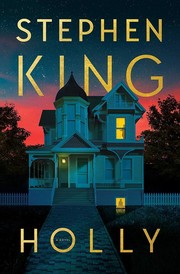
I have read enough Stephen King to know the Holly Gibney books ask something different from you than the horror ones. No haunted hotel, no alien invasion. Just people, and that can be worse. Holly came out from Scribner in 2023, a 449 page hardcover with ISBN 9781668016138, and it puts Holly Gibney front and center for the first time in a full novel. She first walked on in Mr. Mercedes back in 2014, stole every scene after, partnered with Bill Hodges through Finders Keepers and End of Watch, carried The Outsider and the novella If It Bleeds. Here she runs Finders Keepers herself, out of a midwestern office, in the summer of 2021, with Covid everywhere and her mother freshly dead. I finished it in four days and spent half of them mad at two polite old professors.
Fair warning before the plot. This is a crime novel with horror coloring, not the other way around. The villains are human. What they do is worse than anything supernatural because you keep thinking about their grocery list afterward. King tells you early who they are, so the tension is dread rather than guessing. If you need a twisty whodunit, this may annoy you. If you like watching a smart detective close a trap one click at a time, you will have a good week.
Holly on leave, sort of
When the book opens, Holly Gibney is supposed to be resting. Her mother Charlotte, a complicated and controlling presence across several books, has just died of Covid. Her business partner Pete Huntley has Covid too and is stuck at home. The agency is quiet. Holly is grieving in the restless way people do when the person they lost was difficult. She cleans. She replays old arguments. She talks to Bill Hodges in her head. Hodges died years ago in the series timeline, but his voice stays with her as a kind of conscience, including his line about the universe sometimes throwing you a rope. She is in no shape to take a case, and she knows it, which is exactly when the phone rings.
King does a lot with this setup before any crime appears. Holly at sixtyish, living alone, managing anxiety that used to flatten her, now functional and even formidable but still herself. She makes lists. She rehearses phone calls. She worries about seeming rude and then says the blunt true thing anyway. Jerome Robinson, the young man who has grown up across these books from kid helper to capable adult, checks in. His sister Barbara, a gifted poet, is around too. These returning characters get enough introduction that a new reader can follow, though I will say the book assumes you will pick up affection for them fast. If you have never met Holly, give her fifty pages. The muttering and the chain of small rituals settle into something you trust.
The Covid layer is thick from page one. Masks, vaccines, arguments about both, a partner coughing through a phone call, a detective who would rather meet outside. King sets the story firmly in July 2021, and he has opinions about how people behaved then. Some readers will find this grounding. Others will feel the book keeps stopping to grade the characters on their Covid politics. I landed in the middle. The details make the stakeouts and interviews feel real, since every doorstep conversation in 2021 really did involve masks and distance. But a few passages read like King venting through Holly, and they date the book in a way the Hodges trilogy never felt dated.
Penny Dahl and the missing girl
Penny Dahl calls Finders Keepers because her daughter Bonnie is gone. Bonnie Rae Dahl, in her twenties, vanished without a pattern that makes sense. Her bike turned up. A strange note suggested she had walked away from her life, but Penny does not believe it, and mothers in King books are worth listening to. Holly tries to say no. She is on leave, her partner is sick, grief is eating her sleep. Then Penny says something plain and desperate on the phone, and Holly hears herself agreeing to a meeting. The rope Hodges talked about works both ways. Sometimes you throw it.
The early investigation chapters are classic detective work, and King writes them with more patience than flash. Holly visits the Dahl home and reads Bonnie's room like a document. Clothes, books, the state of the bed, what is missing and what is not. She interviews Penny without promising anything, which Penny respects. She pulls phone records, looks at the boyfriend and the coworkers, checks the route where the bike was found. Nothing fits the runaway story. Bonnie had troubles but also plans. People with plans do not leave their bike in odd places with notes that sound like someone else wrote them.
What pulls Holly deeper is not one clue but a cluster. Going back through missing-person files, she finds other disappearances in the same part of the city, spread over years. A young woman here, a young man there, cases that went cold because the victims had no connection to each other. On a map they make a shape. Holly has learned from Hodges to trust shapes. She starts walking the neighborhood where Bonnie was last seen, knocking on doors, sitting in her car, watching who comes and goes. This is the part of the book I liked most. No monsters. Just a woman in a parked car with coffee, learning a street.
My one complaint about this stretch is pace. King shows nearly every interview and quite a few dead ends, and while that builds realism, about eighty pages in I was checking how much book was left. A couple of witnesses could have been combined. A subplot about billing and agency paperwork feels true to life and still slows things down. But the accumulation works on you. By the time Holly starts paying attention to one well-kept house on a nice street, you have walked the whole neighborhood with her and you share her unease.
The professors on the nice street
Rodney and Emily Harris live blocks from where Bonnie disappeared. Married octogenarians, retired academics, devoted to each other in a way their neighbors find sweet. Book-lined house, tidy yard, the kind of people who bring a dish when someone dies. King introduces them the way he often introduces evil, by showing you the camouflage first and letting you admire how well it fits. They are polite to canvassers. They remember names. They offer Holly tea when she knocks, and the tea scene made my skin crawl precisely because nothing happens in it.
What they are hiding is in the basement, and King does not make you wait long to understand the shape of it. The Harrises are killing people and eating parts of them. Their reasoning, as it comes out, mixes self-pity, entitlement, and junk ideas about health. Emily's arthritis and the general collapse of aging terrify them, and they have convinced themselves that consuming the young holds the decay back. It has not worked, of course. They are still old. They just have a basement that proves what they are. Reviews called this pure evil in cardigans, and that phrase earns its keep. The horror here is not that they kill. It is that they treat killing like a wellness routine, scheduled between faculty parties and grocery runs.
I want to credit how King handles their marriage, because it is the most interesting thing about them. Rodney and Emily genuinely love each other. They bicker about food, worry over each other's doctors, finish sentences. Their devotion is real, and it makes them worse, not better, because each uses the other as permission. He tells himself he does it for her pain. She tells herself she bears it for him. Together they can do what neither would do alone. Couples in crime stories are often written as one monster plus one follower. Here both choose, daily, and that choice is the point King keeps pressing. Ordinary love pointed in a rotten direction.
The trade-off of revealing them early is that the middle of the book loses the question of who and keeps only the question of how Holly proves it. Some readers will miss the guessing game. I did not mind it, because watching Holly work a case she cannot yet make is its own pleasure. But I will admit the Harrises repeat themselves. Another dinner scene, another pickle about health, another old-person complaint that curdles. Two or three of those scenes could have gone and the pair would still be vivid.
Watching, waiting, and the trap
The long middle of Holly is surveillance, and your mileage will depend on your taste for it. Holly watches the Harris house. She logs cars, times, lights. She follows Emily to the store and Rodney to his routines. She talks her way into neighboring houses, checks property records, looks at university connections, tests small lies to see what the Harrises correct. Jerome helps with the physical parts, sitting in cars and running errands Holly cannot run while grieving and conspicuous. Barbara contributes research and a young person's read on Bonnie's world. Pete contributes from quarantine by phone, experienced and cranky. It reads like real investigative work, which means long stretches where nothing happens, broken by moments where everything shifts.
The best of these moments are small. A detail about trash pickup. A question about a fence that gets too smooth an answer. A neighbor who mentions a smell or a van, then takes it back. Holly writes everything down and reads her notes the way she was taught, looking for the thing that does not belong. King is good at showing how a detective's mind differs from a civilian's. Everyone else on the street sees a nice old couple. Holly sees a schedule with a gap in it, and she cannot stop poking at the gap.
Around the two-thirds mark the book tightens hard. Holly finds a way to connect the Harrises to the missing, gets a look at what matters, and the polite phase ends. I will keep the last stretch vague on purpose, since the dread works better if you walk into it cold. What I can say is that the confrontation happens where it had to happen, inside that well-kept house, and Holly survives it by using everything specific she learned watching them. Help arrives, but late and incomplete in the way real help is. Nobody swoops in. The ending is earned rather than rescued, and the last chapters deal with cost instead of cheering. People she cares about pay for what happened. So does she.
The criticism writes itself here. This section could have been thirty pages shorter. One stakeout too many, one more loop of Holly telling herself to be careful, one more meal with the Harrises where you already know the menu. And the Covid material keeps intruding at odd moments, characters scoring points off each other about shots and masks while a far worse thing waits in a basement. King clearly felt the pandemic was part of the story's moral weather. Sometimes it is. Sometimes it reads like commentary looking for a scene.
What I would argue about
Take the book on its own terms and there is plenty to argue about, which I count in its favor. Start with Holly herself. She is one of King's best creations because she never stops being odd while becoming strong. Her rituals, her bluntness, her fierce loyalty to the dead, her awkward kindness to the living. In this book she also finally processes her mother, and those chapters hit harder than the scares. Charlotte was vain, bigoted in the casual way of her generation, manipulative about Holly's weight and choices, and also the person Holly called every day. Grief for a difficult parent is its own basement. King writes it without smoothing the edges, and Holly's anger at a dead woman she still loves feels more honest than most literary fiction manages.
Then argue about the villains. Are the Harrises too much. Cannibal professors eating the young to stay spry is pulp wearing a cardigan, and King knows it. He keeps them scary by keeping them petty. They complain, they scheme about groceries, they treat murder as housework. That pettiness is the scariest thing in the book and also, at times, the silliest. A reader who wants realism will roll their eyes at the logistics. A reader who accepts King's pledge that people are capable of anything will go along. I went along, but I noticed the seams, especially in the basement scenes where the practical questions pile up faster than the answers.
Argue about the politics too, because the book insists. Holly is King's most openly political novel in years, full of contempt for anti-vaccine stubbornness and MAGA-era selfishness. If you share King's views, these passages will feel like fresh air. If you do not, they will feel like lectures. Either way they pull focus from the Dahls. Bonnie's case is about class and vulnerability as much as anything, young people with thin safety nets going missing while the city shrugs, and that theme gets less room than the Covid fights. I wished King had trusted the case to carry the argument. A missing girl whose mother has to hire her own detective says plenty on its own.
Length is the last charge. At 449 pages the novel sags in the middle third and could have lost weight without losing force. King fans will say this is just how he writes, and they are right, but even loyal readers notice when a stakeout repeats. The counter is that the thickness is doing characterization. You live with Holly through grief and tedium, so the finale lands on a person you know rather than a piece on a board. I buy that up to a point. My point ends about fifty pages before King does.
Who should read it, and how
Read Holly if you like detective stories where the detective matters more than the puzzle, or if you already know Holly Gibney and want her center-stage book. New readers can start here. King supplies enough backstory on Hodges, Pete, Jerome, and Barbara that you will not feel lost, and the case stands alone from the trilogy. That said, the book hits harder if you have seen Holly grow from the muttering walk-on of Mr. Mercedes to the woman who runs the agency. Her competence here means more when you remember her panic attacks.
Content notes matter for this one. The book centers on abduction, murder, and cannibalism, with some graphic description of remains and the basement, plus grief for a parent, Covid illness and death, and heated political material. Not for kids, and not for readers who want their crime clean. Adults who enjoy King, Tana French, or slow-burn true crime podcasts will be at home.
I closed Holly thinking about the tea scene, which tells you what King does best. Two old people, a tidy living room, a detective asking careful questions, nothing happening except everything happening. The scariest monsters in his work were never the clowns or the cars. They were the neighbors who learned to smile while doing the math on you. The Harrises smile all the way down. Holly smiles back, writes it all down, and comes back with a plan. That is the whole series in one image, and this book earns it.
FAQ
When was Holly published?
Scribner published it on September 5, 2023. The first hardcover runs 449 pages and the ISBN is 9781668016138.
Is Holly part of a series?
No. Holly Gibney first appeared in Mr. Mercedes and returned in later books, but Holly works alone and the publisher lists no formal series for it.
What is the case in Holly about?
Penny Dahl hires Finders Keepers to find her daughter Bonnie, and Holly traces the disappearance to retired academics Rodney and Emily Harris.
Similar books
End of Watch
A dying Bill Hodges and Holly Gibney face Brady Hartsfield again, as rigged game consoles push hurt teens toward suicide.
2,923-word summary · 13 min read
Finders Keepers
A boy finds a murdered writer's notebooks while the killer leaves prison hunting them and Hodges closes in.
2,157-word summary · 10 min read
Mr. Mercedes
Retired Hodges hunts Mercedes killer Brady Hartsfield concert plot.
2,281-word summary · 10 min read

Rules of Prey
Minneapolis detective Lucas Davenport hunts a killer who leaves a new rule at every scene and treats murder as a game of wits.
1,914-word summary · 9 min read

3rd Degree
The third Women's Murder Club novel follows a San Francisco terror cell and a three-day killing schedule, and it costs the club a member.
2,685-word summary · 12 min read

2nd Chance
Lindsay Boxer and the Women's Murder Club hunt the Chimera killer after a church shooting in San Francisco.
2,572-word summary · 11 min read
Troubled Blood
Strike and Robin take a year long cold case: doctor Margot Bamborough vanished in 1974, with a nurse hiding more.
2,211-word summary · 10 min read
1st to Die
Lindsay, Claire, Cindy and Jill hunt a honeymoon killer terrorizing San Francisco.
2,536-word summary · 11 min read
Along Came a Spider
Detective Alex Cross hunts Gary Soneji after two children vanish from a Washington school and a Lindbergh echo grows.
2,523-word summary · 11 min read
Billy Summers
A hitman takes one last job in Red Bluff, poses as a writer, and runs when the setup turns on him.
2,882-word summary · 13 min read

What She Knew
Rachel lets her eight-year-old son run ahead in a Bristol park, and the nine-day search turns her into a suspect in the public eye.
2,952-word summary · 13 min read

The Beach House
A young valet is beaten to death at a Hamptons party, and his law-student brother spends a year building a case against the family that covered it up.
2,049-word summary · 9 min read

Six Years
A professor who promised to forget the woman he loved sees her husband's obituary and discovers that the wedding, the marriage, and the woman herself may never…
2,076-word summary · 9 min read

The Trespasser
A Dublin Murder Squad detective investigates a staged dinner-party killing and finds a cover-up that reaches into her own department.
2,051-word summary · 9 min read

The Late Show
Exiled to the LAPD night shift after accusing her supervisor, Renée Ballard keeps two cases that were meant to be handed off at dawn: a brutal assault and a…
2,563-word summary · 11 min read

4th of July
Lindsay Boxer shoots two armed teenagers in self-defense, faces a wrongful-death trial, and spends her leave chasing a string of throat-slashing murders in…
2,192-word summary · 10 min read

61 Hours
A bus crash strands Jack Reacher in a snowbound South Dakota town where a drug gang, a corrupt police force, and a single witness are on a collision course.
2,227-word summary · 10 min read

Still Missing
A realtor is abducted at a Vancouver Island open house and held for more than a year. Told through therapy sessions, the novel follows her escape and the hunt…
2,466-word summary · 11 min read

Bad Luck and Trouble
A deposit of $1,030 summons Jack Reacher back to his old army unit, which is being picked off one name at a time.
2,366-word summary · 11 min read

Worth Dying For
Reacher stops for one night in rural Nebraska and finds a family that runs the county, a missing girl and a shipment worth killing for.
2,021-word summary · 9 min read

Say You're Sorry
A widowed prosecutor defends the teenager accused of killing her babysitter, uncovering a small town's secrets and a killer hiding in plain sight.
2,116-word summary · 9 min read

Echo Burning
Reacher hitches a ride with a Texas woman who wants her abusive husband killed, then has to prove she did not murder him when he comes home.
2,209-word summary · 10 min read

Girl, Forgotten
A rookie US marshal guards a judge with a stalker and ends up reopening the 1982 prom-night murder of the judge's pregnant daughter.
2,111-word summary · 9 min read

The Woods
Twenty years after two teenagers were murdered and two vanished at summer camp, prosecutor Paul Copeland identifies a fresh corpse as one of the missing.
2,490-word summary · 11 min read
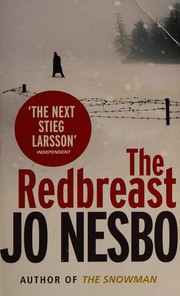
The Redbreast
Harry Hole chases an ageing sniper through modern Oslo while two Norwegian volunteers on the Eastern Front carry a fifty-year-old betrayal toward a royal…
2,453-word summary · 11 min read
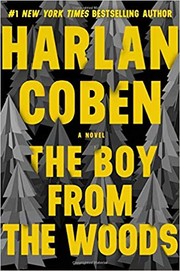
The Boy from the Woods
Wilde, found feral in a New Jersey forest in 1986, hunts for a missing teenager while a senator's secrets tear a wealthy town apart.
2,270-word summary · 10 min read
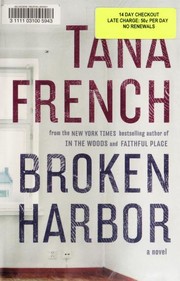
Broken Harbor
A family is found slaughtered in a half-built Dublin estate where no one broke in, and star detective Scorcher Kennedy must explain the holes in the walls.
2,308-word summary · 10 min read
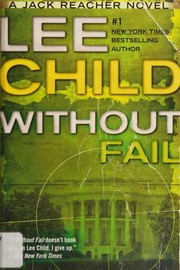
Without Fail
Reacher is asked to test vice presidential security by planning to kill.
2,084-word summary · 9 min read
Things We Do in the Dark
A comedian kills her husband, then a podcaster digs up her teen murder past.
2,427-word summary · 11 min read
The Widow
A widow of a suspected criminal faces reporters and police while hiding what her marriage really cost.
2,599-word summary · 12 min read