
Reading options
What's inside (8 sections)
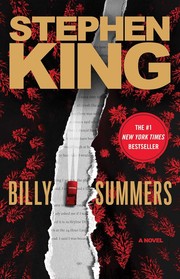
I picked up Billy Summers because a friend told me it was the least Stephen King Stephen King book, and that hooked me. No haunted hotels, no cosmic evil, just a hitman who wants out. I figured I would read fifty pages and move on. Instead I stayed up too late two nights in a row, mostly because Billy himself is such easy company, even when he is doing terrible things.
The setup sounds like a movie you have seen before. Billy Summers is a former Marine sniper, a decorated Iraq vet, now working as a killer for hire. He is good at it. He can wait, he can shoot, he can vanish. His rule is that he only takes the job if the target is a bad man. He calls himself a garbageman with a gun. It is a convenient story he tells himself, and King knows it is convenient, and Billy half knows it too. That tension carries a lot of the book.
When we meet him, Billy wants to quit. He has money saved. He is tired. Then Nick Majarian calls with one last job. Nick is a middleman Billy has worked with for years, Vegas tanned, always in a suit that costs too much, the kind of guy who treats murder like real estate. The pay is absurd. Five hundred thousand up front, one and a half million after. All Billy has to do is kill another hitman named Joel Allen.
Allen is in custody in Los Angeles after shooting a man who beat him in a poker game. The authorities want to move him to Red Bluff, a small city in the South, for arraignment. Somebody powerful wants Allen dead before he can talk, because Allen claims he has information to trade. Billy's job is to rent an office across from the Red Bluff courthouse, wait for the day Allen is walked from a van to the doors, and take the shot from his window.
Billy says yes, but he is uneasy from the start. Nick usually lets Billy handle his own escape. This time Nick has a full exit plan ready, a car, a route, clean paperwork. That feels wrong. Billy has survived this long by trusting that itch. He takes the money anyway. He tells himself this is the price of getting out.
A good guy in a bad job
What makes Billy work as a character is that he is not slick. He acts dumb around people on purpose. He does a voice, a little slow, a little lost, so clients and neighbors underestimate him. Under that act he reads constantly. His favorite writer is Thomas Hardy. He loves Hardy because Hardy characters get crushed by luck and keep walking anyway. Billy sees himself in that.
King spends a lot of time on Billy's habits. Billy folds his clothes. He cleans. He worries about being polite. In Iraq he learned to control panic with small tricks taught by his buddy Clay Briggs, like putting a cold wet washcloth over his face or singing the words to The Teddy Bears Picnic under his breath to slow his breathing. He still uses those tricks back home. It is a nice touch because it makes him feel like a vet trying to manage his nerves, not a superhero.
His code matters to him. Are you a bad man? That is the question he asks Nick about every target. With Allen, the answer seems easy. Allen shot a man over cards, beat a rape charge in Massachusetts years earlier, worked as muscle for rich men. Billy can file him under bad and pull the trigger with a clear head. King lets you sit with that for a while. Is Billy really sorting the world into good and bad, or is he just buying himself sleep? The book never lectures about it. It just shows Billy doing the math, again and again, until the math stops working.
I found this first stretch very readable. Some of it is procedure, phones and money drops and rifles, but King writes procedure well. You learn how Billy checks a room, how he builds an alibi, how he never uses his real name. His real cover in Red Bluff will be David Lockridge, a writer who needs a quiet office to finish a novel. That lie turns out to be the whole book.
Red Bluff and the writer act
Red Bluff is fictional, somewhere east of the Mississippi and south of the Mason Dixon line, hot and ordinary and full of people who punch a clock. Billy rents a house and an office. The office is on the second floor of a brick building owned by a local booster named Ken Hoff. From the back window Billy can see the courthouse steps. Perfect line of sight.
To sell the writer story, Billy has to act like a writer. He shows up every morning with coffee. He chats with the other tenants. He complains about his agent and his deadline. Hoff loves having an author in the building and introduces him around. Billy, playing dumb David, nods a lot and takes notes.
But Nick tells Billy he should actually write something, in case anyone checks his laptop. Just in case. So Billy starts writing. At first it is cover. Then it becomes confession.
This is where the novel changes shape. Large chunks become Billy's own memoir, written in his plain voice, about growing up poor, about a mother who worked hard and made bad choices with men, about a little sister he loved, about violence that arrived early. He writes about getting into trouble as a teen, about shooting as a skill that gave him praise for the first time, about joining the Marines because it was the only door that looked open.
I will be honest, I almost skimmed some of this. You come for a hitman thriller and suddenly you are deep into a childhood memoir inside the novel. The pace slows. Hoff drops by. The trial date slips. Billy waits. Sometimes it works beautifully. You start to see why Billy clings to his code. Other times it feels indulgent, like King using Billy to talk about writing itself.
Still, I got attached to Red Bluff life. The morning routine. The sandwich shop. The way Billy has to remember to act like David, slightly goofy and harmless, while his real mind measures distances and wind and camera angles. That double vision is fun. You are always aware of the rifle in the back room, cleaned and waiting, while everyone else thinks David is stuck on chapter three.
The Joel Allen research is woven through here too. Billy reads old news stories, pieces together the poker killing, the talk of a plea deal, the rumor that Allen worked for rich people who now want him quiet. Billy pretends to take Nick at face value. Inside he is counting the things that do not add up. Why does this job pay so much? Why is Nick handling the getaway?
The shooting itself, when it comes, is cold and fast. Billy takes the shot during the transfer, Allen goes down, and Billy moves. He follows Nick's plan just enough, then breaks from it. Good thing. The people who hired him already plan to kill him. Billy gets out because he expected a trap. He hurts a low level guy named Frank who was sent to watch him, leaves him alive but damaged, and disappears with most of his money gone and his face now a problem.
The book inside the book
I want to stay a minute on Billy's writing, because it takes up real space and readers split on it.
Billy writes like he talks when the dumb act drops. Short sentences. Plain words. He apologizes to the reader. He backtracks. He says he is not a writer, then writes a scene about Fallujah that is better than a lot of war fiction I have read. Clay Briggs is the center of those pages, funny and steady, the friend who kept Billy human. When Clay dies over there, Billy carries it.
He also writes about coming home and drifting into contract killing through Bucky Hanson, an old friend who knows people and vouches for Billy. Bucky is the only person Billy fully trusts. Bucky is older, calm, lives out of the way, fixes problems without drama. In Billy's memoir Bucky is almost a father figure, the one who told him to save money and keep a low profile.
Does the memoir slow the thriller? Yes. Around the middle, the main plot parks while Billy types. If you want constant motion, you will get restless. For me it paid off later, because the last third hits harder when you know what Billy survived as a kid and in Fallujah. But I can see why some readers call this two books glued together. The trick is that the glue is the point. Billy can only face what he has done by writing it down.
One small thing I loved: Billy worries about spelling and grammar, then decides telling the truth matters more than getting commas right. That felt true to his character. He is not trying to be literary. He is trying to leave a record in case he dies.
Everything goes wrong
After the hit, the book turns into a chase.
Nick's people freeze Billy out. The second payment never arrives. Men come to the house where Billy was supposed to lay low. Billy kills or evades them, takes what cash he can, switches IDs. He becomes Dalton Smith for a while, another quiet man in another cheap place. He calls Bucky. Bucky tells him to sit tight and think. Billy cannot sit tight because he is angry in a way he has not been before. He was used. Worse, he was meant to be thrown away.
This is also when King reveals who really paid for the Allen hit. Roger Klerke, a wealthy media owner, son of privilege and owner of a lot of local stations and papers, hired Allen for dirty work for years. Allen handled problems, including the killing of Klerke's own son Patrick after Patrick became a liability. Then Allen got caught and started talking about what he knew, including Klerke's assaults on underage girls. Klerke could not let Allen reach a courtroom in Red Bluff and start naming names. So Klerke paid Nick to pay Billy. And then Klerke paid Nick to have Billy killed too, so the chain would break.
It is ugly stuff. King does not linger on graphic detail with the girls, which I was grateful for. He keeps the focus on power, how Klerke buys silence through lawyers and threats and friendly sheriffs, how men like Nick and Ken Hoff take a cut and look away. Joel Allen was a bad man, Billy tells himself. But the men who hired Billy are worse, and they used Billy's code to aim him.
There is a hard stretch here where Billy has to decide whether to run for good or go back. He has enough cash to vanish to another country. Bucky can set it up. Billy knows the smart move is to disappear. He almost does. Then he meets Alice.
Billy and Alice on the run
Alice Maxwell is twenty one, walking home late near a college town when Billy finds her after she has been attacked in a car by a group of young men. Billy intervenes. He is brutal about it. He does not kill them, but he hurts them and scares them badly, especially a guy named Tripp. Alice is in shock, vomiting, ashamed, furious. Billy gets her to safety, buys her clothes, listens more than he talks.
Their bond is the heart of the second half, and also the part that will test some readers. The age gap is large. Billy is in his forties. King keeps the relationship paternal, not romantic, and Alice is clear about that too. She calls him out. She jokes. She does not become a symbol. She is prickly and smart and traumatized and trying to decide what to do next. Billy sees his sister in her, and maybe the kid he once was, someone who got hurt and had no one solid nearby.
I liked them together more than I expected. They bicker about music and food. Billy teaches her some of Clay's calming tricks. She reads his manuscript and tells him where it drags, which is funny because she is saying what I was thinking. She asks him straight out if he is a bad man. He says bad people need to pay a price, and the price should be high. She does not fully buy it, but she trusts him because he shows up.
They hide at Bucky's place for a time. Bucky's house is quiet, woods around, no neighbors asking questions. Billy finishes his book there, bringing it all the way up to the present, including Alice. He knows going after Klerke is likely suicide. Klerke lives behind gates and lawyers and armed men. Nick has already shown he will sell anyone. But Billy cannot leave it alone. Alice will not leave it alone either. The men who hurt her got a pass from the local system, and the men who hired Billy are the same type, just richer. That link gives Billy and Alice a shared reason, even if their wounds are different.
The final movement is straightforward and violent. Billy and Alice plan carefully, using Billy's old skills and Alice's nerve. They get inside Klerke's world under false pretenses. There is a confrontation at Klerke's home. Billy is ready to shoot. In the end it is Alice who kills Roger Klerke. She picks up the gun and fires. It matters that she does it. This is not Billy cleaning garbage again. This is Alice refusing to be a victim in someone else's deal. King gives the moment weight without making it triumphant. It feels awful and necessary at once, which fits the book.
Billy is badly wounded in the fallout. He and Alice run. He fades. The last pages reveal that the final section of the manuscript was completed by Alice after Billy died from those wounds. She writes his ending the way he would have wanted, or the way she needs it to be, a small mercy after so much blood. Some readers will find that twist sentimental. I did not mind it. After hundreds of pages of Billy trying to write his life straight, it feels right that someone who loved him finishes the sentence.
What King is really after
Strip out the guns and this is a book about stories men tell to live with themselves.
Billy tells himself he only kills bad men. Nick tells himself he is just a middleman. Hoff tells himself he is just a landlord. Klerke tells himself money erases harm. Alice refuses those stories. She names what happened to her. She reads Billy's draft and spots the soft spots where he hides. By the end Billy stops hiding as much, at least on the page.
King also writes about small town America with real affection. Red Bluff bars and churches and courthouse lawns, people who wave at David the writer because he buys pie and tips well. It is not satire. King likes these places. He likes waitresses who remember orders and clerks who gossip. That warmth makes the corruption land harder. The evil here is not a clown in a sewer. It is a donor with a building named after him.
Is it perfect? No. The pacing sags in the middle. The memoir device repeats. Billy's dumb act sometimes feels too cute, like Clark Kent glasses that fool everyone forever. A few coincidences pile up to get Billy and Alice together and then to Klerke's door. And the sexual violence, though not explicit on the page, is central to both Alice and Klerke plots, so readers who avoid that subject should know going in.
But the strengths outweigh that for me. Billy is one of King's most likable creations in years, decent and damaged without begging for pity. Alice holds her own and steals the last hundred pages. The crime mechanics feel researched but not showy. And the writing about writing never curdles into a lesson. It stays in character. A guy who never finished school trying to get his life down before it ends.
Who should read it? If you like crime novels with patience, Elmore Leonard or Dennis Lehane with more heart, you will enjoy this. If you only want King horror, you might miss the supernatural. There is almost none here. If you want a fast thriller that never slows, the memoir chapters will annoy you. If you want characters you sit with, come on in.
I closed it thinking about Hardy, who Billy loves. Hardy wrote about people crushed by chance who still try to act decently. That is Billy. A man in a room with a gun, trying for one decent act after a life of indecent ones, writing it all down in plain words. I will remember him for a while.
FAQ
Is Billy Summers part of a series?
No. It is a standalone crime novel published by Scribner in 2021. Billy does not return in other Stephen King books.
Who is Alice Maxwell?
A young woman Billy rescues while on the run after the Red Bluff job. She travels with him, helps him hide, and plays a central part in the final confrontation with Roger Klerke.
Does Billy Summers connect to Stephen King's horror books?
Not really. It is a crime thriller with no supernatural plot, though it shares King's interest in writers and small towns. You can read it without knowing his other work.
Similar books
Holly
Grieving detective Holly Gibney takes a missing-girl case in 2021 and traces it to two polite retired professors with a basement secret.
2,607-word summary · 12 min read
End of Watch
A dying Bill Hodges and Holly Gibney face Brady Hartsfield again, as rigged game consoles push hurt teens toward suicide.
2,923-word summary · 13 min read
Finders Keepers
A boy finds a murdered writer's notebooks while the killer leaves prison hunting them and Hodges closes in.
2,157-word summary · 10 min read
Mr. Mercedes
Retired Hodges hunts Mercedes killer Brady Hartsfield concert plot.
2,281-word summary · 10 min read

What She Knew
Rachel lets her eight-year-old son run ahead in a Bristol park, and the nine-day search turns her into a suspect in the public eye.
2,952-word summary · 13 min read

The Beach House
A young valet is beaten to death at a Hamptons party, and his law-student brother spends a year building a case against the family that covered it up.
2,049-word summary · 9 min read

Six Years
A professor who promised to forget the woman he loved sees her husband's obituary and discovers that the wedding, the marriage, and the woman herself may never…
2,076-word summary · 9 min read

Rules of Prey
Minneapolis detective Lucas Davenport hunts a killer who leaves a new rule at every scene and treats murder as a game of wits.
1,914-word summary · 9 min read

4th of July
Lindsay Boxer shoots two armed teenagers in self-defense, faces a wrongful-death trial, and spends her leave chasing a string of throat-slashing murders in…
2,192-word summary · 10 min read

61 Hours
A bus crash strands Jack Reacher in a snowbound South Dakota town where a drug gang, a corrupt police force, and a single witness are on a collision course.
2,227-word summary · 10 min read

Still Missing
A realtor is abducted at a Vancouver Island open house and held for more than a year. Told through therapy sessions, the novel follows her escape and the hunt…
2,466-word summary · 11 min read

Bad Luck and Trouble
A deposit of $1,030 summons Jack Reacher back to his old army unit, which is being picked off one name at a time.
2,366-word summary · 11 min read

3rd Degree
The third Women's Murder Club novel follows a San Francisco terror cell and a three-day killing schedule, and it costs the club a member.
2,685-word summary · 12 min read

Worth Dying For
Reacher stops for one night in rural Nebraska and finds a family that runs the county, a missing girl and a shipment worth killing for.
2,021-word summary · 9 min read

Say You're Sorry
A widowed prosecutor defends the teenager accused of killing her babysitter, uncovering a small town's secrets and a killer hiding in plain sight.
2,116-word summary · 9 min read

Echo Burning
Reacher hitches a ride with a Texas woman who wants her abusive husband killed, then has to prove she did not murder him when he comes home.
2,209-word summary · 10 min read

Girl, Forgotten
A rookie US marshal guards a judge with a stalker and ends up reopening the 1982 prom-night murder of the judge's pregnant daughter.
2,111-word summary · 9 min read

The Woods
Twenty years after two teenagers were murdered and two vanished at summer camp, prosecutor Paul Copeland identifies a fresh corpse as one of the missing.
2,490-word summary · 11 min read

The Boy from the Woods
Wilde, found feral in a New Jersey forest in 1986, hunts for a missing teenager while a senator's secrets tear a wealthy town apart.
2,270-word summary · 10 min read

Without Fail
Reacher is asked to test vice presidential security by planning to kill.
2,084-word summary · 9 min read

Things We Do in the Dark
A comedian kills her husband, then a podcaster digs up her teen murder past.
2,427-word summary · 11 min read

The Widow
A widow of a suspected criminal faces reporters and police while hiding what her marriage really cost.
2,599-word summary · 12 min read
The Racketeer
A jailed lawyer trades a judge murder secret for freedom and revenge.
2,434-word summary · 11 min read
The Night Swim
A true crime podcaster covers a rape trial while probing an old drowning in a small town.
2,260-word summary · 10 min read
The Judge's List
Lacy Stoltz hunts a sitting judge who murders off his list.
2,513-word summary · 11 min read
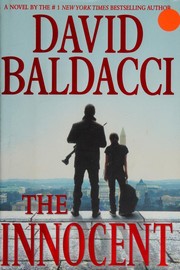
The Innocent
A government hitman refuses one kill and must protect a teenage girl at the center of a cover-up.
2,403-word summary · 11 min read
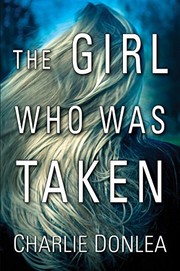
The Girl Who Was Taken
A survivor returns alone while a reporter digs for her lost sister.
2,261-word summary · 10 min read
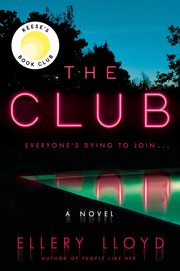
The Club
A luxury island resort for the rich turns deadly when secrets, staff and guests collide.
2,386-word summary · 11 min read
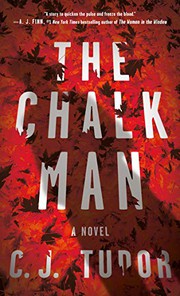
The Chalk Man
Childhood chalk codes lead to a murder that follows friends thirty years later.
2,350-word summary · 10 min read
The Silent Wife
A Chicago psychologist watches her twenty-year partnership collapse when Todd leaves for Natasha, then plans murder.
2,591-word summary · 12 min read