
Maybe Not
2,114-word summary 9 min read 112 pages in the book
- First published
- 2014
- Publisher
- Atria Books
- Pages
- 112
- ISBN
- 9781476799841
- Series
- Maybe (#2)
Reading options
What's inside (7 sections)
I read this in one sitting because it is short and because Warren is the friend everyone wants in their kitchen. Maybe Not by Colleen Hoover was first published on November 24, 2014 by Atria Books, a 112 page novella with ISBN 9781476799841. It is book two in the Maybe series, after Maybe Someday, focused on Warren and Bridgette. If Maybe Someday was about music and cheating hearts, this is about roommates who fight like cats and flirt like they mean it. I laughed a lot and marked two scenes to reread.
Warren narrates most of it. He is a construction worker, funny, blunt, loyal to his friends Ridge and Brennan, and newly stuck with an extra bedroom after a breakup shuffle. Bridgette needs a place. She is a waitress, sharp tongued, guarded, beautiful in a way that makes men stupid and women wary. She hates Warren on sight. He loves the challenge on sight. They agree to house rules. No drama. No hookups in common areas. Both break the spirit immediately.
The apartment is the real set. A small place with thin walls, a couch that eats remotes, and a kitchen where passive aggressive notes escalate into art. Warren leaves a dish. Bridgette leaves a novel. He plays loud games. She takes long showers. Friends visit and pick sides. Ridge, deaf and observant, watches them like a show. Brennan teases Warren for liking someone who insults his cooking. Sydney, Ridge girlfriend, tries to mother both and fails sweetly.
Rules and banter
The first half is banter as foreplay. Warren tries charm. Bridgette answers with ice. He cooks to impress. She says it needs salt. He fixes her car. She says mechanics overcharge. Underneath, both are testing safety. Warren was burned by a girlfriend who used him. Bridgette was burned worse and earlier, which the book reveals slowly. Their fights are negotiations. How close can you get before I push.
Hoover writes Warren voice well. Male, funny, a little crude about sex, but respectful when it counts. He notices Bridgette flinch at loud knocks. He stops wrestling friends in the hall when she is home. He asks before touching her stuff. Those small decencies matter more than grand speeches. Bridgette notices and hates noticing, because noticing means risk.
Bridgette backstory arrives in pieces. A stepfather who hurt her. A mother who chose comfort over protection. Years of working to pay for independence and to keep men at arm length. She learned that needing anyone gives them leverage. So she needs no one loudly. Warren answer is not to argue. He shows up steadily. Fixes the lock. Drives her to a shift when her car dies. Leaves food without a note claiming credit.
Their house meeting scenes are comedy highlights. Written rules taped to fridge. Rule 7 about dishes gets amended four times. Rule 9 about guests gets underlined after Warren brother stays over and eats everything. Bridgette adds a rule about Warren walking around shirtless. He obeys by wearing the tightest shirts he owns. Friends vote on violations like judges. It is silly and warm and very twenty something.
A fair note. The banter sometimes tips into insult that would exhaust in real life. If you dislike enemies to lovers with sharp edges, the first forty pages may tire you. Stick past the dish war. Once Bridgette lets one kind act stand without a jab, the tone softens and the romance earns its heat.
Roommates to something more
The turn comes when Bridgette gets sick and cannot hide it. Flu, fever, no insurance for urgent care theatrics. Warren cancels work, makes soup badly, and sits on the bathroom floor talking about nothing while she sleeps between bouts. No moves. No jokes about her hair. Just water, blankets, and a hand on forehead to check temp. Bridgette wakes to clean sheets and a note with his number underlined twice. She cries because no one stayed before without wanting something.
After that, physical tension rises fast. A shared blanket during a blackout. A late night talk about first kisses that turns honest. A kiss in the kitchen that starts angry and ends tender. Hoover writes new adult heat with consent front and center. Warren asks. Bridgette says yes, then no, then yes with conditions. He respects each answer without pouting. That respect is the romance more than abs.
Ridge and Sydney subplot supports without hijacking. Ridge worries Warren will hurt Bridgette by being careless. Sydney worries Bridgette will hurt Warren by leaving. Both are right for a chapter. A double date dinner goes sideways when an ex shows up and Bridgette freezes. Warren steps between without making a scene. He tells the ex she said no. Short sentences. Clear eyes. The table goes quiet. Bridgette takes his hand under the table and holds too tight. It is the best scene in the novella because protection is offered, not imposed.
The past returns in the form of Bridgette mother calling for money and her stepfather lurking in background. Bridgette handles it with Warren nearby but not in front. She says no on the phone, hangs up, and shakes. Warren does not ask for details she will not give. He makes tea she will not drink and sits close enough that shoulders touch. Later, when she tells him the full story in a parked car, he listens without fixing. No revenge plan. Just belief. That belief does more than any rescue could.
If there is a thin spot, it is work life. Warren construction job and Bridgette waitressing get few details beyond schedules. The novella stays home, which suits length but leaves money stress vague. How do they afford rent. What happens when shifts clash. Hoover sketches enough to keep plot moving and trusts readers to fill. For 112 pages, that is fair.
Where it sits in the Maybe world
If you read Maybe Someday, this novella feels like hanging out with the funny side characters while the main couple takes a breath. Ridge and Sydney story was about music, deafness, and cheating with a kind third person caught in the middle. Warren was the comic relief roommate who said what everyone thought. Brennan was the steady brother. Bridgette was the sharp waitress who insulted Warren pie. Maybe Not pulls those two from the edges to center without rewriting what you knew.
That continuity rewards series readers in small ways. Ridge now lives with Sydney and writes songs in the next room, which explains thin walls jokes. Brennan drops by with advice that is mostly teasing. Sydney tries to set house rules like she set songwriting schedules. None of this is required to follow Warren plot, but it adds warmth if you know them. The apartment feels lived in because it was lived in on page before.
Warren role shift is the point. In Maybe Someday he was the observer who called out Ridge cowardice with jokes. Here he must take his own advice about honesty. Friends notice the flip and tease him for it. Ridge texts him to just say what you want. Brennan tells him to stop performing confidence and admit nerves. Those nudges keep Warren from becoming a different person for romance. He stays the same loud friend, just more exposed.
Bridgette gets more interior room than her Maybe Someday cameo allowed. There she was a line or two, cold and funny. Here Hoover gives her two short POV chapters that change everything. Her voice is tighter than Warren, less joke, more scan. Where is the exit. Who owes whom. Those chapters reveal that rudeness is budgeting. If she is sharp first, no one asks for softness she cannot afford to give. Reading her after Warren chapters made me kinder to her early insults. They were rent paid in advance against hurt.
Hoover also uses the series to show class without speeches. Sydney and Ridge scrape by on gigs and school. Warren works with hands and gets paid late. Bridgette counts tips and hides savings in a jar. No one has parents who fix problems with checks, except as cautionary tales. The 112 page length suits that world. No time for trips or makeovers. Solutions look like extra shifts, shared groceries, and a landlord who accepts half now. That grounded money detail keeps new adult romance from floating into fantasy.
Hoover style in miniature
This novella is a good sample of why Hoover dominates new adult shelves. Short chapters. Plain talk. High emotion without purple lines. Spicy scenes that are explicit about want and about stopping. Texts and notes as plot devices. A third act secret that tests trust, then a talk that actually addresses it rather than a grand gesture that skips it.
Warren dirty talk will divide readers. He is crude about bodies in a way that reads as locker room affection. With friends, it is funny. With Bridgette early, it lands as disrespect because she has heard crude as prelude to harm. Hoover lets Bridgette name that. Do not talk about me like that in front of your friends. Warren apologizes and changes, not perfectly, but visibly. That correction arc models something useful. Desire without respect is just noise.
Bridgette consent arc is stronger. She says no to a kiss mid kiss and Warren stops fast, checks, and does not sulk. She says yes later with a condition about doors locked because roommates. He honors it even when friends tease. In a genre where pushy heroes still get rewarded, this steady respect stands out. Heat rises because safety is built first, not after.
The humor also shows Hoover range. Warren internal lists of roommate crimes. Brennan rating fridge notes like art. Ridge pretending not to hear fights while drumming louder to cover. Sydney making a chore wheel no one follows. These bits could fill a sitcom episode and they keep the short book from feeling thin. You get community, not only couple.
A criticism that fits here. The ex who shows up to create jealousy is underdrawn. One scene, slimy smile, gone. The stepfather threat is also kept off page, which is probably wise for length but leaves Bridgette fear a little abstract. Hoover tells more than shows about the worst past, likely to avoid turning a comic novella dark for long. I accepted the trade because the present relationship gets full scenes. Still, readers who need villains on page may find stakes low.
What the miniature proves is that novellas can carry real change when they focus on practice over promise. No one quits a job, moves cities, or survives a storm. They learn to knock, to ask, to stay. Those are small verbs with large effects in shared housing. By keeping scope tight, Hoover makes growth believable in 112 pages. Warren does not become a new man. He becomes a better roommate who might become a good partner. Bridgette does not heal fully. She lets one person see the jar where she hides cash and fear.
What it says about care
The ending is not a wedding. It is a lease. Warren asks Bridgette to stay, not as a favor but because the apartment works better with her sharpness in it. She counters with terms. Respect closed doors. Split chores for real. No using sex to win fights. He agrees and adds one rule of his own. Tell me when you want space instead of icing me out. She agrees, which for her is huge.
The final chapters show them practicing. A fight about laundry ends with an apology, not a slam. A jealous moment at a bar ends with talk in the car, not a show. Bridgette meets Warren family and survives his mother interrogation with humor. Warren meets Bridgette coworker and resists punching the flirt. Growth is domestic and unglamorous. That is why fans love this pair. They do dishes better by the end.
What stays with me is Hoover argument about banter. Jokes can be armor or bridge. Early, Warren and Bridgette use humor to keep distance. Late, they use it to check in. Are you okay is asked as did you survive my cooking. I love you is said as you still owe me for toilet paper. The shift is small and everything.
Read it after Maybe Someday for full friend context, though it stands alone if you only want Warren. It pairs well with a rainy afternoon and tea. Do not expect epic stakes. Expect a small apartment where two hurt people learn to share a kitchen without sharing old scripts. Maybe they will make it. Maybe not. By the last page, you will bet they do, dishes and all.
FAQ
When was Maybe Not published?
Atria Books published the novella on November 24, 2014. It runs 112 pages and the ISBN is 9781476799841.
Is it part of a series?
Yes. It is book two in the Maybe series after Maybe Someday. It focuses on Warren and Bridgette.
Similar books
More from Maybe first, then related titles.

Maybe Someday
Sydney moves across the hall after betrayal and writes songs with deaf guitarist Ridge.
2,077-word summary · 9 min read
Playing for Keeps
Childhood neighbors Haley and Jason turn a long prank war into a fake relationship that turns real.
2,571-word summary · 11 min read

Tangled
Told by a cocky businessman, a bet to win the new associate who rejects him turns into real pursuit, strict rules, a painful reveal and a wedding-level happy…
2,868-word summary · 13 min read

Wallbanger
Caroline battles thin walls and a charming playboy neighbor in San Francisco, then falls for him.
1,947-word summary · 9 min read
Point of Retreat
Will and Layken keep love and two brothers together through bills, jealousy, and a pregnancy scare.
2,037-word summary · 9 min read

Slammed
Grieving Layken falls for neighbor Will, then learns he is her teacher, and poems carry them.
2,793-word summary · 12 min read

Heart Bones
Poor Beyah spends summer in Texas with distant father and falls for secretive Samson.
2,072-word summary · 9 min read
Confess
A young mother fighting to see her son takes a job with a Dallas artist who turns anonymous confessions into paintings.
2,733-word summary · 12 min read

November 9
Fallon and Ben meet every November 9 for five years with no contact between, until his novel reveals the fire that scarred her.
2,547-word summary · 11 min read

Ugly Love
Colleen Hoover's Ugly Love retold: Tate and Miles, the rules, the past with Rachel, and the lake letter.
2,339-word summary · 10 min read

Shopaholic and Sister
Becky Brandon returns from a ten-month honeymoon to meet the half-sister she always wanted, then discovers that Jess is thrifty, prickly, and nothing like the…
2,591-word summary · 12 min read

One to Watch
A plus-size fashion blogger takes the lead role on a reality dating show to prove she belongs on television, and finds she might want what the cameras offer.
2,478-word summary · 11 min read

Collided
Sophie bets she can resist playboy Liam, then pit walls fall.
2,219-word summary · 10 min read

Bridget Jones: The Edge of Reason
Bridget doubts Mark, takes a job with Daniel, and lands in trouble in Thailand.
2,198-word summary · 10 min read

To Love Jason Thorn
Childhood friends Olive and Jason reunite when the Hollywood star returns home, fake a romance for the cameras, and face old family wounds before trust turns…
2,506-word summary · 11 min read

This Man
Ava O Shea meets Jesse Ward while designing The Manor House, and their obsessive affair tests her work and limits.
2,209-word summary · 10 min read

The Coincidence of Callie & Kayden
Callie saved Kayden in an alley and meets him again in college, where both must face assault and abuse to learn trust.
2,578-word summary · 11 min read

Hello Stranger
Portrait artist Sadie loses face recognition after brain surgery and must finish a contest piece while falling for two men.
2,210-word summary · 10 min read

Gabriel's Rapture
A professor faces a hearing while Julia fights for her own name in Florence, testing love through distance and work.
2,480-word summary · 11 min read

Effortless
Kiera and Kellan try to build trust after choosing each other, tested by tour life, jealous fans, and Denny's lingering presence.
2,568-word summary · 11 min read

The Takeover
An arrogant CEO and the sharp employee forced to staff his deal trade insults, trips and late nights across a long push-pull, until pride and jealousy force…
2,580-word summary · 11 min read

The Heart Principle
Violinist Anna Sun plans one night with Quan Diep, then faces autistic burnout and family duty after her father's stroke in Hoang's 352-page 2021 Berkley…
2,793-word summary · 12 min read
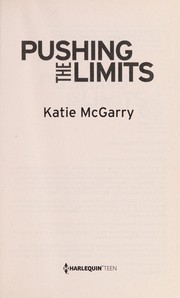
Pushing the Limits
Scarred Echo and foster kid Noah take on tutoring, family secrets, and a custody fight in this 2012 debut about trust after harm.
2,831-word summary · 13 min read

Never Too Far
Blaire flees Rosemary Beach after Rush's lies, then must decide if his pursuit and Nan's exposed schemes earn trust again.
2,626-word summary · 12 min read
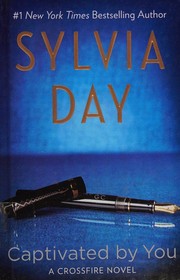
Captivated by You
Eva and Gideon hide a secret Caribbean marriage while planning a Monterey wedding as Gideon arrest, press threats, and Corinne strain test them in Crossfire…
3,016-word summary · 13 min read

Before We Were Strangers
Matt waits fifteen years to ask Grace why she left after one college night that shaped them both.
2,386-word summary · 11 min read

Thoughtless
Kiera follows her boyfriend to Seattle and falls for her roommate, rock singer Kellan Kyle, in a messy love triangle about loyalty and desire.
2,997-word summary · 13 min read
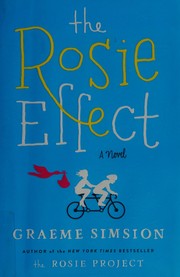
The Rosie Effect
Married in New York, Don Tillman turns Rosie's pregnancy into research and nearly loses her, until a crisis forces him to listen.
2,869-word summary · 13 min read

The Re-Do List
After a public breakup, Willow Lewis redoes her romantic firsts with her brother's best friend while dog-sitting in Des Moines.
2,390-word summary · 11 min read

Catch Her If You Can
Yankees catcher Madden proposes a secret marriage of convenience to burlesque club owner Eve when two kids land on her doorstep.
2,187-word summary · 10 min read