
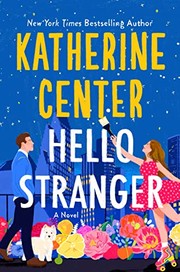
Hello Stranger
2,210-word summary 10 min read
- First published
- 2023
- Publisher
- St. Martin's Press
- ISBN
- 9781250283788
Reading options
What's inside (8 sections)
I came to Hello Stranger straight off The Bodyguard, which I had liked for its humor and its ache around family. I expected another easy romance with a capable heroine. Katherine Center published this one in 2023 with St. Martin's Press, and the premise stopped me. A portrait painter who cannot see faces. That felt almost cruel, the exact worst problem for the exact person who could least afford it. I started it late one night meaning to sample a chapter. I stayed up far past sense, half charmed and half anxious for Sadie.
Sadie Montgomery is barely holding an art career together. She rents a small studio that doubles as her apartment because money is tight. She paints portraits for hire, stretches her own canvases, wipes brushes on her jeans, and reuses jars of medium until they turn cloudy. Her best friend Sue, full name Soo Hyun, keeps her fed and honest. Sue's parents fold Sadie into family meals with extra rice and blunt advice, and their kitchen feels more like home than her own rooms do. Sadie lost her mother years ago. Her father, a surgeon who trusts clear results, never approved of art as a plan. He remarried, giving Sadie a stepmother and a stepsister, Parker, who made school miserable and still knows how to press old bruises.
The break she waits for arrives early. Sadie is named a finalist in a major portrait competition, the kind with money, gallery attention, and a final round asking each painter for a new work in a few weeks. For Sadie it means more than cash. Her mother painted too. Placing well would feel like proof to herself and to her father that she chose right. She celebrates with Sue in a cramped kitchen, already sketching ideas for sitters.
Then medicine cuts in.
Sadie needs surgery for a blood vessel problem in her brain. Doctors call it minor, routine, a short stay. She schedules it before the finals, sure she will recover and paint. The operation goes as planned. Recovery does not. Rooms look fine. Hands look fine. Her older dog Peanut looks fine. But human faces will not resolve. Eyes, noses, mouths sit there in pieces she cannot assemble. She stares at Sue and knows the voice and coat, but the face gives nothing. She tries the mirror and cannot read herself.
Doctors name it acquired prosopagnosia, often called face blindness. In Sadie's case it follows surgery, and the team calls it probably temporary, which comforts and torments because no one gives a date. A neuropsychiatrist runs tests and coaches her to use voice, walk, hair, context. He warns that when one sense fails, other judgments can tilt toward what she already believes.
Sadie Montgomery, portrait artist on the edge
What makes Sadie easy to root for is how physical her work feels. Turpentine in a small room. Paper towels stiff with paint. Studies of a jaw from three angles before she commits. She is not a floating genius. She is a working painter who worries about rent and who saves reference photos in crooked stacks. Her place tells the same story. A futon behind a screen. A hot plate. Finished canvases turned to the wall so visitors cannot judge the wet ones. A door that sticks when it rains.
Sue anchors this stretch. She is direct and funny, the friend who calls a plan bad while helping carry it out. Sadie's father calls with short, practical questions. He loves in the way busy literal people love, by trying to fix the wrong problem.
Parker presses from the side. In school she spread stories that cost Sadie friends and a boyfriend. As adults they orbit the same city art events. Parker is polished and connected, warm to a room and cool to Sadie in a way only Sadie seems to catch. Sadie tries to act unaffected. She is not. That old pattern, where Parker gets believed and Sadie gets doubted, will matter late when Parker casts doubt on Sadie's finals painting.
Small habits keep these chapters alive. Sadie marks paint tubes so she can find colors fast. Peanut is older now, slow on stairs, sighing in sleep. Sadie can still see animal faces clearly, a mercy no one fully explains.
I liked this opening because Center lets Sadie be proud and panicked at once. She wants the competition to change her life. She also knows rent is due whether she wins or not.
Brain surgery and a world without faces
The hospital part stays short, which I appreciated. Sadie jokes with nurses because she does not know what else to do, counts back, wakes sore and thirsty. At first she blames meds for blur. Then she sees the shape of it. Only faces stay scrambled, like features slid out of place.
Coping becomes a crash course. She asks Sue to wear the same bright scarf for a week. She keeps a notebook of markers. Blue coat, slight limp. Tall, loud laugh. It works until it fails, and she hates the misses.
Work turns frightening. How do you paint a finals portrait when you cannot hold a face whole. She works from photos zoomed into parts, then memory, then feeling. Some studies look stiff. She starts to wonder if likeness means more than matching features.
Daily life exhausts her. Crowds drain her. She tells almost no one outside Sue's family. Certainly not the handsome vet she hopes to impress. Certainly not the neighbor she has already decided is trouble.
That secrecy drives much of what follows. It is understandable and, after a while, costly.
A sick dog, a kind vet, and a stepsister named Parker
Peanut pulls her out of hiding. He eats poorly, pants at night, balks at stairs. Sadie maps every change onto the worst outcome, the way pet people do. She rushes him to a nearby emergency clinic and meets Dr. Addison, calm with worried owners and gentle with old dogs. He explains options plainly, writes instructions she can follow when her head spins. When Peanut steadies, Addison asks if he can call her. Not about the dog. About dinner.
She says yes fast, before doubt can speak.
Addison fits the good on paper role. Successful, attentive, comfortable planning quiet dates where Sadie can track him by voice. He texts when he says he will. He does not press when she deflects about work. Dating him feels normal when nothing else does. She can hold his arm in a crowd and let him guide her without explaining why crowds turned hard. She tells herself she will mention face blindness soon. Soon keeps moving.
Parker cuts across this. At an event tied to the contest, Parker charms the room and needles Sadie in passing. Later Sadie hears secondhand versions suggesting she trades on sympathy. Sadie does not confront her at first. Sue wants to fight on the spot. Sadie tries to paint through it.
Clinic comedy helps the stretch breathe. Sadie waves at the wrong staffer in scrubs at pickup. Peanut knows exactly who he likes and leans against Addison's leg.
Joe in the bowling jacket
Joe is the neighbor Sadie decided to dislike fast. He lives in her building, knows everyone, appears with tools and opinions, wears a loud bowling jacket that becomes her lighthouse. Early meetings grate. He teases. She bristles. He helps anyway. Groceries carried when her hands hold canvas and leash. Waiting with her during a lockout. Learning Peanut's name before her schedule, which says plenty.
Because faces fail, the jacket matters. Sadie spots pattern and swagger and voice together. He asks plain questions about painting and offers rides to the clinic and hands to move large canvases. He walks slightly ahead so she can follow without feeling led. He describes people by markers she can use, and he checks that the markers worked instead of assuming.
He talks about his past in pieces. A marriage that ended after betrayal. Years of rebuilding. Work that steadies him. He does not package it as advice. It comes up while keeping company, the way real stories do.
I looked forward to Joe chapters the way Sadie listens for steps in the hall.
That fondness needs balance. Joe pushes and assumes closeness faster than Sadie grants it. Yet his constancy lets her drop performance. With Addison she is careful. With Joe she is tired and funny and annoyed, and he stays.
A love triangle that is not what it looks like
On paper Sadie falls for two men. Addison the vet, steady and polished. Joe the neighbor, rumpled and present. She feels disloyal thinking of Joe while dating Addison. She feels foolish waiting for Joe's tread while liking Addison. She cannot judge by sight. She must judge by behavior over time, which sounds wise until you try it tired and scared about work.
Center plays fair here for a long while. Dates with Addison please. A quiet restaurant where she can hear him. Patience with Peanut, who warms to him fast and watches the door for him after. An offer to sit for practice sketches, generous and a little brave. She tries and struggles, blaming face blindness and nerves. Both are true, and Addison takes the trouble in stride.
Moments with Joe come unplanned and often. He stretches canvas when her hands ache. He sits with Peanut while she naps. Sue watches Sadie listen for that jacket and raises her brows.
The turn, which many readers will catch early, is that Joe and Dr. Oliver Addison are the same man. The vet out of scrubs, in a bowling jacket, reads to her coping brain as a second person. Her system, built on clothes and place, split one man in two.
I guessed it midway, and most readers will. Center does not cheat. Sadie misses it because she sorts by need. Addison is the safe choice she can present. Joe is the daily choice she trusts.
The reveal brings embarrassment and anger, as it should. He did not invent a false identity so much as fail to correct her mistake. Yet letting confusion run was a choice. The book admits he should have spoken sooner.
What redeems the device is how Sadie chooses after. Not by sudden clear sight. By pattern seen whole. Who showed up. Who listened. Who told truth when it cost.
Criticism belongs here. Once known, the device makes the middle sag in memory. The same loop repeats. Sadie feels guilty, Sue teases, Joe appears on cue. Two cycles would have sufficed.
The father story and learning to see clearly
Under romance sits the older wound. Sadie's father loved her mother, lost her, and never learned how to parent a grieving daughter bent on pictures. He talks in practical terms. Stable job. Insurance. Paint on weekends. Sadie hears rejection inside advice that may partly be fear. He watched illness take his wife. He watched his daughter head for brain surgery with a calm he found reckless. Their drift came from missed calls, not slammed doors.
The contest forces contact. Sadie needs a sitter with weight. She circles to family. Painting her father becomes the only project strong enough to carry her through limits.
Parker uses this stretch. She hints Sadie plans a dodge to excuse weak likeness. What steadies Sadie is witness. Augusta Ross, an older painter Sadie once helped in a coffee shop, speaks plainly about dates, studies, effort.
The father chapters ache most. Sadie learns fuller details about her mother's last days that complicate the clean story she grew up with. It does not excuse distance, but it explains some. Forgiveness comes in small moves. Answer the phone. Accept a ride. Let him sit without performing success.
Their best scene is quiet. He visits the studio and looks long at the work, moving slowly past pinned studies. He asks how she paints eyes when she cannot hold faces whole. She shows rows of studies and explains which ones felt close. He asks to sit a while. She lets him, and the room feels less tight than before.
The finals painting follows. Sadie stops chasing photographic match and paints what she knows by time and touch. The canvas turns more abstract than her usual work, built from close study of parts and memory of feeling. Judges respond to its force. Exact placement matters less than that she finishes something true under constraint, after weeks when quitting would have been simpler.
Parker gets a late human beat that almost lands. We glimpse childhood insecurity behind the cruelty. It arrives briefly and late. Sadie forgives quicker than I expected, though it fits her arc of rechecking first views.
I closed thinking about how Center handles the condition without making it a trick. Sadie's blindness costs work time, embarrasses her, tires her. It also trains attention to voice, habit, kindness kept up for weeks. I wished the middle tighter and Parker fuller, and I caught the reveal early. I still felt a sting at the rooftop gathering near the end, when Sadie stands in a crowd she cannot parse by sight and feels unafraid for the first time in months. She knows who is there. Not by faces. By care practiced daily.
FAQ
What is Hello Stranger about?
Sadie Montgomery, a portrait finalist, develops face blindness after brain surgery and must finish a competition painting while dating vet Dr. Addison and leaning on neighbor Joe.
Are Joe and Dr. Addison separate people?
No. Joe and Dr. Oliver Addison are the same man. Sadie files him as two people because face blindness forces her to rely on clothes and setting.
When was Hello Stranger published?
It was published in 2023 by St. Martin's Press. It is a standalone contemporary romance, not part of a series.
Similar books
Shopaholic and Sister
Becky Brandon returns from a ten-month honeymoon to meet the half-sister she always wanted, then discovers that Jess is thrifty, prickly, and nothing like the…
2,591-word summary · 12 min read
One to Watch
A plus-size fashion blogger takes the lead role on a reality dating show to prove she belongs on television, and finds she might want what the cameras offer.
2,478-word summary · 11 min read

Marriage for One
Rose marries a cold lawyer to save her coffee shop, then discovers the arrangement was never only business.
2,032-word summary · 9 min read
Bridget Jones: The Edge of Reason
Bridget doubts Mark, takes a job with Daniel, and lands in trouble in Thailand.
2,198-word summary · 10 min read

The Coincidence of Callie & Kayden
Callie saved Kayden in an alley and meets him again in college, where both must face assault and abuse to learn trust.
2,578-word summary · 11 min read
Playing for Keeps
Childhood neighbors Haley and Jason turn a long prank war into a fake relationship that turns real.
2,571-word summary · 11 min read

Love Redesigned
Rival designers Dahlia and Julian restore a Lake Wisteria Victorian while facing grief, family pressure, and old sparks.
2,248-word summary · 10 min read

Tangled
Told by a cocky businessman, a bet to win the new associate who rejects him turns into real pursuit, strict rules, a painful reveal and a wedding-level happy…
2,868-word summary · 13 min read
The Roommate
Uptight Clara shares a flat with porn star Josh and teams up to build ethical adult films for women.
2,362-word summary · 10 min read
The Proposal
Nik says no to a stadium proposal and rebounds with Carlos in flirty LA romance.
2,044-word summary · 9 min read
Before We Were Strangers
Matt waits fifteen years to ask Grace why she left after one college night that shaped them both.
2,386-word summary · 11 min read
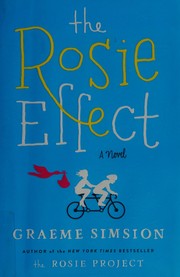
The Rosie Effect
Married in New York, Don Tillman turns Rosie's pregnancy into research and nearly loses her, until a crisis forces him to listen.
2,869-word summary · 13 min read

The Re-Do List
After a public breakup, Willow Lewis redoes her romantic firsts with her brother's best friend while dog-sitting in Des Moines.
2,390-word summary · 11 min read
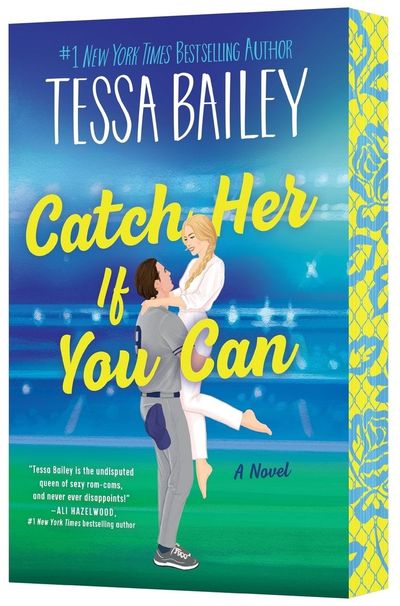
Catch Her If You Can
Yankees catcher Madden proposes a secret marriage of convenience to burlesque club owner Eve when two kids land on her doorstep.
2,187-word summary · 10 min read
Josh and Hazel's Guide to Not Dating
Quirky teacher Hazel and steady Josh set each other up on awful double dates in Portland while insisting they are just friends.
2,854-word summary · 13 min read
Wallbanger
Caroline battles thin walls and a charming playboy neighbor in San Francisco, then falls for him.
1,947-word summary · 9 min read
The Soulmate Equation
Statistician Jess matches a genetics grump at top score ever, then tests dating by data.
2,006-word summary · 9 min read
The Flatshare
Two strangers share one bed on opposite shifts and fall in love through notes left around the flat.
2,793-word summary · 12 min read
The Rosie Project
Melbourne genetics professor Don Tillman launches the Wife Project to find a partner by questionnaire, then meets chaotic Rosie Jarman and agrees to help her…
2,780-word summary · 12 min read
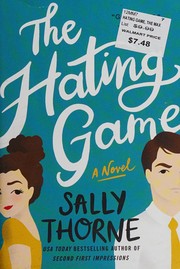
The Hating Game
Two executive assistants share an office, a rivalry, and a promotion neither will concede without a fight.
1,945-word summary · 9 min read
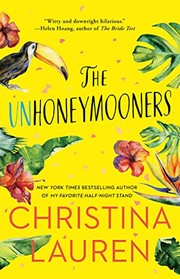
The Unhoneymooners
Olive Torres takes her sister's Hawaii honeymoon with enemy Ethan Thomas after food poisoning ruins the wedding.
2,864-word summary · 13 min read

The Love Hypothesis
Love Hypothesis retold: Olive fakes dating Adam, lab hijinks, consent talks, Boston fall.
2,009-word summary · 9 min read
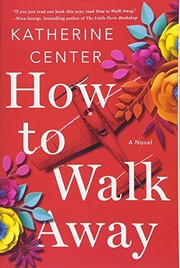
How to Walk Away
Margaret Jacobsen has the job, the fiance, and the future mapped out, until a small-plane crash on Valentine's Day takes almost all of it in one afternoon.
2,012-word summary · 9 min read
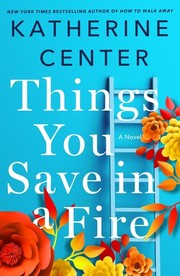
Things You Save in a Fire
A Texas firefighter takes a job at an old Boston-area firehouse and moves in with her estranged mother while facing hazing, old trauma, and love.
2,967-word summary · 13 min read

The Bodyguard
Hannah Brooks, an executive protection agent grieving her mother, poses as movie star Jack Stapleton's girlfriend on his Texas family ranch.
3,962-word summary · 18 min read

What Happened to Goodbye
Mclean has reinvented herself in four towns since her parents divorced. In Lakeview she uses her real name, and for the first time staying put becomes a choice.
2,796-word summary · 12 min read

Size 12 Is Not Fat
Former teen pop star Heather Wells investigates two dorm elevator deaths while juggling her ex, her crush, and a size-12 wardrobe.
2,805-word summary · 12 min read

Austenland
A New York graphic designer obsessed with Mr. Darcy inherits a trip to a Jane Austen theme park, where the fantasy of Regency romance collides with the men…
2,030-word summary · 9 min read
Alone With You in the Ether
Two people in Chicago agree to six conversations, and the experiment becomes a love affair that is also a study of bipolar disorder, obsession, and the shape…
2,713-word summary · 12 min read