

Bridget Jones: The Edge of Reason
2,198-word summary 10 min read 422 pages in the book
- First published
- 1999
- Publisher
- Picador
- Pages
- 422
- ISBN
- 9780330367349
- Series
- Bridget Jones (#2)
Reading options
What's inside (8 sections)
I reread Bridget Jones: The Edge of Reason on a weekend when I wanted company more than plot, and Bridget still feels like a friend who texts too much. First published in 1999 by Picador at 422 pages in hardcover, it is book two in the Bridget Jones series, after Bridget Jones's Diary. Bridget is now with Mark Darcy, the human rights lawyer in reindeer jumpers, and she should be happy. She is, mostly, except jealousy, work, parents, and Daniel Cleaver keep getting in the way. I laughed, winced, and forgave her a lot.
Bridget narrates in diary entries with dates, weights, cigarettes, alcohol units, and resolutions. I am still v. together with Mark. I will not obsess about Rebecca. I will be professional with Daniel. She breaks each within pages, which is the joke and the warmth. Her voice is chatty, self lacerating, kind. She counts things to control anxiety, then life spills. Anyone who ever tracked habits while falling apart will recognize her.
Mark and Bridget try coupledom. Dinners with his colleagues, weekends with her friends, questions about marriage that neither answers well. Mark is decent, reserved, good in crises, bad at small reassurance. Bridget is warm, impulsive, quick to assume the worst. When Mark's young colleague Rebecca appears, pretty, clever, always around, Bridget spirals. She overhears phone messages, dissects them with Jude and Shazzer, confronts Mark who refuses to dignify the question. She breaks up with him rather than sit with doubt. It is frustrating and human. Trust is hard when you waited so long to be chosen.
Work gives Bridget a lifeline and a trap. She does morning TV, Sit Up Britain, with gaffes that go viral before viral existed. Falling in fountains, mispronouncing, interviewing Colin Firth about himself while thinking of Darcy. Her boss offers a travel series with Daniel Cleaver, her ex, charming, lying, gorgeous in a suit. She says Daniel is a deceitful specimen, then accepts because money and adventure tempt. Friends warn. She goes. Daniel flirts, she wobbles, but sees clearer now. He has not changed. Ordering a prostitute in Thailand while courting her proves it. That clarity matters. First book Bridget might have excused. Second book Bridget leaves the room.
Thailand
The Thailand section is farce with teeth. Bridget travels with Shazzer and Daniel to film. She eats mushrooms by mistake, flirts, regrets, finds Daniel's true colors again. Shazzer has a fling with young Jed, who gives a snake bowl as a gift. The bowl ends up in Bridget's bag with cocaine inside. Airport dogs find it. Bridget is arrested and jailed with dozens of Thai women in a hot cell.
Fielding handles this without cruelty. Bridget is scared, then practical. She shares advice, teaches inmates to sing Like a Virgin, befriends rather than pities. The scenes are funny about Madonna and bras, serious about fear. Mark flies out, secures Jed, proves her innocence, but leaves thinking she slept with Daniel. Bridget does not correct his assumption at first, pride and hurt mixing. Back in London, Mark fights Daniel in a fountain and tells him to marry her if obsessed. That fight, wet suits and shouting, is silly and romantic in the way these books earn.
Rebecca resolves with a twist I will not spoil fully, except that assumptions about rivals often miss truth. Bridget learns to ask, not snoop. Mark learns to say love plainly, not in legal Latin. They end engaged after her parents' vow renewal, Bridget catching the bouquet. It is neat, but Fielding lets flaws stay. Bridget still smokes, still counts, still misreads. Mark still shuts down. Love does not fix them. It makes room.
Parents and friends
Bridget's parents give parallel comedy. Her mum runs for office, reinvents herself, embarrasses and inspires. Her dad is steady, dry, loving. Their vow renewal anchors the end, showing long marriage with cracks and care. It mirrors Bridget and Mark. No one gets perfect. People renew and try again.
Jude and Shazzer are more than sidekicks. Jude navigates a tricky boyfriend, Shazzer rants about men with politics that are sharp and funny. They give bad and good advice in equal measure. Dissecting answerphone messages over wine, they are both right and wrong about Mark. Their friendship holds Bridget when romance wobbles. Tom, gay friend, adds fashion and sense. These brunches and calls are the book's heart. Single in the city, but not alone.
Persuasion parallels run underneath. Fielding borrows from Austen openly. Rebecca diving and hurting foot echoes Louisa. Darcy rescuing Bridget from a climbing boy echoes Wentworth. A poetry reading where Mark overhears Bridget on constancy leads to a secret note, like Wentworth's letter. If you know Persuasion, you will smile. If not, story still works. Bridget meeting Colin Firth, who plays Darcy on screen, is a joke about adaptation that never gets old. She interviews her boyfriend's actor while dating the character. Meta before meta was tired.
What works and what creaks
What works is voice and observation. Office humiliation, family lunches, weight and smoking tallies that satirize self improvement without shaming. Bridget wants to be better without hating herself. That balance made her iconic. Fielding writes jokes that land because they come from anxiety we know. Misheard instructions, wrong outfits, saying the wrong thing to impress. I dog eared lines about trying to be cool at a law dinner and failing. Anyone who ever tried too hard at a partner's work event will feel seen.
Thailand still entertains but creaks a little now. A white woman jailed abroad as comedy of errors reads differently after years of real stories like Sandra Gregory's, which Fielding reportedly knew. Fielding treats inmates with respect, and Bridget learns, but the setup relies on drugs in a bag and a rescue by a British lawyer. It moves fast enough to avoid dwelling, yet modern readers may pause. I did, then kept going because Bridget's fear feels real and she does not play savior. She sings with women, not for them.
Jealousy plot also repeats. Bridget misreads, breaks up, regrets. First book did similar with Daniel. Second book does it with Rebecca. If you want growth, you may sigh. I saw growth in degree, not kind. She leaves Daniel faster. She apologizes sooner. She asks Mark for another chance directly at his chambers instead of waiting. Small steps, but steps. At 422 pages, some middle diary entries circle. Work mishaps, mum calls, weight ups and downs. Fans enjoy the rhythm. Others may skim to Thailand.
Language is frank about sex and drink, but not explicit for pages. Swearing moderate. Good for adults, older teens with context. No one is punished for enjoying. The book loves food, wine, cigarettes, friends. Health tallies mock diet culture more than bodies. That feels kind now, even if numbers date it.
Who should read it
Read it if you loved Bridget Jones's Diary and want more, if you like romantic comedy with diaries, if you like Austen riffs. Read it with tea and no judgment. It pairs with the film, but the book is sharper and sadder in places. The prison chapters especially hit harder on page.
Skip it if you need tidy feminism or dislike jealousy plots. Bridget is a product of nineties magazines and worries about appearance a lot. She also works, pays rent, keeps friends, forgives. You have to take both. Skip if you want Mark to be perfect. He is not. He withholds, he storms, he assumes. The book knows and still roots for him because he shows up in Thailand and does the work to free her without asking for credit first.
For me, the image that stays is Bridget in a Thai cell, teaching dance steps to women who share water and stories, scared but not alone. Then later, at Heathrow, greeted as a celebrity she never sought, wanting only Mark's plain words. Fame fades. The diary remains. She writes weight and units and love, trying to be reasonable at the edge of reason. That trying, funny and flawed, is why 422 pages fly. I closed it fond of her, fond of Mark in his wet shirt, fond of friends who dissect messages too long. Not perfect people, but people who keep trying to be kind while being ridiculous. That is enough to keep me reading Bridget whenever I need to remember that coupledom is not arrival. It is daily, awkward, ongoing work, best faced with friends, humor, and a diary that forgives.
Diaries and counting
I want to say more about the diary form, because it does heavy lifting. Dates, weights, cigarettes, alcohol units, positive thoughts. Lists give Bridget control when feelings swirl. I will not call Rebecca. I will be mature about Daniel. Then she does opposite and records it honestly. That honesty makes her lovable. She does not edit to look good. She writes I ate three cakes and called Mark six times. Readers forgive because she confesses fast. The form also speeds comedy. Short entries, time jumps, punch lines as resolutions. A bad day fits in five lines. A good day gets exclamation marks.
Counting also satirizes nineties women's magazines that Bridget reads and mocks and follows. How to get a boyfriend in ten steps. What men want. Calories as morality. Fielding knows these rules are silly and shows Bridget half believing them anyway. She wants to be feminist and thin and chill. She fails at chill most. That failure feels human, not anti feminist. She works, she pays, she chooses. She also worries if her bum looks big in photos. Both can be true. The book lets her hold contradictions without punishing. That generosity is why many women kept diaries like hers. Seeing your own tallies in print made you less alone.
The entries about work show growth. In Diary one, Bridget drifted in publishing. Here she does TV, live, scary, public. She falls, mispronounces, interviews badly, yet keeps showing up. Her boss is sexist but she navigates. She prepares questions, she listens, she recovers after gaffes. When offered travel with Daniel, she weighs money and risk like an adult with rent. She goes, not just for adventure, but to advance. That professionalism often gets missed because comedy highlights falls. I noticed and liked it. Bridget is competent at connecting with ordinary people on camera. That skill later helps in a Thai cell. She talks to anyone.
Mark, Daniel, and choosing
Mark Darcy versus Daniel Cleaver is more than team picking. Mark is constancy, law, reserve, showing up with action not flowers. He tracks Jed across countries to free Bridget, then leaves without demanding thanks. He says love late and plainly. Daniel is charm, wit, danger, always performing. He quotes poetry in Thailand, orders prostitutes after, abandons when trouble comes. Bridget's choice is between being adored as audience and being loved as partner. First book she learned Daniel performs. Second book she learns Mark acts. That difference matters. Words versus deeds.
Rebecca as rival sharpens this. Young, brilliant, solicitous with Mark at work. Bridget assumes affair because insecurity plus evidence of late calls. Friends feed it. Persuasion parallels help here. Like Anne Elliot, Bridget is persuaded by friends to break rather than trust. She overhears, misreads, acts fast. Mark's refusal to dignify the question sounds noble but hurts. He thinks privacy is respect. She hears dismissal. Both need to learn plain speech. He must say, nothing happened, I love you, here is proof. She must ask before deciding. They get there by the end, in chambers, with a proposal that is awkward and sincere. Not grand, just clear. I preferred that to fountain fights. Clear beats grand.
Daniel's final exit also satisfies. After abandoning Bridget in Thailand, he swears off when Mark confronts him. If obsessed, marry her, he says. Mark takes it as dare. Daniel loses because he cannot stay when boring or hard. That pattern will repeat in later books with other women. Here Bridget sees it fully. She does not hate him. She pities and releases. That release is growth. First love as teacher, not destiny.
Parents mirror this choice. Mum chooses Dad again after reinvention, vow renewal with chaos and love. Dad chooses Mum knowing she is much. Their renewal is messy, with community hall and bad music and genuine tears. Bridget catching the bouquet is corny and perfect. Cycles continue, but kinder. Families, like couples, renew by choosing again after knowing worse. Fielding believes in second chances without pretending fresh starts erase. That belief warmed me more this reread than jokes. People can retry and do slightly better. Slightly is enough.
If you watch films after, know books are sharper about class and work. Bridget's flat, commute, money worries feel real. Mark's privilege shows without villainy. Daniel's exploitation shows without cartoon. London in 1999, pre crash, pre phone, with answer machines and diaries, feels both dated and close. We still count, compare, misread texts now. Devices changed. Anxiety did not. That is why Bridget lasts. She wrote down what many felt but hid. At the edge of reason, she chose kindness and humor over cool. I will take that any day.
FAQ
When was The Edge of Reason published?
It was first published in 1999 by Picador at 422 pages. It is book two in the Bridget Jones series.
What happens?
Bridget stays with Mark Darcy but jealousy over Rebecca, work with Daniel Cleaver, and a Thai jail test them.
Similar books
More from Bridget Jones first, then related titles.

Bridget Jones's Diary
Thirty-something Bridget Jones logs calories, cigarettes and bad dates in London while torn between Daniel Cleaver and Mark Darcy.
2,293-word summary · 10 min read
Shopaholic and Sister
Becky Brandon returns from a ten-month honeymoon to meet the half-sister she always wanted, then discovers that Jess is thrifty, prickly, and nothing like the…
2,591-word summary · 12 min read
Mr. Maybe
Libby Mason wants a rich husband, but the wealthy man who proposes is dull and the broke writer she cannot forget is not offering forever.
2,322-word summary · 10 min read
Jemima J
Overweight London journalist Jemima Jones invents a slim online self for a California lover, starves to match the photo, then faces betrayal and learns to…
2,883-word summary · 13 min read

Size 12 Is Not Fat
Former teen pop star Heather Wells investigates two dorm elevator deaths while juggling her ex, her crush, and a size-12 wardrobe.
2,805-word summary · 12 min read
Wedding Night
Lottie marries an old flame days after a breakup, then flies to a Greek island while her sister quietly works to sabotage the honeymoon. A farce about memory,…
2,213-word summary · 10 min read
Shopaholic Ties the Knot
Becky Bloomwood plans two weddings at once while debts pile up and Luke's mother interferes.
2,218-word summary · 10 min read

Tangled
Told by a cocky businessman, a bet to win the new associate who rejects him turns into real pursuit, strict rules, a painful reveal and a wedding-level happy…
2,868-word summary · 13 min read
Ghosts
At 32, food writer Nina Dean faces ghosting by Max and her father's dementia in London.
2,677-word summary · 12 min read
Shopaholic and Baby
Pregnant Becky shops for the perfect nursery while Luke's ex becomes her obstetrician.
2,247-word summary · 10 min read
My Not So Perfect Life
Katie chases London creative life while her perfect boss Demeter hides cracks, until a farm trip flips roles.
2,300-word summary · 10 min read
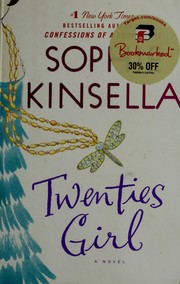
Twenties Girl
Dumped and flailing, Lara Lington is haunted by her great-aunt Sadie, a 1920s ghost who wants her lost necklace back.
2,938-word summary · 13 min read

The Undomestic Goddess
A burned out London lawyer flees a career mistake and takes a housekeeper job she cannot do.
2,943-word summary · 13 min read
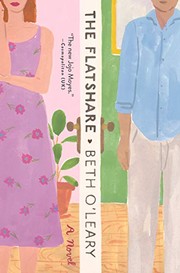
The Flatshare
Two strangers share one bed on opposite shifts and fall in love through notes left around the flat.
2,793-word summary · 12 min read
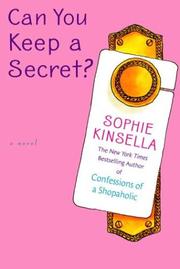
Can You Keep a Secret?
Emma blurts every secret to a stranger on a turbulent flight, then finds him running her company.
3,114-word summary · 14 min read
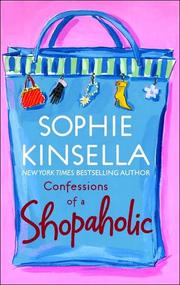
Confessions of a Shopaholic
Becky Bloomwood hides maxed cards while chasing a finance writing job.
1,910-word summary · 8 min read
Austenland
A New York graphic designer obsessed with Mr. Darcy inherits a trip to a Jane Austen theme park, where the fantasy of Regency romance collides with the men…
2,030-word summary · 9 min read
Bet Me
A sharp actuary agrees to dinner with a charming serial bettor, then spends the next month pretending the wager does not matter.
2,710-word summary · 12 min read
This Time Next Year
Two women give birth minutes apart on New Year's Day 1990, and one takes the other's lucky name. Thirty years on, their children meet again.
2,194-word summary · 10 min read
Eligible
Austen's Bennet sisters move to modern Cincinnati, where marriage is a reality show and the house is losing its value.
2,293-word summary · 10 min read

Big Swiss
A transcriptionist for a sex coach falls for one of his clients, the tall Swiss gynecologist she calls Big Swiss, in a funny novel about work and secrets.
2,523-word summary · 11 min read

Dash & Lily's Book of Dares
Two lonely New York teenagers trade dares in a red notebook left at the Strand, falling for each other on the page before they meet.
2,228-word summary · 10 min read
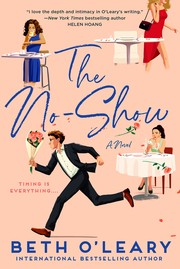
The No-Show
Three women are stood up on Valentine's Day by the same man, but the timeline is not what it seems. O'Leary's warmest book with a knife in it.
2,127-word summary · 9 min read
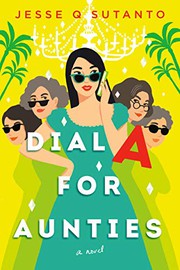
Dial A for Aunties
A wedding photographer accidentally kills her blind date, and her mother and three aunties help her hide the body during the biggest wedding of their careers.
2,076-word summary · 9 min read
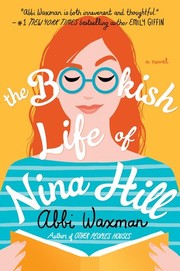
The Bookish Life of Nina Hill
Bookstore Nina gains a family and pub-quiz love in Los Angeles.
2,399-word summary · 11 min read

Playing for Keeps
Childhood neighbors Haley and Jason turn a long prank war into a fake relationship that turns real.
2,571-word summary · 11 min read

Hello Stranger
Portrait artist Sadie loses face recognition after brain surgery and must finish a contest piece while falling for two men.
2,210-word summary · 10 min read
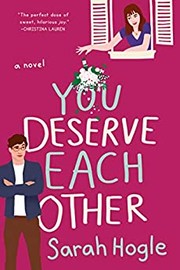
You Deserve Each Other
Engaged and miserable, Naomi and Nicholas wage a prank war to force a breakup, then face money, mothers, and truth in Sarah Hogle's funny romance with a tender…
2,415-word summary · 11 min read
The Bromance Book Club
A Nashville pitcher joins a secret romance book club to save his marriage after his wife Thea asks for divorce. He trades pride for listening, chores, and…
2,932-word summary · 13 min read

The Roommate
Uptight Clara shares a flat with porn star Josh and teams up to build ethical adult films for women.
2,362-word summary · 10 min read