
Shopaholic Ties the Knot
2,218-word summary 10 min read 336 pages in the book
- First published
- 2002
- Publisher
- Dial Press
- Pages
- 336
- ISBN
- 9780385336178
- Series
- Shopaholic (#3)
Reading options
What's inside (9 sections)
I picked this one up because I wanted something light after two heavy novels in a row, and I remembered Becky Bloomwood as the kind of narrator who makes a train ride pass fast. What surprised me on this reread was how much of the book is not about shopping at all. It is about trying to please two families at once and learning that saying yes to everyone is its own kind of debt. First published in 2002, and in the Dial Press edition at 336 pages, it is third in the Shopaholic series after Confessions of a Shopaholic and Shopaholic Takes Manhattan.
Becky is engaged to Luke Brandon by the first pages, and she is floating. Luke is steady, kind in his reserved way, and busy with his PR firm. Becky works in personal finance journalism, which is still funny because she cannot manage her own cards. That gap between her job and her habits drives most of the early jokes, but here the jokes turn more anxious. She wants a wedding that feels like her, and she also wants her mother to be happy, and Luke's mother to approve, and Suze to be part of it, and work not to fall apart. She agrees too fast and thinks she can fix the details later.
A proposal and two mothers
The engagement itself is sweet. Luke proposes without a big stunt, and Becky says yes before she has thought about venues or lists. Her parents, Graham and Jane Bloomwood, are warm and a little eccentric. They imagine a garden style wedding at home in England, with neighbors helping and food that tastes like home. They do not have much money, but they have time and love to give.
Elinor Brandon, Luke's mother, is the opposite force. She is rich, controlled, and used to getting her way through planners and checks. She offers the Plaza in New York, a famous room, flowers that cost more than Becky's rent, and a guest list full of business contacts. Becky feels small around her, and also tempted. Who would not be tempted by a Plaza wedding when someone else pays?
Becky does what Becky always does when she feels pulled. She stalls, smiles, and agrees twice. She tells her parents she wants the home wedding. She tells Elinor she wants the Plaza wedding. For a while she runs both plans in secret, with separate folders and separate lies about dates. It reads as comedy, and some of it is very funny, but it also made me uneasy in a good way. You can see the crash coming from a long way off.
Suze Cleath-Stuart, Becky's best friend, sees through it first. Suze is blunt, loyal, and now dealing with her own married life with Tarquin. She tells Becky she cannot have both, and Becky nods and then keeps both. That friendship feels real to me because Suze does not walk away. She gets angry, she pulls back, and then she shows up when it counts.
The Plaza plan grows teeth
The New York plan takes over fast. Elinor hires people who speak in calm voices and move dates and menus without asking Becky what she likes. Tastings happen without her. A dress is chosen for her that is elegant and cold and nothing like her. Becky tries to speak up and gets smoothed over with phrases about what is best.
Luke is mostly absent in this stretch, and that absence matters. He is trying to keep his business stable after the pressures of the last book, and he trusts his mother to handle things. He tells Becky it will be fine, which is the least helpful thing a tired partner can say. They love each other, that is clear, but they are not talking about money, time, or what marriage should feel like. They talk about seating charts.
Becky's spending returns here, though in a different shape. She is not buying armfuls of clothes for fun. She buys wedding things she does not need because each purchase feels like progress. A veil here, shoes there, gifts for bridesmaids who are barely confirmed. Her bank letters pile up. She hides statements, moves money between accounts, and tells herself a freelance check will cover it. It will not, and she knows it.
Work gives her some grounding. She has to write clear advice about budgets while ignoring her own. Kinsella uses those scenes well. Becky interviews planners and writes about hidden wedding costs, and each article sounds like a warning she refuses to take. I liked those pages because they show Becky is smart. She is not clueless. She is avoidant, which is different and harder to fix.
The home plan frays
Back in England, the garden wedding grows in its own way. Jane Bloomwood wants to make the cake. Neighbors offer chairs and tables. Becky's dad tries to keep costs down with lists and phone calls. It should be simple, but Becky keeps adding touches she saw in magazines. She wants fairy lights, a string quartet for an hour, special favors. Each item is small. Together they break the budget her parents set.
The lies get harder to track. Dates overlap. Friends are told different stories. Suze is asked to be involved in a wedding that keeps shifting shape, and she finally says she feels used. That fight hurt to read because both sides have a point. Suze is right that Becky is lying. Becky is right that she feels torn and does not know how to disappoint her mum.
There is a good scene where Becky visits home and sees how much her parents have already done. Her mum has kept fabric samples. Her dad has cleared part of the garden. The guilt sits heavy, and Becky almost tells the truth. Then her phone rings with a Plaza update, and she steps outside to take it, and the moment passes. Kinsella repeats that move a few times, and it works because it feels like real avoidance rather than a plot trick.
Luke starts to notice the strain, but he reads it as normal wedding stress. He buys Becky a thoughtful gift and plans a quiet night that gets ruined by a planner calling late. He gets short with her, then sorry. Their talks are brief and tired. You want to shake them both and tell them to take a weekend with phones off, but the book needs them tired so the break lands harder.
Money, work, and the old habits
About halfway through, the money plot sharpens. Becky's cards are close to limits. A payment bounces. She takes extra work she does not have time for and does it badly. Her editor notices. A colleague covers for her once, then stops offering.
I appreciated that Kinsella does not let Becky off with a lucky win. There is no contest prize or surprise check that erases the debt. Becky has to call the bank, ask for a plan, and tell Luke part of the truth about spending. Those calls are written with shaky humor. She rehearses lines, writes numbers on her hand, and still stumbles. It felt honest about how shame makes simple admin hard.
Luke's reaction is better than I remembered. He does not rescue her with cash and a lecture. He is frustrated, then practical. He asks to see the real numbers, and they make a list together. It is not romantic in the movie sense. It is two people looking at a statement and deciding what to cut. For a series built on shopping jokes, that quiet scene carries weight.
Elinor keeps pressing. She frames every choice as taste versus embarrassment. If Becky picks the cheaper flowers, Elinor warns about photos. If Becky wants a friend to do makeup, Elinor mentions standards. Becky starts to copy Elinor's language without noticing, telling her mum that certain home ideas look small. Jane hears it and goes quiet, and that quiet is worse than shouting.
Suze draws a line
Suze and Becky's fight is the emotional center for me. Suze has been the fun sidekick, but here she acts like a sister. She tells Becky she is lying to kind people who do not deserve it. Becky fires back that Suze does not understand pressure from a future mother in law with money and power.
They avoid each other for a stretch, and Becky feels the gap in small ways. No late calls. No quick texts about dresses. She realizes how much she leans on Suze to test ideas. When they do talk, it is not a big speech. Suze helps with a practical task and says she misses her friend. Becky apologizes without excuses, which is new for her.
Tarquin drifts through these chapters with gentle humor. He offers a room to store boxes, drives Becky to an appointment, and says little. His calm helps because everyone else is loud. Danny, Becky's friend from fashion, pops in with sharp comments about the Plaza dress. He says it looks expensive and bored, which is exactly right and makes Becky laugh when she needs it.
Work improves when Becky stops lying there too. She writes a piece about saying no to wedding upsells, and it is good because she has lived it. Her editor praises the draft, and Becky feels a clean kind of pride that shopping never gave her. It is a small win, but the book treats it as important, which I liked.
The crash and the choice
The double plan cannot hold, and it falls apart in public in a way that embarrasses everyone Becky wanted to protect. Invitations cross. Dates leak. Her parents learn about the Plaza. Elinor learns about the garden. Luke learns how deep the money and planning lies go.
The confrontation scenes are uncomfortable on purpose. Graham Bloomwood is hurt rather than angry, which lands harder. Jane cries and then gets practical about what can be saved. Elinor is cold and precise, and for once Becky does not shrink. She says she agreed because she was scared to disappoint powerful people, and that includes Elinor. It is not a triumphant speech. It shakes.
Luke and Becky have the talk they should have had months earlier. He admits he left her alone with his mother because work felt easier than conflict at home. She admits she spent and lied because admitting limits felt like failing. They do not fix everything in one night. They cancel and shrink and choose.
I will not spoil the exact shape of the final ceremony, but the choice favors meaning over show. The book keeps some sparkle. There is still a dress Becky loves, food that tastes good, and friends who show up. What changes is who decides. Becky picks, Luke backs her, and both mothers are asked to respect the limit. Elinor does not transform into a warm hug, which is honest. She steps back a little, and that is enough for now.
The money ending is also modest. Becky does not become frugal overnight. She sets up payments, returns extras, and takes a hard look at work. The last shopping joke lands softer because she catches herself. Growth, not cure.
What works and what drags
The strengths are voice and pacing in the middle third. Becky's narration is fast, funny, and specific about small humiliations like hiding a receipt in a shoe or smiling through a tasting she hates. The wedding industry details feel researched without reading like notes. Prices, contracts, alteration fees, and family politics mix in a way that feels true.
The fair criticism is that Becky repeats the same mistake too long. Agreeing to two weddings is funny for a hundred pages, then stressful. Some readers will want her to confess earlier, and I felt that drag around the two thirds mark. Elinor can also feel single note. She is control and money with little softness until very late, so scenes with her follow one beat.
Luke fades more than I liked. He is kind, but his work plot stays vague. We hear about pressure and clients without seeing enough to care. That makes his absence feel like a device rather than a real bind, even though tired partners do go quiet in real life.
Still, the book earns its place as third in the Shopaholic run. It moves Becky from wanting everything to choosing something. The London jokes, the parents, Suze, and the Plaza excess give it color, but the marriage question gives it shape. If you liked the first two for the humor, this one keeps it while asking Becky to act older. If you dislike repeat spending spirals, the middle may test you. I found the last eighty pages warm enough to forgive the loop, because the fix comes from talks and lists rather than luck.
For series order, read Confessions of a Shopaholic first, then Shopaholic Takes Manhattan, then this. You could start here, Kinsella catches you up fast, but the weight of Luke's mother and Becky's debts lands better if you saw them build. At 336 pages in the Dial Press paperback, it moves quickly despite the repetition, and the final choice feels like Becky at her best: funny, flawed, and finally direct.
FAQ
When was Shopaholic Ties the Knot published?
Sophie Kinsella published Shopaholic Ties the Knot in 2002 with Black Swan. The Dial Press US edition runs 336 pages and is third in the Shopaholic series.
Is it part of a series?
Yes. It follows Confessions of a Shopaholic and Shopaholic Takes Manhattan. Becky and Luke get engaged here and marry amid two competing ceremonies.
Similar books
More from Shopaholic first, then related titles.
Confessions of a Shopaholic
Becky Bloomwood hides maxed cards while chasing a finance writing job.
1,910-word summary · 8 min read
Shopaholic Takes Manhattan
Becky and Luke move to New York where shopping fame tempts her to ruin both.
2,025-word summary · 9 min read

Shopaholic and Sister
Becky Brandon returns from a ten-month honeymoon to meet the half-sister she always wanted, then discovers that Jess is thrifty, prickly, and nothing like the…
2,591-word summary · 12 min read
Shopaholic and Baby
Pregnant Becky shops for the perfect nursery while Luke's ex becomes her obstetrician.
2,247-word summary · 10 min read
My Not So Perfect Life
Katie chases London creative life while her perfect boss Demeter hides cracks, until a farm trip flips roles.
2,300-word summary · 10 min read
The Undomestic Goddess
A burned out London lawyer flees a career mistake and takes a housekeeper job she cannot do.
2,943-word summary · 13 min read

Bridget Jones: The Edge of Reason
Bridget doubts Mark, takes a job with Daniel, and lands in trouble in Thailand.
2,198-word summary · 10 min read
Remember Me?
Lexi wakes after an accident missing three years, with a polished new life and a husband she does not recall, and must work out which parts she wants to keep.
2,390-word summary · 11 min read
I've Got Your Number
Bride to be Poppy borrows stranger Sam phone and snoops wedding chaos.
2,078-word summary · 9 min read

Devil in Winter
A shy heiress with a stammer proposes a marriage of convenience to London's most notorious rake, then makes him prove he can be faithful.
2,548-word summary · 11 min read
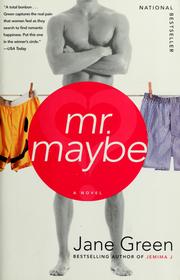
Mr. Maybe
Libby Mason wants a rich husband, but the wealthy man who proposes is dull and the broke writer she cannot forget is not offering forever.
2,322-word summary · 10 min read
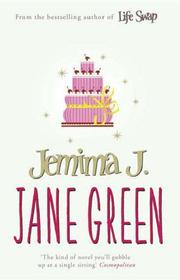
Jemima J
Overweight London journalist Jemima Jones invents a slim online self for a California lover, starves to match the photo, then faces betrayal and learns to…
2,883-word summary · 13 min read
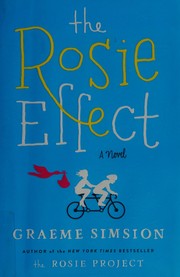
The Rosie Effect
Married in New York, Don Tillman turns Rosie's pregnancy into research and nearly loses her, until a crisis forces him to listen.
2,869-word summary · 13 min read
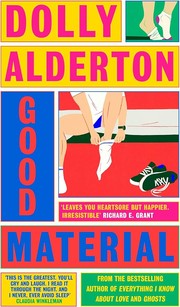
Good Material
A struggling comic replays his breakup with Jen while sofa surfing, bombing gigs and missing the other half of the story.
2,500-word summary · 11 min read

Love the One You're With
Newlywed photographer Ellen Hays is blindsided when her ex Leo reappears in New York, forcing her to choose between old spark and steady love.
3,266-word summary · 15 min read
Baby Proof
Claudia has never wanted children, but her husband Ben starts to want them, and Giffin's 2006 novel follows what that split does to a good marriage through…
3,051-word summary · 14 min read
The Flatshare
Two strangers share one bed on opposite shifts and fall in love through notes left around the flat.
2,793-word summary · 12 min read
Wedding Night
Lottie marries an old flame days after a breakup, then flies to a Greek island while her sister quietly works to sabotage the honeymoon. A farce about memory,…
2,213-word summary · 10 min read
Twenties Girl
Dumped and flailing, Lara Lington is haunted by her great-aunt Sadie, a 1920s ghost who wants her lost necklace back.
2,938-word summary · 13 min read
Can You Keep a Secret?
Emma blurts every secret to a stranger on a turbulent flight, then finds him running her company.
3,114-word summary · 14 min read

Size 12 Is Not Fat
Former teen pop star Heather Wells investigates two dorm elevator deaths while juggling her ex, her crush, and a size-12 wardrobe.
2,805-word summary · 12 min read
Austenland
A New York graphic designer obsessed with Mr. Darcy inherits a trip to a Jane Austen theme park, where the fantasy of Regency romance collides with the men…
2,030-word summary · 9 min read
Bet Me
A sharp actuary agrees to dinner with a charming serial bettor, then spends the next month pretending the wager does not matter.
2,710-word summary · 12 min read

Two by Two
Sparks's twentieth novel turns from first love to a marriage breaking up: Russell Green loses his wife and his job, then rebuilds his life around his…
2,192-word summary · 10 min read
This Time Next Year
Two women give birth minutes apart on New Year's Day 1990, and one takes the other's lucky name. Thirty years on, their children meet again.
2,194-word summary · 10 min read

On Chesil Beach
Two newlyweds spend one terrible night on Chesil Beach in 1962, and the rest of their lives is decided by it.
2,456-word summary · 11 min read

At First Sight
Jeremy and Lexie are married and expecting a baby when anonymous emails tell him the child may not be his.
2,317-word summary · 10 min read

2 States: The Story of My Marriage
A Punjabi boy from Delhi and a Tamil Brahmin girl from Chennai meet at IIM Ahmedabad, and turn a love marriage into a campaign to convince two families.
2,634-word summary · 12 min read
Marriage for One
Rose marries a cold lawyer to save her coffee shop, then discovers the arrangement was never only business.
2,032-word summary · 9 min read
Loving Frank
Mamah Borthwick Cheney leaves her family for Frank Lloyd Wright, and their affair becomes a public scandal that ends in tragedy at Taliesin.
2,034-word summary · 9 min read