
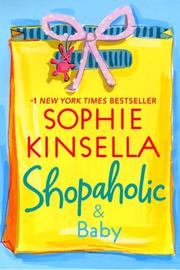
Shopaholic and Baby
2,247-word summary 10 min read 368 pages in the book
- First published
- 2007
- Publisher
- Dial Press
- Pages
- 368
- ISBN
- 9780385338714
- Series
- Shopaholic (#5)
Reading options
What's inside (8 sections)
I came to Shopaholic and Baby after years away from Becky Bloomwood, and pregnancy suited her as a comic engine even better than I expected. This is book five in the Shopaholic series by Sophie Kinsella, first published in 2007 by Dial Press, and it catches Becky Brandon, married and working in London, at the exact moment her two great loves collide. She adores shopping. She is about to have a baby. Suddenly every purchase feels medically necessary.
The setup is simple and rich. Becky is pregnant and thrilled. Luke, her husband, is busy building his business. They need a bigger home. Becky has a job she likes at a new store called The Look. And Becky being Becky, she decides everything for the baby must be perfect, from the stroller to the nursery to the doctor. That last choice causes all the trouble.
Shopping cures morning sickness
The opening stretch is pure Kinsella farce with a real ache under it. Becky suffers the usual early miseries, tiredness, nausea, mood swings, and finds that buying things settles her stomach. She presents this finding with the confidence of a scientist announcing results. A soft new jumper helps. Baby socks definitely help. A full browsing session at lunch is basically medicine.
Her job at The Look fits this stage of life almost too well. Becky works as a personal shopper at London's newest big store, which means she spends her days helping rich clients choose clothes while fighting her own urges at the staff discount. Colleagues like her. Customers love her. She has a gift for reading what someone wants before they admit it. The trouble is that pregnancy has knocked her focus. She cries at ads. She naps in stockrooms. She keeps sneaking off to the baby department to research on company time.
Money pressure hums under the jokes from the start. Becky and Luke are not broke in the old overdraft days sense, but a baby plus a London move plus Becky's habits make a tight mix. Becky hides new buys in old bags. She splits bills across cards. She tells herself each item is an investment in calm. Readers who met Becky in Confessions of a Shopaholic will recognize the old dance. The steps are the same. Only now she claims she dances for two.
What keeps this section from feeling like a repeat is how much Becky wants to be good. She reads the pregnancy books. She means to eat right. She keeps lists. Her love for the baby is obvious and goofy and real. When she buys tiny shoes she cannot afford, greed is only part of it. Fear does the rest, the worry that love might not be enough unless the nursery looks right.
The house hunt and the dream of a Shoe Room
Becky and Luke need space, and the flat hunt gives Kinsella her best comic set pieces. Estate agents show them places with kitchens the size of cupboards and describe them as cozy. Becky falls for details that have nothing to do with plumbing. A bay window for the tree. A wide hall for the pram. Above all, room for a Shoe Room, her secret wish, a whole space where her collection can live properly instead of breeding in piles.
Luke approaches houses like deals. He talks square footage and commute times and resale. Becky approaches them like outfits. She feels the hall, pictures the curtains, tests whether the doorbell sounds like home. Their viewings turn into gentle rows about priorities, and both have a point. Luke is right that they cannot stretch forever. Becky is right that a home should feel like theirs, not like a spreadsheet with walls.
Suze, Becky's best friend, adds contrast as a mother already deep in it. Suze has kids, clutter, and frank advice that Becky half hears. Their talks are some of the warmest in the book. Suze tells Becky which gadgets matter and which gather dust. Becky nods and then buys the dusty kind anyway because it is darling. Jess, Becky's sister, plays the opposite role, brisk and blunt, horrified by waste, quick to call out nonsense. The sisters' scenes snap. Jess loves Becky and shows it by refusing to flatter her.
Becky's parents hover at the edges with their own brand of chaos. Her mum means well and overshares. Her dad tries to keep peace and fails softly. Family lunches turn into debates about names, prams, hospitals, and whether Becky should slow down at work. Becky leaves each one more determined to prove she can manage everything alone, which is exactly how she ends up managing nothing well.
The celebrity doctor with a past
The engine of the plot is Dr. Venetia Carter. Venetia is the obstetrician every glossy mother wants, clever, calm, beautiful, quoted in magazines, with a waiting list to match. Becky sets her heart on Venetia as the must have expert for a perfect birth. Then comes the blow. Venetia is Luke's ex girlfriend from his Cambridge days, glamorous and intellectual, supposedly long over yet fondly remembered by Luke in the worst possible way.
Kinsella plays this reveal with care. Becky learns the history in bits, a mention here, a photo there, a too warm greeting at the clinic. Each detail lands like a small slap. Venetia is everything Becky fears she is not in Luke's world, poised, educated, easy with his colleagues, thin in tailored coats while Becky swells and wobbles. Appointments become ordeals. Becky wants the best care and also wants to run. She stays because leaving would feel like losing, and tells herself jealousy is just hormones.
Luke handles it badly in the way busy husbands in books do. He praises Venetia's skill. He downplays the past. He takes calls at odd hours and misses meals. He may be hiding nothing and still looks guilty, because tired men look guilty. Becky starts watching him the way she once watched bank statements, scanning for signs, reading tone like receipts. A late meeting smells like lies. A kind word from Venetia about Luke sounds like code.
The clinic scenes are sharp about status anxiety. Becky sits among polished mothers who discuss birth plans like wedding venues. She tries to match them and overshoots, announcing grand plans she cannot explain. Venetia stays smooth through all of it, which only makes Becky feel rougher. I felt for Becky here even when she acted badly. Pregnancy strips privacy. Having your most exposed self handled by your husband's polished ex is a special kind of hell, and Kinsella never mocks that pain even while mining it for laughs.
Classes, fibs and the old spending slide
The middle of the book piles on comic pressure. Antenatal classes throw Becky together with earnest couples who breathe on cue and judge pram brands. Becky wants friends and makes a hash of it, showing off, name dropping Venetia, buying rounds of expensive juice. One or two women warm to her. Others freeze her out. Her loneliness in those rooms feels true. Becky has always bought belonging before earning it, and babies do not change that habit fast.
At work, her focus slips. She misses details for clients. She ducks out for scans and shops between them. A kind boss covers for her until covering gets costly. Becky promises to catch up and then spends the catch up time comparing cots online. Anyone who has worked while pregnant will recognize the fog. Kinsella adds the Becky twist, which is that the fog smells like a new handbag.
Lies stack the way they always do with Becky. She hides bills. She hides appointments from Luke and hides Luke's calls from herself. She tells Venetia half truths about her health and tells Luke half truths about spending. Each fib feels small and kind at the time. Together they build a wall between her and Luke right when they need doors. Old fans will see the pattern from books one through four. New readers will still follow it fine, because Kinsella always shows the thinking. Becky never lies from malice. She lies the way drinkers pour, to keep a feeling going or stop one coming.
Jess keeps trying to pull her straight. There is a good scene where Jess lists what a baby actually needs, which fits in one short row, against Becky's list, which needs its own postcode. Becky laughs and cries at once. Suze counters with softer sense, telling Becky that feeling jealous and huge and cross does not make her a bad mother. Both women are right, and Becky needs both kinds of love. The book is at its best when it lets female friendship do what shopping cannot.
Kinsella's comic craft deserves a note too. Becky narrates in a rush of lists, mental budgets that never balance, and brand names deployed like poetry. She writes herself pep talks, makes vows in changing rooms, and argues with her own bank statements as if they might apologize. The rhythm never stalls because Becky's mind never stalls. Even dull facts about mortgages or clinic fees arrive as Becky math, half right and fully confident. That voice is why five books in, a heroine who keeps messing up still feels like company rather than a lecture. You laugh at her and root for her in the same breath, which is a harder trick than it looks.
Three in a marriage
By the last third, the question stops being which stroller and becomes whether Becky trusts her husband. She reads warmth between Luke and Venetia everywhere. A hand on an arm. A shared joke about old times. A call Luke steps outside to take. None of it proves anything, and all of it hurts. Becky swings between fury and shame, spending to soothe herself and then hating the bills that follow.
Luke, to be fair, is drowning too. Work strains, money strains, fear of fatherhood he will not voice. He loves Becky and shows it in practical ways, fixing, planning, earning, while missing the emotional cues right in front of him. Their rows have the rhythm of real couples under strain. She accuses. He defends. Both talk about the wrong thing. The baby, silent and kicking, keeps resetting the stakes.
The crisis that forces honesty plays out at the hospital rather than at home, which suits a book about doctors and dread. I will keep details light, but a scare sends Becky through the clinic doors in no state to pose. Venetia has to be a doctor first and a rival second. Luke has to be a husband first and a busy man second. What gets said in those white rooms clears some air. Not all of it. Enough that Becky sees Venetia as a person with limits instead of a perfect threat, and Luke sees how alone his wife felt while he worked late.
I liked that Kinsella does not solve jealousy with one speech. Trust returns in chores. Luke shows up. Becky tells the truth about money sooner. They pick names and argue and laugh. Forgiveness here looks like changed weeks, not changed minds in a single night. For a comedy series, that patience gives the feelings weight.
Birth, Minnie and what actually changes
The birth chapters move fast and warm. Kinsella skips heavy medical detail and stays with Becky's voice, the panic, the comedy of the bag packed wrong, the way time bends. Luke is there and fully present in a way that answers the whole book's worry without a lecture. Family crowds in after, loud and tearful, and the baby, a daughter they name Minnie, gets passed around like proof that the chaos meant something.
Minnie's arrival resets Becky without replacing her. She still wants nice things. She still talks too much and plans too big. But something steadies. She looks at her daughter and starts sorting wants from needs with slightly better odds. The final shopping choices land as jokes with soft centers. She buys less and means more. Luke watches her with the old fond look from book one, the one that says he sees the mess and the heart together.
Criticism is fair alongside the praise. Becky repeats old mistakes at length, and readers tired of the debt and deceit cycle may sigh through the middle. Venetia leans toward caricature at times, too sleek to be fully human until late. A few shopping set pieces run long, especially one store crawl that could lose pages. And at 368 pages in the Dial Press edition, the book sags a little past the three quarter mark before the hospital run tightens it.
Still, as book five of Shopaholic, this is one of the strongest entries. The formula needed new pressure, and a baby brings it. Every old habit now risks a third person. That raises the cost of Becky's charm without killing the fun. London sparkles, the jokes land, and the marriage at the center feels lived in rather than reset for laughs.
Read it if you like Becky and Luke and want them tested by something real. Start here only if you must, the story orients newcomers quickly, but books one through four make the money jokes and the Luke history hit harder. For longtime fans, Minnie's birth is a milestone worth the scolding middle. Becky grew up a little without growing dull, and in a long comedy series that is about as perfect as a delivery gets.
FAQ
When was Shopaholic and Baby published and where does it sit in its series?
Dial Press published it in 2007 in a 368-page edition. It is book 5 in the Shopaholic series, following Shopaholic and Sister.
Who is Venetia Carter?
A celebrity obstetrician Becky picks for a perfect birth, who turns out to be Luke's glamorous ex-girlfriend from Cambridge. Appointments with her feed Becky's insecurity through most of the book.
Does Becky change by the end?
She gives birth to daughter Minnie and grows steadier about money and honesty, though she stays funny and fond of nice things. Longtime fans get payoff after a middle full of repeated mistakes.
Similar books
More from Shopaholic first, then related titles.
Confessions of a Shopaholic
Becky Bloomwood hides maxed cards while chasing a finance writing job.
1,910-word summary · 8 min read
Shopaholic Takes Manhattan
Becky and Luke move to New York where shopping fame tempts her to ruin both.
2,025-word summary · 9 min read
Shopaholic Ties the Knot
Becky Bloomwood plans two weddings at once while debts pile up and Luke's mother interferes.
2,218-word summary · 10 min read
Shopaholic and Sister
Becky Brandon returns from a ten-month honeymoon to meet the half-sister she always wanted, then discovers that Jess is thrifty, prickly, and nothing like the…
2,591-word summary · 12 min read
My Not So Perfect Life
Katie chases London creative life while her perfect boss Demeter hides cracks, until a farm trip flips roles.
2,300-word summary · 10 min read
The Undomestic Goddess
A burned out London lawyer flees a career mistake and takes a housekeeper job she cannot do.
2,943-word summary · 13 min read
Bridget Jones: The Edge of Reason
Bridget doubts Mark, takes a job with Daniel, and lands in trouble in Thailand.
2,198-word summary · 10 min read
Remember Me?
Lexi wakes after an accident missing three years, with a polished new life and a husband she does not recall, and must work out which parts she wants to keep.
2,390-word summary · 11 min read
I've Got Your Number
Bride to be Poppy borrows stranger Sam phone and snoops wedding chaos.
2,078-word summary · 9 min read
Mr. Maybe
Libby Mason wants a rich husband, but the wealthy man who proposes is dull and the broke writer she cannot forget is not offering forever.
2,322-word summary · 10 min read
Jemima J
Overweight London journalist Jemima Jones invents a slim online self for a California lover, starves to match the photo, then faces betrayal and learns to…
2,883-word summary · 13 min read
Good Material
A struggling comic replays his breakup with Jen while sofa surfing, bombing gigs and missing the other half of the story.
2,500-word summary · 11 min read
The Flatshare
Two strangers share one bed on opposite shifts and fall in love through notes left around the flat.
2,793-word summary · 12 min read
Wedding Night
Lottie marries an old flame days after a breakup, then flies to a Greek island while her sister quietly works to sabotage the honeymoon. A farce about memory,…
2,213-word summary · 10 min read
Twenties Girl
Dumped and flailing, Lara Lington is haunted by her great-aunt Sadie, a 1920s ghost who wants her lost necklace back.
2,938-word summary · 13 min read
Can You Keep a Secret?
Emma blurts every secret to a stranger on a turbulent flight, then finds him running her company.
3,114-word summary · 14 min read
Size 12 Is Not Fat
Former teen pop star Heather Wells investigates two dorm elevator deaths while juggling her ex, her crush, and a size-12 wardrobe.
2,805-word summary · 12 min read
Austenland
A New York graphic designer obsessed with Mr. Darcy inherits a trip to a Jane Austen theme park, where the fantasy of Regency romance collides with the men…
2,030-word summary · 9 min read

Devil in Winter
A shy heiress with a stammer proposes a marriage of convenience to London's most notorious rake, then makes him prove he can be faithful.
2,548-word summary · 11 min read
Bet Me
A sharp actuary agrees to dinner with a charming serial bettor, then spends the next month pretending the wager does not matter.
2,710-word summary · 12 min read
This Time Next Year
Two women give birth minutes apart on New Year's Day 1990, and one takes the other's lucky name. Thirty years on, their children meet again.
2,194-word summary · 10 min read
The Overdue Life of Amy Byler
A burned-out school librarian gets a summer to herself when her estranged husband returns, and discovers that being a mother does not have to mean losing…
2,055-word summary · 9 min read
The No-Show
Three women are stood up on Valentine's Day by the same man, but the timeline is not what it seems. O'Leary's warmest book with a knife in it.
2,127-word summary · 9 min read
Ten Big Ones
Stephanie witnesses a gang robbery dressed as a devil, and the Comstock Street Slayers put her on a list of people to kill.
2,062-word summary · 9 min read
Emerald Green
Gwyneth must close the blood circle that will crown an immortal tyrant, and the prophecy says her death is the final lock.
2,044-word summary · 9 min read
Playing for Keeps
Childhood neighbors Haley and Jason turn a long prank war into a fake relationship that turns real.
2,571-word summary · 11 min read
Hello Stranger
Portrait artist Sadie loses face recognition after brain surgery and must finish a contest piece while falling for two men.
2,210-word summary · 10 min read
Tangled
Told by a cocky businessman, a bet to win the new associate who rejects him turns into real pursuit, strict rules, a painful reveal and a wedding-level happy…
2,868-word summary · 13 min read
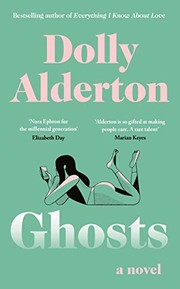
Ghosts
At 32, food writer Nina Dean faces ghosting by Max and her father's dementia in London.
2,677-word summary · 12 min read
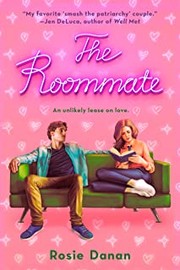
The Roommate
Uptight Clara shares a flat with porn star Josh and teams up to build ethical adult films for women.
2,362-word summary · 10 min read