
Reading options
What's inside (8 sections)
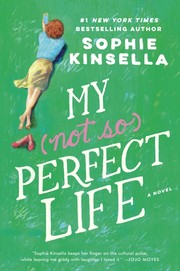
I grabbed My Not So Perfect Life during a week when everyone on my feed looked like they had it figured out, new flats, promotions, perfect breakfasts, while I was eating toast over the sink. Sophie Kinsella published it February 7, 2017 with Dial Press, a 448 page hardcover with ISBN 9780812998269. It is a standalone novel, separate from the Shopaholic books. I have read most of Kinsella, and this one feels closest to her own burnout years, funny on the surface, tired underneath.
Katie Brenner is twenty six, from Somerset, daughter of a farmer and a creative mom who runs a glamping site. She moved to London for a dream job in branding at a top agency. She rents a tiny room in a crowded flat, commutes long, works late, posts bright photos that crop out the damp, the debt, the roommates who steal milk. She follows her boss Demeter Farlowe on social media like a religion. Demeter has sleek hair, a Notting Hill house, a handsome husband, perfect children, charity galas, and captions about balance. Katie wants that life so badly she can taste it.
At work, Katie is junior, eager, and overlooked. She makes decks, fetches coffees, stays to fix fonts. Her boss Demeter is polished in public and cutting in private. Demeter praises Katie once, then criticizes her in front of clients. She demands last minute work, cancels leave, forgets names. Katie tells herself this is normal, that suffering now buys glow later. She has a work crush on Alex, kind and funny, and a flatmate rivalry that drains her. She is tired in a way sleep does not fix.
The sack and the farm
Halfway through part one, Katie gets fired. Not gently. A mistake on a big pitch, partly hers, partly setup by office politics, gives Demeter cover to cut her. Katie loses income, room, story. She cannot afford London. She goes home to Somerset, to her dad farm and her mom and stepdad new business, a glamping farm with yurts and compost toilets and big dreams. She plans to hide, lick wounds, reapply. Instead, life flips.
Demeter and her family book a stay at the farm. Without staff, without glam squad, Demeter arrives as a normal tired mom in old jeans, struggling with kids, arguing with her husband, unable to start a fire. Katie, who knows the farm now, knows how to help. She shows Demeter how to feed chickens, calm a child, find quiet. Demeter does not recognize Katie at first out of context, or pretends not to. Katie, hurt and mischievous, does not correct her. She lets Demeter think she is just Cat, the farm girl.
This switch drives the middle and it works because Kinsella keeps both women human. Farm Cat is competent, kind, funny. London Demeter was a brand. Farm Demeter is frayed, funny about failure, honest about hating perfect life pressure too. They become tentative friends while Katie hides her resume. Katie dad is steady and dry. Her mom is warm and chaotic. Guests are odd and lovely. Alex reappears in a way I will not spoil, but his presence forces Katie to be honest about who she performed for in London.
The farming chapters are my favorite. Kinsella writes physical work well. Mucking, cooking for twenty, fixing a yurt in rain, dealing with a goat who eats maps. Katie hands blister. She sleeps hard. She stops checking likes. She starts noticing her mom creativity, her dad quiet pride, her own skill at making guests feel welcome. The contrast with London is not subtle, but it lands because Katie misses London even as she breathes easier. She wants both, ease and ambition, which feels true to twenty six.
What perfect costs
The book argues that perfect life posts cost someone, often the poster. Demeter perfect feed is managed by assistants, sponsored, filtered. Behind it she is anxious, overworked, scared of aging out, scared of her kids preferring nannies, scared her marriage is a schedule. She is also a bully at work, which the book does not excuse. Farm friendship does not erase office cruelty. Kinsella lets Demeter be both, a woman crushed by the same system she enforces, who still chose to crush others. That balance is tricky and mostly holds.
Katie own lies get examined too. She faked happiness online. She borrowed for clothes to look right. She stayed silent when Demeter was unfair to others because she wanted favor. On the farm she starts telling small truths. I cannot afford that. I was fired. I am scared. Each truth costs likes and gains sleep. Her romance with Alex grows through honesty, not banter alone. He likes farm Cat before he connects her to London Katie, which tells her something about what he values.
Work satire is sharp. Branding meetings where everyone says authentic while selling sugar water. Interns called family while paid little. Wellness talks at lunch while inboxes pile. Kinsella worked in finance journalism before novels, and it shows. She knows how offices use language to hide power. One meeting scene where Demeter rebrands layoffs as curation made me groan out loud. Anyone who survived 2010s agency life will recognize it.
The reveal, when Demeter learns Cat is Katie, is handled with care. No screaming showdown. Hurt, embarrassment, then a long walk where both admit parts. Demeter apologizes for work behavior without fully understanding it, which feels real. Katie apologizes for deception. They do not become best friends. They become people who can work together differently. That restraint saves the book from fairy tale.
London again, differently
Katie returns to London, not to the same job but to a new role that uses farm skills, hosting, explaining, calming. She rents with kinder people. She budgets. She posts less and truer. She sets boundaries at work, leaves on time twice a week, says no to free labor. Demeter, back in London, tries to change too, fewer late emails, crediting juniors, though old habits slip. The book does not claim systems fixed. It claims Katie fixed her place in it, which is smaller and more useful.
The romance resolves sweetly without taking over. Alex is steady, not a rescue. He has his own money worries and family. They split costs, take turns cooking, talk about future kids and careers without Instagram filter. One late scene where they assemble cheap furniture while arguing about instructions and laughing is more romantic than any gala. Kinsella knows domestic comedy is her strength and leans in.
Flatmates, commutes, and small math
London details make the first third work and deserve a closer look. Katie shares a flat with two strangers who are not cruel, just tired. One leaves passive notes about milk. One plays music through walls. The bathroom rota fails. Katie scrubs the tub on her turn and no one notices. She notices when it is not done. That imbalance sums up early twenties flat life. You do extra hoping it buys goodwill. It buys nothing but a clean tub you alone enjoy.
Commutes eat her days. Two buses, one late train, standing room, phone held overhead to read Demeter posts. Kinsella counts the minutes without preaching. An hour and a half each way means books read standing, dinners eaten cold, friendships kept through voice notes. Katie tells herself the commute proves ambition. Her dad asks on the phone what she sees from the train. She realizes she sees nothing, just her own reflection checking likes. That small exchange lands harder than any office speech.
Money math runs under every chapter. Rent, travel card, work clothes that look right, coffees to be social, birthday collections for people she barely knows. Katie earns decent pay and still slides into overdraft because London charges for belonging. She buys a coat on credit to look senior. She skips dentist to pay for highlights. She posts a brunch she split six ways and captions it as treat yourself. The gap between image and bank app grows until the firing forces her to look. Kinsella does not shame her. She shows how normal the slide is when everyone around you performs plenty.
Work friendships complicate it. A colleague named Biddy is kind but competitive. They share tips and also hide openings. Alex is kind without angle, which confuses Katie because she expects trade. He helps her fix a deck late without asking for credit. She repays him with farm jam months later, which is worth more. These small ledgers, who helped, who noticed, build the book view of worth. Not followers. Hours and attention.
I also liked the agency dogs, the office plants dying from neglect, the birthday cakes cut in the kitchen while inboxes ping. Those details make the office a place, not a villain set. People there are not monsters. They are tired and performing plenty too. Even Demeter assistant, who seems icy, gets a human moment when she admits she also copies Demeter captions while crying on night buses. That shared tiredness is what Katie misses least and understands most.
Parents and the glamping gamble
The farm family could have been caricature, wise dad, kooky mom. Kinsella gives them more. Dad is quiet, practical, proud of soil, hurt that Katie hid her struggles. He does not lecture. He hands her tools. Show me, he says, when she claims she cannot help. She learns. He nods. That nod carries chapters of apology and acceptance. When he finally says he missed her, not the idea of successful London daughter but her, Katie cries into a feed sack. I did too a little.
Mom and stepdad glamping business is chaos with heart. Yurts half built, website full of typos, compost toilets that scare city guests, a goat named Brian who eats bookings. Mom is creative, warm, scattered. Stepdad is steady, handy, worried about loans. They bicker about signs, about pricing, about whether to offer yoga. Katie, with branding brain, sees fixes at once. Better photos, clearer prices, honest copy that says mud happens. She helps without taking over, which is new for her. At work she took over to prove worth. Here she asks what they want first.
Guests teach her hosting as skill. A nervous couple on anniversary need quiet and clear fire instructions. A family with teens need Wi Fi truth and a stream to play in. A solo walker needs a map and a packed lunch. Katie learns to read people fast, a skill Demeter never taught because Demeter read rooms for power. Katie reads for comfort. That difference becomes her new job pitch later, experience designer who knows both gloss and mud.
Demeter farm stay stretches believability a little. Would a CEO really stay in a yurt with no staff. Kinsella sells it by making Demeter desperate for a break she cannot admit she needs. Her marriage is strained. Her kids prefer nanny. Press mocks her balance posts. A farm where no one knows her brand lets her breathe. She still checks email behind a barn. She still corrects table settings. But she also learns to bank a fire, to soothe a child without scheduling it, to say thank you without a follow up ask. Those lessons feel small and real.
One dinner scene sums it up. Power cuts in rain. Guests crowd into the big barn. Katie leads a quiz with bad puns. Dad plays guitar badly. Demeter, by candlelight, tells a story about her first job failing, before polish. Everyone laughs with her, not at her. For a moment she is not a boss or a feed. She is a tired woman who is funny. Katie sees it and files it, not as blackmail but as proof people are larger than roles.
Fair criticism is easy. At 448 pages, the farm middle repeats chores to make its point. Guests blur. The stepdad business plan is vague. Demeter change is fast in the last fifty pages. Readers who want sharp workplace revenge may find the forgiveness too soft. Katie never sues, never exposes, never fully confronts HR. She chooses peace over justice, which some will read as weak. Kinsella also leans on makeover language, glow, polish, that can feel dated.
The class lens is gentle. Katie is broke but has a family farm to catch her, a safety net many lack. The book nods at this through a flatmate who cannot go home, but moves on fast. If you have no farm to flee to, the reset may feel lucky. Still, the advice holds. Spend less than you show. Rest without posting. Ask who profits from your envy.
Why it still hits
I finished it and deleted two apps from my phone for a week. Not because Kinsella preaches, she does not, but because Katie voice gets under skin. She is funny about shame. She names the exact thought, everyone else got the memo, and then shows the memo was fake. Her dad line stuck with me. He says, love, a farm teaches you seasons. London teaches you everything is urgent. Both are true, but only one lets you sleep.
For Kinsella fans, this sits between Can You Keep a Secret and The Undomestic Goddess in tone, London work comedy with heart, less slapstick than Shopaholic. New readers can start here. No series knowledge needed. Expect laughs, some tears in the farm chapters, and a strong urge to text your mom.
Ages older teen and up fits, though adults in creative jobs will feel it most. There is workplace bullying, layoffs, debt, mild romance scenes, no explicit sex. If your feed makes you feel behind, read this with toast over the sink. Katie starts there too. She ends somewhere truer, not perfect, which is the point the title promises and mostly keeps.
FAQ
When was My Not So Perfect Life published and how long is it?
Dial Press published it February 7, 2017. The hardcover runs 448 pages with ISBN 9780812998269.
Is My Not So Perfect Life part of a series?
No. It is a standalone novel, separate from the Shopaholic books.
Who should read My Not So Perfect Life?
Adults and older teens fit best. There is workplace bullying, layoffs, and mild romance scenes.
Similar books
The Undomestic Goddess
A burned out London lawyer flees a career mistake and takes a housekeeper job she cannot do.
2,943-word summary · 13 min read
Shopaholic and Sister
Becky Brandon returns from a ten-month honeymoon to meet the half-sister she always wanted, then discovers that Jess is thrifty, prickly, and nothing like the…
2,591-word summary · 12 min read
Shopaholic Ties the Knot
Becky Bloomwood plans two weddings at once while debts pile up and Luke's mother interferes.
2,218-word summary · 10 min read
Shopaholic Takes Manhattan
Becky and Luke move to New York where shopping fame tempts her to ruin both.
2,025-word summary · 9 min read
Shopaholic and Baby
Pregnant Becky shops for the perfect nursery while Luke's ex becomes her obstetrician.
2,247-word summary · 10 min read
Confessions of a Shopaholic
Becky Bloomwood hides maxed cards while chasing a finance writing job.
1,910-word summary · 8 min read

Bridget Jones: The Edge of Reason
Bridget doubts Mark, takes a job with Daniel, and lands in trouble in Thailand.
2,198-word summary · 10 min read
Remember Me?
Lexi wakes after an accident missing three years, with a polished new life and a husband she does not recall, and must work out which parts she wants to keep.
2,390-word summary · 11 min read
I've Got Your Number
Bride to be Poppy borrows stranger Sam phone and snoops wedding chaos.
2,078-word summary · 9 min read
Can You Keep a Secret?
Emma blurts every secret to a stranger on a turbulent flight, then finds him running her company.
3,114-word summary · 14 min read
Mr. Maybe
Libby Mason wants a rich husband, but the wealthy man who proposes is dull and the broke writer she cannot forget is not offering forever.
2,322-word summary · 10 min read
Jemima J
Overweight London journalist Jemima Jones invents a slim online self for a California lover, starves to match the photo, then faces betrayal and learns to…
2,883-word summary · 13 min read
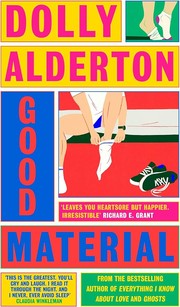
Good Material
A struggling comic replays his breakup with Jen while sofa surfing, bombing gigs and missing the other half of the story.
2,500-word summary · 11 min read

The Flatshare
Two strangers share one bed on opposite shifts and fall in love through notes left around the flat.
2,793-word summary · 12 min read
Wedding Night
Lottie marries an old flame days after a breakup, then flies to a Greek island while her sister quietly works to sabotage the honeymoon. A farce about memory,…
2,213-word summary · 10 min read
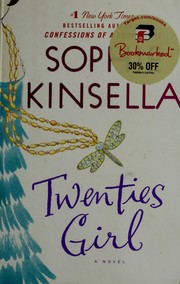
Twenties Girl
Dumped and flailing, Lara Lington is haunted by her great-aunt Sadie, a 1920s ghost who wants her lost necklace back.
2,938-word summary · 13 min read
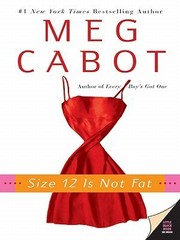
Size 12 Is Not Fat
Former teen pop star Heather Wells investigates two dorm elevator deaths while juggling her ex, her crush, and a size-12 wardrobe.
2,805-word summary · 12 min read

Austenland
A New York graphic designer obsessed with Mr. Darcy inherits a trip to a Jane Austen theme park, where the fantasy of Regency romance collides with the men…
2,030-word summary · 9 min read

Devil in Winter
A shy heiress with a stammer proposes a marriage of convenience to London's most notorious rake, then makes him prove he can be faithful.
2,548-word summary · 11 min read

Bet Me
A sharp actuary agrees to dinner with a charming serial bettor, then spends the next month pretending the wager does not matter.
2,710-word summary · 12 min read

This Time Next Year
Two women give birth minutes apart on New Year's Day 1990, and one takes the other's lucky name. Thirty years on, their children meet again.
2,194-word summary · 10 min read
The No-Show
Three women are stood up on Valentine's Day by the same man, but the timeline is not what it seems. O'Leary's warmest book with a knife in it.
2,127-word summary · 9 min read

Ten Big Ones
Stephanie witnesses a gang robbery dressed as a devil, and the Comstock Street Slayers put her on a list of people to kill.
2,062-word summary · 9 min read

Emerald Green
Gwyneth must close the blood circle that will crown an immortal tyrant, and the prophecy says her death is the final lock.
2,044-word summary · 9 min read
Playing for Keeps
Childhood neighbors Haley and Jason turn a long prank war into a fake relationship that turns real.
2,571-word summary · 11 min read

Hello Stranger
Portrait artist Sadie loses face recognition after brain surgery and must finish a contest piece while falling for two men.
2,210-word summary · 10 min read

Tangled
Told by a cocky businessman, a bet to win the new associate who rejects him turns into real pursuit, strict rules, a painful reveal and a wedding-level happy…
2,868-word summary · 13 min read

Ghosts
At 32, food writer Nina Dean faces ghosting by Max and her father's dementia in London.
2,677-word summary · 12 min read

The Roommate
Uptight Clara shares a flat with porn star Josh and teams up to build ethical adult films for women.
2,362-word summary · 10 min read
The Proposal
Nik says no to a stadium proposal and rebounds with Carlos in flirty LA romance.
2,044-word summary · 9 min read