
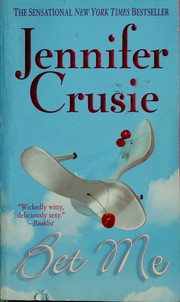
Bet Me
2,710-word summary 12 min read 337 pages in the book
- First published
- 2004
- Publisher
- St. Martin's Press
- Pages
- 337
- ISBN
- 9780312303464
Reading options
What's inside (9 sections)
A friend pressed this book into my hands at a used bookstore and told me it was the one she reread every year. I had avoided Jennifer Crusie for no good reason, mostly because the covers looked like the kind of romance that would make me roll my eyes. Then I read the first scene, in which a woman is dumped in a bar three weeks before her sister's wedding, and I laughed out loud on the train. The book is set in southern Ohio, where Crusie has lived most of her life. St. Martin's Press published it in 2004, it runs 337 pages, and it won the 2005 RITA for best contemporary single title. I finished it in two evenings. The scene I kept thinking about was not a kiss. It was a plate of chicken.
Minerva Dobbs is thirty-three and an actuary, which means she spends her days calculating risk for an insurance company. Her father works at the same company. She is careful, dry, and secretly furious about a lot of things, including the way her mother talks to her. Her younger sister Diana is getting married in three weeks, and Min is the maid of honor. That gives the book its clock and its pressure. A wedding is a deadline, a dress, a seating chart, and a room full of relatives who have opinions about your body.
At the opening, Min's boyfriend David dumps her in a bar because she will not sleep with him. He does it with the air of a man who believes he is being patient and reasonable. Min is mostly relieved. She wanted a date for Diana's wedding more than she wanted David. Her friends Liza and Bonnie are waiting for her, and the three of them are trying to decide whether the night is salvageable when David walks over to a table of men and starts talking.
A ten-dollar bet and a ten-thousand-dollar one
The men are Cal Morrisey and his friends Tony and Roger. Cal organizes business seminars, wears good suits, and has a reputation for never losing a bet. David, who is angry and small, proposes a wager: ten thousand dollars that Cal cannot get Min into bed within a month. Cal refuses that bet. He takes a different one, ten dollars that he can take her to dinner. Min overhears enough to know she has been made the subject of a wager, and not enough to hear Cal refuse the worst of it. She says yes for her own reasons: a free meal, a date for the wedding, and a chance to make David miserable. Cal says yes because he likes a challenge and because Min is not impressed by him, which is new.
That double bet is the best piece of engineering in the book. The misunderstanding is not stupid. Everyone is acting on accurate but incomplete information. Min thinks Cal is a cad chasing a payout. Cal thinks Min is a sharp-tongued woman who agreed to dinner. David thinks he has built a trap. For a while, all three are wrong in ways that feel true to who they are.
Cal is not a brooding billionaire with a secret wound. He is a man who is good at being liked and has built a life out of charm and scheduling. His friends treat betting like a sport. His family treats him like a disappointing investment. He is also dyslexic, a fact his parents have spent years pretending is not true. That detail matters later, when Min meets them.
Min's friends are a chorus with their own stories. Liza is the cynic, all sharp edges and strategies. Bonnie is the romantic who believes in signs and refuses to apologize for it. Bonnie and Roger fall into something sweet almost immediately. Liza and Tony circle each other with less commitment and more jokes. The six of them becoming a group is one of the pleasures of the middle section, because Crusie lets the friendships have texture. They tease each other, keep secrets, and show up when someone needs a ride.
Chicken marsala
Min is trying to fit into a bridesmaid dress, so she cooks chicken marsala without oil, butter, or anything else that makes chicken marsala taste like food. It is a disaster. Cal, who has eaten in restaurants for years, takes her to Emilio's and orders the real version. The scene is funny because Min is furious at him for enjoying it, and then she eats. She eats with appetite. She eats in front of a man and does not apologize for the pleasure.
That plate of food carries most of the book's argument about bodies. Min's mother, Nanette, counts calories the way other people count money. She tells Min that men are visual, that the dress would look better if Min lost ten pounds, that Min should be grateful for any man who looks past her size. Diana, the bride, is thin and pretty and has her own worries. Min has spent years hiding in loose clothes, buying great shoes, and treating her own hunger as a character flaw.
Cal's desire for her is not a cure, and Crusie is careful about that. He likes her body, and he likes that she enjoys food, and he likes that she is smarter than he is. But Min's change is not simply that a handsome man finds her attractive. She starts to notice how much energy she spends managing other people's disgust. She buys clothes that fit. She wears red lace. She stops apologizing for the space she takes up.
I have mixed feelings about the makeover. The book is genuinely interested in the difference between eating a meal and performing virtue. It is also happy to dress Min in new lingerie and let Cal go light-headed. The red lace can read as another version of the same lesson: a woman's body becomes valuable when a man approves of it. Crusie mostly gets away with it because Min keeps her irony. She knows the lace is a costume. She also knows she likes it. The book lets both be true.
Nanette is the weakest part. She is a caricature, a calorie-counting machine with a mean line for every occasion. She is funny in small doses and exhausting in large ones. By the time the wedding arrives, I wanted someone to sit her down and ask what she was so afraid of. The novel never quite does. It gives Min a few good speeches, and those speeches land, but Nanette remains a villain with a measuring cup instead of a person with a history.
Two dinner tables
The two family dinners are the best comic set pieces in the book. At Min's parents' house, Cal is inspected like a used car. George, Min's father, is quiet and watchful. Nanette is openly skeptical. Diana is distracted by the wedding. Min spends the meal trying to manage everyone, and Cal spends it being charming in a way that costs him something. He is good at being liked. It is the one thing his family taught him.
At Cal's parents' house, the temperature drops. Lynne and Jefferson Morrisey live in a beautiful, cold house and speak to each other in the language of disappointment. Jefferson wants Cal in the family law firm. Lynne wants Cal to marry someone appropriate. Cal's dyslexia is treated as a shameful secret rather than a fact about their son. Min, who has been told all her life to make herself smaller, takes one look at this and decides to make herself very large. She tells his parents what she thinks of them. It is reckless and rude and the most romantic thing in the book.
Cal's response is why the scene works. He does not scold her. He does not apologize for her. He kisses her in the kitchen, in front of the ice cream, and later he tells her she was right. The two of them keep swapping the rescuer role. He defends her to her mother; she defends him to his parents. Neither one is the hero of the other's life. They are allies.
Cal's nephew Harry is a bright spot in that cold house. Harry likes Min. Min likes Harry. The kid gives Cal a way to be soft without explaining himself. Lynne, in the aftermath, offers Cal a hundred thousand dollars to marry Min, which is both a joke and a diagnosis. She thinks she can buy his happiness and still keep him at arm's length.
Elvis, snow globes, and the plot's love of coincidence
A stray calico cat follows Cal to Min's apartment one day and decides to stay. Min names him Elvis. The cat is enormous, ugly, and unnervingly smart. He sleeps with one eye open and attacks Min's enemies without being asked. He is a commitment disguised as a joke. Cal cannot say that he wants to stay, so a creature arrives that needs feeding. Min cannot say that she wants him to stay, so she complains about the cat and buys him better food.
The book is full of fated objects. Min collects snow globes. The same restaurant keeps happening. People walk into rooms at the wrong moment. Cal turns out to have sung in an a cappella group in college, and he eventually sings "Love Me Tender" at Emilio's, which is either the most embarrassing scene in the book or the most charming, depending on your tolerance for a man with a good voice and no shame. Crusie is openly writing a fairy tale, and she wants you to see the strings. Some readers will find it delightful. Some will find it too cute. I was mostly delighted, though there is a stretch in the middle where the coincidences pile up so high that the story feels pushed rather than happening.
The exes push back. Cynthie, Cal's former girlfriend, is a television therapist with a bestselling book about a four-step plan for love. She is possessive, manipulative, and convinced that she knows what Cal needs better than he does. She teams up with David, who is still smarting from Min's refusal to sleep with him. The two of them scheme to split Cal and Min apart. The scheme is not subtle. It involves lurking, a well-timed revelation, and a lot of self-satisfied speeches.
Cynthie is the book's thesis in human form. Her four steps turn love into a procedure, and the novel keeps showing that the procedure cannot account for Min and Cal. They fall for each other through a burned dinner, a bad joke, a stray cat. There is no step four. Crusie makes the point without too much speechifying, mostly by letting Cynthie be wrong in public.
The wedding
Diana's wedding is the set piece I did not expect. Diana is more than the pretty bride who makes Min feel large. She is also scared. The night before the ceremony, she learns that her fiance Greg slept with one of her bridesmaids, Karen. Diana wants to go through with the wedding anyway, because cancelling is humiliating and because she has been raised to believe that a wedding is the achievement and the marriage is the details. Min stands beside her and offers an escape. Diana refuses it.
Then the ceremony starts, and Min cannot keep quiet. She objects. She tells the room what Greg did. It is a wild, public, deeply awkward scene, and it is also the moment Min stops managing her family's image and starts protecting her sister. Diana is devastated and relieved. The wedding collapses. Min takes her away with cake and champagne. The two sisters sit in the wreckage together, and the book lets them be angry and funny at the same time.
This is where the body-image thread and the wedding thread meet. Nanette has spent years telling both daughters that their worth is in how they look and who they marry. Diana has tried to be the good one. Min has tried to be invisible. Neither strategy works. The wedding blows up because a man behaved badly and because the family had agreed to pretend it had not. Min's objection is not a cure for that, but it is a start.
The last bet
The third act is where the book loses its footing a little. The bet has been sitting under the relationship all along, and David brings it back into the open. He shows up after Min and Cal have finally slept together, hands Cal a check for ten thousand dollars, and announces that the wager was active until midnight. Min hears the number and concludes that the whole relationship was a transaction. Cal, who has spent the book refusing to say the plain thing, gets proud. She gets cold. The breakup is well motivated and still frustrating, because these are two people who have been honest with each other in every language except the direct one.
The reconciliation is faster than the rupture. Min apologizes. Cal admits he loves her. There is a black lace nightgown and a bet of Min's own, and then a proposal involving a doughnut instead of a ring, which is exactly the kind of grand gesture these two would find romantic. The final bet comes after that. Min worries that there are no happily-ever-afters after the wedding, that the story ends at the altar and real life begins after the credits. Cal offers to bet her ten dollars that they will make it. Min says no bet, because the odds are too good. It is a small, clean reversal of the bet that started everything.
The epilogue is brief. Cal and Min buy a house and adopt a puppy named The Beast. Bonnie and Roger are happy. Liza and Tony are still circling. Cynthie, in a joke that lands better than it should, finds publishing success and marries the man behind her book. David moves on. George learns to value Nanette. Crusie has said she dislikes epilogues, and this one feels like a curtain call rather than a victory lap.
What holds up, what does not
The comedy holds up. Crusie writes dialogue that sounds like people interrupting each other, and she has a gift for the joke that lands two lines later. The food writing holds up. I have made chicken marsala twice since finishing, and I thought about Emilio's both times. The central romance holds up because Min and Cal are adults who like each other. They are not enemies who discover a soulmate. They are two people with incompatible habits who keep choosing the same room.
The body politics are more complicated. For a 2004 book, Bet Me is unusually kind to a heroine who is not thin. It lets her be desired, funny, and right. It also spends a lot of time on the question of whether she is acceptable, and it resolves that question partly through a man's desire and a new wardrobe. Readers who have spent their lives on diets may find Nanette's nagging familiar in a way that is more painful than funny. The book knows that pain. It does not always know what to do with it.
The plot is predictable. The bet will come out. The exes will scheme. The couple will split and reunite. If you need a romance to surprise you, this is not the one. If you like watching a familiar machine run well, it is. The middle sags under the weight of its own set pieces, and the Cynthie material is broad enough to feel like a different, sillier book. The pleasure is in the company, not the suspense.
Would I recommend it? Yes, with a caveat. It is a good first Crusie, a good comfort read, and a good book for anyone who has ever ordered a salad and wanted the chicken marsala. It is not a good book for anyone who wants the fat talk to disappear entirely or the third act to be as sharp as the first. I finished it fond of Min, fond of Cal, and hungry. That is not a bad place to end.
FAQ
Is Bet Me part of a series?
No. It is a standalone contemporary romance published in 2004, and it does not continue in a sequel.
How steamy is Bet Me?
The love scenes are explicit but not graphic, and the book spends more time on food, banter, and family pressure than on bedroom detail.
Does Bet Me handle body image well?
It is unusually kind to a heroine who is not thin, but it still ties part of her confidence to a man's desire and a new wardrobe.
Similar books
Austenland
A New York graphic designer obsessed with Mr. Darcy inherits a trip to a Jane Austen theme park, where the fantasy of Regency romance collides with the men…
2,030-word summary · 9 min read
The Road Trip
Two exes squeeze into one small car for the drive to a Scottish wedding, with four years of history and one photograph between them.
2,418-word summary · 11 min read
Size 12 Is Not Fat
Former teen pop star Heather Wells investigates two dorm elevator deaths while juggling her ex, her crush, and a size-12 wardrobe.
2,805-word summary · 12 min read
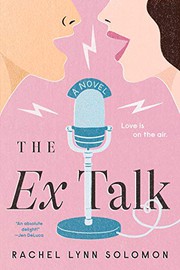
The Ex Talk
Two rival public radio producers pretend to be exes for a dating show, then fall for each other while the lie grows.
2,389-word summary · 11 min read
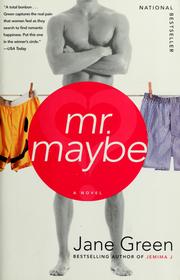
Mr. Maybe
Libby Mason wants a rich husband, but the wealthy man who proposes is dull and the broke writer she cannot forget is not offering forever.
2,322-word summary · 10 min read
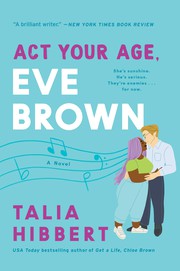
Act Your Age, Eve Brown
Eve Brown crashes into a Lake District bed and breakfast, breaks the owner's arm, and talks her way into his kitchen. A grumpy-sunshine romance about work,…
2,474-word summary · 11 min read

One to Watch
A plus-size fashion blogger takes the lead role on a reality dating show to prove she belongs on television, and finds she might want what the cameras offer.
2,478-word summary · 11 min read
This Time Next Year
Two women give birth minutes apart on New Year's Day 1990, and one takes the other's lucky name. Thirty years on, their children meet again.
2,194-word summary · 10 min read

Big Swiss
A transcriptionist for a sex coach falls for one of his clients, the tall Swiss gynecologist she calls Big Swiss, in a funny novel about work and secrets.
2,523-word summary · 11 min read

2 States: The Story of My Marriage
A Punjabi boy from Delhi and a Tamil Brahmin girl from Chennai meet at IIM Ahmedabad, and turn a love marriage into a campaign to convince two families.
2,634-word summary · 12 min read
Wedding Night
Lottie marries an old flame days after a breakup, then flies to a Greek island while her sister quietly works to sabotage the honeymoon. A farce about memory,…
2,213-word summary · 10 min read
My Favorite Half-Night Stand
Millie, a criminology professor who has always been one of the guys, invents a secret dating profile and matches with her best friend Reid.
2,362-word summary · 10 min read
Take a Hint, Dani Brown
A viral rescue video turns a PhD student and a grumpy security guard into internet couple goals, and the fake relationship they build to keep the attention…
2,005-word summary · 9 min read
The Marriage Bargain
A bookstore owner marries a billionaire friend's brother for a year to save home and company.
2,092-word summary · 9 min read
Bridget Jones: The Edge of Reason
Bridget doubts Mark, takes a job with Daniel, and lands in trouble in Thailand.
2,198-word summary · 10 min read
The Bromance Book Club
A Nashville pitcher joins a secret romance book club to save his marriage after his wife Thea asks for divorce. He trades pride for listening, chores, and…
2,932-word summary · 13 min read
Jemima J
Overweight London journalist Jemima Jones invents a slim online self for a California lover, starves to match the photo, then faces betrayal and learns to…
2,883-word summary · 13 min read
Ghosts
At 32, food writer Nina Dean faces ghosting by Max and her father's dementia in London.
2,677-word summary · 12 min read
The Roommate
Uptight Clara shares a flat with porn star Josh and teams up to build ethical adult films for women.
2,362-word summary · 10 min read
Secretly Yours
A bubbly Napa gardener sends anonymous love letters to her grumpy professor neighbor in this steamy small-town rom-com.
2,504-word summary · 11 min read
My Killer Vacation
A teacher and a bounty hunter share a Cape Cod rental with a corpse and a growing attraction.
2,625-word summary · 12 min read
Mr. Wrong Number
After a fire and a wrong-number text, Olivia falls for a stranger who is closer than she thinks in this funny Omaha rom com.
2,248-word summary · 10 min read
Vision in White
Wedding photographer Mac Elliot does not believe in lasting love. Steady teacher Carter Maguire plans to change her mind. First in the Bride Quartet.
2,167-word summary · 10 min read
Twenties Girl
Dumped and flailing, Lara Lington is haunted by her great-aunt Sadie, a 1920s ghost who wants her lost necklace back.
2,938-word summary · 13 min read
Love the One You're With
Newlywed photographer Ellen Hays is blindsided when her ex Leo reappears in New York, forcing her to choose between old spark and steady love.
3,266-word summary · 15 min read
Can You Keep a Secret?
Emma blurts every secret to a stranger on a turbulent flight, then finds him running her company.
3,114-word summary · 14 min read
Something Borrowed
Good girl Rachel loves her best friend's fiance through a summer of weddings and lies.
2,100-word summary · 9 min read
First Grave on the Right
Charley Davidson is a private investigator in Albuquerque and the grim reaper. When three murdered lawyers come back as ghosts, her two jobs collide.
2,770-word summary · 12 min read

Dumplin'
Willowdean Dickson enters her town's beauty pageant as a protest and discovers that confidence is harder to keep once she lets someone close.
1,922-word summary · 9 min read

Lick
Evelyn wakes up married to the lead guitarist of Stage Dive after a Las Vegas birthday she cannot remember, and the annulment gets complicated.
1,989-word summary · 9 min read