
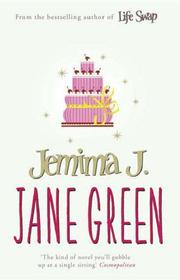
Jemima J
2,883-word summary 13 min read 464 pages in the book
- First published
- 2000
- Publisher
- Penguin Books
- Pages
- 464
- ISBN
- 9780140276909
Reading options
What's inside (9 sections)
- Kilburn, the office and the crush on Ben
- Brad from Santa Monica and the lie called JJ
- Losing almost a hundred pounds in six months
- California, the big house and the cold welcome
- The stash in the bedroom and six stranded weeks
- Ben, the missed call and the magazine interview
- What holds up and what feels uncomfortable now
- Key takeaways
- FAQ
I picked up Jemima J because I wanted to see how the late nineties handled a body image romance before Bridget Jones turned that whole shelf into an industry. First published in 2000 by Penguin Books, it runs 464 pages in the edition I used for this summary, ISBN 9780140276909, and it follows Jemima Jones from Kilburn in London to Santa Monica in California and back. I expected something light and dated. Parts are dated in ways that sting. Parts still land because Jane Green writes hunger, shame, and wishful thinking with unusual bluntness.
Jemima Jones is 217 pounds, about 98 kilos, at the start. She works as a columnist for a small newspaper in Kilburn. She is clever and funny on the page and privately convinced she is invisible. She shares a flat with two slim women who borrow her food, her money, and her patience while making jokes about her size that they call affection. At work she sits near Geraldine, slim and glossed and quick, who knows how to dress and how to flirt and how to walk into a room like she belongs. Jemima both admires Geraldine and resents her, which felt true to me. She has a crush on Ben, the office hunk, good looking in an easy television way, but she will not approach him. She has decided in advance that a man who looks like Ben would never look twice at a woman who looks like her.
Green opens with food diaries that are not comic in the way diet books are comic. Jemima counts, cheats, starts again on Monday, eats standing up in the kitchen, hides wrappers, promises herself this is the last takeaway. She weighs herself in the morning and lets the number set her mood for the day. She tries dresses that pull across the front and tells herself she looks fine while knowing the mirror says otherwise. Her flatmates offer advice that is really criticism. Her mother offers criticism that is really worry. Work offers cake and then comments on who eats cake. I found these early chapters the strongest because they show how much time Jemima spends managing other people's comfort. She makes jokes first so no one else can. She volunteers to fetch lunch so she can be useful. She laughs when Geraldine tells a story about a man, even when the punchline is about fat girls.
Short version: lonely London journalist invents a slim online self, gets invited to California by a handsome stranger, starves herself to fit the photo, flies out, finds the man is a fraud, and has to build a real life from the wreck.
Kilburn, the office and the crush on Ben
Kilburn is not background color here. It is small desks, cold flats, night buses, pubs with sticky floors, newsroom phones that never stop. Jemima writes a recipe column and small features, which is a cruel joke given her relationship with food. She can describe a lemon drizzle cake so you can smell it, then go home and eat cereal from the box because cooking for one feels sad.
Ben works in the same office. He is tall, friendly, ambitious, already looking past the small paper toward television. Jemima watches him from her desk. She rewrites a sentence three times when he walks past. She imagines conversations that never happen. Green does not make Ben a villain. He is careless in the way handsome young men in busy offices can be careless. He likes Jemima's copy. He does not see her as a romantic option, and she has already agreed with him before he has a chance to decide.
Geraldine is more complicated. She is the slim coworker Jemima envies, but she is also the only person at work who actually listens. She lends Jemima clothes that do not fit and then alters them without comment. She tells Jemima she has a pretty face, which Jemima hears as code for everything else is wrong. When the office finally gets internet access, it is Geraldine who shows Jemima the chatrooms. That detail dates the book hard, in a good way. Dial tones. Slow loading. Screen names. The giddy shock of talking to strangers after midnight with no photos and only words.
Jemima calls herself JJ online. No photo at first. Just chat. She is witty there in a way she censors at work. Men respond. One man in particular responds every night.
Brad from Santa Monica and the lie called JJ
Brad says he is a gym owner from Santa Monica, California. Handsome. Successful. Confident. He writes long messages. He asks about her day. He tells her she sounds beautiful. Jemima, who has spent years feeling too large to be looked at, feels looked at for the first time through a screen. She does not correct his assumption that she is slim. Then she builds on it. She tells him JJ is a newsreader, attractive, poised, the kind of woman who reads headlines at six and goes for drinks after. Geraldine helps, and this is where the book turns uncomfortable on purpose. Geraldine takes a photo of a fit magazine model in underwear and puts Jemima's face on it. A doctored image. Jemima sends it. Brad falls hard for the picture and invites JJ to visit him in California.
At the same time Ben leaves the newspaper for a television job. No declaration. No goodbye drink that means anything. Just an empty desk and office gossip about how well he will do on camera. Jemima feels left behind in every direction. Her flatmates are dating. Geraldine is dating. Ben is rising. She is still in Kilburn writing about roast dinners while eating toast. The invitation from Brad starts to look like a door.
She says yes impulsively. Then panic hits. Brad expects the woman in the photo. Jemima weighs close to a hundred pounds more than that image. She has just over six months before the flight. She decides she will lose almost 100 pounds, about 45 kilos, before she gets on the plane. Anyone who has ever dieted will recognize the math she does on the back of an envelope. Pounds per week. Calories per day. Exercise hours. She treats her body like a deadline.
Losing almost a hundred pounds in six months
This middle stretch is the hardest to read now, and Green knows it. Jemima stops eating in any normal sense. Very low calories. Endless exercise. Weigh ins that rule her mood. Geraldine steps into a fairy godmother role. She buys Jemima new clothes in smaller sizes as rewards. She colors Jemima's hair. She teaches her makeup, not the office slap but blended foundation, lip liner, blush placed right. She tells Jemima to stand straighter and to stop apologizing for taking up space.
The weight does come off. Fast at first, then slower, then fast again when Jemima cuts more. Coworkers notice. Flatmates notice and react badly, as if Jemima changing the deal exposes something. Men notice. Jemima notices being noticed and does not know what to do with it. She buys a coat she would never have tried six months earlier. She walks past shop windows and checks her reflection without flinching. For a few chapters she is almost happy.
Almost is doing work there. She is cold all the time. Her hair thins. She feels dizzy on the stairs. She thinks about food constantly while eating almost nothing. She dreams about bread. She snaps at Geraldine and then cries. Green writes this without winking. The book was criticized later for making dangerous starvation look workable, and I get that criticism. On the page it reads less like an endorsement and more like a record of obsession. Jemima has swapped one fixation for another. Before, she ate to soothe shame. Now she starves to keep approval. The insecurity underneath has not moved.
By the time the flight approaches, Jemima matches the photo closely enough to pass. She is thin, made up, styled, terrified. She has spent nearly all her savings on the ticket and clothes. She boards the plane with a suitcase of new outfits and a stomach that has forgotten how to feel full.
California, the big house and the cold welcome
Brad meets her with kisses and compliments. His house near Santa Monica is impressive in the way Green writes California houses. White walls. Glass. A pool that glitters. A car that costs more than Jemima's yearly pay. He shows her off. He takes photos. He tells friends she is his English journalist girlfriend. Then work calls and he is gone for long stretches, leaving Jemima alone in a strange city with no car and no routine.
She tries to make friends. She tries to befriend Jenny, Brad's overweight personal assistant, who handles his schedule and guards his time with open hostility. Jenny is short with her on the phone. In person she is colder. Jemima assumes Jenny is jealous of a thin girlfriend. She keeps trying, bringing coffee, asking about local shops, trying to find common ground as two English outsiders in a fitness town. Jenny rebuffs every attempt.
Jemima fills the empty days with exercise. Runs on the beach. Long sessions in Brad's home gym. Fewer meals. She keeps losing weight past the goal until friends would call her gaunt if she had friends there to say it. She looks in Brad's bathroom mirror and sees cheekbones she wanted for years and feels nothing like triumph. She and Brad are wrong for each other in every conversation. He talks about protein and clients and appearances. She talks about books and London and wants to talk about fears. Physical attraction holds them for a week. Talk exposes the gap.
Lonely and rattled, she meets Lauren by luck. Lauren is English, a journalist now living in Santa Monica, sharp and kind without gushing. She hears Jemima's story in pieces over coffee and does not laugh at the JJ lie. She says Brad's behavior sounds off. Why does a man who chased a photo so hard leave his girlfriend alone all day. Why does his assistant act like a guard dog. Why does everything in his house feel staged for photos rather than lived in. Lauren gives Jemima her number and tells her to call if things turn.
The stash in the bedroom and six stranded weeks
The break comes while Jemima cleans Brad's bedroom to feel useful. Tucked where a girlfriend is not supposed to look, she finds a large stash of pornography centered on fat fetish material, plus sexually explicit photos of Jenny. Not glamour shots. Private photos. The kind people keep when they are in love and hiding it.
Confronted, Brad confesses. He has always been attracted to large women. He and Jenny have loved each other since high school. But in image driven Santa Monica, where his gym sells flat stomachs and smooth sales talk, he believes he needs a slim, conventionally attractive girlfriend on his arm to keep clients and status. Jenny plays the loyal assistant in public while loving him in private. JJ, the slim English newsreader from the doctored photo, was meant to be cover. Jemima was never a person to him. She was a solution.
Jemima leaves that night, shaking and furious and humiliated in a specific way that Green writes well. It is not only that Brad lied. It is that Jemima lied first and starved herself to service his lie, and now learns his desire was for the woman she was before she nearly destroyed her health to erase her. She cannot fly home right away. She spent nearly all her savings getting there and cannot afford to change her flight. She is stuck in California for six more weeks.
Lauren takes her in. No speeches. Just a spare room, towels, a key, and a temporary job with a magazine publisher to cover rent and food. Jemima works, eats regular meals with Lauren, sleeps, walks without tracking steps, lets her hair go unwashed for a day without panic. For the first time in the book she lives without performing thinness for a man. She writes small pieces for the magazine and finds she is good when she is not writing to please an editor who scares her.
By chance she learns Ben is in Santa Monica on business. Back home Ben has become a minor celebrity through television, his face in magazines, his name known. He is in town for meetings. Jemima, thinner than he ever saw her, braver than she was in Kilburn, goes to meet him.
Ben, the missed call and the magazine interview
Ben barely recognizes her at first. Then he looks properly and sees Jemima underneath the changed body and the California clothes. What follows is not coy. They talk fast and honestly in a way they never did in the office. He tells her he always liked her writing and her laugh. She tells him she assumed he would never look at her. They spend a passionate night together that Green writes as tender rather than graphic. In the morning Ben has to fly back to England. He promises to call as soon as he lands. He means it on the page. Jemima believes him because she needs to.
The call never comes. Days pass. Jemima checks Lauren's phone like she used to check the office email. She replays the night. She wonders if he was polite, if California made her seem exotic and London will make her seem ordinary again, if she misread kindness for love. She is embarrassed to tell Lauren how much it hurts. She is more embarrassed to call Geraldine after months of silence.
When she finally calls London, Geraldine scolds her for disappearing and then tells her the other half of the story. Ben lost Jemima's new number. Frantic to reach her, he called Geraldine, but Geraldine did not have Lauren's number either, so the chain broke. Meanwhile Ben has given a magazine interview back home in which he says plainly that he is in love with Jemima. Not JJ. Not a newsreader. Jemima Jones from Kilburn who writes funny copy and laughs too loud.
Geraldine plays fairy godmother one last time. She posts Jemima a copy of the interview and a return ticket home. Jemima reads Ben's words on the plane with her hands shaking. Back in London she reunites with Ben and they start a relationship properly, without photos or cover stories. Jemima is happy, not cured. She lets go of the daily punishment around food and starts to like herself as she is, body included. The last pages are warm without pretending six months of starvation vanish because love arrives.
What holds up and what feels uncomfortable now
I liked more than I expected. Green writes office life, flatshares, and female friendship with snap. Geraldine could have been a cartoon rival and instead is vain, generous, thoughtless, and loyal in turns. Lauren is the friend everyone needs in a strange city, practical rather than preachy. Ben is written as decent without being perfect, ambitious without being cruel, which makes the missed call mix up bearable. The California chapters capture a certain kind of loneliness, pretty streets where you know no one, days structured around someone else's work, the shock of being desired for a photo and then ignored as a person.
Fair criticism has followed this book since publication, and some of it is earned. People magazine picked it as a sweet read in the Bridget Jones vein, while Kirkus Reviews and Publishers Weekly both called the writing and humor weak even as they praised the premise and late twists. Readers now rightly flag the fat shaming frame. Early pages lean on jokes about large bodies that punch down even when Jemima tells them on herself. The two flatmates are thin in every sense, written to mock and take, with little interior life. The men are thin too. Brad is a twist with abs. Ben is kindness with cheekbones. Neither gets the messy inner pages Jemima gets.
The diet plot is the real problem. Losing almost 100 pounds in just over six months through near starvation is dangerous, and the book sometimes lets the montage energy hide the harm. Green does show dizziness, hair loss, obsession, and the slide into being underweight, and Jemima names the truth late that thinness did not fix the old fears. But a modern reader could still wish for one clear scene where a doctor or friend says this pace could kill her, rather than leaving the warning inside Lauren's general worry. The ending is tidy as well. Magazine interview, plane ticket, reunion. After so much mess, the bow ties a little too neatly.
Still, I closed the 464 pages feeling the core had survived its era. Jemima starts by asking men and mirrors for permission. She ends by eating regular meals, doing work she respects, keeping friends who tell her the truth, and choosing Ben from steadier ground. Green does not claim weight loss made her worthy. The book claims the opposite. Jemima was worthy in Kilburn at 217 pounds. She just needed to believe it before California forced her to see what chasing approval costs.
FAQ
When was Jemima J first published?
It was first published in 2000 by Penguin Books and runs 464 pages in the edition summarized here. The story follows Jemima Jones from Kilburn in London to Santa Monica and back.
Who does Jemima end up with?
She ends up with Ben, the former office coworker turned television presenter. After a missed call caused by a lost number, he declares his love in a magazine interview and she flies home to him.
Is Jemima J only a light romance?
No. It has romance and humor, but much of it covers diet obsession, shame, and self-acceptance. Modern readers often find the early fat jokes and the rapid starvation plot uncomfortable.
Similar books
Mr. Maybe
Libby Mason wants a rich husband, but the wealthy man who proposes is dull and the broke writer she cannot forget is not offering forever.
2,322-word summary · 10 min read

Bridget Jones: The Edge of Reason
Bridget doubts Mark, takes a job with Daniel, and lands in trouble in Thailand.
2,198-word summary · 10 min read

Size 12 Is Not Fat
Former teen pop star Heather Wells investigates two dorm elevator deaths while juggling her ex, her crush, and a size-12 wardrobe.
2,805-word summary · 12 min read

Shopaholic and Sister
Becky Brandon returns from a ten-month honeymoon to meet the half-sister she always wanted, then discovers that Jess is thrifty, prickly, and nothing like the…
2,591-word summary · 12 min read
Wedding Night
Lottie marries an old flame days after a breakup, then flies to a Greek island while her sister quietly works to sabotage the honeymoon. A farce about memory,…
2,213-word summary · 10 min read
Ghosts
At 32, food writer Nina Dean faces ghosting by Max and her father's dementia in London.
2,677-word summary · 12 min read
Twenties Girl
Dumped and flailing, Lara Lington is haunted by her great-aunt Sadie, a 1920s ghost who wants her lost necklace back.
2,938-word summary · 13 min read
Can You Keep a Secret?
Emma blurts every secret to a stranger on a turbulent flight, then finds him running her company.
3,114-word summary · 14 min read

Austenland
A New York graphic designer obsessed with Mr. Darcy inherits a trip to a Jane Austen theme park, where the fantasy of Regency romance collides with the men…
2,030-word summary · 9 min read
Bet Me
A sharp actuary agrees to dinner with a charming serial bettor, then spends the next month pretending the wager does not matter.
2,710-word summary · 12 min read
This Time Next Year
Two women give birth minutes apart on New Year's Day 1990, and one takes the other's lucky name. Thirty years on, their children meet again.
2,194-word summary · 10 min read
Eligible
Austen's Bennet sisters move to modern Cincinnati, where marriage is a reality show and the house is losing its value.
2,293-word summary · 10 min read

Big Swiss
A transcriptionist for a sex coach falls for one of his clients, the tall Swiss gynecologist she calls Big Swiss, in a funny novel about work and secrets.
2,523-word summary · 11 min read

Dash & Lily's Book of Dares
Two lonely New York teenagers trade dares in a red notebook left at the Strand, falling for each other on the page before they meet.
2,228-word summary · 10 min read
The No-Show
Three women are stood up on Valentine's Day by the same man, but the timeline is not what it seems. O'Leary's warmest book with a knife in it.
2,127-word summary · 9 min read
Dial A for Aunties
A wedding photographer accidentally kills her blind date, and her mother and three aunties help her hide the body during the biggest wedding of their careers.
2,076-word summary · 9 min read

The Bookish Life of Nina Hill
Bookstore Nina gains a family and pub-quiz love in Los Angeles.
2,399-word summary · 11 min read
Shopaholic Ties the Knot
Becky Bloomwood plans two weddings at once while debts pile up and Luke's mother interferes.
2,218-word summary · 10 min read
You Deserve Each Other
Engaged and miserable, Naomi and Nicholas wage a prank war to force a breakup, then face money, mothers, and truth in Sarah Hogle's funny romance with a tender…
2,415-word summary · 11 min read

The Bromance Book Club
A Nashville pitcher joins a secret romance book club to save his marriage after his wife Thea asks for divorce. He trades pride for listening, chores, and…
2,932-word summary · 13 min read

Tangled
Told by a cocky businessman, a bet to win the new associate who rejects him turns into real pursuit, strict rules, a painful reveal and a wedding-level happy…
2,868-word summary · 13 min read

The Do-Over
Emilie relives awful Valentine Day with cheating boyfriend until Nick helps fix it.
2,071-word summary · 9 min read
Shopaholic and Baby
Pregnant Becky shops for the perfect nursery while Luke's ex becomes her obstetrician.
2,247-word summary · 10 min read
My Not So Perfect Life
Katie chases London creative life while her perfect boss Demeter hides cracks, until a farm trip flips roles.
2,300-word summary · 10 min read

Boyfriend Material
A tabloid-haunted charity worker fakes a romance with a straitlaced barrister in this funny 2020 London rom-com.
2,325-word summary · 10 min read
The Keeper of Lost Things
An old writer collects lost objects and leaves the quest to his housekeeper.
1,934-word summary · 9 min read
Get a Life, Chloe Brown
A chronically ill woman recruits her gruff handyman neighbor to help her finish a bold Get a Life list.
2,147-word summary · 10 min read
Someone Else's Shoes
A rich wife loses everything and a tired mom gains red heels when gym bags swap in London.
1,951-word summary · 9 min read

The Undomestic Goddess
A burned out London lawyer flees a career mistake and takes a housekeeper job she cannot do.
2,943-word summary · 13 min read

One Day in December
Laurie spots her dream man from a London bus, then meets him again as her best friend Sarah's new boyfriend.
2,513-word summary · 11 min read