
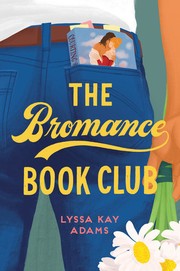
The Bromance Book Club
2,932-word summary 13 min read 384 pages in the book
- First published
- 2019
- Publisher
- Jove
- Pages
- 384
- ISBN
- 9781984806093
- Series
- Bromance Book Club (#1)
Reading options
What's inside (9 sections)
I picked up The Bromance Book Club on a dare from a friend who said it was the only romance she had ever seen my husband laugh at. She left her paperback on my porch with a note that said just read the baseball part. I started it late on a Friday, expecting something fluffy. I finished it Sunday with a lot of notes in the margins and a better sense of why the premise works. First published in November 2019 by Jove, it runs 384 pages and opens the Bromance Book Club series as book one. It follows Gavin Scott, a pro baseball player in Nashville, and his wife Thea as they try to save a marriage that has gone quiet and sore.
What pulled me in was how direct the setup feels. Gavin and Thea have been together since they were young. They have twin daughters, a house, careers, and a routine that looks fine from outside. Inside, they have stopped telling each other the truth about small hurts, so the big hurt lands harder. I have seen friends hit that stage where every talk about dishes turns into a talk about respect. Adams gets that slide right.
I should say going in that this is an open-door romance. The sex scenes are explicit and frequent in the second half. If you prefer closed-door stories, this one will feel like too much. If you like humor with your steam and a group of loud male friends arguing about fictional dukes, you will feel at home fast.
A marriage gone cold in Nashville
Gavin Scott pitches for Nashville. He is not a rookie chasing fame. He is a veteran starter who takes pride in control, in hitting his spots, in being reliable for his team and his family. He married Thea young, after a fast and intense courtship, and he still thinks of himself as a good husband. He brings home money. He loves his girls. He does not cheat. He does not yell. In his mind, effort counts as closeness.
Thea sees it differently. She loves Gavin, but she feels lonely inside the marriage. She gave up parts of her own life to keep the house running while Gavin traveled for ball. She has twin preschoolers who need constant care. She has stopped expecting Gavin to ask how her day really went. The physical side has faded too, in a way she has hidden because she did not want to wound him.
The break comes when Thea tells Gavin she wants a divorce. She does not say it to punish him. She says it because she feels she has disappeared. Gavin is stunned. He begs her to wait. She agrees to a trial separation under the same roof for a few months, mostly for the kids, while they decide. Friends and family notice the strain. Gavin's pitching slips. He walks around the house like a guest.
What stings Gavin most is what he learns after. While packing for a road trip, he finds a box of racy romance novels hidden in Thea's closet. Then, in a painful talk, Thea admits she has faked her responses in bed for years. She says it was not to lie so much as to avoid another awkward talk that went nowhere. Gavin hears only failure. His pride takes a direct hit. He is a man who prides himself on reading batters, and he missed the signals at home for years.
I liked this opening because Adams does not make either person a villain. Thea kept a secret that hurt. Gavin stopped asking questions that mattered. Both are tired. Both still care. The twins add pressure without becoming props. One scene where Gavin tries to do bedtime alone and ends up with milk on his shirt and two girls asking why Mama is crying stuck with me. It is funny and sad at once.
The secret club behind the bar
At his lowest point, Gavin gets pulled aside by one of his teammates. The man is Del, a veteran player with a loud laugh and a private habit. Del tells Gavin there is a group that meets in a back room and that Gavin needs it. Gavin expects poker or therapy. He finds a circle of men reading a romance novel and arguing about the hero.
The club calls itself the Bromance Book Club. The core at this point includes Del, who started it after his own marriage cracked, Malcolm, a younger player with a temper and a sharp tongue, and Mack, a calm ex-player who owns a bar and hosts the meetings. There are a couple of other regulars who drift in and out, a chef and a tech guy, but those three carry most of the talk. They have rules. What is said in the club stays in the club. They read the book. They do the work. No mocking the books.
Their current pick is Courting the Countess, a historical romance about an earl who must win back his wary wife. The men treat it like game film. They mark passages. They argue about why the earl's big speech failed and why a small act of listening worked. Malcolm complains the whole time, which made me laugh out loud twice. Mack takes notes like a coach. Del leads with the patience of someone who has been the student.
Gavin wants to scoff. He grew up thinking those books were silly. Del shuts that down fast. He tells Gavin his marriage ended once because he would not listen, and reading helped him see what apologies cost and what repair takes. He offers Gavin a choice. Keep doing what he has done and lose Thea, or try something that feels strange and see if it helps. Gavin, desperate and out of ideas, stays and reads.
This is the engine of the book. Each club meeting gives Gavin one idea to try at home. Listen first. Ask open questions. Do housework without being asked and without expecting praise. Learn what Thea actually likes. Stop keeping score. The men report back, tease each other, and call out excuses. It is sweet without turning soft. They still talk like ballplayers, crude and loyal, but they take the books seriously.
Reading lessons and awkward practice
Gavin starts small. He reads at night on road trips, highlighting lines about how the fictional earl learned to ask his wife about her day and actually wait for the answer. He practices on Thea in the kitchen, asking about her friends and her plans, then forcing himself not to fix or joke. At first he is stiff. Thea notices the effort and does not quite trust it.
He also starts showing up in the house in new ways. He does laundry without announcement. He handles school pickup and grocery runs. He learns the names of Thea's mom friends. He sits with the twins so Thea can take a bath without someone knocking. None of this is framed as heroic. The club tells him plainly that basic care is not a grand gesture. It is the floor.
The harder lesson is about sex. Gavin has always assumed confidence covers everything. The club, through the novel and through blunt talk, pushes him to see that his wife needs talk and trust before touch. One of the funniest and most useful scenes has Mack walking the group through how the earl learns to slow down, to ask, to pay attention to what his wife says she wants rather than what he assumes. Malcolm groans through it. Del makes everyone share one thing they got wrong. Gavin admits he never asked Thea what she liked because he feared the answer.
He starts to ask. Those early talks with Thea are clumsy. He apologizes too much in one scene and too little in the next. Thea tests him, pulling back to see if he will chase or sulk. Slowly, they find a better rhythm. He learns to listen when she talks about feeling invisible. She learns to say what she needs without apologizing for needing it.
I appreciated that Adams shows practice, not magic. Gavin rereads chapters. He texts Del for advice before a dinner. He blows a good moment by bragging to Malcolm about progress, then has to face Thea after she overhears something clumsy. Growth comes with backslides. That felt true to how people change in real houses with real kids and jobs.
Thea finds her own footing
While Gavin studies, Thea is not waiting around. That choice saves the book from feeling one-sided. Thea has her own friends, her own doubts, and her own past she has kept walled off. She starts spending more time with her sister and with a close friend who tells her not to settle for pretty words. She looks for part-time work that uses her design sense. She sets rules for the separation. No pretend family photos. No late-night talks that turn physical just because they are lonely.
Thea's past matters here. She grew up watching men leave or cheat, and she learned early to keep backup plans quiet. She does not tell Gavin everything about an old relationship that left her wary of needing anyone too much. She also does not tell him how deep her frustration runs about giving up school and work when the twins were born. When those details come out, they reframe her distance. She was not cold. She was protecting herself.
Her reading arc mirrors his, though she does not join the club. She rereads one of her favorite romances and starts to see Gavin more clearly. She notices he is trying to hear her rather than to win. She also notices when he slips into performance, saying the right line from the book rather than his own words. One strong scene has her calling him on it at dinner. She tells him she does not want a hero from a novel. She wants her husband to say what he actually feels, even if it comes out rough.
The twins keep the stakes grounded. Adams writes them as loud, funny, specific kids who love both parents and sense tension. They ask why Dad sleeps on the couch. They ask if they did something wrong. Gavin and Thea have to present a united front at school events while privately unsure if they will stay together. Those school and park scenes give the middle its weight. Love here is not only about chemistry. It is about whether two tired parents can still be kind when no one is watching.
Ballpark pressure and big mistakes
Just as things warm at home, work gets hard. Gavin's pitching suffers because his head is crowded. He overthrows. He argues with his catcher. Reporters ask about his marriage after someone spots Thea without her ring at a charity event. The club tells him to block noise, but blocking noise is easier in a novel than in a stadium with forty thousand people.
Gavin makes a real mistake in this stretch, and I was glad Adams let him. Trying to prove change, he plans a string of grand gestures that are more about him than Thea. He surprises her at work with flowers in front of coworkers who do not know they are separated. He posts something sweet online that outs their private business. Thea tells him to stop performing repair and start living it. Del backs her up in club, telling Gavin that a speech does not replace weeks of steady care.
There is also a locker room leak that tests trust. Malcolm, in a foul mood after a fight with his own girlfriend, repeats something Gavin shared in confidence. It gets back to Thea through the small world of team wives. Gavin has to decide whether to defend the club or own his part. He owns it, apologizes to Thea without blaming Malcolm, and takes a short break from meetings to show Thea she comes before the group. That choice costs him easy advice when he needs it most, which makes the next steps feel earned.
The low point arrives near a home stand. Thea finds notes Gavin made in the margins of Courting the Countess, with lines about winning her back like a plot point. She reads strategy where she wanted honesty. She tells him she needs space and takes the girls to her sister's for a weekend. Gavin sits in a quiet house, reads her copy of the book with her own notes in it, and finally sees how often she marked passages about being truly seen. He stops planning the next move and starts writing her a plain letter in his own voice. No quotes from dukes. Just what he missed, what he wants to learn, and what he will do whether she stays or goes.
Heat, honesty, and a hard-won reunion
The last third moves between heat and honesty. Gavin and Thea start dating again, awkwardly at first. They go to dinner without the kids. They talk about money, about chores, about how often they want Thea's family around. They talk about sex with more candor than before. Gavin asks what Thea likes, listens without defense, and follows her lead. Thea says what she wants out loud for the first time in years. Those scenes are explicit, but they serve the story. Pleasure here is tied to being heard.
Adams stages a strong reconciliation scene back at the house, not on the field. The twins are asleep. The kitchen is clean. Gavin reads his letter aloud, tripping over words, refusing to smooth it into a speech. Thea cries, then stops him when he slides into old promises. She asks for specifics. Who picks up the girls on late practice days. How they handle road trips. How they fight without shutting down. He answers with plans, not poetry. She agrees to try again, with counseling and with boundaries that protect her work time.
There is a public coda that fans of sports romance will like. Gavin pitches a strong game after the break, with the club in the stands heckling him lovingly. Thea brings the girls. No kiss-cam stunt saves the day. The win matters less than the fact that Gavin stays steady after a bad inning, breathing, resetting, trusting his catcher. The parallel is clear without being pushed. Practice holds under pressure when you have done the work.
The final club scene brings the theme home. The men start a new book, chosen by Gavin, about a hero who listens. Malcolm pretends to hate it and clearly loves it. Mack toasts to doing dishes and asking second questions. Del tells Gavin he is proud, then tells him to keep reading because marriage is not a season with an end. Thea does not join the meeting, which feels right. This was Gavin's classroom. Their story continues at home, not in the bar.
What worked and what wore thin for me
The humor worked best. The club banter never felt mean, and the contrast between tough athletes and tender novels stayed funny without mocking romance readers. Del's steady guidance gave weight. Mack's dry one-liners broke tension at the right times. The scenes where the men argue about consent and foreplay while eating wings manage to be both comic and respectful. Adams clearly loves the genre she is defending, and that affection carries pages that could have turned preachy.
The marriage itself felt lived in. I believed the tiredness, the love for the kids, the money and schedule stress, the way pride blocks apology. Thea's voice stayed strong. She is not a prize to be won. She has work, friends, hurt, and standards. Gavin's shift from fixing to hearing felt gradual and believable. The letter scene and the talk about chores landed harder for me than any bedroom scene because they showed change in daylight.
Fair criticism belongs here too. The middle repeats the grovel cycle. Gavin tries, Thea doubts, Gavin tries bigger, Thea doubts again. After the third loop, I started skimming club recaps to get back to the couple. A tighter middle with one fewer misunderstanding would have kept tension without fatigue. The baseball thread also stays thin. We get bullpen talk and a few starts, but little sense of a season, of stats, of what makes Gavin special on the mound beyond grit. Fans who want deep sports detail may feel shorted.
The side men can read as caricatures at times. Malcolm is almost always the hothead. Mack is almost always the calm coach. Del is almost always wise. Later books in the Bromance Book Club series give them more shade, but here they serve Gavin's arc more than their own. A couple of locker room jokes also lean crude in a way that undercuts the book's own point about respect. I laughed, then winced, then moved on.
Still, I closed the 384 pages feeling warm and a little called out in a good way. This is a romance that argues that love is attention plus action over time. It defends the genre without talking down to skeptics. It gives a flawed husband a path that does not excuse him and gives a tired wife room to choose. I handed my copy to my husband with one page flagged, the one where Del says apologies mean nothing without changed habits. He read it, nodded, and did the dishes without a speech. I will take that as a win.
FAQ
What is the Bromance Book Club in the novel?
A secret group of Nashville men including Del, Malcolm, and Mack who read romance novels to become better partners.
Why does Thea ask Gavin for a divorce?
She feels invisible after years of carrying the house and kids alone while Gavin focused on baseball.
Is The Bromance Book Club the first in a series?
Yes, it is book one in the Bromance Book Club series, published by Jove in 2019 with 384 pages.
Similar books
More from Bromance Book Club first, then related titles.

Big Swiss
A transcriptionist for a sex coach falls for one of his clients, the tall Swiss gynecologist she calls Big Swiss, in a funny novel about work and secrets.
2,523-word summary · 11 min read
The Bookish Life of Nina Hill
Bookstore Nina gains a family and pub-quiz love in Los Angeles.
2,399-word summary · 11 min read
Ghosts
At 32, food writer Nina Dean faces ghosting by Max and her father's dementia in London.
2,677-word summary · 12 min read
Size 12 Is Not Fat
Former teen pop star Heather Wells investigates two dorm elevator deaths while juggling her ex, her crush, and a size-12 wardrobe.
2,805-word summary · 12 min read

Dumplin'
Willowdean Dickson enters her town's beauty pageant as a protest and discovers that confidence is harder to keep once she lets someone close.
1,922-word summary · 9 min read
Mr. Maybe
Libby Mason wants a rich husband, but the wealthy man who proposes is dull and the broke writer she cannot forget is not offering forever.
2,322-word summary · 10 min read
Bet Me
A sharp actuary agrees to dinner with a charming serial bettor, then spends the next month pretending the wager does not matter.
2,710-word summary · 12 min read

One to Watch
A plus-size fashion blogger takes the lead role on a reality dating show to prove she belongs on television, and finds she might want what the cameras offer.
2,478-word summary · 11 min read
Eligible
Austen's Bennet sisters move to modern Cincinnati, where marriage is a reality show and the house is losing its value.
2,293-word summary · 10 min read
Wedding Night
Lottie marries an old flame days after a breakup, then flies to a Greek island while her sister quietly works to sabotage the honeymoon. A farce about memory,…
2,213-word summary · 10 min read

Dash & Lily's Book of Dares
Two lonely New York teenagers trade dares in a red notebook left at the Strand, falling for each other on the page before they meet.
2,228-word summary · 10 min read
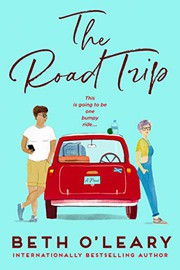
The Road Trip
Two exes squeeze into one small car for the drive to a Scottish wedding, with four years of history and one photograph between them.
2,418-word summary · 11 min read
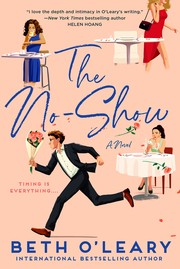
The No-Show
Three women are stood up on Valentine's Day by the same man, but the timeline is not what it seems. O'Leary's warmest book with a knife in it.
2,127-word summary · 9 min read
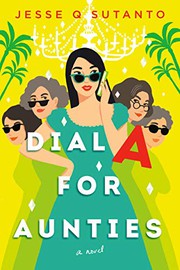
Dial A for Aunties
A wedding photographer accidentally kills her blind date, and her mother and three aunties help her hide the body during the biggest wedding of their careers.
2,076-word summary · 9 min read
Every Last Word
A girl with OCD finds poetry and friends who know her secrets.
2,434-word summary · 11 min read

Bridget Jones: The Edge of Reason
Bridget doubts Mark, takes a job with Daniel, and lands in trouble in Thailand.
2,198-word summary · 10 min read

Since You've Been Gone
Shy Emily spends summer finishing her vanished best friend Sloane list of thirteen dares, finding Frank, Dawn, and courage.
2,566-word summary · 11 min read
You Deserve Each Other
Engaged and miserable, Naomi and Nicholas wage a prank war to force a breakup, then face money, mothers, and truth in Sarah Hogle's funny romance with a tender…
2,415-word summary · 11 min read
Tangled
Told by a cocky businessman, a bet to win the new associate who rejects him turns into real pursuit, strict rules, a painful reveal and a wedding-level happy…
2,868-word summary · 13 min read
Jemima J
Overweight London journalist Jemima Jones invents a slim online self for a California lover, starves to match the photo, then faces betrayal and learns to…
2,883-word summary · 13 min read
Where Rainbows End
Told in letters and emails, Rosie Dunne and Alex Stewart grow from Dublin childhood to midlife, missing chances at love while raising Katie.
1,943-word summary · 9 min read
The Do-Over
Emilie relives awful Valentine Day with cheating boyfriend until Nick helps fix it.
2,071-word summary · 9 min read

Boyfriend Material
A tabloid-haunted charity worker fakes a romance with a straitlaced barrister in this funny 2020 London rom-com.
2,325-word summary · 10 min read
Twenties Girl
Dumped and flailing, Lara Lington is haunted by her great-aunt Sadie, a 1920s ghost who wants her lost necklace back.
2,938-word summary · 13 min read

Magnolia Parks
London socialite Magnolia Parks and BJ Ballentine keep hurting each other while trying to move on.
2,459-word summary · 11 min read
Get a Life, Chloe Brown
A chronically ill woman recruits her gruff handyman neighbor to help her finish a bold Get a Life list.
2,147-word summary · 10 min read
Someone Else's Shoes
A rich wife loses everything and a tired mom gains red heels when gym bags swap in London.
1,951-word summary · 9 min read

One Day in December
Laurie spots her dream man from a London bus, then meets him again as her best friend Sarah's new boyfriend.
2,513-word summary · 11 min read
The Flatshare
Two strangers share one bed on opposite shifts and fall in love through notes left around the flat.
2,793-word summary · 12 min read
The Kiss Quotient
Stella Lane hires escort Michael Phan to practice dating and learns logic fails where touch and family press in.
2,716-word summary · 12 min read