
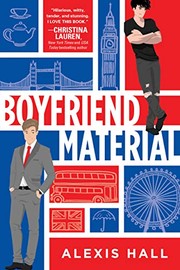
Boyfriend Material
2,325-word summary 10 min read 432 pages in the book
- First published
- 2020
- Publisher
- Sourcebooks Casablanca
- Pages
- 432
- ISBN
- 9781728206141
- Series
- London Calling (#1)
Reading options
What's inside (8 sections)
A friend pressed this book on me with the worst possible pitch. She said, you will hate the premise and love the book. She was right on both counts. Fake dating is my least favorite romance setup. It always feels engineered, two people lying to everyone around them while the reader waits for the obvious collapse. I picked up Boyfriend Material expecting to roll my eyes for four hundred pages. Instead I laughed on the train, missed my stop once, and finished the last fifty pages standing in my kitchen because sitting down felt like too much commitment.
Part of the charm is that Hall knows exactly what kind of book this is. She has said the novel was inspired by the Richard Curtis romances of the nineties and early two thousands, Notting Hill and Four Weddings and a Funeral and that whole bumbling British sincerity machine. This is the gay version of that tradition, updated for group chats and tabloid Twitter, and it wears the comparison lightly. The stakes are social rather than mortal. Nobody saves the world. People go to lunches. People survive parties. Feelings get hurt and then repaired. It should not work as well as it does.
The book came out in 2020 from Sourcebooks Casablanca, runs 432 pages, and opens the London Calling series. A sequel, Husband Material, followed in 2022. You do not need to know any of that to enjoy it, but it helps to know the author is playing a long game with these characters.
Luc O'Donnell is a professional disaster
Luc is twenty eight, gay, funny, and constantly one bad photograph away from unemployment. He is the only child of two nineteen eighties rock stars. His mother Odile raised him. His father, Jon Fleming, walked out when Luc was three and spent the next two decades drifting in and out of rehab and scandal. Now Jon is attempting a comeback as a mentor on a singing reality show called The Whole Package, which means the press has remembered that he has a son, which means Luc's face is back in the gossip pages at exactly the wrong moment.
His job makes this worse. Luc works for a tiny environmental charity with the unfortunate name of the Coleoptera Research and Protection Project, dedicated to saving the dung beetle. The acronym is what you think it is, and the book gets a lot of mileage out of that. His bosses are not thrilled that their beetle advocate keeps appearing in compromising tabloid photos. One such photo, the kind that looks far worse than the reality, sets the plot in motion. Luc needs to look respectable, settled, and boring, fast.
What I like about this setup is how specific it feels. Luc is not a vague hot mess. He has a real job with coworkers who depend on grant money, a flat he can barely afford, and friends who love him while being fully aware of his limits. His narration carries the whole novel, chatty and self deprecating and filthy in a way that sneaks up on you. He tells jokes when he is scared, which is most of the time. The comedy is doing structural work here. Every laugh buys Hall room for a sadder truth underneath.
And there is a sadder truth. Luc grew up watching his father choose fame and drugs over him, then watched the whole country treat that abandonment as entertainment. He has decided, on some level he barely admits, that he is only lovable in small doses. Flings are safe. Being known is dangerous. The book never states this in a therapy speech. It shows it in the way Luc deflects every serious conversation with a joke and then hates himself for joking.
The worst first date, then a business proposal
Enter Oliver Blackwood. Barrister. Ethical vegetarian. Owner of strong opinions about recycling and proper behavior at formal dinners. He has never caused a scandal in his life and clearly finds the concept exhausting. Luc's friends set them up, presumably on the theory that Oliver will be a calming influence, the way people suggest a salad after a week of takeaway.
The date is a catastrophe. They have nothing in common except being gay and single, and the conversation dies roughly eleven different ways. I will not spoil the details, but the scene where Luc realizes how badly it is going, while Oliver realizes the same thing at the same time, is some of the best cringe comedy I have read in years. Hall lets it run just long enough to hurt.
Then Luc does something honest, which for him counts as growth. He admits why he wanted the date. He needs a respectable boyfriend to parade in front of his employers and the press. Oliver, it turns out, has his own problem. He needs a date for his parents' anniversary party, a high stress family event he cannot face alone. So they make a deal. Oliver will play the steady boyfriend at Luc's work functions. Luc will play the charming plus one for Oliver's family weekend. Strictly temporary. Strictly for show. Nobody will catch feelings, obviously, and if you believe that, Hall has a bridge to sell you.
I admired how plainly the book states the terms. A lot of romances blur the arrangement so the leads can act surprised later. Here the rules are explicit, which makes every violation land harder. Every time one of them does something boyfriend shaped for real, checking in after a bad day or remembering how the other takes tea, the reader notices, even if the characters pretend not to.
Performing coupledom in front of an audience
The middle of the book is a tour of social humiliation, and I mean that as praise. Luc and Oliver attend a fancy work lunch that goes wrong in the tradition of classic British farce. Reviewers compared it to P. G. Wodehouse, and the comparison holds. There is a set piece involving Luc, Oliver, colleagues, and escalating misunderstandings that I had to stop reading twice because I was laughing too hard to see. The mechanics are precise. Every misunderstanding pays off later.
Around these set pieces, Hall builds two full social worlds, and keeping them straight takes some attention. On Luc's side: Bridget, who works in publishing and dates Tom, a man Luc briefly dated himself before introducing him to her, a backstory everyone handles with more maturity than I would. Priya, a cynical artist with multicolored extensions who drives a truck that rescues the plot more than once. And my favorites, two married men both named James Royce-Royce, one wildly flamboyant chef and one shy numbers guy, who function as a two person Greek chorus on Luc's love life.
On Oliver's side the crowd is posher and more brittle. His couple friends Jennifer and Peter, Brian and Amanda, Ben and Sophie trade the kind of competitive dinner party conversation that makes Luc want to climb out a window. Jennifer is a human rights lawyer with a fondness for hippos. Peter illustrates children's books. These details sound random listed out, but on the page they create a believable ecosystem of settled thirty something couples against which Luc and Oliver look increasingly, suspiciously real.
The family visits are where the comedy curdles into something sharper. Oliver's parents, David and Miriam Blackwood, have been married for decades and run their family like a firm. David is an accountant. Miriam gave up an academic career to raise her children and has opinions about everything her sons do. Their anniversary party is the book's big set piece, pages of excruciating politeness where every compliment contains a small blade. Oliver's brother Christopher and his wife Mia float through doing disaster relief work and being effortlessly perfect, which does not help. Watching Luc, chaos incarnate, try to behave at that table while Oliver slowly unravels is both hilarious and genuinely painful. You start to understand why Oliver, the most controlled person in the book, needs someone uncontrolled beside him.
The slow turn from acting to feeling
Somewhere in all the performing, the performances start slipping. This is the part every fake dating book has to nail, and Hall nails it by keeping the gestures small. Oliver starts texting to check on Luc after hard days. Luc notices what rattles Oliver and runs interference without being asked. They develop private jokes. They learn each other's tells. The physical relationship, which starts as part of the act, turns tender in a way that clearly frightens them both. Nobody announces a feeling. The feelings just accumulate until denying them costs more effort than admitting them.
The emotional core of the book, for me, is Luc's father. Jon Fleming's comeback puts Luc back in the tabloids, and then the story takes a turn I did not expect. Jon is diagnosed with cancer, and Luc has to decide what, if anything, he owes the man who abandoned him. These scenes are the best writing in the novel. Hall does not redeem Jon cheaply or make Luc forgive him on schedule. Instead she shows grief for a relationship that never existed, which is a stranger and harder thing than grief for one that did. Oliver's steadiness during this stretch earns him the reader's loyalty. He shows up. He does not make speeches. He drives, waits, and brings food. After hundreds of pages of banter, that quiet competence hits hard.
Mirroring this, Luc tries to help Oliver stand up to his parents, and it goes badly. This is one of my favorite choices in the book. In a lesser romance, the free spirit teaches the stiff to loosen up and everyone applauds. Here Luc's interference backfires. He misreads a family system he does not understand, says the wrong thing with the best intentions, and makes Oliver's life harder. The fallout feels earned rather than manufactured, because it grows out of who these people actually are. Luc fixes problems by charging at them. The Blackwoods punish charging.
A breakup, a grovel, and one ridiculous gesture
Yes, there is a third act breakup. You knew that. I knew that. The pigeons on my balcony knew that. The question is whether the book earns it, and I would say it earns about eighty percent of it. The fight that splits them comes from real material, Luc's terror of being truly known colliding with Oliver's terror of disappointing everyone. Old wounds open. Cruel things get said that cannot be unsaid quickly. The misery that follows is well drawn on both sides.
The reunion involves a grand romantic gesture in the classic Curtis mold, and it is deliberately, gloriously stupid. Hall knows the trope is absurd and leans into the absurdity instead of apologizing for it. I laughed, I teared up a little, and I forgave the contrivance. Mostly. A stricter reader could argue the gesture lets Luc off too easily, substituting spectacle for the slower repair work the fight seemed to demand. That reader has a point. Romance endings are promises, not transcripts, and this one promises that two damaged people will keep choosing each other. I bought it, with a small discount.
What tested my patience, and who should read it
No honest account of this book can skip its length. At 432 pages it is long for a romantic comedy, and the middle sags. There is a stretch, roughly the endless round of couple dinners and work events, where the pattern becomes visible. Perform affection, almost admit something, retreat into banter, repeat. Individual scenes sparkle, but the rhythm gets predictable. An editor could have cut thirty pages of social engagements without losing anything except some very funny but expendable jokes. Readers who prefer their romances tight may fidget.
Related to that, the supporting cast is almost too big. I loved the Jameses and Priya and most of Oliver's friends, but late in the book I started confusing the couples. Brian and Ben blurred. Their wives blurred. When emotional beats depend on people I can barely tell apart, the beats soften. A slimmer guest list would have sharpened everything.
Luc himself will not be for everyone. His narration is relentless, joke after joke after joke, and his self sabotage follows a pattern. He pushes Oliver away, regrets it, apologizes extravagantly, and does it again. The third cycle tested me. I wanted to shake him. Hall arguably wants me to want that, since Oliver clearly feels the same way, but recognition does not always equal enjoyment. If protagonists who weaponize humor exhaust you, this one will require breaks.
A content note, plainly stated. This is an adult romance with explicit open door scenes. The banter is filthy in places. The emotional themes include parental abandonment, illness, and anxiety. None of this is handled carelessly, but anyone expecting the closed door sweetness the Curtis comparison might suggest should adjust expectations. The movie version would be rated R.
So who gets the hand sell? Readers who love banter driven British comedy, opposites attract pairings with genuine friction, and slow burn fake dating done at the highest level of the form. Fans of Casey McQuiston's Red, White and Royal Blue will find a similar mix of politics free froth and real feeling, though Hall's London is grubbier and funnier. Anyone who likes their love interests competent and secretly soft, barristers with hidden depths and all that, will be well fed.
I finished the book converted on the premise I claimed to hate, which tells you something about execution. The fake dating here is not a trick. It is a lens. Two men who cannot admit what they want agree to pretend, and the pretending teaches them to stop. That is a simple machine, and Hall runs it with unusual warmth and wit. When I closed the book, my kitchen vigil complete, I texted my friend back. She replied with one word. Told you.
FAQ
Is Boyfriend Material the first book in a series?
Yes. It is London Calling book one, published in 2020 by Sourcebooks Casablanca, followed by Husband Material in 2022.
Is Boyfriend Material explicit?
Yes. It is an adult romance with open-door scenes and frank language, despite the cozy romantic comedy framing.
Who will enjoy Boyfriend Material most?
Fans of banter-driven British comedy, opposites attract pairings, and fake dating with real emotional stakes.
Similar books
More from London Calling first, then related titles.
Size 12 Is Not Fat
Former teen pop star Heather Wells investigates two dorm elevator deaths while juggling her ex, her crush, and a size-12 wardrobe.
2,805-word summary · 12 min read
The Ex Talk
Two rival public radio producers pretend to be exes for a dating show, then fall for each other while the lie grows.
2,389-word summary · 11 min read
Mr. Maybe
Libby Mason wants a rich husband, but the wealthy man who proposes is dull and the broke writer she cannot forget is not offering forever.
2,322-word summary · 10 min read
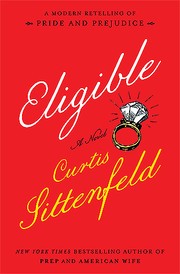
Eligible
Austen's Bennet sisters move to modern Cincinnati, where marriage is a reality show and the house is losing its value.
2,293-word summary · 10 min read

Big Swiss
A transcriptionist for a sex coach falls for one of his clients, the tall Swiss gynecologist she calls Big Swiss, in a funny novel about work and secrets.
2,523-word summary · 11 min read
Wedding Night
Lottie marries an old flame days after a breakup, then flies to a Greek island while her sister quietly works to sabotage the honeymoon. A farce about memory,…
2,213-word summary · 10 min read
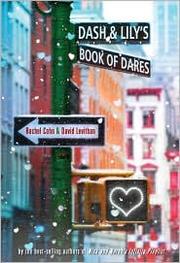
Dash & Lily's Book of Dares
Two lonely New York teenagers trade dares in a red notebook left at the Strand, falling for each other on the page before they meet.
2,228-word summary · 10 min read
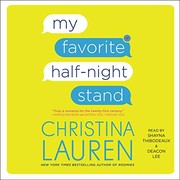
My Favorite Half-Night Stand
Millie, a criminology professor who has always been one of the guys, invents a secret dating profile and matches with her best friend Reid.
2,362-word summary · 10 min read
Take a Hint, Dani Brown
A viral rescue video turns a PhD student and a grumpy security guard into internet couple goals, and the fake relationship they build to keep the attention…
2,005-word summary · 9 min read
Dial A for Aunties
A wedding photographer accidentally kills her blind date, and her mother and three aunties help her hide the body during the biggest wedding of their careers.
2,076-word summary · 9 min read
The Bookish Life of Nina Hill
Bookstore Nina gains a family and pub-quiz love in Los Angeles.
2,399-word summary · 11 min read
Bridget Jones: The Edge of Reason
Bridget doubts Mark, takes a job with Daniel, and lands in trouble in Thailand.
2,198-word summary · 10 min read
You Deserve Each Other
Engaged and miserable, Naomi and Nicholas wage a prank war to force a breakup, then face money, mothers, and truth in Sarah Hogle's funny romance with a tender…
2,415-word summary · 11 min read
The Bromance Book Club
A Nashville pitcher joins a secret romance book club to save his marriage after his wife Thea asks for divorce. He trades pride for listening, chores, and…
2,932-word summary · 13 min read
Tangled
Told by a cocky businessman, a bet to win the new associate who rejects him turns into real pursuit, strict rules, a painful reveal and a wedding-level happy…
2,868-word summary · 13 min read
Jemima J
Overweight London journalist Jemima Jones invents a slim online self for a California lover, starves to match the photo, then faces betrayal and learns to…
2,883-word summary · 13 min read
Ghosts
At 32, food writer Nina Dean faces ghosting by Max and her father's dementia in London.
2,677-word summary · 12 min read
The Do-Over
Emilie relives awful Valentine Day with cheating boyfriend until Nick helps fix it.
2,071-word summary · 9 min read
Twenties Girl
Dumped and flailing, Lara Lington is haunted by her great-aunt Sadie, a 1920s ghost who wants her lost necklace back.
2,938-word summary · 13 min read
Fix Her Up
Party clown Georgie fakes a romance with ex ballplayer Travis to earn respect, and their act turns real in Port Jefferson.
2,368-word summary · 11 min read
Get a Life, Chloe Brown
A chronically ill woman recruits her gruff handyman neighbor to help her finish a bold Get a Life list.
2,147-word summary · 10 min read
The Right Move
Grumpy ball star and sunny flight attendant fake date for cameras and keep every rule but one.
1,995-word summary · 9 min read
The Bodyguard
Hannah Brooks, an executive protection agent grieving her mother, poses as movie star Jack Stapleton's girlfriend on his Texas family ranch.
3,962-word summary · 18 min read
Yours Truly
Divorced ER doctor Briana Ortiz fake dates anxious newcomer Jacob Maddox, trading honest letters while her brother waits for a kidney donor.
2,475-word summary · 11 min read
Twisted Lies
Shy influencer Stella Alonso fake dates billionaire Christian Harper to save her career, until a returning stalker forces them into his penthouse.
2,455-word summary · 11 min read
The Kiss Quotient
Stella Lane hires escort Michael Phan to practice dating and learns logic fails where touch and family press in.
2,716-word summary · 12 min read
Can You Keep a Secret?
Emma blurts every secret to a stranger on a turbulent flight, then finds him running her company.
3,114-word summary · 14 min read
Better than the Movies
A rom com obsessed senior hires her annoying next door neighbor to win her crush, then finds real love is messier and kinder than any movie plot.
2,438-word summary · 11 min read
The Love Hypothesis
Love Hypothesis retold: Olive fakes dating Adam, lab hijinks, consent talks, Boston fall.
2,009-word summary · 9 min read

What Happened to Goodbye
Mclean has reinvented herself in four towns since her parents divorced. In Lakeview she uses her real name, and for the first time staying put becomes a choice.
2,796-word summary · 12 min read