
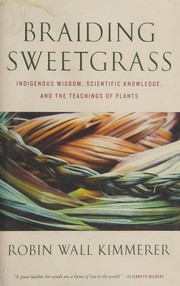
Braiding Sweetgrass
2,410-word summary 11 min read 320 pages in the book
- First published
- 2013
- Publisher
- Milkweed Editions
- Pages
- 320
- ISBN
- 9781571313355
Reading options
What's inside (7 sections)
A friend pressed this book on me after I complained that most nature books make me feel guilty and then leave me there. She said this one was different. It took me a few months to start it because the full subtitle sounded heavy: Indigenous Wisdom, Scientific Knowledge and the Teachings of Plants. I expected lectures. What I got instead was a set of stories about strawberries and pecans and pond scum, told by someone who knows the Latin names and also says thank you out loud. Milkweed Editions published it in 2013, and the first hardcover runs 320 pages. It reads like sitting at a kitchen table with a botanist who is also a mother and an enrolled member of the Citizen Potawatomi Nation, and who keeps refilling your tea while she talks.
The opening story reset my expectations fast. Kimmerer retells the Potawatomi creation account of Skywoman falling from the sky world, carrying seeds in her hands, landing on the back of a turtle with help from geese. The animals take turns diving for mud so she has somewhere to plant. She dances the land into being. Kimmerer pairs that with her own small attempt to plant sweetgrass in a new garden in upstate New York, in poor clay soil behind her house. The sweetgrass almost fails. Then it spreads once she stops hovering and starts paying attention to what the plant wants: sun, water, company.
That pairing is the whole method. A teaching story, then a field note. A memory from childhood, then a botany lesson. She never treats the two as opponents.
Learning to speak like a relative
One of the early chapters that got under my skin is about grammar. Kimmerer teaches plant ecology at SUNY in Syracuse, and she describes listening to her students struggle to describe the living world without sounding detached. In English we call a plant an it. She proposes, half seriously and half as a real experiment, that English borrow from Potawatomi ways of speaking and use ki for a living being and kin for living beings plural, so a maple is ki, not it. Pronouns shape attention. If a tree is ki, you pause before you cut.
I tried it on a walk the next day and felt silly, then oddly corrected. Saying ki forced a small bow in my head.
She follows that language chapter with asters and goldenrod, the purple and gold flowers that bloom together along roadsides in September. As a scientist she explains their trick: they share pollinators instead of competing, and together they draw more bees than either would alone. Bees learn that purple plus yellow means food. The color combo is advertising. As a storyteller she frames it as a lesson in partnership rather than rivalry. Two different plants, side by side, both fed because they bloom at the same time.
The pecan chapter works the same way. She visits a pecan grove and talks about masting years, when trees in a region all produce huge crops at once and then rest. Animal eaters get stuffed one year and go hungry the next, which keeps their numbers in check and lets more seeds survive. Economists might call it boom and bust. Kimmerer calls it a council. The trees act together without a boss. She sat under those trees remembering her father and the way pecans showed up at family tables as abundance you share, not wealth you store.
These chapters move slowly. Some readers will want her to get to the point. I came to like the slowness because the science lands without charts. Photosynthesis, pollination, seed dispersal, all arrive inside a memory.
Strawberries, squash, and the rules for taking
The middle of the book centers on food and gifts. There is a chapter on wild strawberries that many people quote, and I see why. She writes about picking June strawberries with her daughters, the small ones that stain your fingers, and about the teaching that strawberries were given as a gift and a reminder. A gift is not free in the cheap sense. It creates a bond. You receive, and then you owe care in return.
That leads to one of the plainest ethical lists I have read in a nature book. She calls it the Honorable Harvest. Ask permission before you take. Listen for the answer. Take only what is offered. Take no more than half, and leave some for others. Never take the first plant you see, or the last. Harvest in a way that does the least harm. Share what you gathered. Be grateful. It sounds simple on paper. In practice it asks you to slow down enough to notice whether a patch is thriving or stressed, whether animals have already been feeding there, whether rain has been scarce.
She tests those rules against her own life. There is a funny and pointed section about gathering black ash for baskets, and about leeks in spring woods where city foragers can strip a slope bare in a weekend. Rules help. Relationship helps more.
Then come the Three Sisters: corn, beans, and squash planted together. Corn gives beans a pole to climb. Beans pull nitrogen from the air into soil that corn feeds on. Squash spreads broad leaves that shade weeds and hold moisture. Kimmerer grows them in her garden and also visits farmers who plant them at scale. She describes the kitchen side too, how niacin in corn becomes available when cooked with ash, how beans round out protein, how squash seeds carry oil. School gardens love this chapter because kids can see cooperation with their eyes. I loved it because it refused to separate agriculture from culture. Planting instructions and dinner and ceremony all sit in the same row.
There is also a chapter built around beans sprouting in a classroom, where students watch roots find their way. She uses that small sprouting to talk about knowledge that lives in hands, not only in books. Children who have never gardened learn to read a seed the way you learn to read a face.
If you hunt for flaws, this is where one shows up. She repeats the gift idea often. Gift, gratitude, return. After the third or fourth return to it I thought, yes, I understand the pattern. A reader who prefers tight argument will find these food chapters circling. I found the circling mostly warm, though I skimmed a few pages in the bean section where the classroom scene stretched longer than it needed to.
Sugar moon and pond water
My favorite stretch follows the seasons. Maple Sugar Moon describes late winter sugaring in the woods with buckets and steam, cold fingers, the smell of woodsmoke, the long boil from thin sap to syrup. She goes out with her daughters and neighbors, watches who shows up to help and who only shows up for pancakes. The science slips in sideways: why sap runs on freezing nights followed by thawing days, how pressure shifts in xylem, why maples can spare some sugar in spring. The human part matters more to her. Sugaring only works if people agree to be cold together for a while.
Witch hazel gets a short, odd chapter I kept thinking about. It blooms in November, yellow threads in gray woods, when almost everything else has shut down. She uses it to talk about paying attention out of season, about medicine that arrives late. As someone who tends to quit walks by October, I took the hint.
The pond chapters surprised me most. One follows the green life in a small farm pond through the year: algae, water lilies, frogs, muskrats. She writes about the consortium of algae and fungi that form lichens, and about the way a pond clears and clouds. There is a passage where she sits with her daughter watching lilies open in morning light. It could have turned sentimental. It stays grounded because she names the parts. Stomata, rhizomes, filaments. Love with labels.
A Mother's Work braids those pond mornings with the daily labor of raising kids while holding a faculty job. She is honest about exhaustion. Field season collides with school pickup. Grants collide with ear infections. She does not present motherhood as a metaphor for ecology. She presents it as ecology: feeding, sheltering, cleaning, teaching young creatures to live without you. That chapter made me call my sister, which is not something botany writing usually does.
Allegiance to Gratitude introduces the Haudenosaunee Thanksgiving Address, a long spoken greeting that thanks the waters, the plants, the animals, the winds, the sun, and the teachers who came before. She heard it as a newcomer and first found it long. Then she started bringing a shortened form into her classes. Students who rolled their eyes in September were saying the words from memory by November. I tried reading a version aloud at home and ran out of breath halfway. That breathlessness was the point. The list is long because the world is full.
When the land is hurt
The tone shifts when she writes about damage. The hardest chapter to read covers Onondaga Lake near Syracuse, sacred to the Haudenosaunee and for decades one of the most polluted lakes in the country from soda ash waste, mercury, sewage, and industrial dumping. She walks the shore with students, tests water, looks at signs warning against fishing and swimming. She does not look away from the numbers. At the same time she records the lake as a relative who is sick, not as a lost cause. Restoration crews cap sediments, plant natives, watch eagles return. Progress is slow and partial. She lets both truths sit side by side: the wound is real, and the lake still gives.
Another strong section follows fire at Cascade Head on the Oregon coast, where prairie grasses need burning to stay open and where researchers and tribal burners argue, learn, and sometimes work together. She describes kneeling in ash, finding green shoots within days, smelling sweet smoke in her clothes for a week. Fire frightened me as a kid after a brush fire near our town. Reading her account helped me separate wildfire driven by drought and fuel buildup from tended fire that renews. One destroys seed banks. The other wakes them.
Windigo Footprints names the hunger that causes the damage. Windigo is a winter monster from Anishinaabe stories, a gaunt figure who eats and eats and never fills, ice in its heart. She uses it to describe an economy built on taking without return: mines, clearcuts, suburbs that pave wetlands and then pay for floods. The image is stark without needing charts. I recognized the Windigo in my own shopping habits, in boxes arriving weekly with things I barely needed.
She also writes about places where science and ceremony meet awkwardly. Botanists count stems. Basket makers pray before they pick. A forester marks plots. A family marks seasons by first salmon or first berries. Sometimes the two groups talk past each other. Sometimes a student translates. Those scenes rang true to me from town meetings about a local creek, where engineers brought models and older residents brought memories of floods, and both held facts the other lacked.
The chapter on old growth forest, where she brings undergraduates to stand among huge trees, captures that meeting point. Students who spent the semester memorizing terms go quiet. One cries. Another measures bark like it will explain the quiet. Kimmerer does not mock either response. Measurement and awe both count as attention.
What I argued with and what stayed
I should name where I pushed back, because the book invites it. Kimmerer sometimes picks the science that fits the teaching and leaves out the rest. Predation, disease, competition, and extinction get less space than cooperation and gift giving. Forests also thin each other. Ponds also choke. Strawberries also lose to slugs. She knows this, and she nods to it, but the emphasis stays on mutual help. A reader trained in ecology may want more on conflict. A reader new to plants may walk away thinking nature is kinder than it is.
The structure also repeats. Gratitude returns as answer in chapter after chapter. Return the gift. Say thank you. Give back. I agree with the ethic, and I still tired of the refrain near the end. A firmer edit could have cut twenty pages and kept the force.
And this is not a field guide or a policy plan. If you want identification keys, planting zones, or bills to support, you will need other books. She offers stories and a stance, not steps for city councils. Readers who want action items may feel restless. I felt that restlessness myself around page 250 and had to ask what I actually wanted from her. A list would have been easier to share. A changed habit is harder and probably better.
What stayed with me after finishing was smaller and more practical. I started saying thank you when I pick herbs on the windowsill, which sounds precious until you try it. The pause stops me from stripping the basil bare. I planted squash under corn this spring in a narrow bed, and the shade really did cut weeding. I left half the serviceberries on the bush for waxwings instead of netting the whole shrub. None of these acts will fix a lake. All of them changed how my street feels to walk down.
The closing movement returns to sweetgrass and to the braid itself. Three strands: science, traditional knowledge, and personal story. Pull too hard and the braid snaps. Leave it loose and it falls apart. The right tension holds. She writes about weaving baskets and hair, about daughters learning the over under rhythm, about bringing sweetgrass to schools and ceremonies. The final call is plain: receive with attention, give in return, teach someone else the pattern.
I closed the book thinking about my neighbor who mows a perfect lawn to the curb and sprays whatever creeps in. I used to judge him silently. Now I wonder what gift his yard could give if clover stayed, if leaves stayed, if a corner went to asters and goldenrod for September bees. I have not knocked on his door yet. I am practicing the words, and practicing listening for the answer, the way the Honorable Harvest asks. That pause, between wanting and taking, feels like the whole book in one breath.
FAQ
When was Braiding Sweetgrass published?
Milkweed Editions published the first hardcover in 2013. It runs 320 pages and the ISBN is 9781571313355.
Does the book favor Indigenous knowledge over science?
No. Kimmerer holds both together, pairing botany lessons on pollination and masting with Potawatomi teachings on gratitude and return gifts.
Who should read Braiding Sweetgrass?
Readers who enjoy nature writing, memoir, and plant ecology, especially those open to ceremony and slow seasonal stories rather than a field guide.
Similar books
The Anthropocene Reviewed: Essays on a Human-Centered Planet
John Green reviews ordinary parts of human life on a five-star scale, turning geese, keyboards, and sunsets into a warm memoir about attention.
2,982-word summary · 13 min read
Animal, Vegetable, Miracle: A Year of Food Life
A family eats only local for a year from their Virginia farm.
2,270-word summary · 10 min read
On the Origin of Species
Darwin's 1859 case for evolution by natural selection, from Beagle finches and breeding pigeons to fossils and anatomy.
2,589-word summary · 12 min read
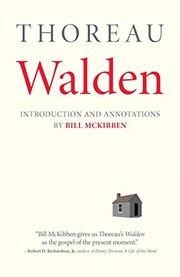
Walden
Thoreau builds a cabin at Walden Pond and spends two years testing what a person really needs to live well.
2,986-word summary · 13 min read
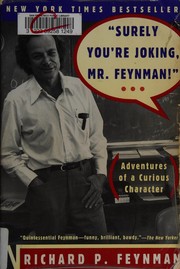
Surely You're Joking, Mr. Feynman!
Feynman drums, cracks safes, and learns by doing from Los Alamos to Caltech classrooms.
1,946-word summary · 9 min read

Long Walk to Freedom
Mandela's account of a Thembu childhood, a law practice, a banned movement, twenty-seven years in prison, and the negotiation that ended apartheid.
2,454-word summary · 11 min read

1491: New Revelations of the Americas Before Columbus
Charles C. Mann gathers archaeology, ecology, and demography to argue that the Americas before Columbus were older, fuller, and more deliberately shaped than…
2,712-word summary · 12 min read

In Order to Live: A North Korean Girl's Journey to Freedom
A young North Korean girl crosses the Yalu, survives trafficking in China, and rebuilds her life in Seoul in this unsparing memoir.
2,027-word summary · 9 min read

Too Much and Never Enough: How My Family Created the World's Most Dangerous Man
Mary L. Trump's 2020 memoir traces how a cold, zero-sum Queens household shaped her uncle, and uses family tax documents to challenge his self-made story.
2,059-word summary · 9 min read
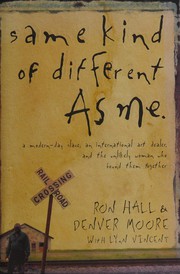
Same Kind of Different as Me
An art dealer and a formerly homeless sharecropper tell the story of the friendship that began at a Fort Worth mission and the woman who insisted on it.
2,023-word summary · 9 min read

Moonwalking with Einstein: The Art and Science of Remembering Everything
A journalist spends a year training for the U.S. Memory Championship and discovers that extraordinary memory is mostly technique, attention, and a lot of…
2,027-word summary · 9 min read

Infidel
Ayaan Hirsi Ali's memoir of a Somali childhood, a forced marriage, a Dutch asylum claim, and the political fight that followed the murder of Theo van Gogh.
2,041-word summary · 9 min read

Down and Out in Paris and London
Orwell's account of washing dishes in Paris hotels and tramping through London does not ask for pity, only for a clear look at how poverty actually works.
2,282-word summary · 10 min read
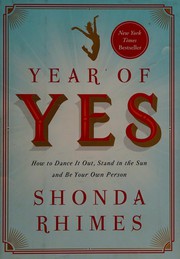
Year of Yes: How to Dance It Out, Stand in the Sun and Be Your Own Person
Shonda Rhimes takes her sister’s accusation seriously and spends a year saying yes to the things that frighten her, from live television to her own reflection.
2,585-word summary · 11 min read

The Girl with Seven Names: A North Korean Defector's Story
Hyeonseo Lee crossed the frozen Yalu River at seventeen, spent years hidden in China, escaped to South Korea, and later returned to rescue her family.
2,404-word summary · 11 min read

Love Does
A lawyer and activist tells stories of saying yes, showing up, and loving people through ordinary, often ridiculous actions.
2,411-word summary · 11 min read
Breath: The New Science of a Lost Art
Journalist James Nestor investigates how modern humans learned to breathe badly, and what researchers, athletes, and breathwork practitioners have found about…
2,011-word summary · 9 min read
Beautiful Boy: A Father's Journey Through His Son's Addiction
David Sheff recounts watching his son Nic slide into meth addiction, and his own desperate, humbling search for how to help without destroying them both.
2,076-word summary · 9 min read
The Magnolia Story
How Chip and Joanna Gaines met, closed their first shop, nearly lost everything in a housing development, and built Fixer Upper.
2,994-word summary · 13 min read
Lone Survivor: The Eyewitness Account of Operation Redwing and the Lost Heroes of SEAL Team 10
Marcus Luttrell's account of the 2005 SEAL mission in Afghanistan that killed three of his team and left him alone.
2,144-word summary · 10 min read
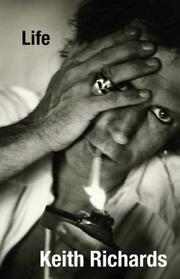
Life
The Rolling Stones guitarist tells his own story: a Dartford childhood, the band's first gigs, the drug raids, the tax years and Patti Hansen.
2,761-word summary · 12 min read
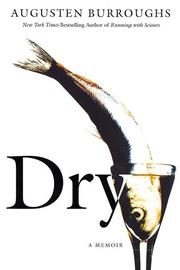
Dry
A memoir of drinking, rehab and relapse, and the strange business of getting sober one morning at a time.
2,643-word summary · 12 min read

Dear Girls: Intimate Tales, Untold Secrets & Advice for Living Your Best Life
Ali Wong's debut collects fourteen letters to her daughters, covering sex, money, work, marriage, Vietnam, and being a working Asian American mother.
2,266-word summary · 10 min read
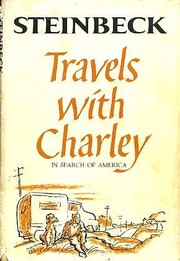
Travels with Charley
Steinbeck drives across America with his poodle Charley, looking for the country he remembers and finding a place that has changed.
2,039-word summary · 9 min read
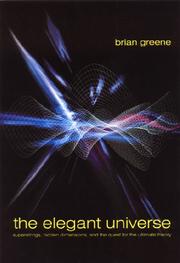
The Elegant Universe: Superstrings, Hidden Dimensions, and the Quest for the Ultimate Theory
Brian Greene explains relativity, quantum mechanics, and the promise of string theory without requiring a physics degree.
2,110-word summary · 9 min read

Smoke Gets in Your Eyes: And Other Lessons from the Crematory
A young medieval history graduate takes a job at an Oakland crematory and becomes a mortician, confronting the physical reality of death and the funeral…
2,003-word summary · 9 min read

Scrappy Little Nobody
Anna Kendrick's essays trace her path from a Portland childhood and Broadway to Hollywood, with jokes, anxiety, and a refusal to pretend fame fixed her.
2,092-word summary · 9 min read

Red Notice
An American financier in Moscow exposes a $230 million tax fraud, watches his lawyer die in prison, and turns the case into an international human rights law.
2,008-word summary · 9 min read

Attached
A psychiatrist and a psychologist explain adult attachment styles and show how anxious, avoidant, and secure patterns shape dating, conflict, and the search…
2,157-word summary · 10 min read

The Letters of Vincent van Gogh
Vincent van Gogh's letters to his brother Theo, in a Penguin Classics selection edited by Ronald de Leeuw, trace a decade of work, faith, and obsession.
2,611-word summary · 12 min read