
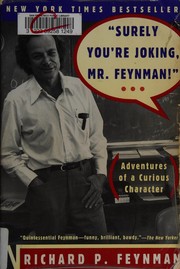
Surely You're Joking, Mr. Feynman!
1,946-word summary 9 min read 350 pages in the book
- First published
- 1985
- Publisher
- W. W. Norton
- Pages
- 350
- ISBN
- 9780393019216
Reading options
What's inside (4 sections)
Physics as told by a drummer who picks locks. Surely You're Joking, Mr. Feynman! by Richard P. Feynman was first published in 1985 by W. W. Norton, a 350 page hardcover with ISBN 9780393019216, edited from taped talks with Ralph Leighton. Feynman won the Nobel, helped build the bomb, taught at Caltech, and played bongos in Brazil. The book is stories, not equations. I read it with a grin that kept breaking into thought, which is exactly his teaching method. Joke first. Idea inside.
The voice is pure Feynman. Fast. Blunt. Curious about everything including why flowers are beautiful to artists and scientists both. He tells tales from Los Alamos, Cornell, and Caltech with names named and pranks detailed. Safecracking. Ant swarms. Naked drawing classes. Each story lands a lesson about thinking from scratch rather than obeying prestige. Experts say. Textbooks say. Try it yourself and see. That method made him a great physicist and an even better explainer. Readers do not need math to follow. Just willingness to test.
What surprised me is how much grief sits under jokes. His first wife Arlene died young while he worked on the bomb. Letters to her after death, included without sentimentality, show love that outlasts security clearances. He does not moralize about work versus wife. He reports long days, missed visits, and guilt that no Nobel fixes. Those pages steady the comedy with weight. Fun matters. People matter more. He learned both too late for one and just in time to teach the other.
Los Alamos and safes
The bomb project chapters are the best reporting on genius at work that non scientists can enjoy without equations. Feynman, twenty something, runs computing groups with punch cards, fixes leaks between theory and engineering, and picks every safe on base to prove combination locks are theater. Generals fume. Colleagues laugh. Security improves because a kid showed off. That pattern, mischief that reveals truth, repeats through the book. Play first. Publish the hole after.
His safecracking lessons deserve specifics because they teach thinking, not crime. Most safes used factory defaults. People wrote combos in desks. Filing cabinets opened with jiggling while talking. He never broke metal. He broke habits. The lesson generalizes to all security and all science. Check defaults. Watch humans, not just math. Those habits made him a good physicist. Nature keeps defaults too. Find them by playing, not by worshipping apparatus. Students who fear looking silly should read these pages twice. Looking silly was his method. Respectable people missed what playing found.
Arlene letters thread through Los Alamos with restraint that hits harder than any eulogy. She had tuberculosis. He visited when allowed. They wrote in code about work he could not name. After she died, he kept working because stopping would not help anyone and because grief needs tasks. He does not frame this as noble. Just what happened. A scene where he buys her a watch she will not live to wear and brings it anyway broke me more than any physics triumph. Love persists past utility. That is the whole human curriculum in one gift.
The computing chapters show collaboration without romance. Punch card operators, mostly women, running numbers Feynman needed. He learned their names and bottlenecks. He redesigned forms to reduce errors. Management noticed output, not method. That attention to workers over machines prefigures his teaching style. Respect the people doing steps. They know where errors live. Modern managers could take the chapter as training. Ask the operators. Bring pie. Fix forms. Output follows.
A fair note. Some pranks read differently now. Breaking into colleagues desks for laughs. Commenting on women in Brazil with sixties ease. Feynman admits some of it with a shrug that modern readers will find thin. He was a man of his time who questioned physics more than customs. Enjoy the curiosity while noting the blind spots. The book is better read with margins for argument than as gospel. Argue with him. He would like that more than worship.
Teaching and drumming
The teaching chapters are why the book lasts beyond anecdotes, so they deserve slow reading. At Cornell and Caltech, Feynman refuses to lecture from books students can read. He tells stories that lead to principles. Why rubber bands heat when stretched. How ants find sugar through trials. What happens if you spin a plate while walking. Each demo invites testing over memorizing. Students who expected derivations get toys. Most love it. Some complain he never teaches the course. Both are right. He teaches thinking, not syllabus. Exams suffer. Minds wake.
Brazil samba sections show learning by immersion that embarrasses tourist brains. He joins a street band for Carnival, practices drums until hands bleed, and performs badly enough to be loved. He does not master samba in a month. He learns enough to feel rhythm as knowledge the body holds before mind names. That experience shapes his physics teaching after. Let students play before defining. Definitions stick when fingers already know. Music teachers will nod. So should science teachers. Play first. Name later.
Drawing classes in middle age give the book its humblest arc. Feynman, famous and gray, enrolls as a beginner who cannot draw a line. He practices nightly, gets critiqued by art students who do not know his prize, and improves to competent portraits through work, not talent. He learns that seeing beats knowing. An eye that measures angles draws better than a mind that names bones. That lesson loops back to physics. Look at nature before consulting authority. The book title comes from a Princeton tea where a dean wife asked about milk before tea and he joked through class anxiety. Curiosity over manners, again. Always.
The closing Caltech lectures on cargo cult science deserve inclusion as ethics without preaching. Do not fool yourself, and you are the easiest person to fool. Report what would disprove you. Publish methods, not just results. He gives the shuttle Challenger investigation as example, showing O ring data in ice water on television. Simple demo beats panels. That integrity, playful and stubborn both, is the book final gift. Joke often. Lie never, especially to yourself. I closed with a pencil worn down and a drum pattern in my head. Annoying. Useful. True enough to use on Monday. The Challenger epilogue deserves a final note on integrity as performance under pressure. Called to investigate the shuttle disaster, Feynman drops a rubber ring in ice water on television to show O rings fail in cold. Simple demo beats panels of jargon. Managers who approved launch despite warnings sit silent while cameras watch physics. That moment summarizes his whole method. Test in public. Show work. Let nature vote. Students who fear looking silly should watch that clip after reading. Looking silly on TV saved future crews. Respectable silence killed seven. Choose silly with data every time. The drawing class arc deserves one more pass as the book humblest proof that seeing beats knowing at any age. Feynman, famous and gray, enrolls as a beginner who cannot draw a line. He practices nightly, gets critiqued by art students who do not know his prize, and improves to competent portraits through work, not talent. He learns that an eye measuring angles draws better than a mind naming bones. That lesson loops back to physics directly. Look at nature before consulting authority. The title story, milk before tea at Princeton, makes the same point socially. Curiosity over manners. Ask the supposedly stupid question that unlocks the real one. Colleagues laughed then. Students learn it now. Play first. Name later. Always, at any age, with any subject.
Read it if you like smart funny memoirs with tools inside jokes. Pair with hand drums or lock puzzles, metaphorically. Do not expect equations. Expect methods for thinking that transfer to kitchens and code. By the last page you will test something small just to see. I did, with ants and sugar on a sidewalk. Kids joined. We watched for an hour. Feynman would approve of the hour more than any grade. Curiosity with honesty beats prestige without it. That line should be on lab walls and kitchen fridges both. The Brazil chapters deserve one more pass on learning as humility practice that embarrasses tourist brains in useful ways. Feynman arrives expecting to teach physics and discovers students memorized without understanding. He could scold about rote schools. Instead he joins a street samba band for Carnival, practices drums until hands bleed, and performs badly enough to be loved. He does not master samba in a month. He learns enough to feel rhythm as knowledge the body holds before mind names. That experience shapes his Caltech teaching after. Let students play before defining. Definitions stick when fingers already know. Music teachers will nod. So should science teachers. Play first. Name later. The order matters more than the syllabus. Deans notice scores eventually. Students notice joy immediately. Both improve when play leads. Feynman proved it with blisters to show. Los Alamos computing crews deserve a last salute as the book unsung heroes. Mostly women running punch card machines through nights, catching errors physicists missed. Feynman learned their names and bottlenecks instead of demanding faster output. He redesigned forms to reduce mistakes at the source. Management noticed numbers. Workers noticed respect. That attention to operators over apparatus prefigures his teaching style directly. His Cornell lectures on everyday physics show the same faith in play. Spinning plates. Wobbling bicycles. Ants in sugar mazes. Each demo starts with toys and ends with principles students discover themselves. No one sleeps through plates. Everyone remembers the wobble. That is pedagogy as performance in the best sense. Entertain first. Equations ride along willingly after.
His marriages thread through jokes with grief that steadies rather than sinks. Arlene, first wife, dying young while he built bombs he could not discuss. Gweneth, later wife, steady through fame and illness with bluntness that matches his. He tells both stories without turning wives into lessons. Arlene letters included verbatim. Gweneth arguments reported with her winning lines kept. That fairness to partners missing from many genius memoirs keeps the book human scaled. Brilliance needs witnesses who pack lunches and call out nonsense. Thank them in print, which he does, awkwardly and truly. The Cornell everyday physics lectures deserve a fuller salute as teaching at its most generous. Spinning plates wobbling across a cafeteria. Bicycles steered hands free to feel gyroscopes. Ants in sugar mazes mapping trial and error. Each demo starts with toys students can touch and ends with principles they discover themselves. No one sleeps through plates. Everyone remembers the wobble. That is pedagogy as performance in the best sense, and Feynman knew the difference between entertaining and enlightening is only whether the audience leaves able to test something alone. His students did, carrying plate tricks to dorms and arguing about ants at dinner. Ideas that travel without grades attached are the ones that last past finals. Play first. Name later. Always, at any age, with any subject. Deans notice scores eventually. Students notice joy immediately. Both improve when play leads, which is why this memoir still assigns itself in teaching courses alongside physics ones. Keep a lock pick set of questions handy for your own work. What would disprove this. Who profits if I believe it. What happens if I test the default. Those three open more doors than credentials alone ever will. Play first. Name later. Always, at any age, with any subject. Deans notice scores eventually. Students notice joy immediately. Both improve when play leads, which is why this memoir still assigns itself in teaching courses alongside physics ones.
FAQ
When was Surely You're Joking published?
W. W. Norton published it in 1985. The hardcover runs 350 pages with ISBN 9780393019216.
Is it part of a series?
No. It stands alone, followed by What Do You Care What Other People Think. No order needed.
Similar books
What If?: Serious Scientific Answers to Absurd Hypothetical Questions
Randall Munroe of xkcd answers absurd science questions with real physics, rough math and stick figures, from relativistic baseball to draining the oceans.…
2,932-word summary · 13 min read
Dry
A memoir of drinking, rehab and relapse, and the strange business of getting sober one morning at a time.
2,643-word summary · 12 min read

Dear Girls: Intimate Tales, Untold Secrets & Advice for Living Your Best Life
Ali Wong's debut collects fourteen letters to her daughters, covering sex, money, work, marriage, Vietnam, and being a working Asian American mother.
2,266-word summary · 10 min read
The Elegant Universe: Superstrings, Hidden Dimensions, and the Quest for the Ultimate Theory
Brian Greene explains relativity, quantum mechanics, and the promise of string theory without requiring a physics degree.
2,110-word summary · 9 min read
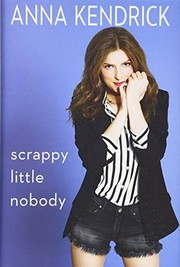
Scrappy Little Nobody
Anna Kendrick's essays trace her path from a Portland childhood and Broadway to Hollywood, with jokes, anxiety, and a refusal to pretend fame fixed her.
2,092-word summary · 9 min read
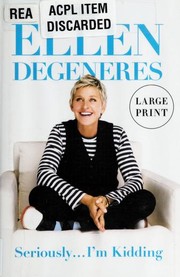
Seriously...I'm Kidding
DeGeneres strings show stories and home jokes into light life advice.
2,292-word summary · 10 min read
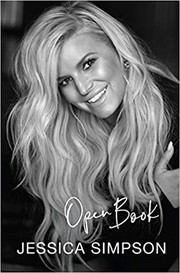
Open Book
Simpson replays pop fame, love and drink through recovery work.
2,552-word summary · 11 min read
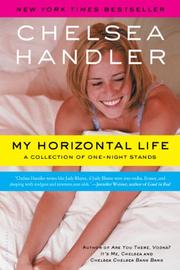
My Horizontal Life: A Collection of One-Night Stands
Handler turns dating disasters and family chaos into brash comic essays about single life in Los Angeles.
2,304-word summary · 10 min read
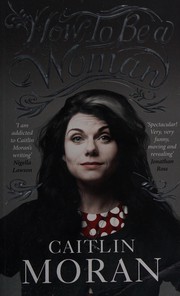
How to Be a Woman
Moran mixes girlhood and work stories into plain feminist advice.
2,600-word summary · 12 min read
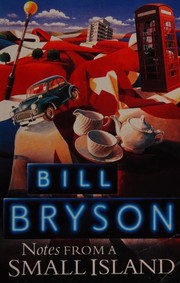
Notes from a Small Island
Bill Bryson's 1995 farewell tour of Britain, funny and fond, from Dover to London, the north, Scotland and Wales.
2,301-word summary · 10 min read

In a Sunburned Country
Bryson revisits Australia by city walks and long trains, with reef trips, critter comedy, and explorer history.
2,387-word summary · 11 min read
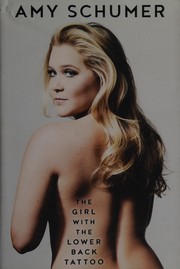
The Girl with the Lower Back Tattoo
Amy Schumer mixes raunchy jokes with frank essays on family, dating, body image, and the shooting that pushed her into gun control advocacy.
2,259-word summary · 10 min read
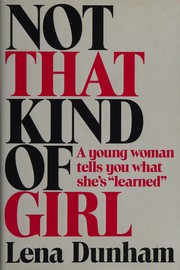
Not That Kind of Girl: A Young Woman Tells You What She's Learned
Girls creator Lena Dunham's essays on work, bodies, love, and family, frank and funny with uneven edges.
2,156-word summary · 10 min read
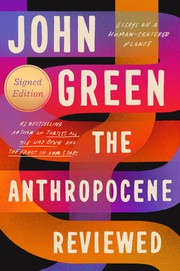
The Anthropocene Reviewed: Essays on a Human-Centered Planet
John Green reviews ordinary parts of human life on a five-star scale, turning geese, keyboards, and sunsets into a warm memoir about attention.
2,982-word summary · 13 min read
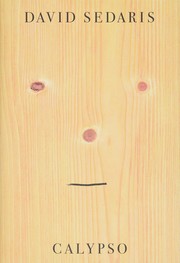
Calypso
Sedaris buys a Carolina beach house, grieves his sister Tiffany, tends his aging father, and turns illness and marriage into dry family comedy.
2,835-word summary · 13 min read
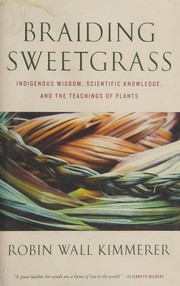
Braiding Sweetgrass
A Potawatomi botanist braids plant science with family stories to argue for gratitude and return gifts to the living world.
2,410-word summary · 11 min read

Are You There, Vodka? It's Me, Chelsea
Handler mines family, jail, dating, and travel for brash essays where oversharing is both joke and shield.
2,186-word summary · 10 min read
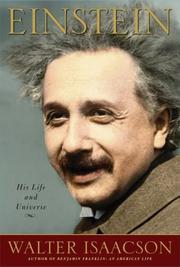
Einstein: His Life and Universe
Isaacson traces Einstein from patent clerk to world fame using newly opened papers, through 1905, relativity, exile, and the long unified theory search.
2,773-word summary · 12 min read
Astrophysics for People in a Hurry
Tyson condenses the Big Bang, dark matter, and exoplanets into twelve short chapters for busy readers.
2,314-word summary · 10 min read
Stiff: The Curious Lives of Human Cadavers
What happens to donated bodies, from crash labs and decay farms to composting and space tests.
2,051-word summary · 9 min read
Naked
Growing up odd in Carolina, working bad jobs, and learning to watch people closely and kindly.
2,020-word summary · 9 min read
Dress Your Family in Corduroy and Denim
Sedaris on snow days, rental houses, Dutch Christmas, and the family that made him funny.
3,098-word summary · 14 min read
Everything I Know About Love
Dolly Alderton recalls bad dates flatshares and female friendship in her twenties memoir.
2,194-word summary · 10 min read
A Short History of Nearly Everything
Bryson asks how we know what we know, from atoms to continents, with humor and awe.
2,134-word summary · 9 min read
A Brief History of Time
Hawking walks from ancient spheres to big bang, black holes, and time arrows without equations.
2,210-word summary · 10 min read

Long Walk to Freedom
Mandela's account of a Thembu childhood, a law practice, a banned movement, twenty-seven years in prison, and the negotiation that ended apartheid.
2,454-word summary · 11 min read

In Order to Live: A North Korean Girl's Journey to Freedom
A young North Korean girl crosses the Yalu, survives trafficking in China, and rebuilds her life in Seoul in this unsparing memoir.
2,027-word summary · 9 min read

Too Much and Never Enough: How My Family Created the World's Most Dangerous Man
Mary L. Trump's 2020 memoir traces how a cold, zero-sum Queens household shaped her uncle, and uses family tax documents to challenge his self-made story.
2,059-word summary · 9 min read
Same Kind of Different as Me
An art dealer and a formerly homeless sharecropper tell the story of the friendship that began at a Fort Worth mission and the woman who insisted on it.
2,023-word summary · 9 min read
Moonwalking with Einstein: The Art and Science of Remembering Everything
A journalist spends a year training for the U.S. Memory Championship and discovers that extraordinary memory is mostly technique, attention, and a lot of…
2,027-word summary · 9 min read