
Reading options
What's inside (7 sections)
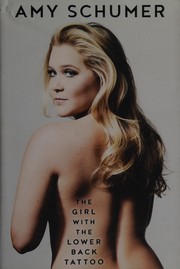
I came to this book expecting a stack of jokes with a cover on it. The title riffs on The Girl with the Dragon Tattoo, the author was the hottest comic in America in 2016, and Gallery Books published it that August as a 336 page hardcover that shot straight to the top of the bestseller list. What I found inside was stranger and better than a joke book. Amy Schumer wrote a memoir in essays that keeps interrupting itself with standup bits, advice she half believes, and confessions she clearly needed to get out. Some chapters made me laugh on the train. A few made me put the book down and stare out the window. It won Best Humor at the Goodreads Choice Awards that year and its audiobook later earned a Grammy nomination, and both honors make sense once you hear how much of the book lives or dies on her voice.
The basic shape is simple. Schumer walks through her life in rough order, from a comfortable childhood on the Upper East Side through her parents' divorce and money collapse, through bad boyfriends and waitressing shifts and open mics, up to Trainwreck and Inside Amy Schumer and sudden fame. But she refuses to stay in order for long. An essay about her father will swerve into a story about a one night stand. A chapter about fame will collapse into a letter she wrote after a shooting. That looseness is the point. The book reads the way she talks on stage: a story, a detour, a filthy punchline, then a sincere sentence that lands harder because of the filth around it.
Money, divorce, and the dad who shaped everything
The early chapters cover the Schumer family arc, and it is wilder than I expected. Her father ran a successful business and the family lived large in Manhattan. Then the money vanished, the parents split, and her mother started a new relationship that blew up whatever stability was left. Schumer writes about her mother with a mix of love and open wound. They fought for years. There were stretches of distance. She does not pretend it resolved neatly, which I respected. Celebrity memoirs usually sand these edges down. She leaves them rough.
Her father is the heart of the book. He developed multiple sclerosis when she was young, and the essays track his decline in plain language: the cane, then the chair, then the voice going, then the body failing while the humor stayed. Schumer practically worships him. He was the funny parent, the one who taught her that a joke could defuse any room. She describes visiting him in care, feeding him, joking with nurses, and feeling guilty every time she left. One of the best chapters is essentially a love letter to him, funny about his stubbornness and direct about what MS takes from a person. If you only know Schumer as the drunk party girl of her early act, these pages will reset your picture. The party girl was real. So was the teenager who watched her hero lose control of his hands.
The family money story also explains her work ethic better than any hustle cliché could. When the furniture gets repossessed, a kid learns fast that comfort is rented. Schumer waitressed, bartended, nannied, and took any gig that paid. She writes about stealing from jobs and lying about experience with the cheer of someone confessing to a priest who already knows. I believed every word of the broke years. The details are too specific to be invented: the apron strings, the regulars, the math of tips versus rent.
Open mics, bad men, and the education of a comic
The middle stretch follows her grind through standup in New York, and it is the funniest part of the book. She bombs. She kills. She drives to gigs in New Jersey for gas money. She sleeps with comics she should not have slept with and dates civilians who treat her ambition as a cute phase. The dating essays are explicit in a way that will alienate some readers, so consider this your warning. She writes about one night stands, about contraception failures, about a boyfriend with disturbing bedroom demands, about learning to leave apartments at dawn with her shoes in her hand. The point is not shock. The point is control. She insists a woman can want sex, laugh about sex, regret sex, and still demand respect after it. You can disagree with her taste and still hear the argument.
Two of these essays drew the most heat when the book came out, and they deserve a straight summary. In one, she writes about sexual encounters where she froze instead of saying no, and about the years it took her to name what happened. In another she writes about a boyfriend who hit her, and about the shame that kept her quiet. These chapters sit next to dick jokes and footnotes about waxing, which some critics called whiplash. I found the mix deliberate. That is how a lot of women actually talk about these things, laughing with friends at dinner and going quiet in the car home. Schumer refuses to separate the comic from the person who got hurt. The comedy, she suggests, was partly a way to stay in rooms that scared her.
She is also honest about being difficult before she was famous. She partied too hard. She burned bridges with club owners. She said yes to roasts and red carpets that paid in exposure and hangovers. A very funny chapter covers her turn in the roast circuit and the discipline it taught her: write the joke, take the hit, do not whine when the target hits back. Another covers her sister Kim, who worked with her on the book and on her shows, and who functions here as the person who tells Amy the truth when everyone else is laughing too hard to bother. Every comic needs one. Schumer is lucky hers is family.
Trainwreck, television, and the summer everything changed
By the time Trainwreck came out in 2015 and Inside Amy Schumer hit its peak, Schumer was no longer grinding. She was the thing other comics opened for. The book's fame chapters are less about premieres than about the weirdness of being recognized while buying tampons. She writes about money fights, about friends who changed, about interviewers who asked about her weight instead of her writing. The body image material will feel familiar to anyone who followed her press, but on the page it reads angrier and funnier than the soundbites. She names the double standard without turning it into a lecture. Male comics get asked about craft. She got asked about diets. She answered the diet questions with jokes and saved the craft talk for people who earned it.
Then comes the chapter that changes the temperature of the whole book. In July 2015, during a screening of Trainwreck in Lafayette, Louisiana, a gunman opened fire in the theater, killing two women and injuring others before killing himself. Schumer writes about learning the news while on tour, about the guilt of having your name on the marquee of someone else's murder, about calling the families. She then describes what she did next: she teamed up publicly with her cousin, Senator Chuck Schumer, to push for gun control measures, and she published an open letter about it. Readers who bought the book for sex jokes sometimes complained about this pivot. I thought it was the bravest section. She knew half her audience would tell her to shut up and tell jokes. She did it anyway, and she writes about the backlash without pretending it rolled off her.
This is also where the memoir label matters. Critics argued about whether the book counts as autobiography or essay collection, and Wikipedia files it as autobiography. Either way, the Lafayette chapter is the hinge. Before it, the essays are mostly about Schumer herself. After it, she starts writing about responsibility: what a platform obliges, what jokes cost, when to put the act down and speak plainly. She does not claim to have answers on gun violence. She claims a right to grieve in public and to advocate, and she dares the reader to tell a woman whose movie played during a shooting that she should stay quiet.
The essays people fought about
No honest summary can skip the controversies, because they shaped how the book was read. Shortly after publication, several passages drew criticism online. A joke about Hispanic men, a passed out encounter story, comments about her assistant: each got quoted without context and lit up for a day. Schumer later expressed regret about some wording, and the paperback conversation around the book included those apologies. I lay this out not to relitigate each case but to describe the reading experience accurately. This is a book written in a comic's voice at speed, and speed leaves marks. Some lines that kill in a theater read cruelly on paper, where no tone of voice softens them. A few struck me as mean in a way the surrounding essays argue against.
That said, much of the outrage missed what the essays actually do. The much quoted pieces about consent, about her mother's choices, about growing up with a sick parent, are careful and serious when read whole. Schumer's method is to earn trust with a dirty story and spend it on a sincere one. Readers who only saw screenshots got the earning without the spending. I would still have cut three or four jokes that punch down instead of up. An editor should have flagged them. But the core essays about family, assault, and work hold up, and they hold up because they are specific. She names what her father's nurse did. She names what the doctor said. She names the street. You cannot fake that kind of recall, and you cannot dismiss it with a hashtag.
The writing itself is plainspoken, which works for her and against her by turns. She is not a stylist. The audiobook deserves its own note, since Schumer reads it herself and the Grammy nomination recognized what listeners already knew. Jokes about timing and delivery land harder in her own voice, and the hospital chapters hit harder too. If you usually prefer audio for memoirs, this is one of the cases where the recording beats print. She laughs at her own lines in a few spots, and instead of feeling sloppy it feels like sitting at her table. Sentences run long, then short. Punch. Then a run on ramble that a stricter editor would have trimmed, but that sounds exactly like her talking after midnight. The co credit for her sister suggests how the book was built: stories told aloud, shaped, fact checked against family memory. It shows. The best chapters feel dictated rather than composed, in a good way. The weakest feel like transcribed bits that needed one more pass to become essays.
What lasts and what drags
For all its mess, the book's center holds. The throughline is a woman deciding what kind of famous person to be. Early Schumer sold the character of the wasted best friend who says what you are thinking. Mid book Schumer worries that character is a cage. Late Schumer tries on advocacy, marriage talk, and adult daughterhood, and finds they fit awkwardly but better than the old costume. The final essays, about settling down without settling, about wanting kids while fearing what MS might mean for her own body, about forgiving her mother in measured doses, read like someone clearing a stage for the next act. She does not resolve. She reports.
My criticisms are real but limited. The middle repeats itself: one more bad boyfriend story that makes the same point as the last three, one more fame anecdote about a rude interviewer. About fifty pages could have gone. The advice sections, where she addresses the reader directly with tips on drinking and dating, feel like publisher padding next to the memoir chapters. And the humor has a short half life in places. References to 2015 feuds and red carpet moments already needed footnotes by 2016, and they need more now. A memoir built on topical jokes will always age faster than one built on scenes. The family scenes will outlast the punchlines, and I suspect Schumer knows it.
Still, I recommend it to a specific reader: anyone who likes their memoir with the guard down. If you want lyric reflection, read someone else. If you want a famous woman telling you what her twenties actually cost, in money and in mornings after, this delivers. I laughed plenty and winced plenty, and I closed it liking Schumer more than when I opened it, not because she is flawless but because she shows the work. The party stories are true. The hospital visits are true. The book's bet is that both can live in one person without canceling each other. Ten years on, with her later work and public battles over health and motherhood, that bet looks right. The lower back tattoo of the title, a drunken young decision she jokes about, turns out to be the book in miniature: permanent, a little embarrassing, chosen before she understood consequences, and hers. She does not laser it off. She writes a chapter about it and moves on. That shrug, half joke and half ethics, is the most honest thing about her.
FAQ
When was The Girl with the Lower Back Tattoo published?
Gallery Books published it on August 16, 2016. The hardcover runs 336 pages and the ISBN is 9781501139888.
What is the book about?
It is a memoir in essays covering her family, standup grind, dating, fame after Trainwreck, and her response to the 2015 Lafayette shooting.
Did the book win any awards?
It won Best Humor at the 2016 Goodreads Choice Awards, and the audiobook read by Schumer earned a Grammy nomination.
Similar books

Dear Girls: Intimate Tales, Untold Secrets & Advice for Living Your Best Life
Ali Wong's debut collects fourteen letters to her daughters, covering sex, money, work, marriage, Vietnam, and being a working Asian American mother.
2,266-word summary · 10 min read

Scrappy Little Nobody
Anna Kendrick's essays trace her path from a Portland childhood and Broadway to Hollywood, with jokes, anxiety, and a refusal to pretend fame fixed her.
2,092-word summary · 9 min read
Seriously...I'm Kidding
DeGeneres strings show stories and home jokes into light life advice.
2,292-word summary · 10 min read
My Horizontal Life: A Collection of One-Night Stands
Handler turns dating disasters and family chaos into brash comic essays about single life in Los Angeles.
2,304-word summary · 10 min read
How to Be a Woman
Moran mixes girlhood and work stories into plain feminist advice.
2,600-word summary · 12 min read
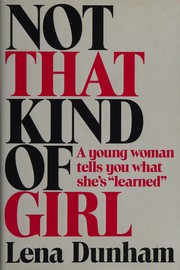
Not That Kind of Girl: A Young Woman Tells You What She's Learned
Girls creator Lena Dunham's essays on work, bodies, love, and family, frank and funny with uneven edges.
2,156-word summary · 10 min read

Calypso
Sedaris buys a Carolina beach house, grieves his sister Tiffany, tends his aging father, and turns illness and marriage into dry family comedy.
2,835-word summary · 13 min read
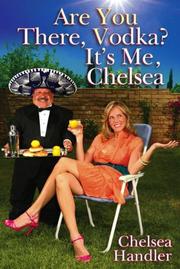
Are You There, Vodka? It's Me, Chelsea
Handler mines family, jail, dating, and travel for brash essays where oversharing is both joke and shield.
2,186-word summary · 10 min read
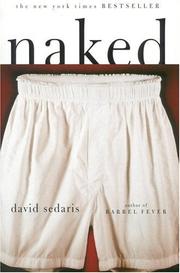
Naked
Growing up odd in Carolina, working bad jobs, and learning to watch people closely and kindly.
2,020-word summary · 9 min read
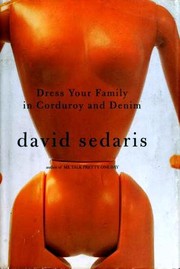
Dress Your Family in Corduroy and Denim
Sedaris on snow days, rental houses, Dutch Christmas, and the family that made him funny.
3,098-word summary · 14 min read

Bossypants
Tina Fey moves from Pennsylvania childhood through improv and SNL to 30 Rock in this funny 2011 memoir. Expect backstage stories, jokes about work and…
2,301-word summary · 10 min read
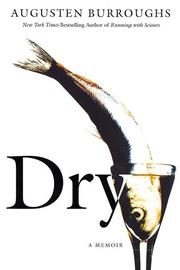
Dry
A memoir of drinking, rehab and relapse, and the strange business of getting sober one morning at a time.
2,643-word summary · 12 min read
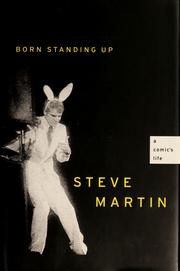
Born Standing Up: A Comic's Life
Steve Martin's memoir of how a shy Disneyland magician's assistant built a strange avant-garde act, and why he walked away from stand-up at his peak.
2,034-word summary · 9 min read
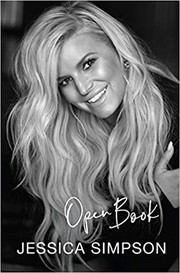
Open Book
Simpson replays pop fame, love and drink through recovery work.
2,552-word summary · 11 min read
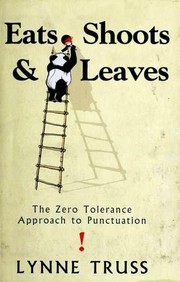
Eats, Shoots & Leaves
Truss defends commas with jokes about pandas and posters.
2,423-word summary · 11 min read
Notes from a Small Island
Bill Bryson's 1995 farewell tour of Britain, funny and fond, from Dover to London, the north, Scotland and Wales.
2,301-word summary · 10 min read

In a Sunburned Country
Bryson revisits Australia by city walks and long trains, with reef trips, critter comedy, and explorer history.
2,387-word summary · 11 min read
Bad Feminist
Gay mixes memoir and pop culture criticism to argue for imperfect feminism, from Sweet Valley to Django to Fifty Shades.
2,493-word summary · 11 min read
Tiny Beautiful Things: Advice on Love and Life from Dear Sugar
Dear Sugar answers letters on love, grief, and work with tough empathy drawn from her own losses.
2,253-word summary · 10 min read
Holidays on Ice
Six Christmas pieces, from a Macy's elf stint to a feral family newsletter. Sedaris at his sharpest and most sentimental.
2,410-word summary · 11 min read
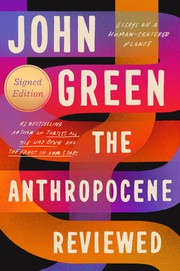
The Anthropocene Reviewed: Essays on a Human-Centered Planet
John Green reviews ordinary parts of human life on a five-star scale, turning geese, keyboards, and sunsets into a warm memoir about attention.
2,982-word summary · 13 min read
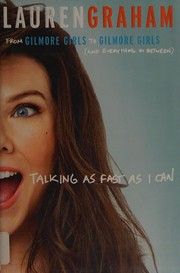
Talking as Fast as I Can: From Gilmore Girls to Gilmore Girls
Lauren Graham looks back on broke actress years, Parenthood, and playing Lorelai Gilmore twice in this funny 2016 memoir.
2,701-word summary · 12 min read
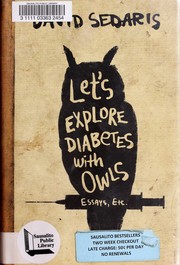
Let's Explore Diabetes with Owls
Sedaris gets French dental work, feeds a kookaburra in Australia, shops for a stuffed owl in London, and survives China, airports and a colonoscopy.
2,538-word summary · 11 min read
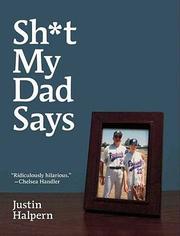
Sh*t My Dad Says
A comedy writer moves home and writes down his blunt fathers funniest lines with love.
1,961-word summary · 9 min read
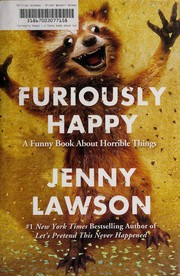
Furiously Happy: A Funny Book About Horrible Things
Jenny Lawson mixes blunt talk about depression with wild stunts and taxidermy to argue for grabbing joy on purpose.
2,963-word summary · 13 min read
Let's Pretend This Never Happened: A Mostly True Memoir
The Bloggess turns a strange Texas childhood and anxious adult life into a funny, warm memoir about family.
2,479-word summary · 11 min read
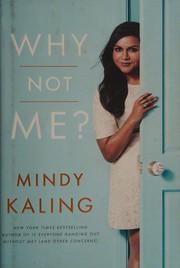
Why Not Me?
Essays on work, dating, and body image from the Office writer learning to ask for bigger rooms.
2,000-word summary · 9 min read

When You Are Engulfed in Flames
In twenty two essays Sedaris tries to quit smoking in Japan, buys a skeleton, fights spiders in Paris, and files dry reports from France on family, country…
2,974-word summary · 13 min read
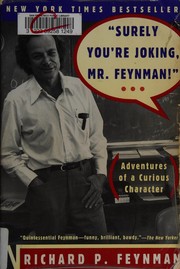
Surely You're Joking, Mr. Feynman!
Feynman drums, cracks safes, and learns by doing from Los Alamos to Caltech classrooms.
1,946-word summary · 9 min read
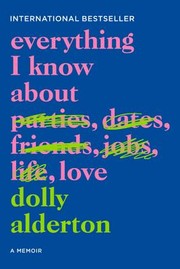
Everything I Know About Love
Dolly Alderton recalls bad dates flatshares and female friendship in her twenties memoir.
2,194-word summary · 10 min read