
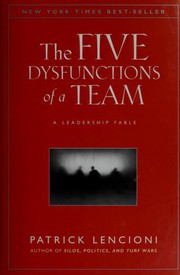
The Five Dysfunctions of a Team
2,029-word summary 9 min read 256 pages in the book
- First published
- 2002
- Publisher
- Jossey-Bass
- Pages
- 256
- ISBN
- 9780787960759
Reading options
What's inside (6 sections)
I first met The Five Dysfunctions of a Team in a startup offsite where we all took quizzes and then argued about who was which dysfunction. Jossey-Bass published it in 2002, a 256 page edition with ISBN 9780787960759. It is a standalone leadership fable about new CEO Kathryn Petersen uniting a warring exec team. If you lead, join, or suffer on a team, read with a notebook. It is simple, memorable, and uncomfortably accurate. Use it, do not just shelve it.
Kathryn Petersen inherits DecisionTech, a startup with talent, money, market, and a team that hates each other. Jeff the CEO? Actually Kathryn is new CEO, older, plainspoken, former factory? She watches for two weeks. Mikey marketing, Martin engineering? Actually team includes Jeff, Mikey, Martin, JR, Carlos, Nick. Details blur purposefully. Types matter. The arrogant. The politician. The silo builder. The conflict avoider. Meetings drone. Decisions stall. Backchannels thrive. Kathryn, an outsider with no tech glamour, listens, then acts. She takes them offsite. She names dysfunctions. Some resist. One leaves. The rest learn to fight well and commit. That is the whole book in one offsite plus theory. Simple. Hard. Worth it.
The five layers stack like pyramid Lencioni draws everywhere. Base is absence of trust, unwilling to be vulnerable. Next fear of conflict, no passionate debate. Next lack of commitment, no buy in without debate. Next avoidance of accountability, no peer pressure. Top inattention to results, ego over team. Each causes next. Fix from bottom up. The model sticks because it is visual and sequential. Teams diagnose fast. Where are we stuck. Name it. Work there. Do not skip to accountability when trust missing. That sequencing saves months of wrong fixes. Post the pyramid. Point weekly. It helps more than mission posters.
Trust and conflict
Trust as vulnerability, not prediction, is the key reframe. Most teams mean I trust you to deliver. Lencioni means I trust you with my weakness. Admit mistakes. Ask help. Say I do not know. Kathryn models by sharing her own failures, her son? Actually her past? She tells team she is scared too. Some mock. She continues. Slowly others admit. Mikey admits she hates attention though marketing demands. Martin admits he codes to avoid people. Those admissions loosen. Exercises help. Personal histories. Strengths. 360 light. Do not force trust falls. Share work fears first. Home stories later if willing. Trust builds in small risks kept. Miss a chance to punish vulnerability and trust grows. Punish once and it dies for months. Guard it like budget. More important.
Conflict as passionate debate, not politics, follows. Teams that trust can fight about ideas without fearing personal hits. Kathryn forces it by mining for disagreement. She asks quiet ones first. She rewards dissent. She stops meetings that fake agree. At first fights feel rude. People apologize for tone. Kathryn says tone is fine, silence is rude. Slowly team argues well. Engineers challenge marketing. Finance challenges all. Voices rise. No one storms. That distinction matters. Passionate is loud and kind. Political is quiet and cruel. Teach teams the difference with examples from their own week. When did we debate well. Name it. Repeat. Conflict avoided now erupts later as backchannel. Better to bleed a little in room than hemorrhage in halls. Say the hard thing kindly and early. The book gives scripts. Use them.
Commitment as clarity, not consensus, follows conflict. Teams do not need all to agree. They need all to commit to decided path after debate. Kathryn ends debates with clear asks. Who does what by when. She writes on board. She repeats. Stragglers nod. She checks. Buy in grows when people felt heard, even if outvoted. Without debate, commitment fakes. Nods in room, knives out after. Lencioni warns against seeking certainty. Decide with incomplete data. Move. Adjust. That bias for action suits startups though it scares perfectionists. Practice disagree and commit explicitly. Say it aloud. I disagreed but commit fully. Words bind. Watch them hold.
Accountability as peer pressure, not boss police, comes next. Once committed, teammates must call out slips. Most avoid because it feels mean. Kathryn reframes as care. Tell Martin his delay hurts us because you respect work. Peer pressure works when trust exists. Without, it wounds. The team practices in offsites with awkward role plays. Real practice follows in meetings. Carlos tells Jeff he missed handoff. Jeff bristles, then thanks. That thanks changes culture more than any speech. Leaders should model receiving first. Kathryn asks team to call her out. They do, gently. She adjusts visibly. Permission granted by example. Do the same Monday. Ask, what should I stop. Listen. Change one thing. Trust compounds.
Results and use
Inattention to results as ego over team tops pyramid and shows in small signs. Team members care about careers, bonuses, credit more than shared win. Kathryn makes results visible and shared. One scoreboard. Team bonus over individual. Stories about customers, not titles. When Nick chases personal win at team cost, Kathryn names it plainly in review. He chooses to stay and shift or leave. He stays, barely, then grows. That arc shows change possible but not guaranteed. One member leaves in book because values mismatch. Letting go is leadership too. Teams are not families that keep all. They are teams that need all rowing same direction. Name it kindly when someone rows elsewhere. Help them find right boat. Do not drag.
The model needs practice, not posters, which the second half stresses with tools. Assessments. Offsite agendas. Meeting structures. Lencioni gives questions for retros. Where did we avoid conflict this week. Who did not commit aloud. What did we let slide. Use weekly for months. Effects compound slowly, which frustrates bosses wanting quick wins. Tell them trust compounds like interest. Small deposits, honest apologies, kept promises. Large returns over quarters. My team tried one quarter. First month awkward. Second better. Third we shipped on time because someone admitted delay early. That admission saved weeks. No workshop magic. Just pyramid on wall and will to point. Try it. Point weekly. Watch language change from I to we, slowly, then all at once.
Fair criticism is fair. At 256 pages, fable simplifies. Characters are types. Tech details date. The model overlaps. Critics argue it is common sense packaged. True and unfair. Common sense rarely practiced. Packaging helps practice. Research base is anecdotal, not rigorous. Later books add data. Read this as starting language, not law. Pair with retrospectives, psychological safety work. If your team has deep trauma or bias, fable alone will not fix. Get help. Use pyramid to name, then do harder work of repair with skilled aid. Still, start here. Name the level. Work there. Repeat.
Who should read. Managers, founders, team leads, even families fit best. No content issues. Pair with Advantage next for health, or with Ideal Team Player for hiring. Read with team, not alone. Assign chapters. Discuss where you sit. Do one offsite exercise. Personal histories take an hour and change tone for months. I watched strangers become colleagues over bad coffee and true stories. It works if you let it. Trust first. Fight well. Commit aloud. Hold kindly. Mind results together. That is the whole book in five steps. Simple. Hard. Worth it. Start Monday.
Kathryn, Nick, and letting go
Kathryn Petersen as outsider CEO deserves study because her style defies tech hero myths. Older, plainspoken, former factory? Actually school? She does not code. She listens. She asks dumb questions that expose smart gaps. Team mocks her simplicity at first. She persists without defending. That persistence models vulnerability better than speeches. When she shares her own failures, a son? Actually family struggles, the room quiets. Not because story is dramatic, but because boss admits being human. Teams copy leaders. If she can be imperfect openly, so can they. New managers should note. You do not need to be smartest. Be steadiest. Ask twice. Decide once. Follow through always. Kathryn does. That is why she wins despite being underestimated. Underestimation is her tool. Let them think you simple. Be clear instead. Clarity beats cleverness in teams. Every time.
Nick as holdout teaches letting go with care. Talented, arrogant, lone wolf who delivers individually while harming team. He resists offsites, mocks vulnerability, skips commitments. Kathryn coaches, warns, gives chances. Peers call him out kindly. He improves slightly, then reverts under pressure. At end he leaves, or is asked to, depending how you read. That departure matters more than conversions. Teams are not families that keep all. They need all rowing same way. Keeping a brilliant jerk costs more than losing talent. Lencioni is blunt here and right. Many managers keep Nicks too long from fear. Do not. Thank for contributions. Help find better fit. Row on with those who row together. The team sighs after he goes, then performs. That sigh is data. Listen for it in your own rooms. Who sighs when someone absent. Act on that sigh kindly and firmly. Teams thank you later.
Meetings as practice field close the loop with tools worth stealing. Kathryn institutes daily standups for alignment, weekly tacticals for issues, monthly strategy, quarterly offsites. Each has purpose and rules. No status theater in standups. Debate in tacticals. Decide and commit aloud. Scoreboard visible. These structures sound dull. They free energy for work instead of politics. My team adopted standups after reading. First weeks felt forced. Then someone admitted block early and got help same day. That win sold the ritual. Now we miss it when skipped. Structure holds culture when will fades. Build structures that make trust easy. Small rooms. Clear questions. Time boxes. End with commits read aloud. Start Monday. Repeat quarterly. Teams become what they practice. Practice trust, fight, commit, hold, mind results. In that order. Always.
Trust exercises that work
Trust exercises get mocked for good reason and Lencioni rescues with work focused versions worth trying. Personal histories take an hour. Each shares hometown, siblings, first job, worst job. No trust falls. Just stories. Teams learn Mikey grew up poor, Martin cared for sick parent, Jeff failed first startup. Those facts soften judgments in later fights. When Martin misses deadline, team remembers sick parent calls instead of assuming laziness. Ask about histories Monday. Share yours first as lead. Keep it work safe. No forced trauma. Enough to humanize. That hour pays for months. Try it before ropes courses. Stories beat stunts. People remember childhood kitchens longer than blindfolds. Use that memory in next debate. He is not lazy. He is tired from care. Adjust ask kindly. Work improves without resentment. Good.
Conflict mining as skill needs practice scripts because most avoid. Kathryn teaches to mine by asking quiet ones first, rewarding dissent, stopping fake agreement. Try in your next meeting. State issue. Ask each for take. Reward pushback with thanks. When silence falls, say silence is rude, debate is kind. At first people laugh nervously. Then one speaks. Thank specifically. Others follow. End with clear commit read aloud. Who does what by when. That structure turns fight into progress. Without it, fights circle. With it, heat forges. My team tried mining on a stuck decision. Awkward ten minutes, then breakthrough when junior named fear seniors hid. We chose differently because truth surfaced. Thank junior publicly after. Next meeting, two juniors spoke early. Culture shifted in weeks, not quarters. Mine for disagreement like gold. It is. Even when uncomfortable. Especially then. Trust holds pan. Heat refines. Results follow. Start mining Monday. Bring helmet and heart.
Kathryn institutes daily standups, weekly tacticals, monthly strategy, quarterly offsites. Each has purpose. No status theater. Debate in tacticals. Decide aloud. Scoreboard visible. These structures free energy for work instead of politics. My team adopted standups after reading. First weeks felt forced. Then someone admitted block early and got help same day. That win sold ritual. Now we miss it when skipped. Structure holds culture when will fades. Build structures that make trust easy. Small rooms. Clear questions. Time boxes. End with commits read aloud. Start Monday. Repeat quarterly. Teams become what they practice. Practice trust, fight, commit, hold, mind results. In that order. Always.
FAQ
When was it published?
Jossey-Bass published it in 2002. The edition runs 256 pages with ISBN 9780787960759.
Is it part of a series?
No. It is a standalone leadership fable.
Who should read it?
Managers, founders, and team leads. No training needed.
Similar books
Creativity, Inc.: Overcoming the Unseen Forces That Stand in the Way of True Inspiration
Pixar's president on why the studio that made Toy Story nearly broke itself, and the daily habits that kept the creativity coming.
2,179-word summary · 10 min read
The Hard Thing About Hard Things
A founder and CEO writes about the parts of running a company that no framework can fix, from layoffs and demotions to the loneliness of the job.
2,161-word summary · 10 min read
Good to Great: Why Some Companies Make the Leap... and Others Don't
A five-year study of 11 companies that leapt ahead shows Level 5 leaders, right people, hedgehog focus and flywheel momentum explain lasting gains.
2,374-word summary · 11 min read
The E-Myth Revisited
Gerber argues that most small businesses are run by technicians who own a job rather than a business, and that the fix is a system that runs without them.
2,169-word summary · 10 min read
The Magic of Thinking Big
Schwartz's 1959 self-help classic argues that success follows from the size of your thinking, supported by sales anecdotes, vocabulary drills and goal setting.
2,579-word summary · 11 min read
Dare to Lead
Research on courage shows how leaders build trust through vulnerability and clear values.
2,442-word summary · 11 min read
Think Again
Adam Grant argues for holding views loosely and testing them like a scientist, moving past preacher, prosecutor, and politician habits at work and in debate.
3,204-word summary · 14 min read
Drive: The Surprising Truth About What Motivates Us
Pink argues fair pay plus autonomy, mastery, and purpose at work beat carrots and sticks, using FedEx days, ROWE, flow, and clear Goldilocks tasks to explain…
2,339-word summary · 10 min read
The One Minute Manager
A young seeker learns three one minute habits from a plainspoken boss: clear goals, quick praise, and fast fair correction.
2,997-word summary · 13 min read
Lean In
Sit at the table, negotiate, share home load, and change offices while knowing advice skews elite.
2,005-word summary · 9 min read
The Lean Startup
Ries lays out Build-Measure-Learn, MVPs, pivots and validated learning for building companies under extreme uncertainty.
2,581-word summary · 11 min read
Deep Work: Rules for Focused Success in a Distracted World
Cal Newport's Deep Work in full: what focused work actually is, why shallow busyness wins by default, and the four philosophies he recommends for protecting…
2,138-word summary · 10 min read
The Total Money Makeover: A Proven Plan for Financial Fitness
Dave Ramsey lays out seven Baby Steps, from a $1,000 starter fund to a paid-off house, with the debt snowball at the center.
2,663-word summary · 12 min read
Made to Stick: Why Some Ideas Survive and Others Die
The Heath brothers break down why some ideas vanish on contact while others lodge in memory, tracing six traits that make a message stick.
2,527-word summary · 11 min read

The Magnolia Story
How Chip and Joanna Gaines met, closed their first shop, nearly lost everything in a housing development, and built Fixer Upper.
2,994-word summary · 13 min read

The World Is Flat: A Brief History of the Twenty-first Century
Thomas L. Friedman's 2005 bestseller argues that technology, trade, and open borders leveled the global playing field, and it names the ten forces that did it.
2,369-word summary · 11 min read
The Black Swan
Taleb argues rare shocks shape history more than models admit, and urges safer exposure over prediction.
2,588-word summary · 12 min read
Essentialism
McKeown argues for less but better: discern the vital few, refuse the trivial many, and use buffers, small wins, and steady routines so key work gets done well…
2,421-word summary · 11 min read
Empire of Pain: The Secret History of the Sackler Dynasty
How the Sackler family sold OxyContin and shaped an overdose crisis while giving to museums.
2,048-word summary · 9 min read
Braving the Wilderness: The quest for true belonging and the courage to stand alone
Belonging to yourself first lets you stand alone and still stay close to others.
2,004-word summary · 9 min read
The Millionaire Next Door
Stanley and Danko survey wealthy Americans and find frugal savers living next door, not big spenders, in this 1996 money study.
2,466-word summary · 11 min read
SuperFreakonomics: Global Cooling, Patriotic Prostitutes And Why Suicide Bombers Should Buy Life Insurance
Levitt and Dubner apply incentives to prostitutes, suicide bombers, doctors, and climate fixes with cheeky data.
2,007-word summary · 9 min read
Predictably Irrational
Behavioral economist Dan Ariely shows why we overpay, procrastinate, and misjudge through simple experiments.
2,183-word summary · 10 min read
Emotional Intelligence
Goleman argues self awareness and empathy shape success more than IQ alone.
2,026-word summary · 9 min read
Moneyball
Oakland buys walks and patience to win 103 games on a small payroll in Lewis's 2003 baseball story.
2,955-word summary · 13 min read
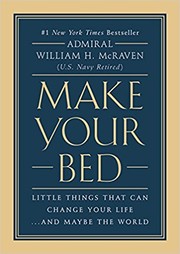
Make Your Bed: Little Things That Can Change Your Life...And Maybe the World
SEAL lessons from bed making to never ringing the bell, from McRaven's 2014 Texas speech and 144 page book.
2,974-word summary · 13 min read

Endurance: Shackleton's Incredible Voyage
Trapped and crushed in Antarctic ice, Shackleton and 28 men survive floes, open boats, and an 800 mile sea crossing. Lansing tells it from their diaries.
2,818-word summary · 13 min read
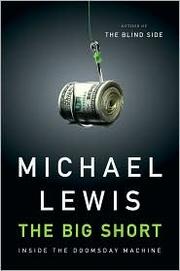
The Big Short: Inside the Doomsday Machine
Outsiders who read the bonds shorted subprime and watched the machine eat itself in 2008.
2,194-word summary · 10 min read
Influence: The Psychology of Persuasion
Six levers plus unity explain why people say yes, learned undercover in salesrooms and labs.
2,030-word summary · 9 min read

Getting Things Done: The Art of Stress-Free Productivity
Capture all, clarify next moves, sort by context, review weekly, and engage calmly like water.
2,030-word summary · 9 min read