
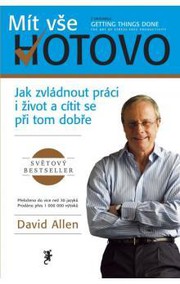
Getting Things Done: The Art of Stress-Free Productivity
2,030-word summary 9 min read 288 pages in the book
- First published
- 2001
- Publisher
- Penguin Group
- Pages
- 288
- ISBN
- 9780142000281
Reading options
What's inside (12 sections)
I read Getting Things Done because my to do lists reproduced faster than I finished them. David Allen published it in 2001 with Penguin Group. My reading follows the 288 page paperback. Capture everything, clarify next actions, organize by context, reflect weekly, and engage calmly. It is the productivity system behind GTD shorthand, practical rather than inspirational, and it changed how I handle inboxes.
Allen's premise is simple and mechanical. Productivity equals ability to relax, which requires minds clear of unprocessed commitments. Your head is for having ideas, not holding them. Everything unfinished occupies psychic RAM until externalized into trusted system. That system has five stages. Capture. Clarify. Organize. Reflect. Engage. Learn those verbs and the rest is implementation detail. The book teaches each with checklists, diagrams, and war stories from coaching executives who drowned in paper before learning to swim through lists.
Capture, clarify, organize
Capture means corralling every open loop into inboxes, physical and digital, without judging yet. Receipts. Emails. Ideas at 3 a.m. Write it down somewhere it will not vanish. That sweep alone relieves most readers who try it over a weekend. Brains sigh audibly when trusted buckets hold their worries. Allen insists on completeness with missionary zeal. One hundred percent in. Partial systems breed distrust that sends minds back to midnight buzzing. Commit fully or do not bother. Half GTD fails like half parachutes.
Clarify turns stuff into actions through ruthless questions. What is it. Is it actionable. If yes, what is the very next physical move. If under two minutes, do it now. If longer, delegate or defer to dated lists. If no action, trash, incubate, or file as reference. That decision tree, practiced on every inbox item, empties containers that haunted for months. Readers should run it live while reading chapter five with actual piles. Theory without sorting stays abstract. Sort and the method clicks physically. Inbox zero is feeling before it is state. Taste it once and chase it forever.
Organize files outcomes by context rather than priority alone. Next actions sorted by place and tool. Calls. Computer. Errands. Agendas for people. Waiting fors tracking delegated items. Projects defined as any outcome needing multiple steps, each with its next move listed. That architecture prevents the classic error of daily lists mixing calls with deep work. Context filters show only what you can do where you are. @home versus @office still works in remote eras with tweaks. The principle holds across apps. Show right work at right place. Watch friction fall.
Contexts and the weekly review
The contexts system deserves practical unpacking because newcomers misunderstand it as mere labeling. Sorting next actions by place and tool, calls, computer, errands, home, transforms overwhelming lists into doable menus. Standing in grocery line shows only errands. No guilt about unwritten reports. That filtering prevents the paralysis that alphabetical masters lists induce. Readers should implement contexts first among GTD tools for fastest relief. Ten minutes sorting existing to dos by where and with what. Immediate calm follows. Theory proves itself in one sorting session. Try before doubting.
The weekly review sustains everything and deserves its reputation as the practice practitioners skip at peril. Ninety minutes gathering loose papers, processing notes, reviewing projects and waiting fors, updating calendars. Allen insists this ritual separates systems that live from lists that die. Skippers drift back to midnight buzzing within fortnight. That warning comes from coaching thousands through identical failure. Schedule review like payroll. Non negotiable. Friday afternoons work for most. Protect the slot against meetings that feel urgent but matter less than maintenance. Systems die of neglect, never opposition.
Projects versus tasks
The distinction between projects and next actions deserves emphasis because it unlocks the whole system for confused beginners. Projects are outcomes needing multiple steps. Plan vacation. Fix garage. Write report. Next actions are single physical moves. Call airline. Move boxes. Draft outline. Most to do lists fail by mixing levels, showing call mom beside implement software with equal weight. Brains stall at mismatches. Allen separates ruthlessly. Projects live on one list with their current next move attached. Actions live by context. Review both weekly. That architecture prevents the overwhelm that alphabetical task blobs induce. Sort by size first. Then by place. Thinking clarifies.
What counts as project surprises newcomers productively. Anything needing more than one step qualifies, including seemingly small outcomes like plan dinner party. That generosity catches hidden complexity before it ambushes evenings. Write it down as project. List its next move. Suddenly daunting social events become sequences of tiny doables. Call guests. Buy food. Clean bathroom. Those atoms feel manageable where wholes overwhelm. The method works by shrinking scary into small with relentless consistency. Try it on one dreaded outcome this week. Watch dread dissolve into errands. Then run them.
Mind like water as outcome
The titular metaphor deserves unpacking because readers quote it without practicing toward it. Mind like water responds proportionately to force received. Small splash, small ripple. Big wave, big response. No over or under reaction. That state follows system trust, not meditation retreats. When everything captured and reviewed, minds stop buzzing with reminders and start meeting moments cleanly. Allen promises this calm as productivity byproduct available to skeptics who implement mechanically. No faith required. Just buckets and reviews. Try thirty days of full capture and weekly sweeps. Water metaphors will make sudden personal sense. Calm is downstream of completeness.
What blocks water state most often is unclear project lists that hide commitments in vague entries. Plan mom's birthday sits for months because next move unstated. Call caterer would take minutes. That gap between naming and moving stalls millions of good intentions daily. Allen's insistence on physical next verbs solves it through grammar. Start entries with call, draft, buy, ask. Verbs pull. Nouns sit. Review lists for verb strength weekly and rewrite flabby items ruthlessly. Language drives action more than motivation does. Speak movably and move accordingly.
Mind like water as outcome
The titular metaphor deserves unpacking because readers quote it without practicing toward it. Mind like water responds proportionately to force received. Small splash, small ripple. Big wave, big response. No over or under reaction. That state follows system trust, not meditation retreats. When everything captured and reviewed, minds stop buzzing with reminders and start meeting moments cleanly. Allen promises this calm as productivity byproduct available to skeptics who implement mechanically. No faith required. Just buckets and reviews. Try thirty days of full capture and weekly sweeps. Water metaphors will make sudden personal sense. Calm is downstream of completeness.
What blocks water state most often is unclear project lists that hide commitments in vague entries. Plan dinner party sits for months because next move unstated. Call caterer would take minutes. That gap between naming and moving stalls millions of good intentions daily. Allen's insistence on physical next verbs solves it through grammar. Start entries with call, draft, buy, ask. Verbs pull. Nouns sit. Review lists for verb strength weekly and rewrite flabby items ruthlessly. Language drives action more than motivation does. Speak movably and move accordingly.
Projects versus tasks
The distinction between projects and next actions deserves emphasis because it unlocks the whole system for confused beginners. Projects are outcomes needing multiple steps. Plan vacation. Fix garage. Write report. Next actions are single physical moves. Call airline. Move boxes. Draft outline. Most to do lists fail by mixing levels, showing call mom beside implement software with equal weight. Brains stall at mismatches. Allen separates ruthlessly. Projects live on one list with their current next move attached. Actions live by context. Review both weekly. That architecture prevents the overwhelm that alphabetical task blobs induce. Sort by size first. Then by place. Thinking clarifies.
What counts as project surprises newcomers productively. Anything needing more than one step qualifies, including seemingly small outcomes like plan dinner party. That generosity catches hidden complexity before it ambushes evenings. Write it down as project. List its next move. Suddenly daunting social events become sequences of tiny doables. Call guests. Buy food. Clean bathroom. Those atoms feel manageable where wholes overwhelm. The method works by shrinking scary into small with relentless consistency. Try it on one dreaded outcome this week. Watch dread dissolve into errands. Then run them.
Horizons higher than runway
The horizons model deserves explanation because it answers where GTD meets life purpose that critics claim it ignores. Runway holds current actions. Higher altitudes hold projects, areas of responsibility, goals, vision, and principles. Reviews climb these levels on different cycles, daily through yearly and beyond. That architecture connects inbox sorting to soul searching without mysticism. Empty inbox serves seas crossed purposefully, not just tidy desks. Readers seeking meaning alongside methods find it here in practical form. Define horizons in writing. Review on schedule. Daily work aligns upward naturally. Purpose emerges from maintained lists, not retreats alone.
What higher horizons change operationally is project selection itself. Reviews reveal commitments that no longer fit visions held. Prune ruthlessly. Those cuts free capacity that busy professionals crave more than new tools. Allen's coaching stories show executives weeping with relief after abandoning worthy seeming projects misaligned with lives. Letting go is productivity too. The book teaches quitting as skill equal to starting. Few business books dare that message. This one leads with it quietly. Finish less, better. Drop the rest deliberately.
Reflect, engage, and weekly review
Reflect keeps the system trusted through reviews at multiple altitudes. Daily scans of calendar and actions. Weekly review of all projects, waiting fors, and someday maybes. Higher reviews of goals, visions, and life purpose on longer cycles. The weekly review is the book's non negotiable ritual that separates practitioners from readers. Ninety minutes with inboxes, calendars, and minds swept clean. Skip it and entropy returns within fortnight. Allen states this bluntly from coaching thousands. Systems die without servicing. Schedule maintenance like workouts. Non optional for results.
Engage means choosing work with clear head using four criteria. Context. Time available. Energy available. Priority. That model replaces guilt driven busyness with conscious choice that permits peace about everything not chosen. Feel fine about what you are not doing, the book promises, if system holds it reliably. That promise is GTD's psychic payoff beyond output. Calm as productivity byproduct rather than prerequisite. Skeptics should test it during one crunch week. Externalize all. Choose hourly. Notice evenings quieter. Evidence beats argument here. Try before dismissing as corporate zen.
What dates is mostly tooling. Paper trays and Palm Pilots in 2001 examples need translating to cloud apps modern readers use. Allen's 2015 revision addresses digital workplaces explicitly, but this original's principles transfer cleanly regardless of app. Contexts adapt. Cloud replaces filing cabinets. Core verbs stay. Readers should map examples to their own stacks while reading rather than waiting for updated screenshots. Principle over product. The method outlives every app it ever recommended. That longevity explains decades of forum devotion through tool churn. Systems beat software.
Critics and converts both right
Skeptics argue GTD systematizes what organized people do naturally, adding jargon to common sense. Converts reply that natural organizers are rare and the rest need scaffolding made explicit. Both hold truth worth acknowledging before committing. Try the system for one month as experiment rather than identity. Track stress and output honestly. Keep what helps. Discard rituals that chafe. Allen himself invites adaptation beyond orthodoxy. Purists online may insist on canonical tools. Ignore gatekeepers. Principles travel across apps and paper alike. Usefulness decides. Test personally.
Who should implement
Give Getting Things Done to overwhelmed professionals drowning in inputs, to students juggling projects, to creatives whose ideas outrun execution. It suits practitioners ready to sort actual piles, not just read about sorting. Do not give it to readers wanting motivation without mechanics or spiritual productivity. Pair it with Allen's GTD Connect resources or the 2015 revised edition for digital updates.
At 288 pages I read it with inbox beside me, marking two minute rule pages. Allen starts with minds full and ends with inboxes empty and weekly reviews scheduled. That span, chaos to calm through verbs, is why the book defines business self help for decades. Capture all. Decide fast. Review weekly. Mind like water follows.
FAQ
When was Getting Things Done published?
Penguin Group published it in 2001. The paperback runs 288 pages and the ISBN is 9780142000281.
What are the five stages?
Capture, clarify, organize, reflect, and engage, in that order, repeated for life.
What is the weekly review?
Ninety minutes gathering papers and minds weekly, non negotiable, or entropy returns within a fortnight.
Similar books
Essentialism
McKeown argues for less but better: discern the vital few, refuse the trivial many, and use buffers, small wins, and steady routines so key work gets done well…
2,421-word summary · 11 min read
The E-Myth Revisited
Gerber argues that most small businesses are run by technicians who own a job rather than a business, and that the fix is a system that runs without them.
2,169-word summary · 10 min read
The Total Money Makeover: A Proven Plan for Financial Fitness
Dave Ramsey lays out seven Baby Steps, from a $1,000 starter fund to a paid-off house, with the debt snowball at the center.
2,663-word summary · 12 min read
Made to Stick: Why Some Ideas Survive and Others Die
The Heath brothers break down why some ideas vanish on contact while others lodge in memory, tracing six traits that make a message stick.
2,527-word summary · 11 min read
The Magic of Thinking Big
Schwartz's 1959 self-help classic argues that success follows from the size of your thinking, supported by sales anecdotes, vocabulary drills and goal setting.
2,579-word summary · 11 min read
How to Stop Worrying and Start Living
Carnegie offers day-tight routines for worry built from interviews and worker stories.
2,505-word summary · 11 min read
Dare to Lead
Research on courage shows how leaders build trust through vulnerability and clear values.
2,442-word summary · 11 min read
The Millionaire Next Door
Stanley and Danko survey wealthy Americans and find frugal savers living next door, not big spenders, in this 1996 money study.
2,466-word summary · 11 min read
Emotional Intelligence
Goleman argues self awareness and empathy shape success more than IQ alone.
2,026-word summary · 9 min read
The One Minute Manager
A young seeker learns three one minute habits from a plainspoken boss: clear goals, quick praise, and fast fair correction.
2,997-word summary · 13 min read
Influence: The Psychology of Persuasion
Six levers plus unity explain why people say yes, learned undercover in salesrooms and labs.
2,030-word summary · 9 min read
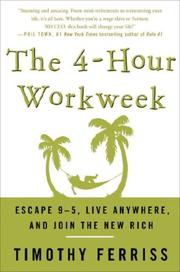
The 4-Hour Workweek
Ferriss's 2007 manual for escaping the nine to five: define the dream, cut fake work, automate a small income, and travel now.
2,986-word summary · 13 min read
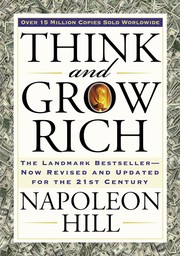
Think and Grow Rich
Hill teaches desire, faith and autosuggestion, distilling lessons from Carnegie interviews into thirteen principles for success.
2,458-word summary · 11 min read
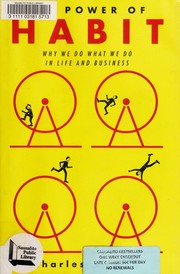
The Power of Habit
Why we do what we do: the cue routine reward loop, keystone habits, and how companies and movements use the same science, from toothpaste to the bus boycott.
2,207-word summary · 10 min read

The 7 Habits of Highly Effective People
Covey's famous framework for living by principle: seven habits that move from private victory to working well with others.
2,259-word summary · 10 min read
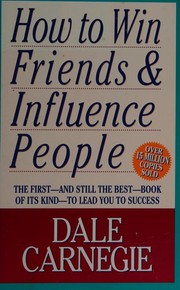
How to Win Friends and Influence People
Carnegie's 1936 guide to getting along offers plain habits for listening, praise, and persuasion. This summary walks through its parts, stories, limits, and…
2,360-word summary · 10 min read
Deep Work: Rules for Focused Success in a Distracted World
Cal Newport's Deep Work in full: what focused work actually is, why shallow busyness wins by default, and the four philosophies he recommends for protecting…
2,138-word summary · 10 min read
What Happened to You?
Oprah Winfrey and psychiatrist Bruce Perry explain how early experience shapes the brain, and why asking what happened to someone works better than asking what…
2,238-word summary · 10 min read

The Courage to Be Disliked: The Japanese Phenomenon That Shows You How to Change Your Life and Achieve Real Happiness
A philosopher and an angry young man argue over five nights about Adlerian psychology, trauma, approval, and the freedom to be disliked.
2,054-word summary · 9 min read

Moonwalking with Einstein: The Art and Science of Remembering Everything
A journalist spends a year training for the U.S. Memory Championship and discovers that extraordinary memory is mostly technique, attention, and a lot of…
2,027-word summary · 9 min read
Year of Yes: How to Dance It Out, Stand in the Sun and Be Your Own Person
Shonda Rhimes takes her sister’s accusation seriously and spends a year saying yes to the things that frighten her, from live television to her own reflection.
2,585-word summary · 11 min read
Don't Sweat the Small Stuff ... and It's All Small Stuff: Simple Ways to Keep the Little Things from Taking Over Your Life
Richard Carlson’s 1997 bestseller offers one hundred short chapters on lowering the volume on daily irritations, and it is more pragmatic than its title…
2,502-word summary · 11 min read

Four Thousand Weeks: Time Management for Mortals
Oliver Burkeman turns the whole productivity project on its head, arguing that a human lifespan of roughly four thousand weeks is not a problem to optimize…
2,447-word summary · 11 min read
Breath: The New Science of a Lost Art
Journalist James Nestor investigates how modern humans learned to breathe badly, and what researchers, athletes, and breathwork practitioners have found about…
2,011-word summary · 9 min read

The Magnolia Story
How Chip and Joanna Gaines met, closed their first shop, nearly lost everything in a housing development, and built Fixer Upper.
2,994-word summary · 13 min read

Dear Girls: Intimate Tales, Untold Secrets & Advice for Living Your Best Life
Ali Wong's debut collects fourteen letters to her daughters, covering sex, money, work, marriage, Vietnam, and being a working Asian American mother.
2,266-word summary · 10 min read
Creativity, Inc.: Overcoming the Unseen Forces That Stand in the Way of True Inspiration
Pixar's president on why the studio that made Toy Story nearly broke itself, and the daily habits that kept the creativity coming.
2,179-word summary · 10 min read
The Road Less Traveled: A New Psychology of Love, Traditional Values and Spiritual Growth
M. Scott Peck argues that maturity begins with accepting difficulty, then builds discipline, love, and spiritual growth through honest, often painful work.
2,200-word summary · 10 min read
The Hard Thing About Hard Things
A founder and CEO writes about the parts of running a company that no framework can fix, from layoffs and demotions to the loneliness of the job.
2,161-word summary · 10 min read
The 5 AM Club
A struggling entrepreneur and artist are mentored by a billionaire who teaches them to reclaim the first hour of the day.
2,205-word summary · 10 min read