
How to Win Friends and Influence People
2,360-word summary 10 min read 320 pages in the book
- First published
- 1936
- Publisher
- Simon & Schuster
- Pages
- 320
- ISBN
- 9780671027032
Reading options
What's inside (8 sections)
I picked up How to Win Friends and Influence People because a manager I liked kept quoting it in meetings and I wanted to know if there was more behind the slogans. First published in 1936 by Simon and Schuster, about 320 pages in the standard edition, it is one of those books everyone has heard of and few have read straight through. I read it with a notebook, expecting stiff old advice, and I found something stranger, part sales manual, part folk psychology, part collection of stories about presidents and factory hands. Some of it charmed me. Some of it annoyed me. All of it was clearer than I expected.
Why this old book still sits on office shelves
Carnegie starts with a simple claim. People run on pride and hunger for approval more than logic, so handling people well matters more than being right. He wrote after years teaching public speaking to business men in New York, listening to their stories about bosses, clients, and spouses. The book grew out of those classes. He says he tested each idea on adults who needed results at work that week, not on students writing papers. That origin shapes the tone, short chapters, plain rules, and a new story every few pages to prove the rule works.
The opening stories set the frame. He talks about crowded prisons and how even violent criminals excuse themselves, to show that blame rarely changes anyone. He brings in Abraham Lincoln, who learned as a young lawyer to stop mocking opponents in letters after one almost led to a duel, and who later chose private notes over public scolding. He quotes Charles Schwab, the steel manager, who said his best skill was praising people openly and that he was paid largely for his ability to draw out effort. Carnegie keeps returning to John D. Rockefeller facing angry miners, where soft words cooled a crowd that threats would have lit up. You can tell Carnegie loves these tales. He retells them with relish, even when the history is thin.
His larger point in this first stretch is that criticism backfires. People defend their pride first and hear the facts second, if at all. He urges readers to hold back sharp remarks, even deserved ones, and to look for something honest to praise instead. He is not asking for flattery. He calls flattery cheap and easy to spot. He wants attention to real effort, specific and prompt. He also wants readers to think in terms of what the other person wants, not what you want. If you want a child to eat vegetables or a client to sign, talk about their gain, show how the act serves their pride or ease or curiosity. I found this part obvious and also convicting, because I criticize faster than I praise.
The habit of letting other people feel seen
The first big principle section covers three habits for dealing with people without making enemies. Do not criticize or condemn. Give honest and sincere appreciation. Arouse in the other person an eager want. Carnegie illustrates each with work and home scenes. A foreman who berates a crew gets sullen compliance. A foreman who thanks the night shift by name for catching an error gets care the next night. A wife who nags about smoking gets lies. A wife who praises small cuts gets progress. The pattern is consistent, and Carnegie repeats it until it sticks.
He spends a long time on appreciation because he thinks most of us starve for it. He tells of a Connecticut businessman who carried praise too far and of shop girls who lit up when thanked for dull work. He brings in psychologists of his day who said the deepest urge is to feel important. He warns against waiting for big wins to praise. Notice the clerk who stayed late to fix a file. Notice the friend who remembered your mother's surgery. Say it soon and say it plain. I tried this during the week I read him, thanking a cashier for steady work on a busy night, and her face changed in a way that made his point better than any quote.
The third habit is the engine. Talk in terms of the other person's wants. Carnegie tells of kids who would not eat, dogs who would not perform, buyers who would not buy, until someone framed the request around their pleasure. He uses the fishing image, that you do not bait a hook with what you like, you bait it with what the fish likes. A salesman who talks about his quota loses. A salesman who talks about lower costs for the buyer wins. A parent who says clean your room because I said so loses. A parent who says a clean room means friends can visit wins more often. It sounds calculating on the page, and sometimes it is, but Carnegie insists the want must be real. You cannot fake interest for long without being caught.
How to talk so people want to keep listening
The next section is the famous one, six habits for making people like you. Become genuinely interested in others. Smile. Remember that a person's name is sweet to them. Be a good listener and urge others to talk about themselves. Talk in terms of their interests. Make them feel important and do it sincerely. Carnegie gives each habit a chapter with two or three stories, often from his students, a salesman, an engineer, a hostess, a job seeker.
The name chapter is the one people quote most. He tells of a politician who remembered thousands of names and of a businessman who made a point to learn the names of waiters and porters. He argues that remembering a name signals that you count the person as more than a function. I tested this too, learning the name of a new guard at my building, and our short hellos did get warmer. Carnegie would nod and say of course. He also pushes smiling, not a fixed grin but a willing face, and listening without cutting in to tell your own story. He tells of a dinner where a good listener won a new friend by asking about the other man's travels and saying little about himself. It works, though it can feel one sided if you never get a turn.
Talking in terms of their interests gets a long story about Theodore Roosevelt, who read up on a guest's hobby before a meeting so he could ask smart questions. Carnegie loves this move. If you meet a gardener, ask about roses. If you meet a runner, ask about shoes and routes. People open up when the topic is theirs. The closing habit, making people feel important, sums up the prior five. He tells of a shy clerk invited to share an opinion, of an executive asked for advice, of small courtesies like sending a thank you note after a visit. Done with care, these acts build goodwill that lasts past the meeting. Done as tricks, they curdle fast, and Carnegie admits as much when he says sincerity is required. That warning reads as both moral and practical.
Winning agreement without starting a fight
The third large part is about persuasion, how to bring people to your view without a quarrel. Carnegie opens by saying arguments cannot be won. Even if you crush the other person with facts, they leave resenting you and holding their old view tighter. He tells of a salesman who argued a buyer into a corner and lost the order, and of a lawyer who learned to concede small points to keep the room calm. His rule is blunt, avoid the clash, stay friendly, let tempers cool before business.
From there he stacks short rules with stories. Show respect for the other person's opinion and never say you are wrong flat out. If you are wrong, admit it fast and plain. Begin in a friendly way, with praise or shared ground. Get the other person saying yes early by starting where you agree. Let them do most of the talking. Let them feel the idea is theirs. Try to see things from their view and say so. Show sympathy for their hopes and wants. Appeal to finer motives, that most people want to see themselves as fair and kind. Dramatize your point with a concrete image or demo. Throw down a challenge that stirs pride to excel.
Some stories in this stretch are vivid. He tells of a manager who stopped ordering clerks to wear coats and instead asked about health and comfort, after which coats appeared. He tells of a landlord who calmed a furious tenant by listening past the shouting to the real complaint about heat. He tells of an advertiser who turned a dull letter into a short play of facts, with pictures and samples, and doubled replies. He loves the tale of a teacher who got a rowdy class to compete for best behavior by praising the good rows first. I liked these best because they show method rather than charm, a change in setup rather than a change in smile.
This is also where my doubts grew. Carnegie treats every clash as a failure of tone, which is not always true. Sometimes people disagree because interests differ, not because manners slipped. A boss who wants longer hours and a parent who wants evenings home will not settle it with yes questions. Carnegie would say find common ground and appeal to pride, and that can soften talk, but it cannot erase a real gap in pay or power. His stories skip over cases where listening well still ends in no. I wished he had said more about when to walk away or accept a loss.
Leading without making people resent you
The last part speaks to bosses, parents, and teachers, how to change people without breeding dislike. Begin with praise and honest appreciation. Call attention to mistakes indirectly. Talk about your own faults first. Ask questions instead of giving direct orders. Let the other person save face. Praise every improvement. Give them a fine reputation to live up to. Use encouragement so faults seem easy to fix. Make them glad to do what you suggest.
Carnegie fills these chapters with factory and office scenes. A plant manager who praised a crew's safety record before asking for faster cleanup got both. A supervisor who said I made this same error my first year found workers more willing to hear correction. An executive who asked could you handle this by Friday rather than do this by Friday kept pride intact. He tells of a music teacher who told a tone deaf boy he had natural rhythm, then watched practice time climb. He tells of a father who gave his son the title of yard manager, and the boy began acting like one. The trick, if it is a trick, is to lend dignity first and ask second.
Two ideas here struck me as worth keeping. The first is to correct by indirection, not to hide the truth but to lower the sting. Instead of your report is sloppy, try this section is strong, and the middle could match it if we tighten the numbers. The second is to talk about your own errors before pointing at theirs. It reminds the other person that mistakes are normal and fixable. I have sat through reviews that opened with blame and reviews that opened with shared trouble, and I worked harder after the second kind. Carnegie names why, that pride can accept help but hates being shamed.
The final chapter urges readers to practice for weeks, to keep score, to review slips. Carnegie taught night classes where adults reported back on attempts, a mechanic who praised his son, a broker who stopped interrupting, a nurse who learned names on her ward. Those reports give the book its warmth. It reads less as a genius speaking down and more as a club of tired workers trying small changes. I liked that modesty, even if the prose around it is dated and male heavy, with wives and secretaries cast as helpers.
Where Carnegie helps and where he falls short
My fair criticism starts with repetition. Carnegie makes a dozen points and stretches them across two hundred pages with story after story. By the middle I could guess the moral before the tale ended. A tighter edit would help, fewer millionaires, fewer banquet speeches, more space for hard cases. The history is also loose. Some Lincoln and Rockefeller tales are polished to shine, with dates blurred and motives simplified. Read them as parables rather than biography and you will be less annoyed.
The deeper worry is manipulation. If you smile to get, listen to get, praise to get, people will sense the string. Carnegie says be sincere, and he means it, but his tests are all about results, orders, compliance, applause. He says little about listening when there is nothing to gain, or praising someone who cannot help your career. He says little about power, about bosses who can afford to be kind because they hold the cards. A clerk cannot throw down a challenge to a cruel owner in the same way an owner can challenge clerks. The book works best between equals or from above. From below it can feel thin.
Still, I kept three habits after finishing. I pause before criticizing and ask if the remark will help or only vent. I try to use names and to ask one more question before telling my story. I try to frame requests around the other person's gain, not mine. Those moves cost little and they made two work weeks smoother. I would hand this 1936 book to a new lead, a nervous seller, or anyone who dreads conflict, with two notes. Skip around, read the stories you need, and pair it with something tougher on fairness and limits. Taken that way, as a toolkit for friendliness rather than a guide to life, it earns its long shelf life.
FAQ
When was How to Win Friends and Influence People published?
It was published in 1936 by Simon and Schuster and grew from Carnegie's business speaking courses in New York.
What are the main parts of the book?
It covers handling people, making people like you, winning agreement, and leading without resentment, each taught through stories.
Does Carnegie only teach tricks for getting your way?
No, he stresses sincerity and real interest, though readers should watch for manipulation and note its dated examples.
Similar books
More like How to Win Friends and Influence People →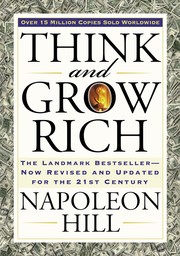
Think and Grow Rich
Hill teaches desire, faith and autosuggestion, distilling lessons from Carnegie interviews into thirteen principles for success.
2,458-word summary · 11 min read
The Power of Habit
Why we do what we do: the cue routine reward loop, keystone habits, and how companies and movements use the same science, from toothpaste to the bus boycott.
2,207-word summary · 10 min read

Zero to One: Notes on Startups, or How to Build the Future
Thiel argues monopolies create value through vertical progress, not by copying competition.
2,582-word summary · 11 min read

The Prince
Machiavelli advises Lorenzo on rule through fear and love, fortune, cruelty and mercy.
2,204-word summary · 10 min read

The Life-Changing Magic of Tidying Up: The Japanese Art of Decluttering and Organizing
Marie Kondo teaches the KonMari method: keep only what sparks joy, tidied by category for a lasting home reset.
2,413-word summary · 11 min read

The Lean Startup
Ries lays out Build-Measure-Learn, MVPs, pivots and validated learning for building companies under extreme uncertainty.
2,581-word summary · 11 min read