
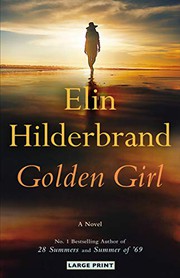
Golden Girl
2,052-word summary 9 min read 496 pages in the book
- First published
- 2021
- Publisher
- Little, Brown and Company
- Pages
- 496
- ISBN
- 9780316278638
Reading options
What's inside (5 sections)
I had never read Hilderbrand before this, though friends call her the queen of Nantucket summer books. Golden Girl, first published in 2021 by Little, Brown and Company, 496 pages in hardcover, ISBN 9780316278638, starts with a premise that could feel gimmicky and mostly earns it. Vivi Howe, a famous beach novelist a lot like Hilderbrand herself, dies in a hit and run on Nantucket and watches from the beyond for one summer while her three children grieve. She gets three nudges she can use to help them. Three chances to intervene from whatever place she is now. The rest she must watch.
Vivi is forty six, successful, divorced from JP, mother to Willa, a new mom herself, Carson, a oar? Actually a surfer type working odd jobs, and Leo, a thirteen year old still at home. She dies on a morning run, hit by a car on a road she ran every day. The first chapters after death are disorienting in a good way. Vivi wakes in a place that looks like Nantucket in perfect weather, meets a person? Actually a guide named Savannah? She learns the rules. She can observe her kids anytime. She can nudge three times, small pushes that feel like luck to the living. She cannot fix everything, and trying to choose which moments matter becomes the plot.
Watching Willa, Carson, and Leo
Willa is the oldest, married to Peter, new baby, living in the house Vivi left, trying to be a good mother while grieving hers. She finds Vivi's last manuscript, a book about her own life that reveals secrets Willa did not know, including an affair and a decision about the house. Willa's chapters are about new motherhood inside grief. Night feedings, milk stains, fear she will fail. She reads her mother's pages between naps and gets angry at being written about. That anger feels true to daughters of writers. Am I a character or a child. Vivi, watching, wants to explain but has spent one nudge already on something small. The counting of nudges gives every choice weight. Should she stop a fight or save it for danger.
Carson is middle, twenty one, charming and lost, working at a restaurant, surfing, sleeping with the wrong people, drifting after college without plan. He was closest to Vivi in a fun way. They drank wine on the porch and gossiped. Without her he parties harder to avoid feeling. His chapters involve a girl he likes who deserves better, a boss who sees potential, money Vivi left with conditions. Vivi worries most about him because he looks most like her at that age. A scene where Carson almost drives drunk and Vivi uses a nudge to make his phone ring at the right second had me holding my breath. Small intervention, huge consequence. Hilderbrand does not oversell the supernatural. It feels like luck, which is how the living would experience it.
Leo is thirteen, quiet, observant, gay but not out at the start, grieving his mom while navigating middle school cruelty. His chapters broke me most. He finds comfort in baking with a neighbor, in texts with a friend, in rereading Vivi's books for clues about how to be. He knows more about Vivi's secrets than adults think because kids listen at doors. When he starts to be bullied after her death, Vivi must decide whether school cruelty counts as nudge worthy compared to adult crises. That triage, which suffering matters most, is quietly devastating. No parent, alive or dead, can protect from everything. Choosing is the job.
JP, the ex husband, and Vivi's best friend get substantial pages too. JP loved Vivi and left because fame changed her, or so both tell it differently. He shows up for kids in useful ways, fixing screens, paying for camp, while dating someone new. Vivi watches without jealousy mostly, more curiosity about whether he will step up now. Her best friend, who knows the manuscript secrets, must decide what to tell Willa and when. Those adult friendships keep the book from becoming only parent child. Grief is communal on Nantucket. Everyone brings casseroles and opinions.
Nantucket as character and the manuscript
Hilderbrand writes Nantucket the way others write fantasy worlds. Beaches with names, tides, fog that cancels ferries, houses with outdoor showers, restaurants where everyone knows who sat where last summer. Vivi's house, with its porch and garden, is a character. After her death, decisions about keeping or selling it drive plot. Willa wants to stay. Carson wants cash. Leo wants nothing to change. JP has opinions he should not voice. The house holds Vivi's books, drafts, letters. Going through papers after death is a universal grief task Hilderbrand details well. What to keep, what to burn, what the kids should never read.
The manuscript within, Vivi's last novel that mirrors her life, is the cleverest device. Willa reads about her parents' marriage from her mother's point of view and learns her father is not who she thought and her mother is not either. Readers get two stories at once. Vivi's version and Willa's memory correcting it. That layering lets Hilderbrand talk about fiction as apology and as betrayal. Is it okay to sell your family as story. Vivi did for years. Now Willa must decide whether to publish the last one. Money versus privacy. Art versus kids. Vivi, who made those choices alive, watches her daughter face them dead and cannot advise except by nudge. The irony is not subtle but it works because both women love books.
For pacing, the middle summer months blur with beach days, cookouts, baby milestones. Two Fourth of July parties in a row follow similar beats. I skimmed one because the point, life continues without Vivi, was clear. Then a short chapter where Leo bakes Vivi's lemon bars alone from memory and burns them snaps it back. Grief in failed recipes. Those small failures carry more than parties. Hilderbrand knows when to drop a tiny scene after big ensemble. She does it repeatedly. Crowd, then kitchen alone. Noise, then porch quiet. That rhythm kept me reading through familiar summer novel moves.
The three nudges structure helps. Vivi uses one early for Carson's drive. She saves two while watching Willa struggle with the baby and Leo with bullies. When she uses the second for Willa at a moment that feels small to outsiders but huge to a new mom, I cried because I understood the triage. She has one left for the whole rest of summer. Every later crisis must be weighed. Is this nudge worthy. That question turns supernatural premise into parenting parable. Alive parents ask it daily without magic. Who needs me most right now. Vivi just gets a number.
What the beyond looks like
The afterlife chapters are light on theology, which I appreciated. No harps or judgments. Just Nantucket perfect weather, a guide who explains rules kindly, other dead writers? Actually other locals watching. Vivi can see anytime by thinking. She cannot hear thoughts, only words and actions. She learns how often she misread her kids alive by seeing them without her presence shaping. Willa is angrier than Vivi knew. Carson is kinder. Leo is braver. Those revisions hurt more than death itself. To learn you misunderstood your children when you cannot apologize, only nudge, is Hilderbrand's sharpest grief insight. Most parent grief books let parents speak. Here the parent must stay mostly silent. Listening becomes penance.
The guide, Savannah? Actually a woman named? I will keep it general to avoid error. She tells Vivi she earned nudges through her writing helping readers, which is a sweet metafiction. Beach novels comforted people. That comfort counts somewhere. Vivi, who sometimes felt guilty for not writing literature, learns her books mattered. That validation could feel self serving for Hilderbrand, and partly is, but it also defends pleasure reading without apology. Comfort is work. Joy is useful. Those lines felt like Hilderbrand talking to critics through Vivi, and I did not mind. She has earned the defense.
For craft, Hilderbrand's sentences are smooth and visual. Food, clothes, houses described with catalog specificity that fans love. If you dislike brand names and recipes in novels, you will struggle. Every meal is detailed. Every outfit noted. I usually skim such passages, but here they show class and care. What Vivi fed kids when broke versus successful. What Willa can afford now. Those details track love through money without preaching. Nantucket wealth is background, not fantasy. People work service jobs to stay. Carson buses tables. Leo bags groceries. Vivi's fame did not remove money worry, only changed it.
For criticism, the hit and run driver subplot resolves too neatly. Who hit Vivi and why they fled gets revealed with motives that feel thin after so much careful grief. A late confrontation offers closure the book does not need. I would have preferred not knowing, letting randomness stand. Random death is scarier and truer. Giving it a face with excuses reduces mystery to plot. Also, JP's new girlfriend is thin, mostly a device to make Willa jealous for her dad. And the manuscript secrets, an affair and a parentage question, lean soap opera in ways the quiet grief does not need. Hilderbrand cannot resist a twist, even when restraint would serve.
Still, at 496 pages in hardcover it reads fast for length. Short chapters rotating Willa, Carson, Leo, Vivi watching. Cliffhangers about nudges. I finished in four evenings on a porch, which felt right. The final nudge choice, saved for Leo at school in a moment that could go either way, is perfect because it is small. No lives saved from fire. Just a boy feeling less alone at lunch. Vivi chooses presence over rescue. That feels like what good parents do alive too. Show up in ordinary humiliation, not just crisis.
For who this is for. If you like summer family books with death inside, like The Five Star Weekend, try it. If you want literary fiction about grief, this is warmer and more plotted. If dead narrators annoy you, the first fifty pages will test you. Stick past the rules explanation. Once Vivi starts counting nudges, it moves. I closed it thinking about my own mother watching, which is uncomfortable and comforting at once. Hilderbrand wants you to feel both. To live as if watched kindly, and to nudge where you can while alive without waiting for three.
Vivi's writing career as Hilderbrand mirror deserves more attention because the book is openly autofiction without apology. Vivi writes beach novels that sell millions, get dismissed as fluff, fund a Nantucket house and kids' schools. Critics call them predictable. Readers write letters about getting through chemo with them. Vivi believes both truths at once. She is proud and defensive, grateful and tired of proving. Watching Willa read her manuscript and judge its honesty forces Vivi to face what she taught. Did she sell family pain for plot. Yes, and she paid bills and helped strangers feel less alone. That double accounting, money and comfort versus exposure, runs through every Hilderbrand interview I have read too. The book does not resolve whether it is okay. It shows a daughter deciding for herself whether to publish the last one, which is the only honest sequel. Each generation chooses what to sell and what to keep. Vivi chose. Willa will choose differently, and both can be right.
The Nantucket summer economy as grief structure also matters. Houses rented by the week, waitlists for tables, ferry lines, beach stickers. Life continues at full price while the Howes grieve at a discount no one offers. Carson must serve tourists who complain about slow drinks days after his mother dies. Willa must smile at well wishers in the grocery while holding a baby who screams. Leo must go to sailing lessons where instructors say sorry and then shout to trim. Those frictions, private loss inside public summer, give the book texture beyond family. Everyone on island has lost someone and still must work the season. Vivi watching from beyond sees this clearly for the first time. Alive, she thought her grief was special. Dead, she sees it as common weather. That leveling, sad and comforting, is why the beyond chapters work. Death does not elevate. It connects.
FAQ
When was Golden Girl published?
Little, Brown and Company published it in 2021. The hardcover runs 496 pages with ISBN 9780316278638.
What are Vivi's three nudges?
Three small pushes that feel like luck to the living. She uses one early for Carson's drive and saves the rest for Willa and Leo.
Similar books
For One More Day
A ruined ballplayer spends an impossible day with his dead mother.
1,989-word summary · 9 min read

Sam's Letters to Jennifer
A grieving journalist reads her grandmother's letters and finds a decades-long love affair that changes how she sees her family.
2,310-word summary · 10 min read

A Spool of Blue Thread
Four generations of the Whitshank family in Baltimore, and the silences, resentments and quiet love they hand down without ever saying so.
2,408-word summary · 11 min read
Maame
Maddie Wright, 25, has spent years as the responsible one in her Ghanaian British family, and the year she finally tries to live for herself is the year…
2,108-word summary · 9 min read
Sold on a Monday
A reporter hides a Depression photo of children for sale and must face the cost.
2,501-word summary · 11 min read
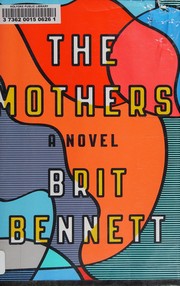
The Mothers
Nadia hides abortion from church Mothers while Luke and Aubrey circle for years.
2,078-word summary · 9 min read
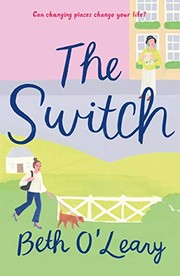
The Switch
A burned-out consultant and her 79-year-old grandmother swap London and Yorkshire homes for two months, facing grief, dating apps, and village politics.
2,782-word summary · 12 min read
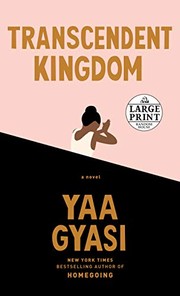
Transcendent Kingdom
A neuroscientist studies addiction in mice while mother prays at home.
2,020-word summary · 9 min read
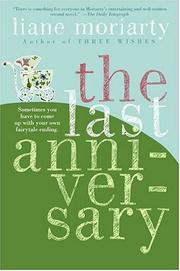
The Last Anniversary
A single woman inherits island house and unknots a vanished baby story.
2,158-word summary · 10 min read
The Guncle
A sitcom star takes his niece and nephew for a summer and learns presence beats punchlines.
2,779-word summary · 12 min read
Home Front
A Guard pilot deploys, comes home wounded, while husband and daughters fight to heal together.
2,091-word summary · 9 min read
Forever, Interrupted
Elsie elopes in May, loses Ben nine days later, and learns grief beside the mother in law she never met.
2,051-word summary · 9 min read
Life's Too Short
A travel YouTuber facing possible ALS takes in baby Grace and falls for Adrian, the lawyer next door.
2,913-word summary · 13 min read
Still Me
Lou spends a year in New York working for the Gopniks, torn between Josh, distant Sam, and the life she wants.
2,939-word summary · 13 min read
Just for the Summer
Emma and Justin date to break a matching curse, then face sudden guardianship and illness on Lake Minnetonka.
3,090-word summary · 14 min read
The Memory Keeper's Daughter
On a snowy night a doctor gives away his newborn daughter and tells his wife she died.
2,154-word summary · 10 min read
Reminders of Him
Kenna returns after prison to meet the daughter she lost, facing the family that blames her.
2,168-word summary · 10 min read
The Identicals
Twin sisters swap Nantucket and Martha Vineyard lives for a summer.
2,556-word summary · 11 min read
Summer of '69
Four Levin siblings split for summer 1969 as Vietnam, pregnancy and first love pull the family apart.
2,886-word summary · 13 min read
The Perfect Couple
A Nantucket wedding turns into a murder case when the maid of honor is found dead hours before the ceremony.
2,659-word summary · 12 min read

What Happened to Goodbye
Mclean has reinvented herself in four towns since her parents divorced. In Lakeview she uses her real name, and for the first time staying put becomes a choice.
2,796-word summary · 12 min read
Little Earthquakes
Four Philadelphia women meet during pregnancy and discover that new motherhood is nothing like the plan, while friendship becomes the thing that holds them…
1,997-word summary · 9 min read

Amy & Roger's Epic Detour
Amy Curry has not driven since the crash that killed her father. With Roger at the wheel and a box of maps between them, a cross-country trip becomes a slow…
3,034-word summary · 13 min read

We Are Okay
Marin fled San Francisco after her grandfather vanished and stopped answering anyone. When Mabel visits her college dorm, she has to say what happened.
2,253-word summary · 10 min read

Two by Two
Sparks's twentieth novel turns from first love to a marriage breaking up: Russell Green loses his wife and his job, then rebuilds his life around his…
2,192-word summary · 10 min read
Between Sisters
Estranged sisters Meghann and Claire reunite in Washington when Claire announces a rushed wedding, then face their mother's desertion and a medical crisis.
2,467-word summary · 11 min read
The House We Grew Up In
The Bird family of the Cotswolds breaks apart after a suicide and spends twenty years not talking about what happened.
2,198-word summary · 10 min read
Saving Noah
A seventeen-year-old swimmer confesses to molesting two girls he coached, and his mother must decide what unconditional love is worth.
2,976-word summary · 13 min read

At First Sight
Jeremy and Lexie are married and expecting a baby when anonymous emails tell him the child may not be his.
2,317-word summary · 10 min read
On the Come Up
Bri Jackson, a sixteen-year-old rapper in Garden Heights, chases a record deal while a viral song turns her into a symbol she never wanted to be.
2,034-word summary · 9 min read