
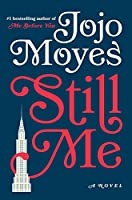
Still Me
2,939-word summary 13 min read 400 pages in the book
- First published
- 2018
- Publisher
- Pamela Dorman Books
- Pages
- 400
- ISBN
- 9780399562457
- Series
- Me Before You (#3)
Reading options
What's inside (7 sections)
I picked up Still Me because I could not leave Louisa Clark where After You left her. The first book ended with Will Traynor and his choice in Switzerland. The second left Lou patched together, attending a grief group and starting something slow with Sam the paramedic. This third book, published January 30, 2018 by Pamela Dorman Books in a 400 page US hardcover with ISBN 9780399562457, sends her to New York for a year. I worried it would feel like a sitcom, small town English girl among Fifth Avenue rich people. I read it in four evenings and liked it more than the second book, even where it annoyed me.
Lou is twenty nine at the start. Will's last letter still rings in her head telling her to live boldly. She has Sam Fielding in London, steady and kind, with a half fixed house and hens in the yard. She has loud loving parents, a blunt sister Treena, and a job at a vintage clothing shop that suits her bright tights and odd shoes. Then Nathan, Will's former nurse, passes on a job. His new employer in New York, wealthy older businessman Leonard Gopnik, needs an assistant and companion for his much younger second wife Agnes. One year, live in staff quarters, good pay. Sam says she should go. Lou believes they can survive several thousand miles apart. That early confidence matters when it frays.
The arrival chapters are the best fun. Lou lands with too much luggage and the wrong coat. She moves into the Gopnik apartment on Fifth Avenue, a huge flat with unspoken rules about elevators and deliveries that she learns by breaking them. She shares staff space with Nathan, now Leonard's trainer, and with Ilaria, the long serving housekeeper who treats Lou as an intruder. Ilaria corrects how Lou folds towels and answers the door phone. Lou tries jokes. Ilaria does not laugh. That chill felt true to houses with long memories.
The job itself is odd. Lou is not a maid and not quite a friend, though Agnes keeps calling her a friend. She keeps Agnes company, helps with clothes and schedules, tags along to lunches and charity events, fills silences when Agnes freezes. The uniform is dull. Lou cheats with bright socks and earrings. Her own clothes stand out in that building, which is the point. Moyes uses dress to mark where Lou feels free and where she feels on duty.
The Gopniks and the Yellow Ball
Leonard Gopnik is older, polite, busy, used to money smoothing friction. He sits on boards and hosts dinners where guests discuss schools and foundations as if everyone owns three flats. He is not cruel. He is distant and formal, fond of Agnes in a stiff way. He likes Lou when she makes Agnes smile and turns cold fast when anything looks disloyal.
Agnes is the heart of the household. She is Polish, much younger than Leonard, and was his masseuse before she became his second wife. She speaks good English with an accent that society women pretend not to hear. She misses family in Poland and friends who stopped calling after she married up. She tells Lou they are friends, then asks for things friends do not ask, like waiting in another room during calls or covering small purchases or smiling through lunches where other women test her with polite questions. The friends of the first Mrs. Gopnik ask where she went to school, how she met Leonard, whether she likes opera. Agnes answers too fast or too slow. Lou steps in with chatter about shoes or food. Those rescues build a bond that stays uneven, because only one of them signs the paycheck.
The Yellow Ball, a charity event Agnes dreads, shows the strain. Agnes does not want to walk in alone to be photographed and judged, so she brings Lou as a buffer. Lou wears something bright that fits her but not the room. She talks to waiters and ignored older women. She dances badly and laughs. Some guests warm to her because she is not playing their game. Agnes relaxes for an hour. Then a remark reminds her she is still the second wife and the night tilts. I liked that Moyes does not turn it into a triumph. It is one decent evening inside a longer grind.
Agnes keeps secrets and Lou ends up carrying them. A pregnancy scare frightens Agnes early because Leonard has said he does not want more children. Later Agnes asks Lou to withdraw small cash sums weekly from her account to pay for a small piano sent to family in Poland, so the charge will not appear on a card Leonard watches. Lou agrees because Agnes begs and says Leonard thinks she spends too much on relatives. It looks small. It turns serious when Leonard audits the withdrawals and asks Lou point blank what the money was for. Lou will not break her promise. Leonard reads the silence as theft. Anyone who has worked in a private house will know that trap. You cannot serve two people who hide things from each other.
The deeper secret explains the rest. Agnes had a daughter in Poland before she met Leonard, left with family, and never told her husband. A painting by her art teacher gives it away, a child with Agnes's face. When Lou learns it, the cash and the fear around pregnancy make new sense. Agnes is split between two lives and scared that honesty will end her marriage. Moyes does not make her a villain or a saint. She is a young mother who made hard calls and kept delaying the truth until the truth got costly.
Josh Ryan and the ghost
At the Yellow Ball Lou meets Joshua Ryan, called Josh. He is young, handsome, successful in finance, easy with staff and jokes. He looks strikingly like Will Traynor. Moyes states the resemblance outright. Lou feels sick and pulled at once. Josh has Will's height and smile, but he is not Will. He grew up with money, networks without thinking, expects doors to open. Will was private and sharp and tired of crowds. Josh likes rooms and being liked.
Lou tells herself she is not interested because she has Sam. Then she keeps meeting Josh at bars and events. He remembers details she mentions. He asks about London and her work as if the answers matter. For a woman who feels invisible as staff in a big flat, that attention hits hard. She tells herself noticing is not cheating. Then she notices more.
This thread works because Josh stands for a question Lou has avoided since Will died. Has she chosen Sam because she loves Sam, or because Sam is safe and will not leave by choice? Josh brings back the rush and sparring she had with Will, and she must admit she misses being wanted in that sharp way. The weak part is that Josh stays thin for long stretches. We get his wealth and job moves and manners, but little inner life until late. Near the end he asks Lou to change her outfit before a work dinner to suit his boss. That tells you enough. He likes her spark in private and wants her muted in public. Lou refuses and they split. I was glad she refused, and I wished that controlling edge had shown earlier so the split felt less sudden.
They share one blurred night after Lou drinks too much following a bad week. She goes back with him and wakes afraid she cheated fully. Josh says nothing physical happened, that he put her to bed and slept elsewhere. The book gives no reason to doubt him. Some readers will find that too neat. I read it as Moyes pointing at emotional betrayal as the real issue. The almost matters more than the details because Lou knows where her mind was.
Sam across the ocean
Sam stays in London working long paramedic shifts with a new partner named Katie. At first the calls are warm. They count days and send photos. Sam visits New York early and gets food poisoning on day one, spending the weekend ill. It ruins a reunion they both needed. Lou tries to laugh later. It still stings.
Jealousy builds quietly. Katie is young and competent and admiring. She texts about work and calls after shifts. Lou hears warmth in Sam's voice when he mentions her and hates herself for minding. Sam hears about Josh and goes quiet in a way worse than anger. Neither lies outright for a while. They edit. Lou skips some drinks with Josh. Sam skips some rides with Katie. Distance turns small gaps into stories each tells alone at night.
Christmas breaks them. Lou flies home early to surprise Sam, goes to his house, and sees him with Katie through a window, close in a way that looks intimate whether or not it is. She does not knock. She returns to her parents and lies that she missed her flight. Sam comes to her parents' house on Christmas and they argue in low voices while family moves nearby. Lou ends it. It felt rash and honest. She is hurt and proud and tired of feeling second to a stranger. Sam is hurt that she spied and judged without asking. Both have a point. Neither listens well that night.
Treena's news lands in the same visit and lightens the house. Treena tells their parents she is seeing a woman named Eddie. Their mother Josie, who has changed across the books, takes it calmly and asks practical questions about work and holidays. Their father worries vaguely then focuses on food. Moyes does not turn it into a crisis. It shows home moving on while Lou is away, and people she thought were fixed shifting a little.
After the split Lou and Sam write letters instead of calling. That slowing helps. Letters force thought before reaction. Sam explains what Katie was and was not. Lou explains what Josh was and what New York woke in her. They do not fix all of it on paper. They admit care remains and care may not be enough if they want different places. Lou decides she does not want to give up her new work in New York. She asks Sam to consider moving there, to meet her at Rockefeller Center if he says yes. I will leave the final image unspoiled beyond saying Moyes earns the hope without promising a tidy future. It fits a series that began with a letter about living boldly and keeps shrinking that idea to jobs and flats and who shows up.
Margot, Ashok, and the vintage store
The best new people have no money power. Margot De Witt, called Mrs. De Witt for most of the book, lives next door. She is old, sharp tongued, devoted to her small dog Dean Martin, and cold to Lou at first. Lou helps find the dog when he runs off. Later she finds Margot unconscious on the floor, calls an ambulance, and looks after the dog and flat while Margot is in hospital. That stretch gives Lou work where she is fully trusted. Margot thaws in stages. She talks about her past as a fashion magazine editor, about a career and a family split that left her alone with wealth tied in a flat she can barely afford. She tells Lou to call her Margot. Her advice about clothes is blunt and often right.
Margot's decline is plain. Hospital stays, stairs she cannot manage, bills she cannot pay. Lou suggests selling designer pieces to the vintage shop. Margot refuses at first because the clothes hold memory. When she decides to move in with her son's family, she gives Lou the dog and much of the wardrobe and lets her stay in the flat for a time. It is a large gift. I accepted it because Moyes builds it from small habits, feeding the dog, watering plants, sitting through daytime television without checking a phone. Care as routine, not speech, earns the ending.
Ashok, the doorman at the building the book calls the Lavery, is the other anchor. He is warm and funny and tired, raising kids in tight quarters while keeping rich residents happy. Lou babysits one night with Ilaria's reluctant help, learning names and food rules and bedtime tricks. Those hours remind her who she is with no audience. She is good with people she does not need to impress. Ashok's noisy affectionate marriage, stressed about money but quick to laugh, contrasts with the quiet Gopnik marriage without Moyes spelling it out.
The Vintage Clothes Emporium in the East Village becomes her second home. The owner knows fabrics and eras and lets Lou try pieces and help with styling. Lou, raised on charity shops and odd mixes, finds people who speak her language. Buttons and hems and cuts. The shop also offers a future beyond service work. By the end she plans a small rental business for special pieces, starting from Margot's wardrobe. That fits better than another assistant post. She has an eye, she loves helping nervous women feel brave, and she hates living by a household bell. Readers who loved the bee tights and red dress from book one will enjoy these chapters most.
A Washington Heights library thread runs under the plot and deserved more room. Lou helps at a public branch facing closure, a place used for job forms and homework and warmth. Moyes writes those scenes with feeling. Kids studying, older men reading papers to stay inside, staff stretching thin funds. The use in the plot is modest, mostly to show a New York far from galas and to give Lou a cause beyond romance. I wanted one more visit near the end to close it. As written it feels like a good idea crowded out by the main story.
What holds and what sags
What holds is Lou's voice. She is funny without performing, unsure without collapsing, kind without going soft. Her notes on wealth feel observed rather than toured, in elevator rules and table politics and realtor talk. I believed the loneliness of living in someone else's large home. I believed the pull of Josh and the ache for Sam. I believed Agnes as a tired young woman rather than a type. The class tension from the earlier books continues but shifts from wages to money culture. It is less about paying rent and more about staying herself when everyone performs ease.
What sags is pace in the middle. At 400 pages in the US hardcover, some beats repeat. Another lunch where Agnes is cut. Another far apart call with Sam. Another freeze from Ilaria, who stays hostile long then softens fast. A few earlier thaws would help. The staff system also feels thin. A house that grand would have more hands and gossip, and Lou would hear more warnings before the cash trap closes.
Money smooths trouble in ways that lower tension. Flights and rent and papers rarely bite. The Gopniks pay well, Margot gives a wardrobe and a place to stay, the shop offers a partnership with little talk of capital. After book one, where every pound mattered, this ease can feel strange. I see the choice. The book asks who Lou is when survival is not the question. Still, readers who liked that pressure may miss it.
Grief is handled with restraint. Will has been dead years in story time, yet Lou still measures men against him. Josh triggers it directly. Sam triggers it quietly, since Sam will never be Will and Lou sometimes punishes him for that. Moyes does not bring Will back in dreams or letters to fix things. His absence sits in her habits. That helps book three stand apart from sequels that replay the first love. If you want Will on the page, you will be disappointed. If you want to see what living boldly costs after loss, there is plenty here.
For series readers, take After You first or at least recall its close. Lou left London with Sam new and fragile, Lily tied to Will's past, her family crowded and kind. Still Me assumes you know Sam is a paramedic, Nathan nursed Will, Treena is sharp and protective, and Will's gift once paid Lou's rent. You can follow New York without that, but Sam's chapters lose weight if you do not know how hard Lou worked to accept care again. Keep the order straight. This is Me Before You book three, after Me Before You and After You. The edition I cite is Pamela Dorman Books, January 2018, 400 pages, ISBN 9780399562457.
I finished liking Lou more than when I started. She errs with money and men and bosses. She keeps secrets too long. She judges Sam fast at Christmas and pays for it. She also stands by Agnes when it costs her post, sits with Margot for no pay, helps Ashok's kids when tired, and backs a library she could ignore. That pattern is the claim of the title. Still me does not mean unchanged. It means the same bright stubborn woman choosing, after New York, which parts to keep. The end leaves threads open. Agnes must face Leonard without Lou as shield. Sam must decide about a move. Lou must build work that lasts. The loose ends irked me for a day, then felt right. A year away should not solve a life. It should show what solving would take, and who you want near while you try.
FAQ
When was Still Me published?
It was first published in January 2018, January 25 in the UK through Michael Joseph and January 30 in the US through Pamela Dorman Books. The US hardcover runs 400 pages with ISBN 9780399562457.
Is Still Me part of a series?
Yes. It is book three of Me Before You, after Me Before You and After You, and follows Louisa Clark as she works in New York and decides between old ties and new work.
What job takes Lou to New York?
She works as assistant and companion to Agnes Gopnik, the young Polish second wife of wealthy Leonard Gopnik, and lives in the staff quarters of their Fifth Avenue apartment.
Similar books
More from Me Before You first, then related titles.

Me Before You
Me Before You retold: Lou cares for Will in a Welsh annexe, trips and talks, choice and loss.
1,989-word summary · 9 min read
After You
Lou grieves Will, falls from a roof, joins a group, and meets Sam and a surprise from Will's past.
2,031-word summary · 9 min read

Sam's Letters to Jennifer
A grieving journalist reads her grandmother's letters and finds a decades-long love affair that changes how she sees her family.
2,310-word summary · 10 min read
How to Walk Away
Margaret Jacobsen has the job, the fiance, and the future mapped out, until a small-plane crash on Valentine's Day takes almost all of it in one afternoon.
2,012-word summary · 9 min read
The Switch
A burned-out consultant and her 79-year-old grandmother swap London and Yorkshire homes for two months, facing grief, dating apps, and village politics.
2,782-word summary · 12 min read
Forever, Interrupted
Elsie elopes in May, loses Ben nine days later, and learns grief beside the mother in law she never met.
2,051-word summary · 9 min read

Life's Too Short
A travel YouTuber facing possible ALS takes in baby Grace and falls for Adrian, the lawyer next door.
2,913-word summary · 13 min read
The Seven Year Slip
A grieving publicist inherits a time slipping Manhattan apartment and falls for a chef living seven years in the past.
2,601-word summary · 12 min read

Just for the Summer
Emma and Justin date to break a matching curse, then face sudden guardianship and illness on Lake Minnetonka.
3,090-word summary · 14 min read
Reminders of Him
Kenna returns after prison to meet the daughter she lost, facing the family that blames her.
2,168-word summary · 10 min read

The One Plus One
Broke cleaner Jess Thomas gets a lift from wealthy Ed Nicholls to take math gifted daughter Tanzie to her Olympiad, and a cramped road trip slowly turns to…
3,020-word summary · 13 min read

The Girl You Left Behind
Two women a century apart fight for what they love, joined by a portrait painted in wartime France and claimed in modern London.
2,613-word summary · 12 min read

What Happened to Goodbye
Mclean has reinvented herself in four towns since her parents divorced. In Lakeview she uses her real name, and for the first time staying put becomes a choice.
2,796-word summary · 12 min read

Amy & Roger's Epic Detour
Amy Curry has not driven since the crash that killed her father. With Roger at the wheel and a box of maps between them, a cross-country trip becomes a slow…
3,034-word summary · 13 min read

Two by Two
Sparks's twentieth novel turns from first love to a marriage breaking up: Russell Green loses his wife and his job, then rebuilds his life around his…
2,192-word summary · 10 min read
Between Sisters
Estranged sisters Meghann and Claire reunite in Washington when Claire announces a rushed wedding, then face their mother's desertion and a medical crisis.
2,467-word summary · 11 min read

At First Sight
Jeremy and Lexie are married and expecting a baby when anonymous emails tell him the child may not be his.
2,317-word summary · 10 min read

A Spool of Blue Thread
Four generations of the Whitshank family in Baltimore, and the silences, resentments and quiet love they hand down without ever saying so.
2,408-word summary · 11 min read

Delilah Green Doesn't Care
Delilah returns to Bright Falls to photograph her stepsister's wedding and falls for Claire, a bookstore owner and single mother, while a cruel bet threatens…
2,315-word summary · 10 min read

Days at the Morisaki Bookshop
Heartbroken Takako moves into her uncle's tiny secondhand bookshop in Jimbocho, and the shop and its regulars slowly give her back her life.
2,011-word summary · 9 min read

Dash & Lily's Book of Dares
Two lonely New York teenagers trade dares in a red notebook left at the Strand, falling for each other on the page before they meet.
2,228-word summary · 10 min read

The Storm Sister
Ally D'Aplièse loses her father and her lover within weeks, then follows a brass frog and a Norwegian biography into Anna Landvik's music and the world of…
2,376-word summary · 11 min read

The No-Show
Three women are stood up on Valentine's Day by the same man, but the timeline is not what it seems. O'Leary's warmest book with a knife in it.
2,127-word summary · 9 min read

Someone Like You
Halley and her best friend Scarlett face a summer of grief, a surprise pregnancy, and Halley's dangerous first romance in Sarah Dessen's 1998 young adult novel.
2,218-word summary · 10 min read
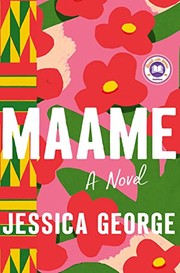
Maame
Maddie Wright, 25, has spent years as the responsible one in her Ghanaian British family, and the year she finally tries to live for herself is the year…
2,108-word summary · 9 min read
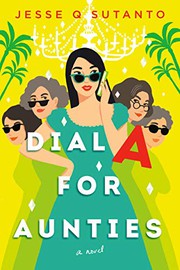
Dial A for Aunties
A wedding photographer accidentally kills her blind date, and her mother and three aunties help her hide the body during the biggest wedding of their careers.
2,076-word summary · 9 min read

True Colors
Three Grey sisters split over love and duty after their father judges them.
2,596-word summary · 12 min read

The One Hundred Years of Lenni and Margot
Dying teen Lenni and 83-year-old Margot paint one hundred years of stories.
2,281-word summary · 10 min read

The Identicals
Twin sisters swap Nantucket and Martha Vineyard lives for a summer.
2,556-word summary · 11 min read

The Accidental Tourist
Grieving Macon writes travel guides for haters of travel, then Muriel intrudes.
2,252-word summary · 10 min read