
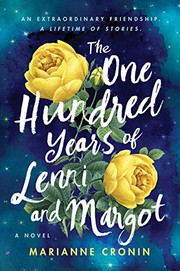
The One Hundred Years of Lenni and Margot
2,281-word summary 10 min read 341 pages in the book
- First published
- 2021
- Publisher
- HarperCollins
- Pages
- 341
- ISBN
- 9780063017504
Reading options
What's inside (8 sections)
I picked this one up after a nurse friend kept pressing it on people at work. She said it was the only book about dying that made her laugh out loud on a night shift. Marianne Cronin published it with HarperCollins in 2021, a 341 page novel with ISBN 9780063017504. I went in expecting something sweet and a little thin. What I found was stranger and heavier than the cover suggests, though still warm.
Lenni is seventeen and living in a Glasgow hospital because treatment has stopped working for her. Margot is eighty three and on the same ward for a heart problem. They meet in the Rose Room, the hospital art room, and decide to paint one hundred years together. Lenni has lived seventeen years. Margot has lived eighty three. One hundred between them. Each painting holds a story from one of those years, told in turn.
The setup could have felt cute in a forced way. It does not, mostly because Lenni narrates with a dry edge. She is funny about hospital routines, bored by pity, and quick to notice when adults are lying to be kind. Margot matches her without copying her. She is proper, stubborn, and private in the way of someone who has kept secrets for decades.
My copy has tea marks near the middle. I kept carrying it around the house.
The Rose Room and the deal
The hospital feels real here. Not the television version with constant alarms, but the slower one with lukewarm tea, squeaky trolleys, and staff who remember how you take your toast. Lenni spends her days between her room, the nurses station, and the Rose Room where a young art worker encourages patients to make things.
Lenni does not want another adult telling her to express her feelings. She goes to art mostly to get out of bed and away from the ward clock. Margot is already there, painting with care, not making a mess for the sake of it. Their first talks are short and prickly. Lenni asks blunt questions. Margot deflects with manners.
The one hundred paintings idea grows out of that friction. It gives them a project with rules. They will each tell stories from their lives, one year at a time, and make a painting for each. Lenni starts with childhood memories that are bright and broken at once. Margot starts much earlier, in a different world, and holds back more than she says at first.
Father Arthur, the hospital chaplain, drifts around these scenes with his own doubts. He is kind without being simple. The nurses, especially the night staff, come in and out with gossip and small mercies. Humphrey, the man who brings the art trolley, keeps things moving. These side figures matter because they show how a long stay reshapes time. Days are marked by meds rounds, visiting hours, and who is awake at three in the morning.
What I liked here is how Cronin lets friendship build through routine. No sudden confession. Just showing up in the same room, day after day, until teasing turns into trust.
Lenni and the question of being known
Lenni is Swedish by background, raised mostly by her father after her mother left when she was small. That absence sits under everything. She loves her dad, John, who tries hard and often gets things wrong. He brings food she cannot eat. He smiles too long. He avoids saying she is dying, which irritates her more than tears would.
At seventeen, Lenni is working out who she would have been if she had more time. She talks about school, friends who do not visit much now, first kisses that meant little and one that meant more. She has opinions about music and clothes and God. She is not wise beyond her years in the annoying way some sick teens are written. She is immature in places, sharp in others, and self centered the way any teenager can be when scared.
One strong thread is her need to leave something that proves she was here. The paintings become that proof. Not a grand legacy. Something handmade and specific. She worries people will forget the details, like how she laughed or what she drew in margins. Cronin handles this without turning Lenni into a symbol. Lenni gets angry, says unfair things to her father, then feels sick with guilt.
I found the chapters about her mother especially sore. Lenni wants answers and also dreads them. When some arrive, they do not fix much. That felt honest. Some questions in families stay half answered even when everyone means well.
Short paragraph for breath: Lenni swears a bit, jokes about hospital food, and hates being called brave.
Then the story widens again, because her seventeen years cannot fill the canvas alone. She needs Margot to carry the rest.
Margot and eighty three years of holding back
Margot at first seems like the composed older lady type. Cardigans, lipstick, good posture. Under that is a life with real trouble in it. She grew up in a time when women had fewer choices, worked, loved people she should not have loved by the rules of the day, lost people, and learned to keep quiet to survive.
Her stories come out slowly. A youth shaped by war and rationing and strict expectations. Work that mattered to her. A marriage that was complicated rather than villainous. Friendships that lasted and ones that broke over pride or fear. A child she lost touch with in ways that are painful to read. Cronin spaces these reveals so Margot never becomes a case study. Each painting opens one door while another stays shut for a while.
What gives Margot weight is how she talks about regret. She does not perform big speeches about forgiveness. She describes small decisions, like not posting a letter, or saying yes when she meant no, and lets the cost sit there. Lenni pushes her to say more. Margot sometimes refuses. That refusal is part of the point. Old people in books are often used as wisdom machines. Margot keeps her privacy, which makes her feel like a person instead of a lesson.
There is also a love story tucked inside her past, handled with restraint. No melodrama. Just the memory of someone who saw her clearly, and what it cost to live in a world that did not allow that seeing to be public. When Lenni finally understands the shape of it, the moment arrives quietly. I had to put the book down for a bit.
If Lenni is trying to be known before she goes, Margot is deciding what can still be told before it is too late.
Fathers, nurses, chaplains, and ordinary grace
One reason the book sustains 341 pages is the ward community. John, Lenni father, carries much of the parental grief. He is a quiet man who cooks, cleans, and waits. He does not have eloquent monologues. He shows love by fixing the blanket and remembering appointments. His scenes with Margot are gentle and awkward. She mothers him a little. He lets her, because he is tired.
Father Arthur is another surprise. Hospital chaplains in fiction can be either saints or jokes. He is neither. He doubts his faith, drinks too much coffee, falls asleep in chairs, and still shows up when called. His conversations with Lenni about God are blunt on her side and tired on his. She asks why prayer should matter if she is dying anyway. He does not offer neat replies. He listens, which turns out to be rarer than advice.
The nurses get distinct habits and voices. One is brisk and funny. One is soft and firm about rules. One remembers every patient birthday. They bicker, flirt, cry in supply rooms, and keep going. Cronin, who has spoken about hospital volunteering, writes their labor with respect. Bed baths, night checks, morphine pumps, family meetings. None of it is glamorized. All of it counts.
Even minor patients add texture. An older man who watches quiz shows. A woman who paints only in blue. Someone who dies and leaves a bed empty, which everyone notices and no one discusses at length. That empty bed detail stayed with me more than any speech.
I also liked how the paintings themselves change as trust grows. Early ones are careful and a bit literal. A house, a street, a dress. Later ones get looser and stranger, with color doing work that words avoid. Lenni starts mixing shades for moods she will not name. Margot, who began with neat edges, lets a sky bleed past its lines. It is a quiet way to show progress without announcing it. The art worker notices but does not lecture them about it, which I appreciated. She just pins the new pieces where light hits them.
There were nights I resented how much I cared about people with ten pages of backstory. A porter who saves Lenni the sports section. A volunteer who overdoes perfume. They appear for a paragraph and then return forty pages later with a blanket or a joke. That kind of return feels true to ward life, where strangers learn your sleep noises.
Hospital time is the phrase I kept thinking of. Slow mornings, fast scares, jokes at midnight. Cronin captures how humor and grief sit side by side without asking permission.
What the structure does well and where it strains
The alternating stories could have become repetitive. Tell a memory, paint a picture, switch narrator, repeat. For long stretches Cronin avoids that trap by varying length and tone. Some chapters are two pages and end on a laugh. Others run longer and stay in the past for a while, especially Margot wartime youth and middle years. The paintings themselves are described enough to picture without slowing the plot to explain each brushstroke.
Pacing dips in the middle third. There is a run of Lenni chapters where hospital routine loops a bit. Wake, art room, visit, sleep, worry. I understand why it is there. Long illness really is repetitive. But as a reader I started skimming meal descriptions and waiting for the next Margot section. A trim of twenty pages around that stretch would have helped.
Another fair criticism: some coincidences lean hard on feeling. People from Margot past turn up in ways that fit almost too neatly around Lenni present. One reunion in particular requires a lot of luck with timing and geography. I accepted it because the emotional payoff was strong, but I noticed the strings. Readers who prefer loose ends to bows may find the last fifty pages a touch tidy.
The prose is plain in a good way, with flashes of color. Cronin does not reach for fancy images. When she does describe Glasgow light or paint mixing, it works because she has been spare elsewhere. Dialogue carries much of the charm. Lenni and Margot bicker like relatives by the end, finishing sentences and calling out excuses.
On faith and meaning, the book stays open. It does not preach, nor does it mock belief. Father Arthur doubts, Lenni argues, Margot keeps her own counsel. That balance will suit many readers. Those wanting either firm comfort or firm skepticism might wish it chose a side.
Grief, humor, and who should pick it up
This is a book about two people facing the end from opposite sides of a life. Lenni at the start, Margot near the close. Their deal gives the plot a spine, but the heart is in daily care. Sitting with someone. Asking another question. Making tea that goes cold. Painting badly and laughing about it.
I cried twice. Once near a reveal about Margot child, once at a small scene where John folds Lenni clothes. Neither moment was pushed with swelling music language. They arrived after pages of ordinary detail, which made them hit harder.
Who will like it most? Readers who loved books where friendship crosses age gaps, or hospital stories that respect staff work, or stories about art as record keeping. If you need fast twists, look elsewhere. The tension here is whether people will say true things before time runs out, not whether a secret will explode.
A note on content: death, pregnancy loss, abortion, homophobia in past decades, medical decline, and grief are all present. Cronin treats them directly but without graphic detail. The tone stays tender rather than bleak. I would hand it to a thoughtful teen and to adults who care for aging parents. Both may see themselves uncomfortably clearly.
I finished it on a Sunday with rain on the windows. The last painting image stayed in my head while I washed mugs. That seems right for a novel that argues, gently, that a life can be held in small made things. Not solved. Held.
If your book group likes to talk, there is plenty to argue about here. Was Margot right to keep secrets so long. Did John fail Lenni or love her as well as anyone could. Does Father Arthur help or just witness. No single answer wins, which is why the 341 pages earn their keep despite the soft spots.
One more small thing worth saying. I have read hospital novels where staff exist to deliver news and leave. Here a night nurse stays five minutes extra to redo a bandage more gently, and no one calls it heroic. It just happens, then the story moves on. Those touches built my trust more than any plot turn. They made the sadder chapters bearable, because care was visible on every page even when cure was not.
FAQ
When was The One Hundred Years of Lenni and Margot published?
HarperCollins published it in 2021. The edition cited here runs 341 pages with ISBN 9780063017504.
Is the book suitable for teen readers?
Yes, in a tender way. It deals with terminal illness, pregnancy loss, and grief, but keeps detail gentle and centers care and humor.
What is the one hundred paintings project?
They agree to make one hundred paintings together, seventeen from Lenni life and eighty three from Margot life, each tied to a memory.
Similar books

Little Earthquakes
Four Philadelphia women meet during pregnancy and discover that new motherhood is nothing like the plan, while friendship becomes the thing that holds them…
1,997-word summary · 9 min read

Days at the Morisaki Bookshop
Heartbroken Takako moves into her uncle's tiny secondhand bookshop in Jimbocho, and the shop and its regulars slowly give her back her life.
2,011-word summary · 9 min read

The No-Show
Three women are stood up on Valentine's Day by the same man, but the timeline is not what it seems. O'Leary's warmest book with a knife in it.
2,127-word summary · 9 min read

Where the Forest Meets the Stars
A grieving bird researcher hosts a strange child who claims to be alien in an Illinois cabin.
1,910-word summary · 8 min read
Still Me
Lou spends a year in New York working for the Gopniks, torn between Josh, distant Sam, and the life she wants.
2,939-word summary · 13 min read
Someone Else's Shoes
A rich wife loses everything and a tired mom gains red heels when gym bags swap in London.
1,951-word summary · 9 min read
The Other Hand
Nigerian Little Bee leaves detention after two years and reunites with Sarah O'Rourke, linked by a violent beach meeting in Nigeria.
2,385-word summary · 11 min read

Remarkably Bright Creatures
A widowed night janitor, a lost young man, and a grumpy octopus circle the same old loss in a small seaside town.
2,012-word summary · 9 min read

Dumplin'
Willowdean Dickson enters her town's beauty pageant as a protest and discovers that confidence is harder to keep once she lets someone close.
1,922-word summary · 9 min read

Sam's Letters to Jennifer
A grieving journalist reads her grandmother's letters and finds a decades-long love affair that changes how she sees her family.
2,310-word summary · 10 min read

Amy & Roger's Epic Detour
Amy Curry has not driven since the crash that killed her father. With Roger at the wheel and a box of maps between them, a cross-country trip becomes a slow…
3,034-word summary · 13 min read

We Are Okay
Marin fled San Francisco after her grandfather vanished and stopped answering anyone. When Mabel visits her college dorm, she has to say what happened.
2,253-word summary · 10 min read
One to Watch
A plus-size fashion blogger takes the lead role on a reality dating show to prove she belongs on television, and finds she might want what the cameras offer.
2,478-word summary · 11 min read

The First to Die at the End
On the night Death-Cast launches, a boy with a bad heart meets a model with everything ahead of him, and one of them gets the call.
2,908-word summary · 13 min read

Big Swiss
A transcriptionist for a sex coach falls for one of his clients, the tall Swiss gynecologist she calls Big Swiss, in a funny novel about work and secrets.
2,523-word summary · 11 min read

A Spool of Blue Thread
Four generations of the Whitshank family in Baltimore, and the silences, resentments and quiet love they hand down without ever saying so.
2,408-word summary · 11 min read

Marriage for One
Rose marries a cold lawyer to save her coffee shop, then discovers the arrangement was never only business.
2,032-word summary · 9 min read
In an Instant
After a family camper crashes down a snowy mountain, sixteen-year-old Finn watches from the afterlife as survivors make impossible choices and try to live with…
2,130-word summary · 9 min read

One of Us Is Dead
In Buckhead, Atlanta, five women narrate a murder among manicures, fundraisers, and social warfare. Jeneva Rose's 2022 thriller is a gossipy revenge fantasy…
2,471-word summary · 11 min read

Someone Like You
Halley and her best friend Scarlett face a summer of grief, a surprise pregnancy, and Halley's dangerous first romance in Sarah Dessen's 1998 young adult novel.
2,218-word summary · 10 min read
Maame
Maddie Wright, 25, has spent years as the responsible one in her Ghanaian British family, and the year she finally tries to live for herself is the year…
2,108-word summary · 9 min read
How to Walk Away
Margaret Jacobsen has the job, the fiance, and the future mapped out, until a small-plane crash on Valentine's Day takes almost all of it in one afternoon.
2,012-word summary · 9 min read
True Colors
Three Grey sisters split over love and duty after their father judges them.
2,596-word summary · 12 min read

The Reading List
A lonely widower and a teen library worker connect through a mysterious list of books.
2,810-word summary · 12 min read

The Identicals
Twin sisters swap Nantucket and Martha Vineyard lives for a summer.
2,556-word summary · 11 min read

The Bookish Life of Nina Hill
Bookstore Nina gains a family and pub-quiz love in Los Angeles.
2,399-word summary · 11 min read

The Accidental Tourist
Grieving Macon writes travel guides for haters of travel, then Muriel intrudes.
2,252-word summary · 10 min read

Kitchen
Orphan Mikage finds home in a kitchen with Yuichi and Eriko after loss.
2,597-word summary · 12 min read
Every Last Word
A girl with OCD finds poetry and friends who know her secrets.
2,434-word summary · 11 min read