
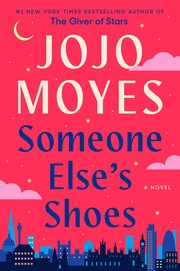
Someone Else's Shoes
1,951-word summary 9 min read 438 pages in the book
- First published
- 2023
- Publisher
- Pamela Dorman Books
- Pages
- 438
- ISBN
- 9781984879295
Reading options
What's inside (5 sections)
Swapping bags has never cost this much or taught this much. Someone Else's Shoes by Jojo Moyes was first published February 7, 2023 by Pamela Dorman Books, a 438 page hardcover with ISBN 9781984879295. Nisha loses her rich life in a day. Sam grabs the wrong gym bag and gains red heels that change rooms. I read it in three days, laughing at dog walking scenes and underlining the work chapters, which are the real story beneath shoes.
Nisha Cantor narrates much of it. Forty five, glamorous, married to a rich man who cuts her off by text and locks cards before she lands. She has no job history, no friends with couches, and one hotel night left. She keeps the wrong bag, Sam old sneakers and dog treats, and must survive on wits she forgot she had. Her pride is armor and obstacle both. She can order in five languages. She cannot use a laundromat. Watching her learn is funny and moving without poverty tourism. Moyes respects both women enough to show their blind spots.
Sam Kemp is the other lead. Forty seven, cleaner turned office worker, caring for a depressed husband, a teen daughter, and an aging mother while her boss sidelines her. She takes Nisha bag by accident at the gym and tries on the Louboutins as a joke. The shoes pinch and empower. She wears them to a meeting and gets heard for the first time in years. That confidence boost is not magic. It is posture, attention, and anger finally aimed outward. Sam starts saying no at work and home. Small nos first. Bigger ones later.
Swap and survival
The swap mechanics are classic Moyes farce with logistics that hold. Same gym. Same bag brand in different sizes. Rush hour. Phones dead. By the time either notices, trains left. Nisha tries to sell Sam sneakers for cash and learns they are worthless. Sam tries to return heels and learns Nisha hotel will not take messages without a room number. They meet through a dog walking gig Nisha takes to eat. Jasmine, Sam daughter dog, needs walking. Nisha needs cash. Sam needs help she will not ask for. Dogs arrange what pride delays. Anyone with a needy pet will nod. Walks force talks.
Nisha survival chapters are the book delight and education. Five star woman learning buses, benefits offices, and hostel rules. She befriends women in similar straits without performing gratitude. She cleans rooms for cash and does it well because luxury taught standards. A scene where she organizes a chaotic hostel kitchen like a hotel suite had me cheering. Skills transfer even when status does not. Moyes avoids making her helpless or heroic. Just capable in wrong context, adjusting fast.
Sam work chapters carry the theme harder. Passed over for a younger man, asked to train him, told she lacks leadership while doing the leading. The shoes help her speak plainly in meetings, but substance was always there. A presentation she prepared gets credited to the new guy. She corrects the record with dates and files, risking her job. That scene, quiet and factual, matters more than any shoe magic. Documentation beats footwear. Though footwear helped her stand tall enough to speak.
Their friendship builds through dogs and debts, not makeovers. Nisha walks Jasmine. Sam shares uniform discounts. They trade truths on benches while dogs sniff. Nisha admits her marriage was lonely long before divorce. Sam admits her marriage is sad in a different way, with a good man lost to depression. Neither offers fixes. They offer company and practical help. Watch the dog Tuesday. Cover a shift lie. Those exchanges build trust faster than confessions. Help first. History later.
A fair note. Early Nisha chapters pile humiliations fast. Card declined. Hotel locked. Phone cut. Three in twenty pages may tire readers who want breathing room. Stick through. Once she gets the hostel bed and the dog job, pace steadies. The pile on serves a point. Wealth removal is abrupt in life too. No transition plan. Just Tuesday with no money. Her hostel mates deserve mention as found family done right. Women of different ages sharing chargers, tea, and job leads without pity. Nisha organizes the kitchen like a hotel suite and earns respect through standards, not stories. Those night talks about exes and bosses teach her more than any gala did. Solidarity in socks.
Sam work chapters carry the theme harder and need specifics about the review that turns her. Passed over for a younger man, asked to train him, told she lacks leadership while doing the leading. The shoes help her speak plainly in meetings, but substance was always there. A presentation she prepared gets credited to the new guy. She corrects the record with dates and files, risking her job. That scene, quiet and factual, matters more than any shoe magic. Documentation beats footwear. Though footwear helped her stand tall enough to speak. Her boss backpedals with a smile that does not reach eyes. Small win. Kept job. Realistic and satisfying.
Work, marriage, and standing tall
The middle widens to workplaces that decide fates more than shoes do. Sam office runs on presenteeism and golf talk. Her boss praises her reliability while promoting charm. Nisha learns this watching Sam prep for a review. Bring numbers. Name wins. Do not apologize for existing. Sam practices in a mirror wearing heels and feels silly, then does it anyway. The review goes better, not perfect. Small raise. Kept job. That modest win feels honest for forty seven with dependents. No corner office miracle. Just kept.
Nisha marriage autopsy unfolds through lawyers and memory. Her husband did not just leave. He planned it with accountants while smiling at dinners. Friends choose sides by wealth. Her prenup looks thin. A lawyer tells her to document everything, which she does with hotel precision. Inventory. Dates. Photos. Those skills, mocked as fussy wife habits, become legal armor. Moyes makes a quiet point here. Women work dismissed as shopping or hosting often builds record keeping that saves them. Pay attention to who remembers birthdays and bills. They know where bodies are buried, financially speaking.
Sam marriage gets equal care without villainy. Her husband Phil is depressed, not cruel. He lies in bed while Sam works three shifts of care. She loves him and resents him. He knows and sinks deeper. Their talks, in a kitchen with bills spread, are the book bravest pages. No affair. No shouting. Just exhaustion named plainly. Can we afford help. Will you try the clinic again. Love as logistics. Moyes refuses to make Phil a prop to leave for freedom. He is a person to include in plans, with limits. That nuance respects readers living it.
Daughters add generational mirrors that keep the book from becoming only middle age lament. Sam teen pushes back about school and clothes with the cruelty only kids manage. Nisha, childless and judged for it, bonds with the teen over shoes without condescending. Jasmine the dog behaves badly and loves fully. Teens and dogs steal scenes they should, reminding leads what unguarded joy looks like. A late chapter where all three women walk dogs together without talking about men feels like the thesis. Company. Air. Wagging.
If there is a sag, it is the legal back and forth where lawyers explain frozen assets and hearings. Necessary for stakes, but two calls repeat. I skimmed one and missed nothing. The payoff, when Nisha uses hotel service standards to impress a judge with organization, needs less setup. Still, the boredom mirrors real divorce admin. Tedium as weapon. Wealthy spouses count on exhaustion. Nisha refuses to tire, which is its own revenge.
What the shoes mean
The ending avoids magic shoe morals for practical ones, which suits Moyes. Shoes do not change lives. Posture and people do. Nisha gets a job running a small hotel with standards she sets. Not luxury. Just clean and kind. Sam gets a role with actual authority after threatening to leave with documentation. Not CEO. Just respected. They stay friends who trade dog sitting and advice, not trauma bonded forever roommates. Separate homes. Linked lives. That modesty feels earned after 438 pages of work.
The final swap back, bags returned with notes, lands softly on purpose. Heels scuffed from real wear. Sneakers worn from real walks. Each keeps something of the other. Nisha keeps Sam directness. Sam keeps Nisha standards. They meet for walks, not galas. Dogs lead. It is not a fairy tale. It is better. Two women who can afford themselves, together sometimes, apart capably.
What stays with me is Moyes argument about confidence. Rooms treat people differently based on shoes, age, and accent. That is unjust and real. Changing shoes can change rooms enough to speak. But lasting change needs files, friends, and dog walks. Outer lift plus inner records. Nisha learns to document. Sam learns to stand tall. Both learn to ask for help before crisis. Those lessons outlast heels.
Read it if you like warm funny novels about work and second chances. It pairs well with good shoes, broken in, and a friend to walk dogs with. Do not expect Cinderella. Expect admin heroics, bench talks, and heels that pinch while teaching posture. By the last page you will check your own bag. Right one. Wrong one. Either way, walk tall and share the bench. Someone else may need it. Nisha hotel job deserves a last look as the book quiet triumph. She runs a small place with standards she sets. Clean rooms. Kind staff. No luxury posturing. Just competence learned in penthouses applied to budgets that matter. Guests notice. Reviews mention towels folded right and clerks who listen. That success tastes better than any gala because it is hers without husband signature. Sam visits with dogs and stays for tea in the back office that smells of laundry done right. Two women who swapped bags now swap days off to cover each other. Separate homes. Linked lives. That modesty feels earned after 438 pages of work. Not fairy tale. Better. Admin heroics that pay rent and keep dignity. Walk tall in broken in shoes. Both do, finally, on their own feet. The dogs deserve a last cheer as plot engines disguised as pets. Jasmine needs walking on schedules that force the women outside together. Walks become talks. Talks become plans. A lost leash causes a meeting. A vet bill causes honesty about money. Moyes uses dogs the way others use letters. Messengers that do not judge. When both women end up at the same park at dawn with coffees, not talking about men for once, the series of small mornings lands as earned peace. No big speech. Just wagging and walking. That is the book in one image. Keep moving. Bring a friend. Let dogs lead sometimes. Walk tall in broken in shoes. Both do, finally, on their own feet. The teen daughter thread deserves a last note on how Moyes writes kids without making them props. Sam daughter pushes back about school with cruelty only kids manage, then shows up to walk dogs when Nisha is sick without being asked. That unsentimental care mirrors the adults learning around her. Teens watch how parents survive and copy the good parts late. Give them time. They are learning bench sharing too. Nisha eventually mentors a hostel mate on hotel standards, passing on what luxury taught without condescension. Fold like this. Smile like you mean it. Sam eventually mentors a junior at work the same way. Document everything. Keep copies. That passing on closes both arcs better than any romance scene. Help given forward, not just to each other.
FAQ
When was Someone Else's Shoes published?
Pamela Dorman Books published it February 7, 2023. It runs 438 pages and the hardcover ISBN is 9781984879295.
Is it part of a series?
No. It stands alone, though Moyes fans will spot her humor about work and marriage.
Similar books
The No-Show
Three women are stood up on Valentine's Day by the same man, but the timeline is not what it seems. O'Leary's warmest book with a knife in it.
2,127-word summary · 9 min read
Ghosts
At 32, food writer Nina Dean faces ghosting by Max and her father's dementia in London.
2,677-word summary · 12 min read

One Day in December
Laurie spots her dream man from a London bus, then meets him again as her best friend Sarah's new boyfriend.
2,513-word summary · 11 min read
The Flatshare
Two strangers share one bed on opposite shifts and fall in love through notes left around the flat.
2,793-word summary · 12 min read
Little Earthquakes
Four Philadelphia women meet during pregnancy and discover that new motherhood is nothing like the plan, while friendship becomes the thing that holds them…
1,997-word summary · 9 min read

Dumplin'
Willowdean Dickson enters her town's beauty pageant as a protest and discovers that confidence is harder to keep once she lets someone close.
1,922-word summary · 9 min read

Shopaholic and Sister
Becky Brandon returns from a ten-month honeymoon to meet the half-sister she always wanted, then discovers that Jess is thrifty, prickly, and nothing like the…
2,591-word summary · 12 min read
Mr. Maybe
Libby Mason wants a rich husband, but the wealthy man who proposes is dull and the broke writer she cannot forget is not offering forever.
2,322-word summary · 10 min read

One to Watch
A plus-size fashion blogger takes the lead role on a reality dating show to prove she belongs on television, and finds she might want what the cameras offer.
2,478-word summary · 11 min read

Big Swiss
A transcriptionist for a sex coach falls for one of his clients, the tall Swiss gynecologist she calls Big Swiss, in a funny novel about work and secrets.
2,523-word summary · 11 min read
Marriage for One
Rose marries a cold lawyer to save her coffee shop, then discovers the arrangement was never only business.
2,032-word summary · 9 min read
True Colors
Three Grey sisters split over love and duty after their father judges them.
2,596-word summary · 12 min read
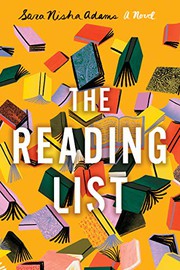
The Reading List
A lonely widower and a teen library worker connect through a mysterious list of books.
2,810-word summary · 12 min read

The One Hundred Years of Lenni and Margot
Dying teen Lenni and 83-year-old Margot paint one hundred years of stories.
2,281-word summary · 10 min read
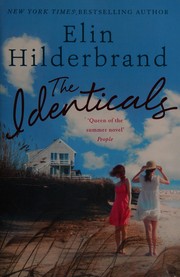
The Identicals
Twin sisters swap Nantucket and Martha Vineyard lives for a summer.
2,556-word summary · 11 min read
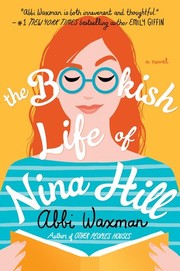
The Bookish Life of Nina Hill
Bookstore Nina gains a family and pub-quiz love in Los Angeles.
2,399-word summary · 11 min read
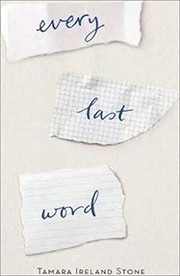
Every Last Word
A girl with OCD finds poetry and friends who know her secrets.
2,434-word summary · 11 min read

Bridget Jones: The Edge of Reason
Bridget doubts Mark, takes a job with Daniel, and lands in trouble in Thailand.
2,198-word summary · 10 min read

Since You've Been Gone
Shy Emily spends summer finishing her vanished best friend Sloane list of thirteen dares, finding Frank, Dawn, and courage.
2,566-word summary · 11 min read

Heart of the Matter
Two Boston mothers collide after a burn injury puts a single mom in the orbit of another woman's surgeon husband.
2,585-word summary · 11 min read
The Bromance Book Club
A Nashville pitcher joins a secret romance book club to save his marriage after his wife Thea asks for divorce. He trades pride for listening, chores, and…
2,932-word summary · 13 min read
Jemima J
Overweight London journalist Jemima Jones invents a slim online self for a California lover, starves to match the photo, then faces betrayal and learns to…
2,883-word summary · 13 min read
Where Rainbows End
Told in letters and emails, Rosie Dunne and Alex Stewart grow from Dublin childhood to midlife, missing chances at love while raising Katie.
1,943-word summary · 9 min read
Queenie
Jamaican British Queenie spirals after Tom break while friends hold her.
2,056-word summary · 9 min read
Good Material
A struggling comic replays his breakup with Jen while sofa surfing, bombing gigs and missing the other half of the story.
2,500-word summary · 11 min read
About a Boy
An idle London bachelor invents a toddler son to meet women, then builds a real friendship with a lonely twelve year old.
2,750-word summary · 12 min read
The Keeper of Lost Things
An old writer collects lost objects and leaves the quest to his housekeeper.
1,934-word summary · 9 min read

Magnolia Parks
London socialite Magnolia Parks and BJ Ballentine keep hurting each other while trying to move on.
2,459-word summary · 11 min read
Something Blue
Dumped while pregnant, Darcy flees to London to regrow up with help from an old friend she once wronged.
2,027-word summary · 9 min read
Remember Me?
Lexi wakes after an accident missing three years, with a polished new life and a husband she does not recall, and must work out which parts she wants to keep.
2,390-word summary · 11 min read