

Something Blue
2,027-word summary 9 min read 338 pages in the book
- First published
- 2005
- Publisher
- St. Martin's Press
- Pages
- 338
- ISBN
- 9780312323851
- Series
- Darcy & Rachel (#2)
Reading options
What's inside (10 sections)
I did not expect to like Darcy Rhone. In Something Borrowed she is the villain you love to judge, the pretty friend who steals the spotlight and then the groom. Emily Giffin published the sequel Something Blue with St. Martin's Press in 2005, a 338 page novel with ISBN 9780312323851 that hands Darcy the microphone and dares you to stay. I stayed, mostly annoyed for a hundred pages, then rooting quietly, then genuinely moved. It is a sequel that reframes the first without erasing it. Same wedding, other side. Same selfish girl, slower look.
The opening is brutal in a good way. Rachel and Dex wedding day in the Hamptons. Darcy, pregnant, single, watching the man she planned to marry marry her best friend. She still thinks she can fix it with a speech or a dress. She cannot. Dex is kind but clear. Rachel is guilty but steady. Darcy leaves early, heels in grass, and flies home to find Marcus, her casual boyfriend and father of the baby, uninterested in fatherhood. He offers money and distance. Her mother offers judgment with love. Her friends offer gossip. Within chapters she loses the apartment, the social calendar, and the story she told about herself. Beautiful, wanted, fine. None of it holds.
London is the reset. Darcy flees to stay with Ethan, an old friend from childhood who once loved Rachel quietly and now teaches in England. Ethan is blunt in a way American men in her life are not. He gives her a small room, house rules, and no compliments. Get a job. Pay rent. Stop lying about the father. Stop calling Rachel to rehearse apologies that ask for applause. Darcy hates this and needs it. She gets work as a nanny assistant, then in a shop, jobs that require showing up on time and caring for other people children. She is bad at first. Late, vain, on her phone. Slowly she gets less bad. A child she watches trusts her. A coworker invites her to tea without wanting anything. Small decencies accumulate.
Pregnancy grounds the book. Darcy morning sickness is real. Doctor visits alone are real. Fear about money and birth and whether she can love a baby when she barely likes herself is real. Giffin does not use the baby as a prop for redemption. Darcy considers options seriously and chooses to continue, then has to live that choice in a foreign city with no family near. Scenes at markets, on buses, in a cramped flat with Ethan snoring through the wall, give the middle its texture. Ethan cooks plain food. Darcy learns to eat it gratefully. Her body changes and her old tight clothes stop fitting. She buys cheap dresses and stops photographing every meal. It sounds small. For Darcy it is conversion.
Ethan as mirror
Ethan is the reason the sequel works. In the first book he is background, the nice guy who sees through Darcy. Here he is co lead, funny and tired, gay? No, straight, but uninterested in rescuing her romantically at first. He tells her she was a bad friend to Rachel. He lists specifics. The birthday she forgot. The secret she told. The way she made Rachel feel plain. Darcy deflects, cries, tries charm. Ethan does not blink. You were selfish, he says, not evil, but consistently selfish. Change the pattern or lose people. That plain speech, repeated over months, does more than any grand gesture.
Their friendship is domestic rather than sparkling. Grocery lists. Laundry rotas. Ethan grading papers while Darcy folds tiny baby clothes she bought on sale. He teaches her to apologize without adding a defense. Say you were wrong. Stop there. Do not explain your childhood. Darcy practices and fails. She writes Rachel long emails she does not send. Ethan reads drafts and crosses out paragraphs. Less about you, he writes in margins. More about what you did. It is funny and painful because anyone who has tried to repair a friendship will recognize the urge to be forgiven fast.
Romance, when it comes, is slow and earned. Ethan does not fall for the new Darcy in a montage. He notices she remembers his tea order. She notices he stays up when she has cramps. They argue about money, about Rachel, about whether Darcy is performing growth for an audience of one. Physical closeness arrives late, awkwardly, with talk about protection and past partners and what this means for the baby. Giffin writes adult intimacy better here than in the first book, less fantasy, more negotiation. No one is saved by a kiss. A kiss is just information that care has grown.
Rachel and Dex from afar
Giffin handles the first book couple with restraint. Rachel and Dex appear in calls and in one visit, not as villains or saints. Rachel is pregnant too, happy and wary. She loved Darcy for years and was hurt in ways she cannot summarize quickly. Dex is polite and distant, focused on Rachel. Darcy wants a scene where everyone cries and hugs. She does not get it. What she gets is a short meeting where Rachel says she misses the old friendship but does not trust a new one yet. It is honest and unsatisfying, which is how estrangement feels. Forgiveness, if it comes, will be after this book ends.
Her mother is a quieter thread. Charlotte Rhone loves Darcy fiercely and raised her to value looks and marriage over work and apology. Phone calls between Indianapolis and London show both women trying. Charlotte sends money she cannot afford. Darcy finally tells her the full story about Marcus and about Dex without editing to look good. Charlotte listens longer than usual before advising. It is not a breakthrough, just a longer pause before the old script. That feels true to family change. Small extensions of patience rather than speeches.
What improves on book one
Pacing is better. Something Borrowed spent a lot of time in bars with circular talk. Something Blue has jobs, doctor appointments, and a city to learn. London is drawn with affection but not tourism. Rain, small flats, Indian takeaway, parks where Darcy walks to clear her head. Giffin lived there and it shows in bus routes and shop talk rather than landmarks. Darcy outsider status as an American helps. She misreads politeness, over tips, talks too loudly, then adjusts. Watching a vain person learn to observe is fun.
Darcy voice is also stronger than Rachel was. Rachel narrated the first book with anxious hedging. Darcy narrates with confidence that cracks. She is funny about herself once she allows it. I told Ethan my plan involved a rich husband and good lighting, she reports, and he told me to get a skill. Lines like that carry chapters that could sag. You believe this woman was the life of parties and now has to be on time for a toddler group. The comedy of adjustment never curdles into self pity because Ethan will not allow it.
Where it strains
Some London coincidences stretch. Darcy keeps running into people who know Ethan or Rachel at useful moments. A job appears just as money runs out. A flat issue resolves with a kind landlord. None of it breaks belief, but two or three rescues too many soften the stakes. Marcus reappearance is brief and a little tidy. He is worse than Darcy remembers, which lets her off easily. A harder scene where he is charming and plausible would have tested her more.
The class lens is also narrow. Darcy falls from affluence to modest comfort, not to poverty. Ethan flat is small but safe. Her mother can wire money. She never faces the choices many single mothers face. Giffin knows this world, young professional women with safety nets, and writes it well, but do not come here for a wide portrait of motherhood. Come for one specific woman learning to be less awful within her circumstances.
The last third
Without spoiling the birth, Giffin stages labor and early motherhood with-Montage free detail. Darcy fear in hospital alone, Ethan arriving late with a bag she packed badly, a nurse who is kind without fuss, the shock of love that is physical before it is verbal. The baby, a boy, gets a name with family weight rather than trend. Darcy early weeks are sleepless and weepy. She gets mastitis. She cries on the phone to Rachel and hangs up before pity arrives. Ethan holds the baby while Darcy showers and does not make it romantic. Care is the romance.
The final reconciliation attempts are measured. Darcy writes Rachel a letter Ethan approves, short, specific, no excuses. Rachel replies briefly. Not yet, but closer. Darcy accepts it without spiraling. She and Ethan agree to try dating properly, with counseling about expectations and with the baby first. No wedding epilogue. No Hamptons return. Just a flat in London with better light, a job with a reference, and a friend group built on showing up. For Darcy Rhone, that is a happy ending.
Who it is for
Read it if you liked Something Borrowed but wanted Darcy to be a person rather than a plot device, or if you like redemption arcs that require work. Pair it with the first book in order. Alone, the references will confuse. Together, they make a complete story about two women who hurt each other and grow apart rather than together, which is rarer and more honest than joint forgiveness. Content notes are moderate. Pregnancy and childbirth detail, discussion of abortion consideration, infidelity and lying, alcohol use, and mild sexual content with clear consent. No graphic scenes.
I closed it kinder toward Darcy than I expected and kinder toward my own twenties. Most of us were selfish in specific ways we can list if pressed. Few of us had to list them to a blunt friend in a small London kitchen while pregnant and broke. Darcy did, and she stayed to wash dishes after. Giffin does not claim she becomes a saint. She claims she becomes a better friend, mother, and partner by practicing small honesty daily. That is a modest claim, well shown, and for a sequel about the other woman it feels quietly brave. Blue, in the end, is not sad. It is clear sky after rain she finally noticed.
London details that earned trust
A few small scenes sold me on Darcy change more than speeches. She learns the bus route to her job without asking Ethan twice. She remembers a coworker child allergy without being told again. She brings soup to a sick neighbor and leaves before thanks. None of these make the book jacket. They accumulate into a person who pays attention. Giffin is good at showing growth through errands rather than epiphanies. Darcy still overdresses for the playground. She still wants to be liked. But she now catches herself, apologizes faster, and asks what the child needs before what she looks like holding him. That is the whole arc in a pram walk.
On rereading Borrowed after Blue
If you go back to Something Borrowed after this, Rachel looks different. Less innocent, more complicit in a friendship where Darcy performed and Rachel judged silently. Dex looks less romantic too. His indecision hurt two women. Darcy, for all her faults, at least wanted things loudly. The pair of books together argue that female friendship often fails not from one betrayal but from years of unspoken ranking. Blue does not fix that ranking. It shows one woman stepping off the scale. That is rarer than forgiveness and more useful to carry into your own friendships.
Darcy job scenes also deserve credit. Giffin writes the nanny work plainly. Long afternoons, spilled juice, a toddler who tests every boundary. Darcy learns to get low, speak calmly, and wait out tantrums without taking them personally. Those hours teach her more about patience than any talk with Ethan. When she later handles a rude client in the shop with the same calm, you see transfer. Care work changed her reflexes. It is a quiet argument for paying attention to jobs the culture dismisses.
FAQ
When was Something Blue published?
St. Martin's Press published it in 2005. The first edition runs 338 pages and the ISBN is 9780312323851.
Who are the main characters?
Darcy Rhone, Ethan, her former rival, Rachel and Dex, whose wedding opens the book, and Darcy mother.
Is Something Blue part of a series?
Yes. It is book two in the Darcy and Rachel series, a sequel to Something Borrowed.
Similar books
More from Darcy & Rachel first, then related titles.
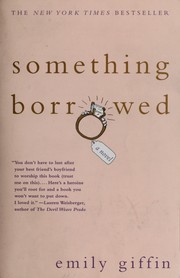
Something Borrowed
Good girl Rachel loves her best friend's fiance through a summer of weddings and lies.
2,100-word summary · 9 min read

The No-Show
Three women are stood up on Valentine's Day by the same man, but the timeline is not what it seems. O'Leary's warmest book with a knife in it.
2,127-word summary · 9 min read

Ghosts
At 32, food writer Nina Dean faces ghosting by Max and her father's dementia in London.
2,677-word summary · 12 min read

Good Material
A struggling comic replays his breakup with Jen while sofa surfing, bombing gigs and missing the other half of the story.
2,500-word summary · 11 min read

Someone Else's Shoes
A rich wife loses everything and a tired mom gains red heels when gym bags swap in London.
1,951-word summary · 9 min read

One Day in December
Laurie spots her dream man from a London bus, then meets him again as her best friend Sarah's new boyfriend.
2,513-word summary · 11 min read

The Flatshare
Two strangers share one bed on opposite shifts and fall in love through notes left around the flat.
2,793-word summary · 12 min read

Love the One You're With
Newlywed photographer Ellen Hays is blindsided when her ex Leo reappears in New York, forcing her to choose between old spark and steady love.
3,266-word summary · 15 min read

Dumplin'
Willowdean Dickson enters her town's beauty pageant as a protest and discovers that confidence is harder to keep once she lets someone close.
1,922-word summary · 9 min read
Shopaholic and Sister
Becky Brandon returns from a ten-month honeymoon to meet the half-sister she always wanted, then discovers that Jess is thrifty, prickly, and nothing like the…
2,591-word summary · 12 min read

Devil in Winter
A shy heiress with a stammer proposes a marriage of convenience to London's most notorious rake, then makes him prove he can be faithful.
2,548-word summary · 11 min read

Mr. Maybe
Libby Mason wants a rich husband, but the wealthy man who proposes is dull and the broke writer she cannot forget is not offering forever.
2,322-word summary · 10 min read

Bet Me
A sharp actuary agrees to dinner with a charming serial bettor, then spends the next month pretending the wager does not matter.
2,710-word summary · 12 min read

One to Watch
A plus-size fashion blogger takes the lead role on a reality dating show to prove she belongs on television, and finds she might want what the cameras offer.
2,478-word summary · 11 min read

Between Sisters
Estranged sisters Meghann and Claire reunite in Washington when Claire announces a rushed wedding, then face their mother's desertion and a medical crisis.
2,467-word summary · 11 min read

This Time Next Year
Two women give birth minutes apart on New Year's Day 1990, and one takes the other's lucky name. Thirty years on, their children meet again.
2,194-word summary · 10 min read

The First to Die at the End
On the night Death-Cast launches, a boy with a bad heart meets a model with everything ahead of him, and one of them gets the call.
2,908-word summary · 13 min read

Big Swiss
A transcriptionist for a sex coach falls for one of his clients, the tall Swiss gynecologist she calls Big Swiss, in a funny novel about work and secrets.
2,523-word summary · 11 min read

The Second Summer of the Sisterhood
Four friends share the traveling pants through a summer of grandmothers, first loves, and mothers who are learning to let go.
2,209-word summary · 10 min read

Aristotle and Dante Dive into the Waters of the World
Ari and Dante return for senior year in El Paso, navigating first love, AIDS, family grief, and the cost of being openly gay in 1987 Texas.
2,188-word summary · 10 min read

The Road Trip
Two exes squeeze into one small car for the drive to a Scottish wedding, with four years of history and one photograph between them.
2,418-word summary · 11 min read

Someone Like You
Halley and her best friend Scarlett face a summer of grief, a surprise pregnancy, and Halley's dangerous first romance in Sarah Dessen's 1998 young adult novel.
2,218-word summary · 10 min read

Emerald Green
Gwyneth must close the blood circle that will crown an immortal tyrant, and the prophecy says her death is the final lock.
2,044-word summary · 9 min read

Wayward Son
Simon and Baz road trip America after the war to decide what normal means.
2,505-word summary · 11 min read

The Reading List
A lonely widower and a teen library worker connect through a mysterious list of books.
2,810-word summary · 12 min read

Loveless
Georgia starts university sure she wants love, then learns she is aro-ace.
2,539-word summary · 11 min read

Every Last Word
A girl with OCD finds poetry and friends who know her secrets.
2,434-word summary · 11 min read

Bridget Jones: The Edge of Reason
Bridget doubts Mark, takes a job with Daniel, and lands in trouble in Thailand.
2,198-word summary · 10 min read

Since You've Been Gone
Shy Emily spends summer finishing her vanished best friend Sloane list of thirteen dares, finding Frank, Dawn, and courage.
2,566-word summary · 11 min read
Shopaholic Ties the Knot
Becky Bloomwood plans two weddings at once while debts pile up and Luke's mother interferes.
2,218-word summary · 10 min read