
Reading options
What's inside (6 sections)
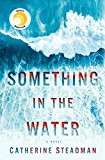
Beach honeymoons should not involve body disposal, yet here we are. Something in the Water by Catherine Steadman was first published June 5, 2018 by Ballantine Books, a 352 page hardcover with ISBN 9781524797188. Erin is a documentary filmmaker. Mark is an investment banker. They marry, fly to Bora Bora, and find something while scuba diving that changes everything. I read it on a plane, which was a mistake because I gasped loud enough that a neighbor asked if I was okay. I was not. I was hooked.
Erin narrates. She is smart, ambitious, and a little insecure about money compared to Mark polished background. Mark lost his job just before the wedding but hid it to keep the honeymoon perfect. That lie sets the tone. They love each other and edit truth to protect the story. On a dive they find a plane wreck with a duffel. Inside, cash, diamonds, and a gun. No bodies nearby. No one to tell quickly. They decide to take it and tell no one. For now. Just until they think.
That decision is the book. Not the find, but the keep. Erin films everything for a living and immediately lies to camera, to police, to friends. Mark, trained in risk, calculates odds and finds them good enough. Back in London, debts press. Mark jobless. Erin film stalled. Rent due. The money in storage feels like rescue. Small lies grow to cover it. A customs form fudged. A friend told half. A stranger asking questions gets a smile and a false name.
Bora Bora
The honeymoon chapters are gorgeous and queasy. Overwater bungalow. Clear water. Dinners where couples perform happiness. Erin and Mark are genuinely happy until the dive. Steadman, an actress herself, writes honeymoon performance well. Photos for family. Smiles for staff. Private jokes about married names. Then the dive where Mark signals to surface and Erin sees metal below. They surface, dive again, and pull up the bag with shaking hands.
Underwater decisions feel different, and Steadman nails that. Limited air. No talk. Just eyes and gestures. Take it. Leave it. They take it. On the boat they laugh too loud. In the bungalow they count and stop counting. Diamonds in a sock. Cash in a suitcase lining. A gun they throw back, then retrieve. Fear and thrill mix into honeymoon sex and nightmares. Erin dreams of drowning men asking for their bag. Mark dreams of spreadsheets that balance.
They tell no one on the island, which requires lies from minute one. A dive master asks about a long dive. A maid sees a wet bag. They tip extra and smile extra. On the flight home they split the loot in ways that would alarm customs if noticed. Erin wears diamonds as cheap souvenirs. Mark jokes about budget travel. The lies work because newlyweds get goodwill. No one suspects honeymooners of smuggling. That goodwill curdles on reread. Everyone trusted them. They spent it.
Back in London, reality presses. Mark interviews and fails. Erin pitches a film about the honeymoon and hides the best footage, which is also the evidence. Their flat feels smaller with secrets. Friends visit with wedding gifts and questions about jobs. Erin mother senses strain and offers money they refuse because pride and because money would raise questions about why they need it if honeymoon was perfect. The irony is thick. They have millions hidden and cannot buy coffee without math.
A fair note. Early Erin voice can sound like a lifestyle blog. Outfits. Flats. Brunch. Stick through. The consumer detail becomes motive. Debt, rent, and job loss make theft feel rational. Steadman is not judging wanting security. She is showing how quickly need turns into entitlement. We found it becomes we deserve it in about fifty pages.
London lies
The middle is a masterclass in lie maintenance. Erin and Mark create a system. No big purchases. No joint accounts touched. Small diamonds sold through a shady contact for cash. Cash used for rent in envelopes. Each step feels safe and adds a witness. The contact wants more. A neighbor notices new watches. A colleague asks why Erin is not editing dive footage she bragged about. Lies need schedules. Schedules slip.
A stranger arrives who knows too much. He does not threaten directly. He asks about Bora Bora with too much detail. Dive times. Boat names. He leaves a card with no name. Erin googles and finds nothing, which is worse. Mark wants to confront. Erin wants to wait. Their marriage, built on editing, starts editing each other. Where were you at lunch. Who texted. They check phones while claiming trust. Love remains, but surveillance joins it.
Police enter sideways. Not about the bag at first, but about a missing person linked to the plane. A pilot with a record. A passenger with family asking questions. Detectives ask routine honeymoon questions because the couple were on the island that week. Erin, trained to interview, recognizes interview techniques and hates being on the receiving end. She over answers. Mark under answers. Both look odd in opposite ways. The detectives leave friendly cards that feel like hooks.
Steadman raises stakes with money specifics that feel researched. How to sell diamonds without papers. How mules move cash. What customs dogs smell. Erin documentary skills become crime skills. She logs lies like footage. Time stamps. Alibis. B roll of normal life to cover gaps. It is clever and sad. Talent built for truth used to hide. When she films a fake video diary for police, smiling about honeymoon bliss while hiding loot two rooms away, the meta hit lands. She is directing her own innocence.
If there is a sag, it is a work subplot where Erin film funding drags through meetings. Necessary to show money pressure, but two producer lunches repeat. I skimmed one and missed nothing. The payoff, when she must choose between selling the dive footage that proves theft and losing funding, justifies the setup. Art versus survival. She picks survival and hates herself, which is honest.
What marriage means
The last act turns from who will catch them to what they will do to each other to stay free. Mark suggests worse lies. Erin suggests confessing. Both are right about risk and wrong about cost. A night where they argue in a car outside their flat, with the bag in the trunk, is the best scene. No music. Just two tired people asking if love can survive knowing the other would let someone else pay.
Violence arrives not as shootout but as choices. A meeting with the contact goes wrong. A gun from Bora Bora reappears. Someone gets hurt who did not dive that day. Erin must decide whether to call police and lose everything or to clean and keep everything and lose herself. She chooses a third path that the book earns. Document everything, including their crimes, and use it as leverage to exit. Film as weapon and shield. It fits her skills and her guilt. Truth finally used, though selectively.
Mark fate and Erin fate diverge in ways I will keep vague to avoid spoiling. He leans harder into risk. She leans harder into record. Their marriage does not end with a kiss or a courtroom. It ends with an understanding that love without honesty is just good editing. Whether they stay together is less important than whether Erin stays with herself. The final pages, her editing footage alone and deciding what to keep, mirror the opening dive. Take it. Leave it. This time she chooses differently.
What stays with me is Steadman question about good people. Erin and Mark are not sociopaths. They donate. They love parents. They tip well. They also steal and lie until theft requires harm. The book argues that decency is not a trait. It is a series of choices under pressure. Most of us have not been tested with millions underwater. Would we do better. I finished unsure, which is the point.
Documentary eye and London pressure
Erin job matters more than background color, so it deserves focus. As a documentary filmmaker she is trained to notice, to log, and to shape. Early chapters show her pitching a honeymoon film with story beats. Meet cute. Vows. Paradise. That filmmaker brain helps her lie well and hurts her ability to stop. She storyboards alibis. She edits timelines in her head. When police ask casual questions, she hears them as interview questions and over provides B roll. Steadman, an actress, writes this media self consciousness sharply. People who film for a living forget when cameras are off.
London return brings money pressure that makes theft feel rational. Mark, a banker who lost his job, hides unemployment through the honeymoon to preserve romance. Erin, whose film funding depends on likeability, hides the find to preserve the project. Their flat, with its damp and thin walls, contrasts Bora Bora bungalow in every scene. Friends bring wedding gifts and ask about jobs with love that feels like audit. Erin mother offers help with strings. Mark mother offers judgment without help. The couple chooses the bag over humility. Pride plus panic is a potent thief.
Side characters tighten the net without becoming caricatures. A dive master who remembers too much and wants a cut. A neighbor who watches packages. A detective pair, one warm and one watchful, who use silence well. Even minor colleagues get a line that later matters. A producer who asks why dive footage is missing. A banker friend who explains how diamonds move. No one is stupid to make leads look smart. That respect for side intelligence raises tension. Smart people noticing small slips is scarier than villains with guns.
The gun from the bag deserves its own note. Thrown back, retrieved, hidden, moved. Each handling adds fingerprints and risk. Mark wants it for protection. Erin wants it gone. Their fight about it, in a kitchen with neighbors thin walled, is about more than metal. Who decides safety. Who carries weight. The gun never fires cleanly the way thrillers promise. It rusts, jams, and implicates. Objects have consequences here beyond symbolism.
Erin friendship with her best friend adds another pressure worth noting. The friend plans hen parties and asks Erin to be present while Erin hides a crime. Bridal showers become interrogations by love. Are you okay. You seem distant. Erin deflects with wedding talk that feels hollow. When the friend finally confronts her about distance, not about the bag but about coldness, Erin cries because she misses being known. Secrets isolate even from allies. You cannot stay close while editing every sentence.
Mark work shame deserves attention too. Fired before the wedding, he performs employment through suits and schedules. Coffee meetings that go nowhere. Updates that lie. His pride keeps him from telling Erin until after the find, which poisons later honesty. If he had said I lost my job before Bora Bora, they might have returned the bag for reward and stayed clean. Instead shame plus loot creates a trap where confessing one lie exposes another. Steadman shows how pride about providing can turn a bad choice into a criminal run one silence at a time.
Read it if you like thrillers about ordinary lies with exotic openings. It pairs well with travel and unease about returning home. Do not expect action heroes. Expect a filmmaker and a banker with Googleable skills applied badly. Pay attention to what Erin films versus what she shows. The gap is the story. And after, check your own honeymoon photos. Everyone edits. Most of us just cut boring sunsets, not crimes.
FAQ
When was Something in the Water published?
Ballantine Books published it June 5, 2018. It runs 352 pages and the hardcover ISBN is 9781524797188.
Is it part of a series?
No. It stands alone as Steadman debut thriller.
Similar books

The Widow
A widow of a suspected criminal faces reporters and police while hiding what her marriage really cost.
2,599-word summary · 12 min read
The Silent Wife
A Chicago psychologist watches her twenty-year partnership collapse when Todd leaves for Natasha, then plans murder.
2,591-word summary · 12 min read

What She Knew
Rachel lets her eight-year-old son run ahead in a Bristol park, and the nine-day search turns her into a suspect in the public eye.
2,952-word summary · 13 min read

The Beach House
A young valet is beaten to death at a Hamptons party, and his law-student brother spends a year building a case against the family that covered it up.
2,049-word summary · 9 min read

Six Years
A professor who promised to forget the woman he loved sees her husband's obituary and discovers that the wedding, the marriage, and the woman herself may never…
2,076-word summary · 9 min read

Rules of Prey
Minneapolis detective Lucas Davenport hunts a killer who leaves a new rule at every scene and treats murder as a game of wits.
1,914-word summary · 9 min read

4th of July
Lindsay Boxer shoots two armed teenagers in self-defense, faces a wrongful-death trial, and spends her leave chasing a string of throat-slashing murders in…
2,192-word summary · 10 min read

61 Hours
A bus crash strands Jack Reacher in a snowbound South Dakota town where a drug gang, a corrupt police force, and a single witness are on a collision course.
2,227-word summary · 10 min read

Still Missing
A realtor is abducted at a Vancouver Island open house and held for more than a year. Told through therapy sessions, the novel follows her escape and the hunt…
2,466-word summary · 11 min read

Bad Luck and Trouble
A deposit of $1,030 summons Jack Reacher back to his old army unit, which is being picked off one name at a time.
2,366-word summary · 11 min read

3rd Degree
The third Women's Murder Club novel follows a San Francisco terror cell and a three-day killing schedule, and it costs the club a member.
2,685-word summary · 12 min read

Worth Dying For
Reacher stops for one night in rural Nebraska and finds a family that runs the county, a missing girl and a shipment worth killing for.
2,021-word summary · 9 min read

Say You're Sorry
A widowed prosecutor defends the teenager accused of killing her babysitter, uncovering a small town's secrets and a killer hiding in plain sight.
2,116-word summary · 9 min read

Echo Burning
Reacher hitches a ride with a Texas woman who wants her abusive husband killed, then has to prove she did not murder him when he comes home.
2,209-word summary · 10 min read

Girl, Forgotten
A rookie US marshal guards a judge with a stalker and ends up reopening the 1982 prom-night murder of the judge's pregnant daughter.
2,111-word summary · 9 min read

The Woods
Twenty years after two teenagers were murdered and two vanished at summer camp, prosecutor Paul Copeland identifies a fresh corpse as one of the missing.
2,490-word summary · 11 min read

The Boy from the Woods
Wilde, found feral in a New Jersey forest in 1986, hunts for a missing teenager while a senator's secrets tear a wealthy town apart.
2,270-word summary · 10 min read
Without Fail
Reacher is asked to test vice presidential security by planning to kill.
2,084-word summary · 9 min read
Things We Do in the Dark
A comedian kills her husband, then a podcaster digs up her teen murder past.
2,427-word summary · 11 min read
The Racketeer
A jailed lawyer trades a judge murder secret for freedom and revenge.
2,434-word summary · 11 min read
The Night Swim
A true crime podcaster covers a rape trial while probing an old drowning in a small town.
2,260-word summary · 10 min read
The Judge's List
Lacy Stoltz hunts a sitting judge who murders off his list.
2,513-word summary · 11 min read
The Innocent
A government hitman refuses one kill and must protect a teenage girl at the center of a cover-up.
2,403-word summary · 11 min read
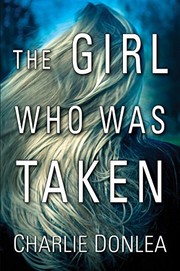
The Girl Who Was Taken
A survivor returns alone while a reporter digs for her lost sister.
2,261-word summary · 10 min read

The Club
A luxury island resort for the rich turns deadly when secrets, staff and guests collide.
2,386-word summary · 11 min read
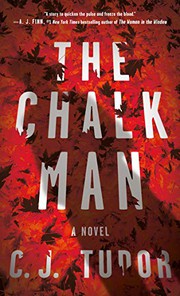
The Chalk Man
Childhood chalk codes lead to a murder that follows friends thirty years later.
2,350-word summary · 10 min read
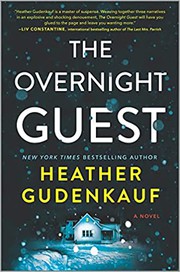
The Overnight Guest
A snowbound writer shelters a lost boy in Iowa while a twenty-year-old story of neglect closes in.
2,580-word summary · 11 min read
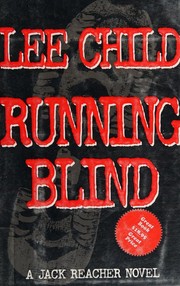
Running Blind
Jack Reacher must catch a killer who murders women with no forced entry and no trace.
2,008-word summary · 9 min read
Keep It in the Family
Mia and Finn renovate a long empty house and find seven children hidden in the attic.
2,270-word summary · 10 min read
Force of Nature
Four women walk out of the Giralang Ranges and Alice Russell does not, leaving Falk to link bush lies to firm fraud.
2,250-word summary · 10 min read