
Ghosts
2,677-word summary 12 min read 336 pages in the book
- First published
- 2020
- Publisher
- Fig Tree
- Pages
- 336
- ISBN
- 9780241434543
Reading options
What's inside (8 sections)
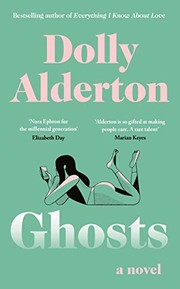
I started Ghosts on a late train with low battery and finished most of it before my stop because I kept telling myself one more chapter. A woman across the aisle was also reading on her phone and laughing in that quiet way people laugh when they recognise themselves. That felt right for this book. Dolly Alderton published Ghosts as her debut novel on 15 Oct 2020 in the UK with Fig Tree, an imprint of Penguin, running 336 pages, ISBN 9780241434543. It is set in London and follows Nina Dean, who is 32, single, a food writer, renting in Hackney, and trying to figure out why dating feels both easy to start and hard to finish. I knew Alderton from her memoir and her columns. This is fiction, but it has the same chatty honesty, the same interest in female friendship, and the same willingness to sit with sad things without turning them into lessons.
Nina is not a cipher. She has a job she likes, friends she loves, parents she worries about, a flat with a nice kitchen and a neighbour who talks too long at the door. She cooks for pleasure. She writes about restaurants and recipes. She drinks wine with friends and texts too much after second dates. She is funny in narration without trying to be the funniest person in the room. Alderton gives her a clear voice from page one. Wry, warm, tired, hopeful.
Nina at thirty-two in Hackney
The early chapters set up Nina life with care. She lives in Hackney in a flat she cannot quite afford but loves. She writes about food for a living, which means tasting menus, deadlines, editors who want copy with personality, and money that comes in uneven chunks. She likes her work. She is good at describing a bowl of pasta in a way that makes you want it. She is less sure about where the work leads. Cookbooks. TV. Columns. Everyone has advice.
Her best friend is Lola, a former party girl turned primary school teacher who is now pregnant and coupled up and nesting hard. Their friendship is the spine of the book. They met young, shared flats and bad boyfriends and hangovers, and now they are moving at different speeds. Lola wants to talk about prams and scans. Nina wants to talk about a man who has not replied in four days. Both feel guilty about wanting different things. Alderton writes this shift well. No big fight. Just missed calls, shorter replies, jokes that land a second late.
Nina parents live in the suburbs in the family house. Her dad was a teacher, talkative and proud and fond of long stories at the table. Her mum is practical, kind, busy with committees and neighbours. Nina visits for Sunday roasts that stretch into tea. She notices small changes at first. Her dad repeats a story he told twenty minutes before. He loses words for ordinary things like kettle and remote. He gets lost driving a route he has known for years. Alderton does not announce dementia in flashing lights. She lets it gather.
Nina dating life before Max is already fraying. She has done the apps. She has met men who talk about themselves for an hour, men who want a therapist, men who want a mother, men who disappear after good sex and a good joke. She tells these stories to Lola with comic timing, then goes home and feels flat. She is not desperate. She is tired of starting over.
Max and the good weeks
Max arrives through an app and, at first, feels different. He is 34 or so, good looking in a soft way, works in something vague and well paid, rides a bike, knows about wine without lecturing. Their first date is long. They walk. They laugh. They kiss at a bus stop like teenagers. He texts after. He plans the second date before the first is over. For a few weeks Nina lets herself enjoy it.
Alderton is good at the early glow. Max cooks with Nina in her kitchen and gets flour on his shirt. He meets Lola briefly and charms her. He sends voice notes that are actually funny. He says he wants something real. He talks about his divorced parents and how that messed with him, but in a self aware way that makes Nina trust him. They have sex that is tender and silly. They fall into a rhythm of seeing each other three times a week. Nina starts to picture things. Meeting his friends. A weekend away. Christmas at her parents with a boyfriend who can carve.
Then the fade starts. It is not dramatic. He takes longer to reply. He cancels with a work excuse that sounds true but thin. He goes quiet for a weekend. He reappears with warmth, as if no gap happened, and Nina, who prides herself on being direct, does not call it out because she does not want to seem needy. She tells herself he is busy. She tells Lola he is busy. Lola raises an eyebrow.
The ghosting itself is drawn in small cuts. A message left on read. A plan to meet that never firms up. A birthday party he promises to attend and then misses with a late text about a crisis. Nina checks her phone too often. She rewrites messages. She asks friends to read replies for hidden meaning. She knows she is overthinking and cannot stop. When she finally gets a short, kind, empty message about timing and headspace, it feels worse than silence because it pretends to be care.
I thought these chapters were the strongest in the book because they are so specific. Not a villain. Just a man who liked the start and vanished at the middle. Anyone who has dated in London in the last ten years will know the exact ache of watching three dots appear and disappear.
Dates, apps, and the group chat
After Max, Nina goes back on the apps with a mix of defiance and dread, and Alderton uses this stretch for comedy that still stings. There is the man who brings his dog to the date and talks through the dog. There is the man who orders for her without asking. There is the older man who calls himself young at heart and then lectures her about phones. There is the man who cries about his ex within twenty minutes and then asks if Nina wants to come home with him. There is the sweet, boring man she actually likes for an evening and then never hears from, which confuses her more than the rude ones.
The group chat with friends carries a lot of this. Screenshots. Voice notes. Debates about whether to double text. Jokes about red flags that are really just incompatibility. One friend says block him. Another says give him time. Lola, busy and hormonal, still finds time to analyse a photo for clues. The chat is funny because it is true. It is also sad because Nina knows the advice does not fix the pattern. Men can leave without reason. Women are left to write the reason themselves.
Nina also has to face her own habits. She chases unavailable men and calls it chemistry. She ignores kind men and calls it lack of spark. She performs ease on dates, laughing, paying half, pretending not to care about second dates, then cares a lot at home. Alderton does not shame her for this. She shows where it comes from. Nina watched her parents stay together through hard years and assumed love would feel steady. Modern dating feels unsteady by design. Quick match. Quick chat. Quick meet. Quick exit.
One scene I liked has Nina deleting and reinstalling an app on the same bus ride. She feels relief when it is gone. She feels lonely by the next stop. She reinstalls. That loop, more than any speech, explains why ghosting hurts. It is not only Max. It is the system that makes Max easy to be.
Lola and friends growing apart
Lola pregnancy changes everything without anyone wanting it to. Lola is sick early on, then glowing, then tired, then scared. She and her partner move to a bigger place. She talks about nurseries and names. Nina tries hard to be happy and mostly is, but she also feels left behind. Their nights out become lunches. Their lunches get cut short by naps. Lola snaps once about Nina making everything about dating when a baby is coming, and Nina snaps back about being treated like a cautionary tale. They both apologise fast. The bruise stays.
Other friends fill the edges. There is the coupled friend who hosts dinners and gives advice from inside a long marriage. There is the single friend who hasquit apps and claims peace but still checks them at parties. There is the gay friend who is funnier than everyone and also lonelier than he admits. Alderton moves between them in short chapters that feel like episodes from a column. Some readers will love the bustle. I did, mostly. It gives London a lived texture. Pubs in Stoke Newington. Walks on the Marshes. Birthday drinks in a basement bar with sticky floors.
But the episodic shape is also a weakness. A few friends appear, shine for ten pages, then vanish for a hundred. You get breadth more than depth. Lola is the exception. Her arc from wild friend to mother holds weight because Alderton returns to her again and again. The others can feel like anecdotes waiting for a plot.
Nina neighbour adds a quieter thread. An older woman living alone, sharp and nosy, who knocks for sugar and stays for stories. Nina helps with bins and plugs and listens to tales about a husband long dead. It is a small friendship, but it shows Nina at her best. Patient. Funny. Present. It also mirrors what Nina fears. Ending up alone is not tragic here. It is ordinary, sometimes even pleasant, but Nina is not ready to want it.
Dad slipping and Mum holding on
The saddest and most sustained story is Nina dad. What starts as forgetting words becomes getting lost, leaving the stove on, accusing Mum of hiding things, crying without knowing why. The diagnosis, when it comes, is dementia. Alderton does not use the medical label as a twist. She uses it as a slow tide. Appointments. Leaflets. Pills that may help a little. A consultant who speaks gently and leaves them with more questions than answers.
Nina mum tries to cope by organising. Lists on the fridge. Labels on cupboards. Rotas for visits. She refuses help at first because accepting help means admitting how bad it is. She snaps at Nina for hovering, then calls late at night because Dad is awake and scared and she does not know what to do. Nina starts going home more. She sleeps in her old room with posters still on the wall. She takes Dad for walks where he tells the same story about a school trip three times and laughs each time as if new.
One long afternoon chapter broke me a little. Nina takes Dad to a cafe he loved. He orders twice. He forgets he ordered. He asks Nina if she is married yet, then forgets her answer and asks again. Nina answers each time as if first. On the walk home he holds her hand and calls her by her mum name, then corrects himself and looks ashamed. Nina tells him it is fine. She cries on the bus after. Alderton writes this without frills. Short sentences. Concrete detail. No speeches about memory and love. The detail does the work.
Mum has her own arc. She spent years as wife and mother and volunteer, always capable. Now capability is not enough. She has to grieve a husband who is still alive. She has to ask her daughter for help and hate asking. She has to think about care homes and money and what neighbours will say. A late scene where Mum admits she is angry at Dad for leaving her while still sitting next to him felt true in a way that surprised me. Love and resentment can share a sofa.
This family plot is why the title works on two levels. Men ghost. Fathers fade. Both leave women checking phones and doors for someone who is not coming back the same way.
Work, rent, and an ending without a bow
Nina work life runs alongside. She gets a chance to write more personal pieces. She pitches a book. An editor likes her voice but wants something neater, with tips. Nina resists turning her life into advice. She wants to write about hunger and comfort and eating alone without shame. A few set pieces in restaurants and test kitchens are vivid. You can taste salt and lemon. You can hear timers. Food here is not decoration. It is how Nina shows care when words fail. She cooks for Lola when Lola is sick. She cooks for Mum and Dad when the house feels cold. She cooks for herself after Max disappears and eats standing up, which tells you more than a paragraph of feelings would.
Money pressure hums underneath. London rent keeps rising. Freelance pay arrives late. Nina does sums at night and wonders if she should move further out, get a lodger, take more branded work she does not respect. She does not solve this neatly, which I liked. Alderton lets precarity sit there without turning Nina into a symbol.
The ending will frustrate readers who want romance to fix things, and that is the point. Nina does not get Max back with an apology and a plan. She gets a brief, unsatisfying exchange months later where he is friendly and vague and unchanged. She does not get a new perfect man either. She gets a better sense of what she will not accept. She stops chasing replies. She keeps the flat for now. She stays close to Lola even as Lola life fills with baby noise. She visits her parents and helps Mum look at care options without pretending it is fine.
The last chapters lean into acceptance rather than triumph. Nina cooks a meal for friends in her small kitchen. Dad has a good hour and a bad hour. Lola baby arrives and is loud and wonderful and exhausting. Nina holds the baby and feels love without envy for a moment, then envy without shame the next. She walks home alone and does not feel empty in the old way. Alone feels like a fact, not a verdict.
Fair criticism belongs here. Max is thin as a character, which may be deliberate but still left me wanting one scene that explains him beyond avoidance. The book is episodic, with dating stories that sometimes repeat the same beat. The timing sits just before lockdowns and the pandemic, which gives it a strange timeless feel now. Phones and apps date it, but the absence of masks and closures makes it feel like a London that paused just before our memory of it changed. Some readers will find that comforting. Others will find it oddly light given what came in 2020.
Still, I laughed a lot and underlined more. Alderton writes dialogue that sounds like people talking, not points being made. She is kind to her characters without excusing them. She lets Nina be funny and jealous and generous in the same page. Publication facts once more so you have them straight. Ghosts by Dolly Alderton, debut novel, first published 15 Oct 2020 in the UK by Fig Tree, 336 pages, ISBN 9780241434543. Tags that fit are romance, contemporary, friendship, london, humor. It runs about the length of a long weekend read and feels like one too. Sad in places, comic in others, honest throughout about how hard it is to keep showing up for love, friends, and family when replies do not come.
FAQ
When was Ghosts published?
Dolly Alderton's debut novel was first published 15 Oct 2020 in the UK by Fig Tree and runs 336 pages.
Who is Max and what happens with him?
Max is a man Nina meets on a dating app. After warm early weeks his replies fade and he ghosts her without a clear reason.
Does Ghosts end with a neat romance?
No. Nina does not reunite with Max or meet a perfect partner. She keeps her flat, stays close to Lola, and helps care for her father.
Similar books
Mr. Maybe
Libby Mason wants a rich husband, but the wealthy man who proposes is dull and the broke writer she cannot forget is not offering forever.
2,322-word summary · 10 min read

Big Swiss
A transcriptionist for a sex coach falls for one of his clients, the tall Swiss gynecologist she calls Big Swiss, in a funny novel about work and secrets.
2,523-word summary · 11 min read
The No-Show
Three women are stood up on Valentine's Day by the same man, but the timeline is not what it seems. O'Leary's warmest book with a knife in it.
2,127-word summary · 9 min read

Bridget Jones: The Edge of Reason
Bridget doubts Mark, takes a job with Daniel, and lands in trouble in Thailand.
2,198-word summary · 10 min read
The Bromance Book Club
A Nashville pitcher joins a secret romance book club to save his marriage after his wife Thea asks for divorce. He trades pride for listening, chores, and…
2,932-word summary · 13 min read
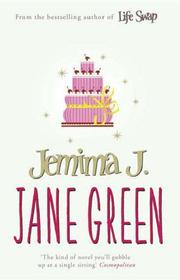
Jemima J
Overweight London journalist Jemima Jones invents a slim online self for a California lover, starves to match the photo, then faces betrayal and learns to…
2,883-word summary · 13 min read
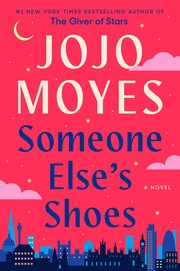
Someone Else's Shoes
A rich wife loses everything and a tired mom gains red heels when gym bags swap in London.
1,951-word summary · 9 min read

One Day in December
Laurie spots her dream man from a London bus, then meets him again as her best friend Sarah's new boyfriend.
2,513-word summary · 11 min read
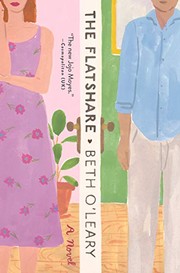
The Flatshare
Two strangers share one bed on opposite shifts and fall in love through notes left around the flat.
2,793-word summary · 12 min read
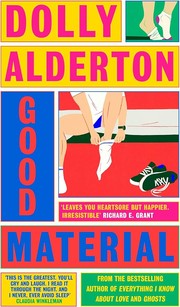
Good Material
A struggling comic replays his breakup with Jen while sofa surfing, bombing gigs and missing the other half of the story.
2,500-word summary · 11 min read

Size 12 Is Not Fat
Former teen pop star Heather Wells investigates two dorm elevator deaths while juggling her ex, her crush, and a size-12 wardrobe.
2,805-word summary · 12 min read

Dumplin'
Willowdean Dickson enters her town's beauty pageant as a protest and discovers that confidence is harder to keep once she lets someone close.
1,922-word summary · 9 min read
Shopaholic and Sister
Becky Brandon returns from a ten-month honeymoon to meet the half-sister she always wanted, then discovers that Jess is thrifty, prickly, and nothing like the…
2,591-word summary · 12 min read
Bet Me
A sharp actuary agrees to dinner with a charming serial bettor, then spends the next month pretending the wager does not matter.
2,710-word summary · 12 min read
One to Watch
A plus-size fashion blogger takes the lead role on a reality dating show to prove she belongs on television, and finds she might want what the cameras offer.
2,478-word summary · 11 min read
This Time Next Year
Two women give birth minutes apart on New Year's Day 1990, and one takes the other's lucky name. Thirty years on, their children meet again.
2,194-word summary · 10 min read

Eligible
Austen's Bennet sisters move to modern Cincinnati, where marriage is a reality show and the house is losing its value.
2,293-word summary · 10 min read
Wedding Night
Lottie marries an old flame days after a breakup, then flies to a Greek island while her sister quietly works to sabotage the honeymoon. A farce about memory,…
2,213-word summary · 10 min read

Dash & Lily's Book of Dares
Two lonely New York teenagers trade dares in a red notebook left at the Strand, falling for each other on the page before they meet.
2,228-word summary · 10 min read
The Road Trip
Two exes squeeze into one small car for the drive to a Scottish wedding, with four years of history and one photograph between them.
2,418-word summary · 11 min read
Dial A for Aunties
A wedding photographer accidentally kills her blind date, and her mother and three aunties help her hide the body during the biggest wedding of their careers.
2,076-word summary · 9 min read
The Bookish Life of Nina Hill
Bookstore Nina gains a family and pub-quiz love in Los Angeles.
2,399-word summary · 11 min read
Every Last Word
A girl with OCD finds poetry and friends who know her secrets.
2,434-word summary · 11 min read

Since You've Been Gone
Shy Emily spends summer finishing her vanished best friend Sloane list of thirteen dares, finding Frank, Dawn, and courage.
2,566-word summary · 11 min read
You Deserve Each Other
Engaged and miserable, Naomi and Nicholas wage a prank war to force a breakup, then face money, mothers, and truth in Sarah Hogle's funny romance with a tender…
2,415-word summary · 11 min read

Tangled
Told by a cocky businessman, a bet to win the new associate who rejects him turns into real pursuit, strict rules, a painful reveal and a wedding-level happy…
2,868-word summary · 13 min read
Where Rainbows End
Told in letters and emails, Rosie Dunne and Alex Stewart grow from Dublin childhood to midlife, missing chances at love while raising Katie.
1,943-word summary · 9 min read
The Do-Over
Emilie relives awful Valentine Day with cheating boyfriend until Nick helps fix it.
2,071-word summary · 9 min read
Queenie
Jamaican British Queenie spirals after Tom break while friends hold her.
2,056-word summary · 9 min read

Boyfriend Material
A tabloid-haunted charity worker fakes a romance with a straitlaced barrister in this funny 2020 London rom-com.
2,325-word summary · 10 min read